Meaning
Thermal analysis represents the primary category for this quantitative measurement of the duration until a material begins to degrade under specified oxygen exposure and heat. Oxidative induction time quantifies the stability of a polymer against thermo-oxidative decomposition by recording the interval between the stabilization of a sample at a target temperature and the onset of exothermic oxidation. A differential scanning calorimeter functions as the primary instrument for gathering this data, using a pan to hold the specimen while maintaining an inert nitrogen atmosphere before a sudden switch to an oxygen flow initiates the breakdown.
The stability measurement ends when the recorded heat flow shows a sudden rise, which indicates that the antioxidant package inside the plastic has failed to inhibit the chain reaction.
Material Performance
Resin manufacturers define the shelf life and expected longevity of their products by setting thresholds for these laboratory results. Oxidative induction time acts as a proxy for the total amount of antioxidant additives remaining in the molecular structure, allowing producers to verify if a raw material batch meets the required processing specifications before it reaches the shop floor. When processors add regrind to virgin material, the concentration of these additives drops and the measured period shortens in response to the diluted chemical protection.
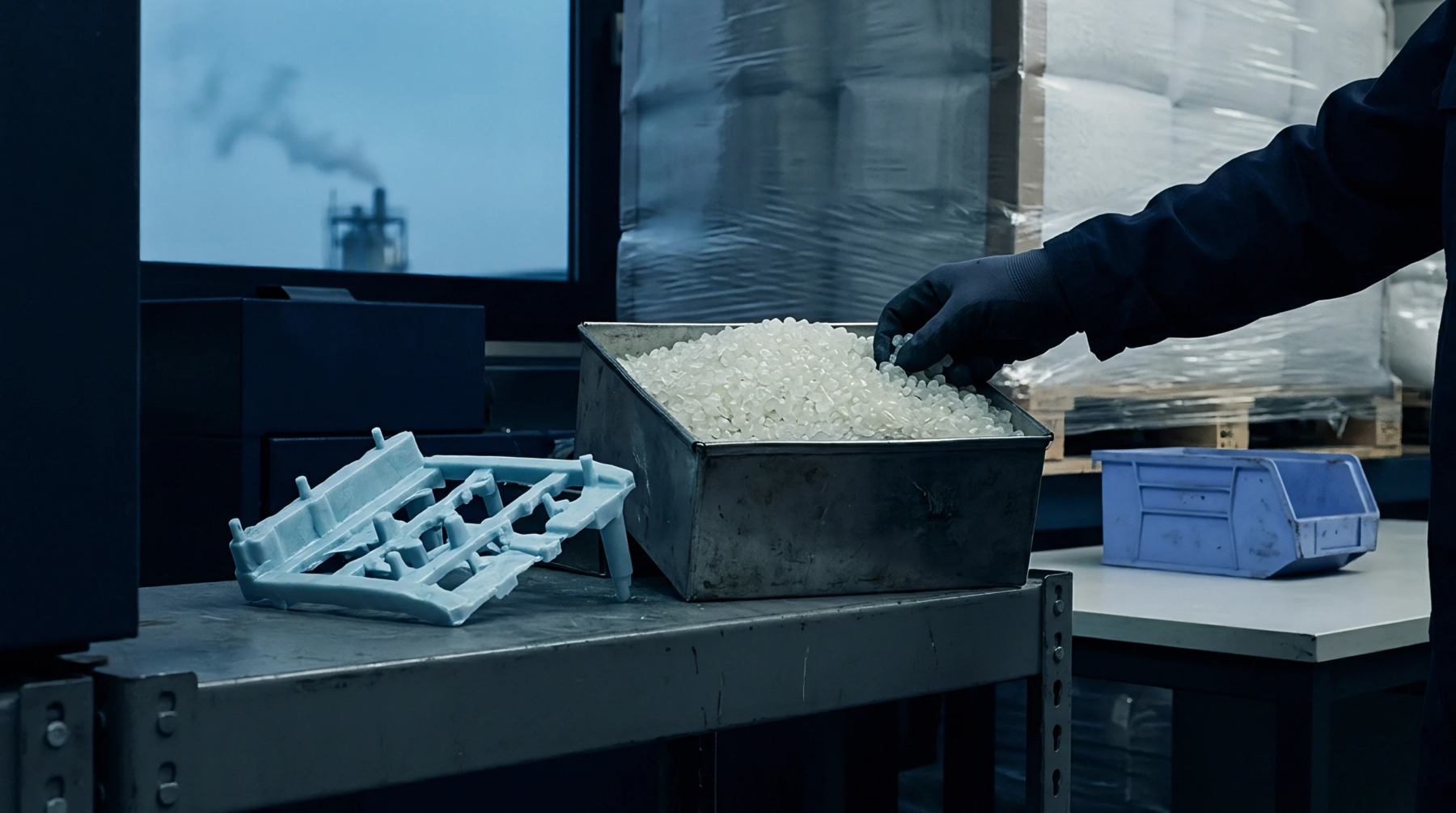
Quality control labs conduct these tests on incoming pellets to verify that storage conditions did not prematurely deplete the stabilizer load. Manufacturers rely on these stable values to predict if a finished part survives in high heat environments without brittle failure or surface discoloration.
Processing Limits
Injection moulders encounter difficulties when the heat history of a project consumes the stability buffer during the initial formation of parts. Oxidative induction time informs the technician about the available window for safe thermal cycling, as excessive residence time in the barrel shears and burns the polymer matrix. High shear rates during screw rotation or hot runner dwell times reduce this property, meaning that parts exit the mould with less chemical resistance than the raw resin pellets contained.
Processors monitor this drift to calibrate set points for temperature profiles across the manifold. Short durations on a datasheet often imply that the part requires lower melt temperatures or faster cycle times to preserve its remaining molecular integrity.
Validation Standards
Technical specifications establish strict protocols for sample preparation to ensure that comparisons remain valid across different laboratories. Oxidative induction time depends on the isothermal hold temperature, because a shift of only a few degrees leads to exponential changes in the reported result. Standardized procedures dictate the use of thin films or fine powders to prevent diffusion limitations from masking the actual oxidation kinetics of the material.
A value extracted from a thin film test provides a direct comparison of the base polymer formulation, whereas a value from a thick moulded section reflects the bulk degradation rate of a commercial component. Disagreements arise when testing protocols vary, as different oxygen flow rates or pan geometries change the heat transfer efficiency and alter the observed end point. Consistent measurement protocols secure the integrity of the stability data for long term engineering performance.