
Evaluating Thermal and Oxidative Polyolefin Flake Degradation
Thermal and oxidative degradation alters polyolefin flake viscosity and residual stability, demanding MFR, OIT, and Carbonyl Index verification before processing.
Thermal and oxidative degradation alters polyolefin flake viscosity and residual stability, demanding MFR, OIT, and Carbonyl Index verification before processing.

High shear compounding degrades ultra-high molecular weight tails through mechanochemical scission, best quantified by zero-shear viscosity and Mz tracking.

Polypropylene impact copolymers for frozen containers balance rubber content and viscosity matching to prevent cold brittle failure at minus twenty degrees.

Matching plug speed to polymer disentanglement kinetics prevents corner thinning and optimizes wall thickness in deep draw thermoforming.
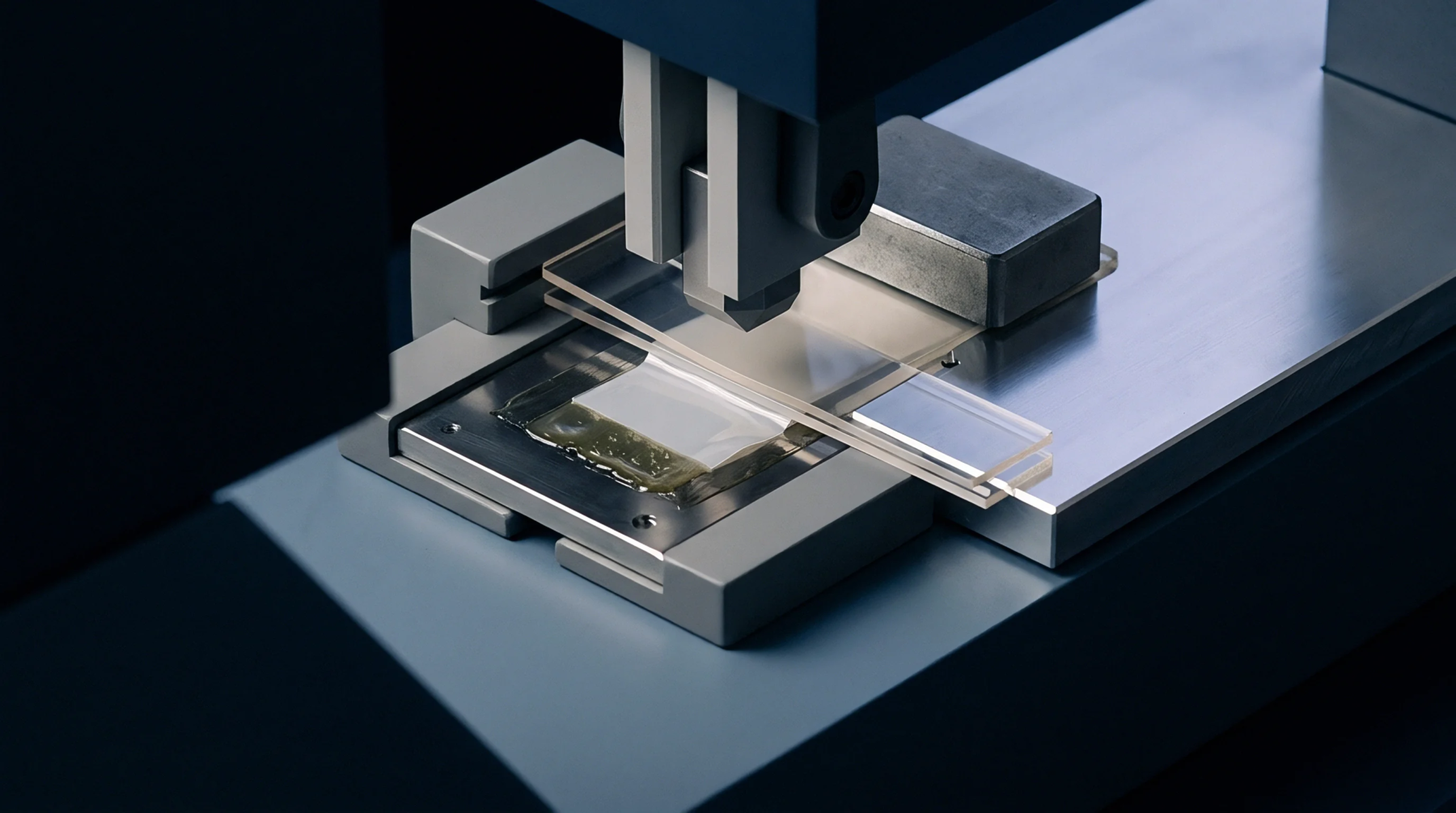
Biaxial extensional strain hardening controls sheet thinning, requiring precise melt strength, tool friction, and temperature tuning to set uniform container wall thickness.

Industrial composting compliance requires verifying bio-carbon via ASTM D6866, disintegration via EN 13432, and total fluorine screening below 100 ppm.

Coulometric Karl Fischer titration with thermal desorption isolates true moisture in bio-polyesters, preventing false readings from monomer breakdown and avoiding melt hydrolysis.

Undeclared regrind in virgin polymer collapses oxidation stability and broadens viscosity bands, increasing landed cost per good part despite initial pellet discounts.

Calculating polyolefin landed arbitrage viability demands evaluating cracker co-product yield spreads against comonomer properties and freight tariffs.
Characterizing polymer chain scission in rPET lots requires pairing solution viscometry with end-group titration to quantify backbone loss and dryer failure.
Polyethylene terephthalate ester bonds hydrolyze rapidly in melt above 270 °C, requiring drying below 30 ppm moisture to prevent intrinsic viscosity collapse.

Coulometric KF titration overestimates bio-polyester moisture due to degradation side-reactions; kinetic baseline correction isolates physical moisture.

Contract and spot naphtha spreads undermine fixed thirty-day resin quotes, requiring indexation formulas and dock MFR testing to prevent margin erosion.
Expertise is a utility, not a secret. sentiention™ publishes its working knowledge as open reference: intelligence layer covering the materials it sources, the markets it enters, and the reference that serves both.