Meaning
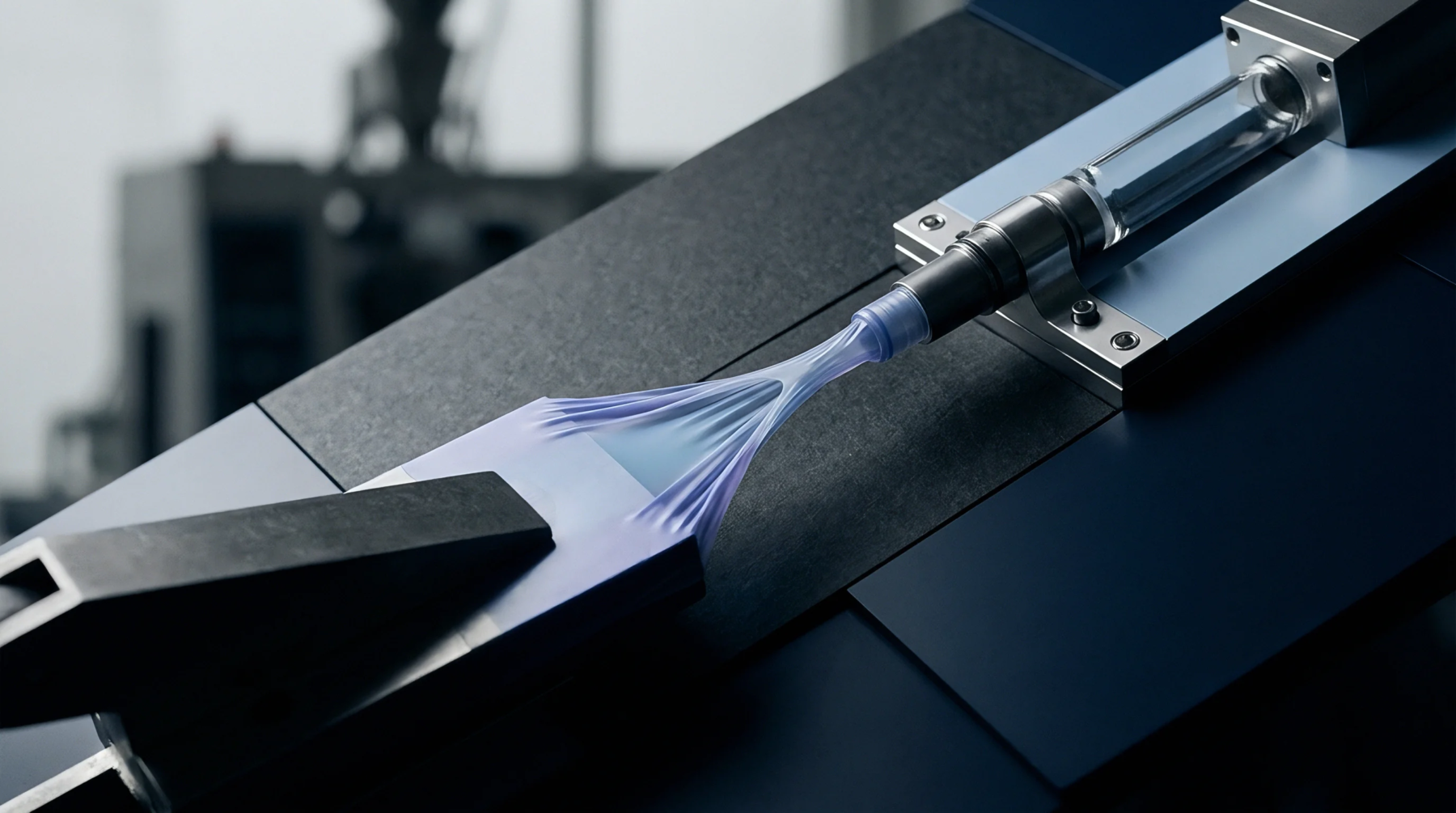
Small fractions of exceptionally long polymer chains within a molecular weight distribution govern the melt elasticity and strength of a resin. The presence of a high molecular weight tail enhances the low-shear viscosity and increases the relaxation time of the polymer melt. This molecular fraction is critical for processes that require a stable melt, such as blow molding or film extrusion, where the parison or bubble must resist gravity.
Resin Architecture
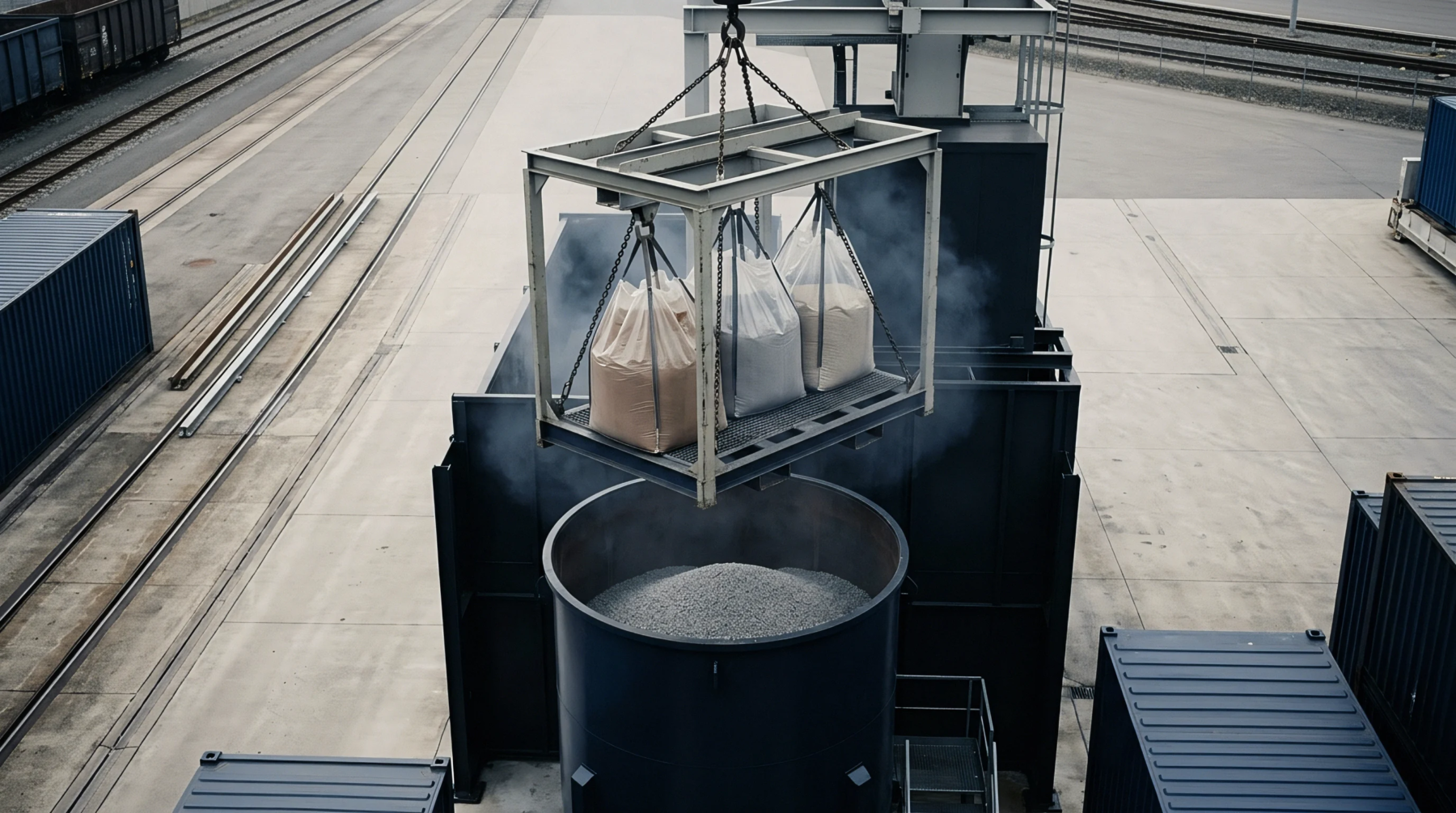
Synthesizing resins with this specific fraction requires precise catalyst control to allow a small percentage of chains to grow to extreme lengths.
Process Influence
Extruding these materials requires higher torque and generates more viscous heating due to the resistance of the long chains to deformation. However, this fraction also promotes early shear thinning, which helps reduce the injection pressure required at high shear rates.
Failure Resistance
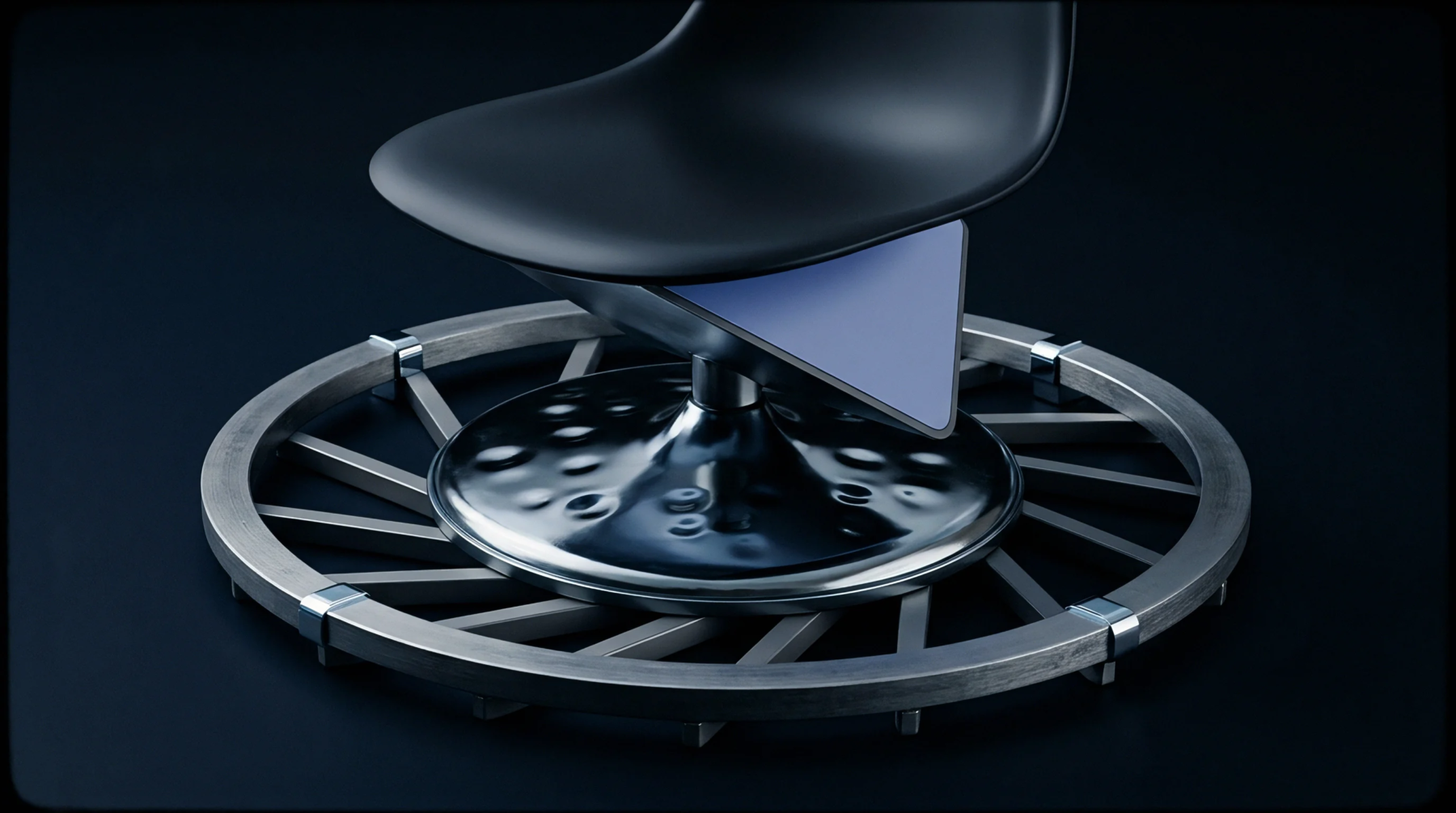
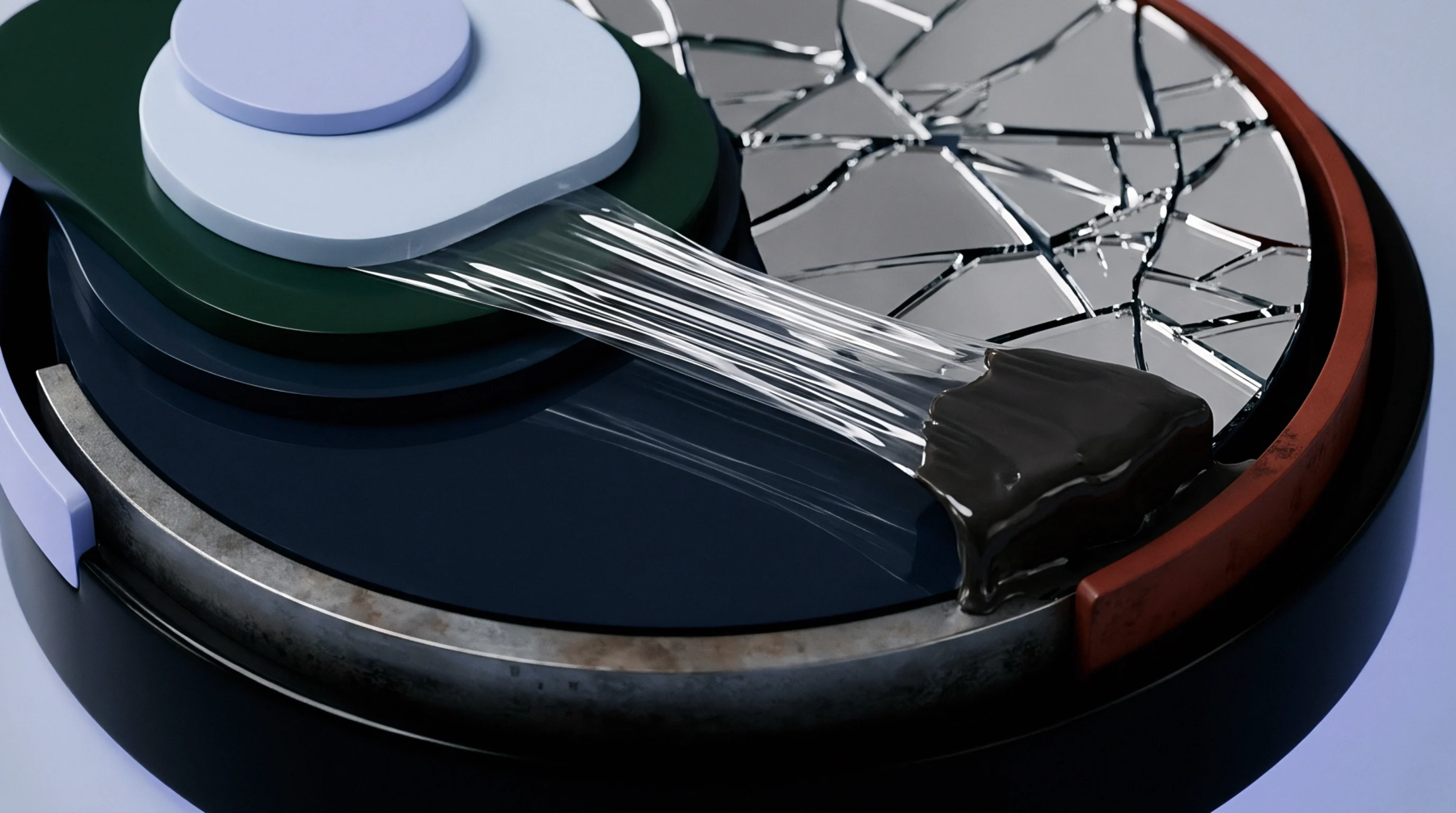
Molded parts containing this molecular fraction show outstanding resistance to mechanical stress and environmental cracking. The long chains act as tie molecules that span across the crystalline lamellae, reinforcing the amorphous regions of the solid polymer. This structural feature prevents the propagation of cracks under long-term load and ensures that the molded components can be used in demanding industrial environments.