
Evaluating Polymer Rheology Mismatch in Additive Carrier Resin Selection
Match high-shear viscosity profiles and elasticity ratios rather than plastometer values to prevent phase separation and ensure complete additive dispersion.
Match high-shear viscosity profiles and elasticity ratios rather than plastometer values to prevent phase separation and ensure complete additive dispersion.

Analytical rheology characterizes high density polyethylene recyclate degradation via flow rate ratios, zero-shear viscosity, and strain hardening bounds.

Coupling real-time core preform infrared profiling with non-isothermal simulation maps true through-thickness temperatures to eliminate blow moulding wall defects.
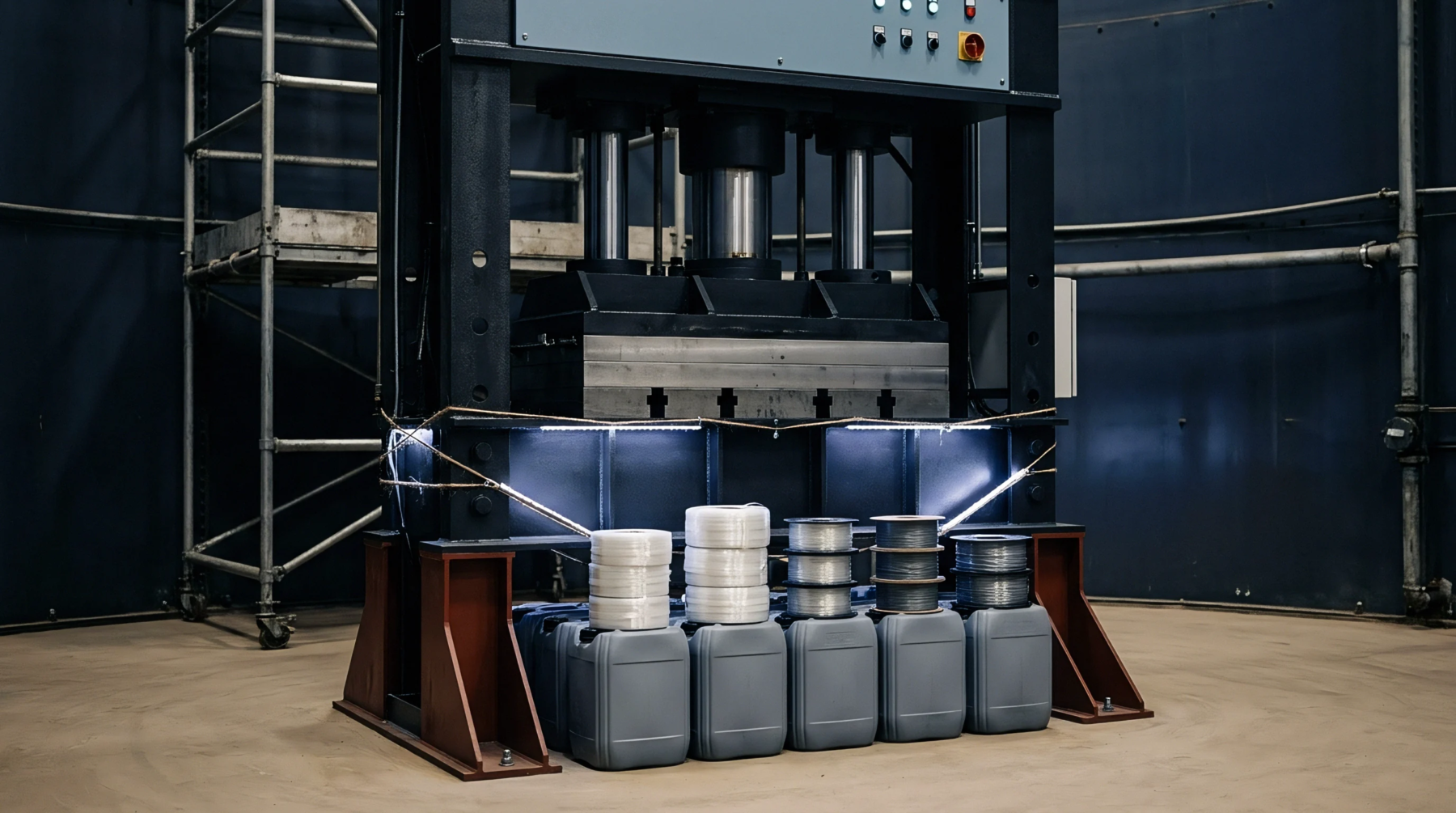
Optimal stretch blow moulding demands exact pre-blow timing synchronization to control strain hardening and achieve uniform container wall thickness.
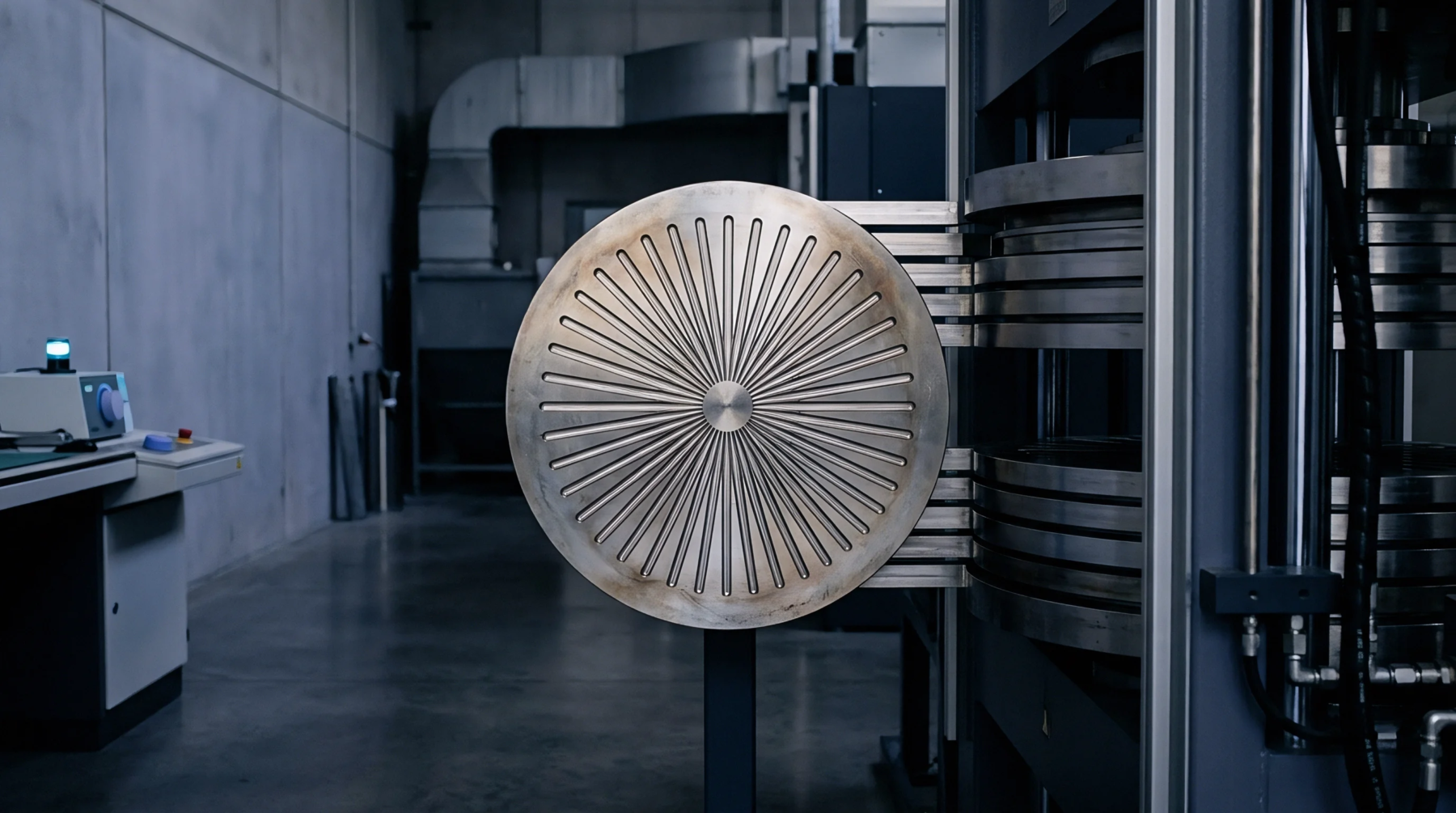
Coupled viscoplastic modeling of back-stress hardening and adiabatic softening allows thin-wall tooling optimization that cuts cycle times and capital spend.

Polyolefin recyclates require extensional viscosity verification to prevent gate blush and severe entrance pressure drop during high-speed cavity filling.

Matching plug speed to polymer disentanglement kinetics prevents corner thinning and optimizes wall thickness in deep draw thermoforming.

Strain hardening rheology metrics define thermoforming process windows by predicting extensional melt strength to eliminate corner thinning and sheet sag.
Establishing Trouton ratio floors via capillary extensional rheology prevents catastrophic web tear and parison sag in regrind polyolefin blends.

Predicting adiabatic shear banding during high-velocity preform inflation requires coupled thermomechanical models evaluating strain hardening against rate-dependent thermal dissipation.

Low-frequency storage modulus and creep recovery accurately quantify ultra-high molecular weight tails in bimodal resins, ensuring stress crack resistance.

Accurate quantification of recycled polyolefins requires combining DSC thermal integration, high-temperature GPC, ICP-MS trace metals, and melt rheology sweeps.
Expertise is a utility, not a secret. sentiention™ publishes its working knowledge as open reference: intelligence layer covering the materials it sources, the markets it enters, and the reference that serves both.