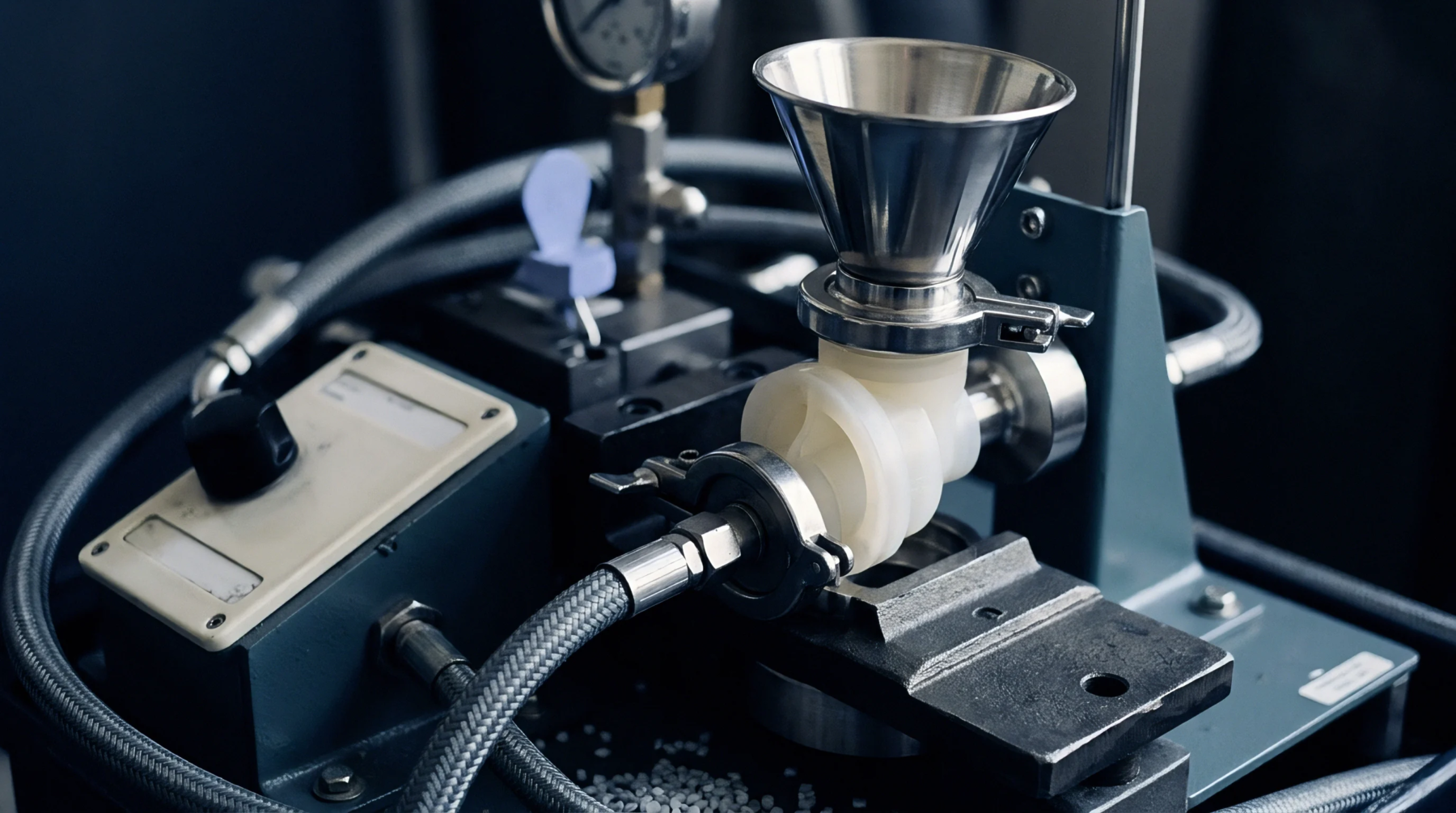
Designing Desiccant Hopper Airflow and Temperature Parameters for Recycled Flakes
Engineers optimize flake drying by scaling hopper air volume to bulk density, holding dew points below minus forty degrees, and controlling thermal sintering.
Engineers optimize flake drying by scaling hopper air volume to bulk density, holding dew points below minus forty degrees, and controlling thermal sintering.

Dual-load melt flow testing verifies shear thinning and molecular weight spread, catching recycled resin lot variation before it causes scrap.

Polymer indexation contracts balance monomer price pass-through, fixed conversion deltas, and publication timing to control European resin procurement costs.

Optimize rPET desiccant drying at 160-170°C with -45°C dew point dry air to maintain moisture under 30 ppm and prevent intrinsic viscosity drop.

Evidencing post-consumer recyclate requires batch-level physical mass balance audit trails, independent radiocarbon or DSC testing, and rigorous dock-side sampling before silos accept delivery.
Expertise is a utility, not a secret. sentiention™ publishes its working knowledge as open reference: intelligence layer covering the materials it sources, the markets it enters, and the reference that serves both.