Quantification Limits for Polyolefin Saturated Hydrocarbons in High Density Polyethylene Film Consignments
Polyolefin saturated hydrocarbons in HDPE film mimic mineral oils, requiring two-dimensional GC to separate native oligomers and confirm migration limits.


Hump
Incoming shipments of high density polyethylene packaging film face immediate customs scrutiny when entering European ports of arrival. Testing laboratories running coupled liquid chromatography gas chromatography with flame ionization detection on polymer extracts encounter a broad, unresolved envelope of aliphatic hydrocarbons. Ethylene polymerization creates low molecular weight polyolefin saturated hydrocarbons alongside the high molecular weight polymer chains.
In analytical chromatography, these native oligomers elute across the carbon range from C10 to C50. The resulting signal forms an unresolved chromatographic envelope indistinguishable from petroleum mineral oil saturated hydrocarbons. Laboratory technicians routinely integrate this signal as target contamination unless selective pre-fractionation separates native branched oligomers from petroleum distillates.
The practical limit of quantification for saturated hydrocarbons in packaging film rests at 0.5 milligrams per kilogram of food simulant or 1.0 milligram per kilogram of dry film matrix. High density polyethylene produces an oligomeric signature containing even-numbered alkane backbones with short ethyl and butyl branches from alpha-olefin co-monomers. Gas chromatography flame ionization detection does not differentiate between a branched oligomer derived from an ethylene-hexene copolymer and an isoparaffin from a solvent refining process.
Analytical laboratories report the sum of the signals as total saturated hydrocarbons unless the commissioning party specifies an advanced aluminium oxide cleanup or activated silica gel fractionation step.
Tenax contact at forty degrees Celsius for ten days produces an oligomer migration baseline below 0.5 milligrams per kilogram on unprinted barrier film.
Analytical quantification splits into distinct carbon fractions under standard monitoring directives. European guidelines establish monitoring ranges between C10 and C16, between C16 and C20, and between C20 and C35. Ethylene oligomers concentrate predominantly within the C16 to C35 span.
When a laboratory quantifies this window against a mineral oil surrogate such as bicyclohexyl or 5-alpha-cholestane, the integrated area routinely yields apparent contamination figures between 5 and 25 milligrams per kilogram of raw polymer. This numerical artefact triggers border alerts when film consignments arrive for use in direct food packaging.

Interference Patterns across Carbon Fractions
Ziegler-Natta catalyst residues and metallocene single-site systems generate distinct oligomer profiles in blow-moulded and cast high density polyethylene consignments. Metallocene grades produce narrower, regularly spaced oligomeric distributions with prominent signals at C12, C16, C20, and C24, corresponding to precise multiples of the ethylene repeat unit. Ziegler-Natta production resins generate broad, asymmetric envelopes with significant tailing beyond C30.
Both catalytic routes yield saturated hydrocarbons that fall directly into the integration windows used by official food-contact surveillance agencies.
| Resin Density and Catalyst | Carbon Window | Standard LC-GC-FID | Aluminium Oxide Fractionation | Comprehensive Two-Dimensional GC |
|---|---|---|---|---|
| 0.954 g/cm³ Ziegler-Natta | C10 to C16 | 0.8 mg/kg | 0.1 mg/kg | 0.08 mg/kg |
| 0.954 g/cm³ Ziegler-Natta | C16 to C35 | 14.2 mg/kg | 1.2 mg/kg | 0.4 mg/kg |
| 0.962 g/cm³ Metallocene | C10 to C16 | 0.3 mg/kg | 0.05 mg/kg | 0.04 mg/kg |
| 0.962 g/cm³ Metallocene | C16 to C35 | 6.7 mg/kg | 0.4 mg/kg | 0.15 mg/kg |
Polymer film converters order masterbatch additives to impart slip, anti-block, and static dissipation to finished webs. Erucamide slip agents, calcium stearate acid scavengers, and glycerol monostearates introduce secondary aliphatic peaks into the gas chromatogram. Thermal degradation of these processing aids during blown film extrusion creates secondary cleavage fragments between C12 and C22.
Without rigorous sample saponification, ester-based processing aids elute alongside native oligomers, inflating the reported saturation total. The resulting data sheet presents a contaminated profile to border inspection officers.

Bench
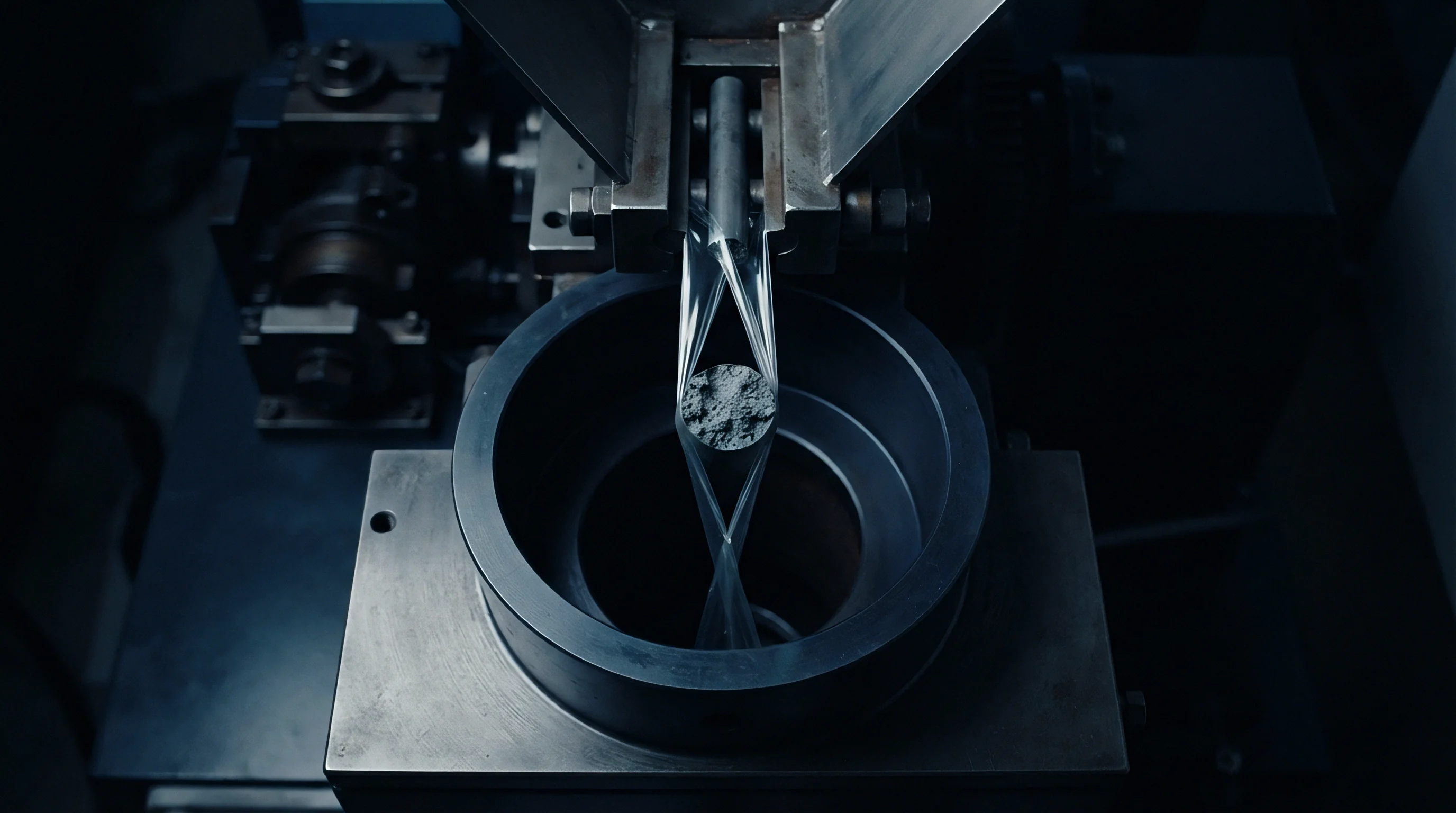
Testing facilities rely on coupled high performance liquid chromatography and gas chromatography with flame ionization detection to isolate hydrocarbon groups. The liquid phase separates saturated species from aromatic ring systems using a normal-phase silica column with n-hexane as the mobile solvent. Saturated compounds transfer directly through an on-column interface into the gas chromatograph, where non-polar capillary columns separate molecules by boiling point.
The solvent evaporation step demands precise thermal tuning. Volatile oligomers below C12 suffer evaporation losses when stripping solvent volumes above fifty microlitres.
Distinguishing synthesized polyolefin oligomers from petroleum-derived saturated oils requires secondary analytical mechanisms. Online epoxidation with meta-chloroperbenzoic acid removes olefinic interferences. Epoxidation leaves saturated species intact, meaning that saturated polyolefin oligomers pass straight into the detection window alongside petroleum saturated hydrocarbons.
Resolving the two species requires comprehensive two-dimensional gas chromatography with time-of-flight mass spectrometry. Two-dimensional separation reveals ordered boiling-point patterns and characteristic mass fragmentation profiles, separating the regular methyl-ethyl branching of olefin oligomers from the complex multi-alkylated cyclohexanes and cyclopentanes typical of mineral oil.
A contract clause specifying comprehensive two-dimensional gas chromatography prevents false positive mineral oil rejections on virgin barrier films.
Analytical quantification limits depend strictly on injection volume, baseline noise, and clean solvent blanks. Standard laboratories operate with a limit of quantification of 0.5 milligrams per kilogram for individual fractions in dry food contact simulants. In solid polyethylene matrix testing, complete polymer dissolution followed by cold-methanol precipitation establishes a limit of quantification of 1.0 milligram per kilogram.
Solvents introduce contamination blanks; n-hexane and dichloromethane carry traces of saturated lubricants from extraction apparatus valves. Laboratories must run procedural blanks every five injections to verify that background noise remains below 0.1 milligrams per kilogram.

Pre-Treatment Steps to Isolate Native Oligomers
Laboratories implement multi-stage clean-up workflows when handling virgin and recycled high density polyethylene webs to eliminate interfering polar lipids and masterbatch additives.
- Activated silica clean-up retains polar processing aids, synthetic fatty acids, and primary slip amides on an acidified stationary bed while non-polar fractions pass through.
- Aluminium oxide fractionation removes long-chain wax esters and polycyclic interferences under controlled solvent polarity gradients.
- Ethanolic saponification breaks down triglycerides, glycerol monostearate, and ester-based lubricants into polar soaps that precipitate out of the hydrocarbon solvent.
- Methanol dissolution precipitation dissolves the film specimen in boiling toluene, dropping high-molecular polyethylene chains out of solution upon rapid cooling to isolate soluble waxes.
Measurement uncertainty grows as analyte concentrations approach the detection floor. At 0.5 milligrams per kilogram, inter-laboratory reproducibility studies demonstrate relative standard deviations between thirty and forty-five percent. One laboratory reports a consignment as non-detectable below 0.5 milligrams per kilogram.
A second laboratory tests the identical reel and reports 0.8 milligrams per kilogram due to minor baseline integration differences. Both results are analytically valid within acceptable margins of analytical error. Whether the regulatory authority accepts that measurement spread as evidence of compliance remains unsettled during port disputes.
Vessel
Compliance verification for food contact materials occurs across sealed extraction containers using standardized fluid and solid food simulants under European Union testing regulations. Migration into dry foodstuffs relies on modified polyphenylene oxide, marketed under the trade name Tenax. High density polyethylene film consignments intended for ambient storage undergo Tenax exposure for ten days at forty degrees Celsius or ten days at sixty degrees Celsius to accelerate migration.
Saturated oligomers diffuse into the porous polyphenylene polymer bed. The laboratory extracts the sorbent with diethyl ether to quantify total migrated species.
Aqueous and alcoholic food simulants show negligible dissolution power toward non-polar polyolefin oligomers. Simulant A, consisting of ten percent ethanol, and Simulant B, containing three percent acetic acid, yield migration values below the 0.05 milligram per kilogram limit of detection across all standard contact conditions. Fatty food simulants drive intense diffusion of non-polar alkanes.
Vegetable oil, designated as Simulant D2, acts as a total sink for low molecular weight polymer fractions. Testing with vegetable oil complicates gas chromatography because triglycerides interfere directly with the hydrocarbon chromatogram. Laboratories rely on isooctane and ninety-five percent ethanol as substitute fatty simulants under standardized screening allowances.
| Food Simulant | Contact Condition | Typical POSH Value | Analytical Limit of Detection | Enforcement Limit Threshold |
|---|---|---|---|---|
| Tenax (MPPO) | 10 days at 40 °C | 0.2 mg/dm² | 0.01 mg/dm² | 0.5 mg/kg food |
| 95% Ethanol | 10 days at 60 °C | 1.8 mg/dm² | 0.05 mg/dm² | 2.0 mg/kg food |
| Isooctane | 2 days at 20 °C | 3.4 mg/dm² | 0.05 mg/dm² | Screening only |
| 3% Acetic Acid | 10 days at 40 °C | <0.01 mg/dm² | 0.01 mg/dm² | 0.05 mg/kg food |
Film thickness dictates migration kinetics over operational storage lifespans. Thin webs measuring fifteen micrometres release their volatile hydrocarbon fraction rapidly because the diffusion distance to the contact interface remains short. Thick liners measuring eighty micrometres exhibit prolonged, sustained release of oligomers between C16 and C28.
The total migration volume correlates with polymer crystallinity; lower-density fractions within the high density resin envelope carry higher amorphous fractions that facilitate chain migration. Solid-state barrier properties decline when converters blend linear low density polyethylene into the skin layers to improve heat-seal initiation temperatures.
Thinner films exhaust their volatile oligomers rapidly while thicker liners maintain steady migration over months of contact.
European Regulation 10/2011 establishes an overall migration limit of ten milligrams per square decimetre of food contact surface or sixty milligrams per kilogram of food simulant. Saturated polyolefin oligomers count toward the overall migration total alongside slip agents and degradation byproducts. Article 19 mandates that non-intentionally added substances remain within toxicological exposure thresholds evaluated under recognized risk assessment principles.
When a consignment declaration cites Article 18 without providing test records in fatty simulants, the importer assumes direct liability for undocumented oligomer transfer into packaged foodstuffs.


Dossier
Import compliance demands that documentation matches the specific resin batch loaded into the shipping container. Declarations of conformity routinely state compliance with framework food contact regulations while omitting the underlying analytical migration data. An auditor examining the file reviews the resin producer’s base polymer certificates, the masterbatch formulation sheets, and the converter’s extrusion logs.
Gaps in the chemical declaration chain expose the packaging distributor to customs seizure. Declarations must explicitly identify whether the reported saturated hydrocarbons represent petroleum mineral oils or native polyolefin oligomers.
Traceability breaks down when converters purchase uncertified toll compounds or generic process regrind. Virgin high density polyethylene resins supply clean gas chromatographic baselines characterized by regular ethylene oligomer spacing. The introduction of industrial recycled content introduces unrefined lubricating oils, print-carrier solvents, and washing detergents containing branched saturated hydrocarbons.
These foreign hydrocarbons disrupt the predictable oligomeric fingerprint. The laboratory cannot classify the resulting chromatographic hump as benign polyolefin oligomers. The entire fraction receives a presumptive mineral oil classification under retail brand purchasing policies.
A resin supplier certificate covers only the unextruded pellet and leaves converter oxidation products completely unaccounted for.
Converting operations generate oxidized oligomers during blown film processing. Molten polyethylene entering an extruder die at temperatures exceeding two hundred and twenty degrees Celsius undergoes thermal degradation. Atmospheric oxygen cleaves polymer chains, generating cyclic saturated alkanes, unsaturated ketones, and branched aliphatic acids.
These process-derived substances elute within the saturated hydrocarbon window, increasing the integrated area by twenty to fifty percent relative to the raw resin pellet. The test report on the virgin resin pellet cannot defend the finished film consignment at customs.
Required Elements in Film Conformity Packages
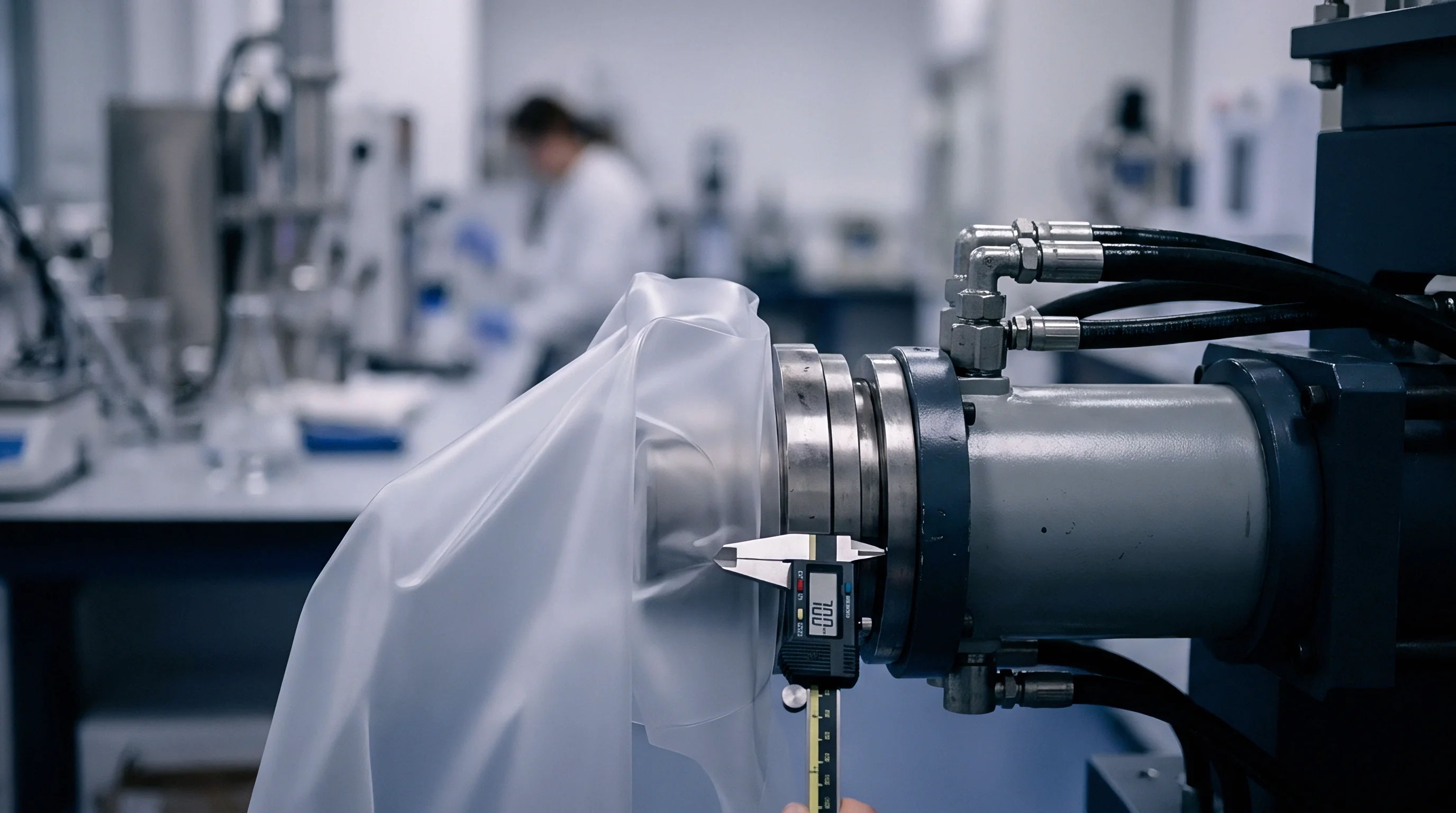
A complete conformity file contains unambiguous technical verification across every conversion phase from raw pellet to finished roll stock.
- Declaration of compliance detailing identity of the manufacturer, exact resin trade names, and target food contact application scopes.
- Dual-use additive schedule stating all food additives and flavourings subject to restrictions under European regulations.
- Fractionated migration report presenting liquid-gas chromatography data with baseline separation of saturated and aromatic hydrocarbons.
- Non-intentionally added substance risk evaluation quantifying low molecular weight oligomers against European Food Safety Authority toxicological thresholds.
A converter defending a disputed consignment typically states that the laboratory detected nothing more than standard polymer wax typical of normal polyolefin production lines.

Detention
Customs officials hold container loads when port health authorities flag documentation deficiencies or unexpected hydrocarbon traces in random border samples. A refrigerated ocean freight container of high density polyethylene barrier film incurs demurrage charges accumulating between one hundred and two hundred and fifty dollars per day while seated at a port terminal. If border testing reports mineral oil saturated hydrocarbons above national retail intervention limits, the consignment enters quarantine.
The cargo owner cannot transfer the material to bonded storage without posting formal indemnification bonds.
Dispute resolution requires secondary testing at an accredited commercial laboratory using multidimensional analytical instruments. Commissioning a full two-dimensional gas chromatography characterization with coupled mass spectrometry costs between one thousand two hundred and two thousand dollars per sample. Specialized testing requires two to four weeks.
During that testing interval, storage charges mount against the bill of lading. If the consignment consists of twenty metric tons of barrier film valued at forty thousand dollars, four weeks of storage and secondary testing consumes thirty to fifty percent of the commercial margin on the transaction.
Secondary verification occasionally fails to clear the goods. When testing confirms that the hydrocarbon hump includes post-consumer recycled process oils or machinery lubricating grease from worn extruder bearings, authorities reject the lot. Port authorities issue a formal notification through the Rapid Alert System for Food and Feed.
The importer must destroy the cargo under customs supervision or pay return freight to the country of origin. Transporting a rejected forty-foot container across intercontinental shipping routes costs between three thousand and six thousand dollars in direct ocean freight. Destruction fees in port incineration facilities add two hundred to four hundred dollars per metric ton.
The financial loss extends downstream into contractual damages with commercial packaging end-users. Converting plants operate on lean manufacturing schedules with safety stock levels limited to two or three weeks of production demand. A detained consignment halts packaging lines for food producers, triggering contractual non-performance penalties.
Supply agreements routinely pass delayed delivery liabilities and secondary downtime expenses directly back to the importer of record. Clear initial analytical verification remains less expensive than clearing a single quarantined container through administrative customs courts.
Failure to establish rigorous baseline testing leaves the importer holding total financial exposure for border rejections, terminal demurrage fees, and downstream manufacturing disruption costs.