
Cramer Decision Tree Toxicological Threshold Assignments for Post Consumer Polyolefins
Post-consumer polyolefin NIAS default to Cramer Class III at 15 ppb unless exact molecular identification proves Class I or non-genotoxic status.
Post-consumer polyolefin NIAS default to Cramer Class III at 15 ppb unless exact molecular identification proves Class I or non-genotoxic status.

Recycled polyolefin screening couples non-targeted GC and LC mass spectrometry with TTC toxicological limits to clear unknown migrants for food packaging.

Radiocarbon dating cannot verify chemically recycled fossil polyethylene because post-consumer fossil plastic contains zero carbon-14.

Exemption from European plastic packaging taxes requires third-party accredited EN 15343 chain-of-custody records linking batch resins to post-consumer waste.

Machine learning response factor calibration converts uncalibrated non-target mass spectrometry peaks into defensible migration values for compliance screening.

Electrospray ionization efficiency modeling converts untargeted peak areas into verified migrant concentrations, preventing false food-contact compliance filings.

Dynamic post-column infusion calibrates electrospray matrix suppression distributions, aligning extractable quantification across divergent laboratory platforms.

Quantifying relative response factor variance requires applying statistical correction multipliers to prevent underreporting non-target packaging extractables.

Relative response factor multipliers scale semi-quantitative screening peaks upward, preventing false compliance claims on unidentified plastic migrants.

Non-targeted screening uses high-resolution mass spectrometry and toxicological thresholds to isolate and clear unknown migrants in food-contact polymers.

Polyolefin migration compliance demands simulant-specific exposure verification and mass-spectrometric screening for unlisted oligomeric hydrocarbons.

Semi-quantifying unidentified migrants requires applying empirical detector uncertainty factors to surrogate peak areas to prevent false-negative safety files.

Non-target screening by high-resolution mass spectrometry identifies and triages polymer degradation NIAS against the ten ppb food migration threshold.

Polyolefin stabilizer thermal degradation kinetics generate volatile non-intentionally added cleavage products that invalidate virgin resin compliance declarations.

Analytical screening thresholds require adjustment for packaging surface-to-volume ratios, extraction concentration, and ionization response variations.

Specific migration limits restrict migrant transfer from plastics into food, verified via standardized simulants, time-temperature windows, and area ratios.

Verify food contact compliance by aligning accredited migration data, batch traceability, and full component declarations before cargo arrival.

Differentiating photoinitiator isomers in recyclate requires high-resolution CID fragmentation thresholds and chromatography, preventing regulatory rejections.

Mass spectrometry quantification of photoinitiators in recyclate requires matrix-matched LC-MS/MS and GC-MS to verify migration limits under EU 10/2011.

Non-linear kinetic swelling in recycled polyolefins invalidates standard migration models, requiring empirical swelling corrections to prevent compliance failures.

High-resolution mass spectrometry and GC×GC-ToF-MS resolve POSH from MOSH humps, preventing false petroleum rejections through diagnostic fragment and biomarker analysis.

Polyolefin melt stripping caps photoinitiator removal near 50%, leaving unlisted residues that routinely exceed the 10 ppb migration limit in fatty foods.
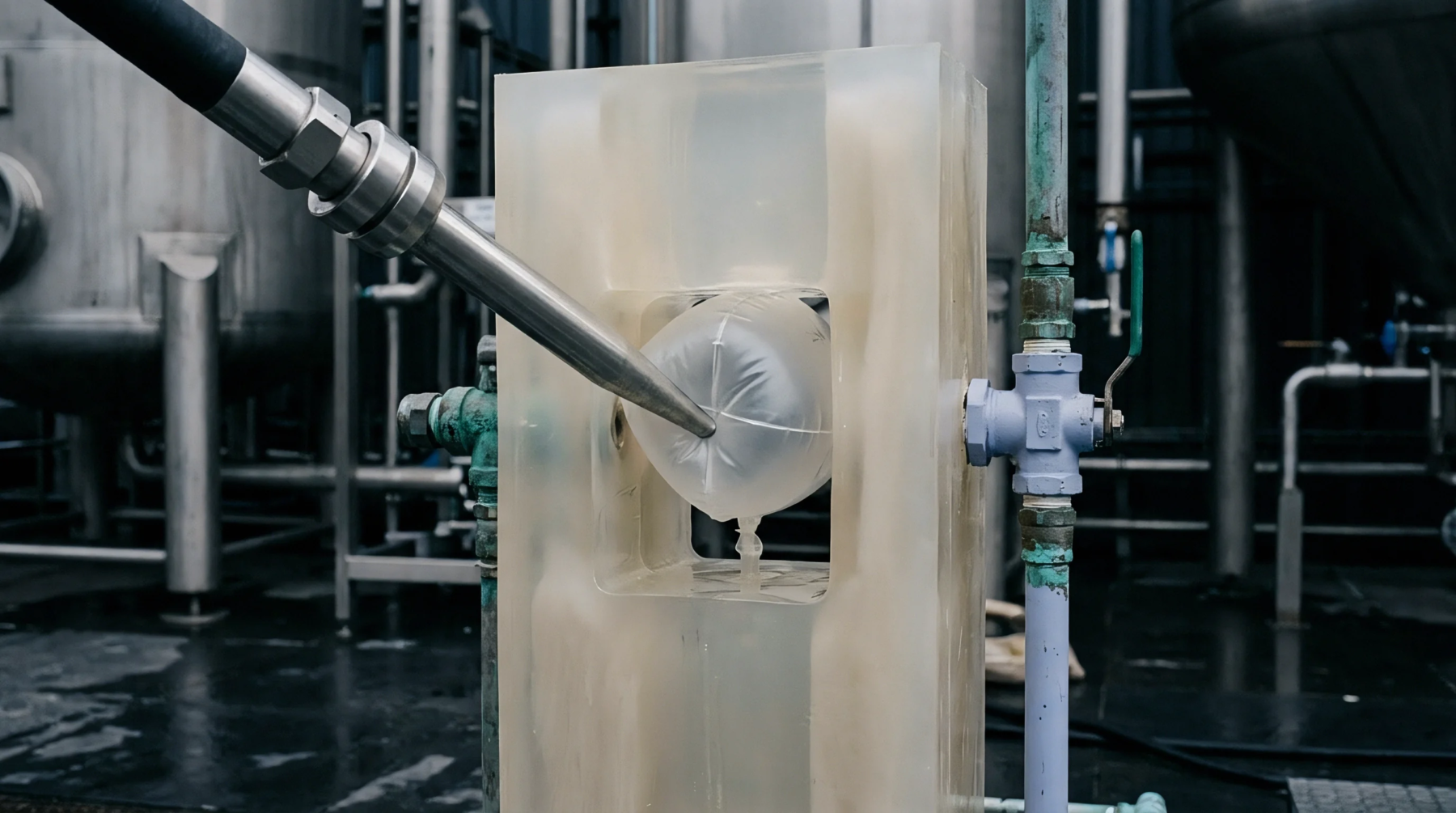
High-resolution mass spectrometry elucidates migrating cyclic adhesive oligomers in recycled laminates to verify structural safety against toxicological limits.
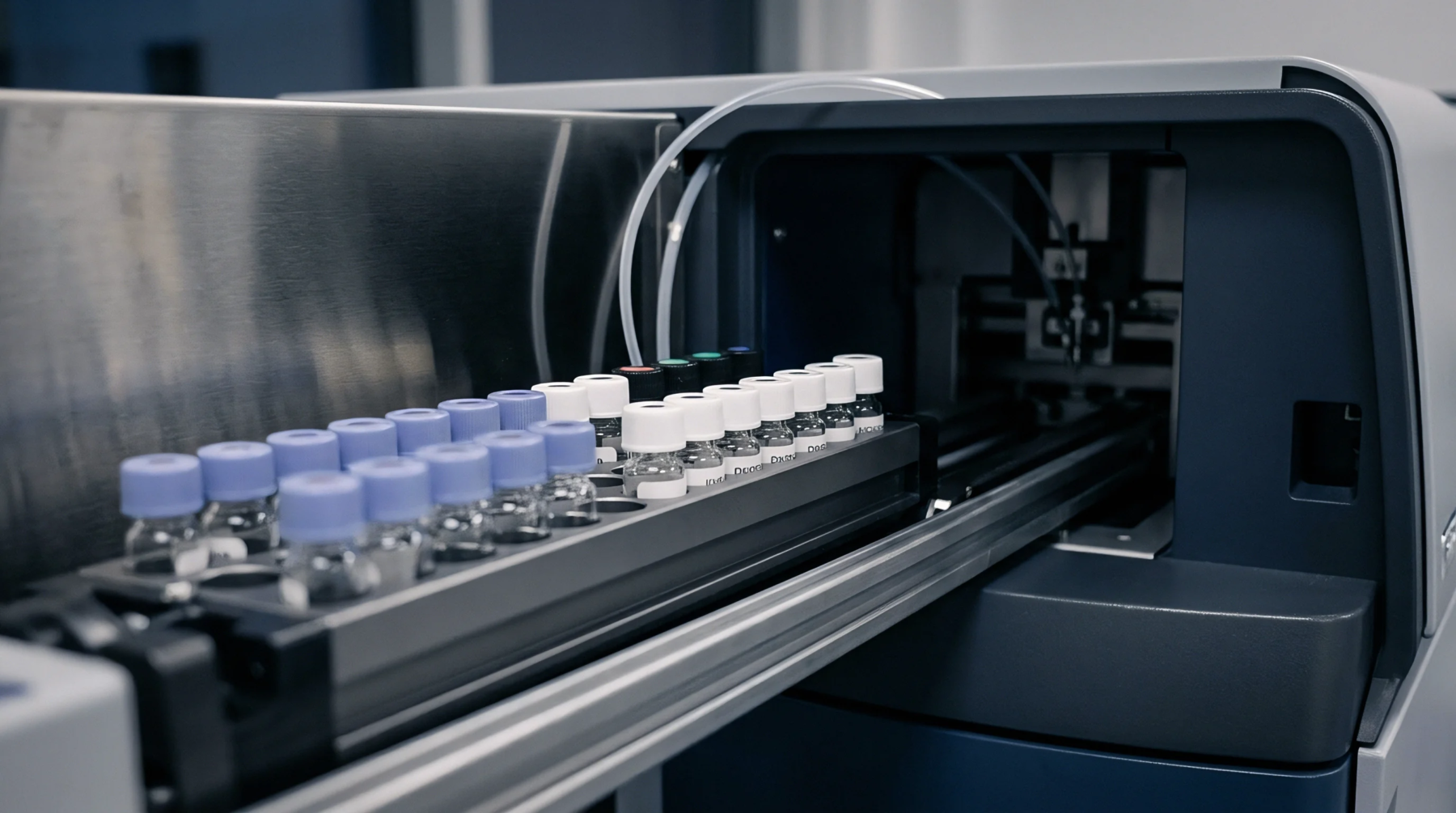
Deriving an analytical evaluation threshold converts toxicological intake limits into chromatographic screening baselines using actual container contact ratios.

Third-party regulatory escrow audits unredacted polymer formulations to verify migration compliance while shielding proprietary masterbatch recipes.

Converters must secure precise masterbatch additive identities, specific limits, and dual-use statuses to verify food contact migration compliance legally.
Expertise is a utility, not a secret. sentiention™ publishes its working knowledge as open reference: intelligence layer covering the materials it sources, the markets it enters, and the reference that serves both.