Meaning
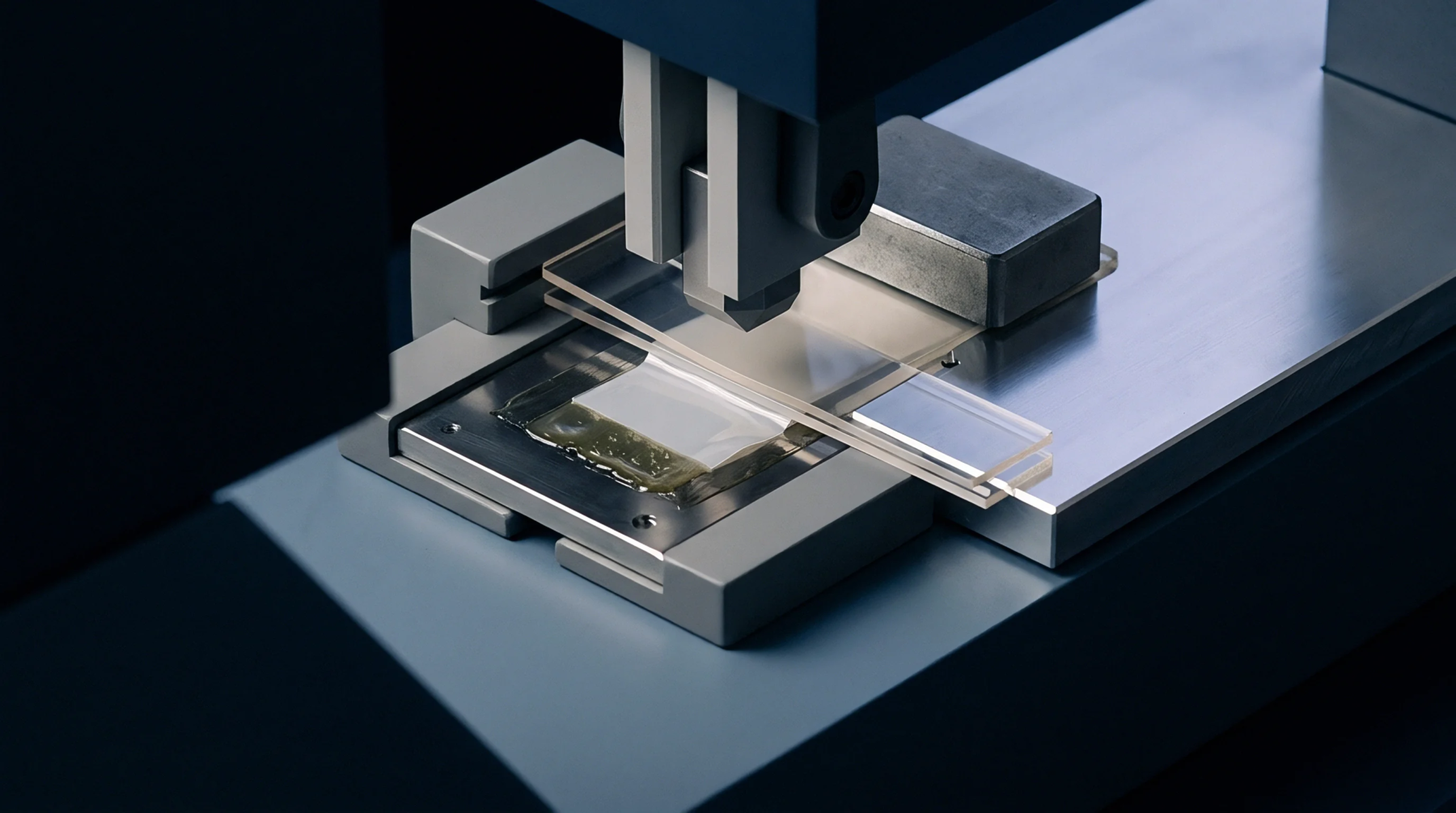
Advanced mass spectrometry instrumentation coupled to separation columns provides analytical resolution for polymer sourcing investigations. Liquid chromatography orbitrap technology separates complex additive packages from base polymer matrices before trapping ions within an electrostatic field for accurate mass measurement. Polymer chemists apply this configuration to trace migrating slip agents, residual plasticizers, and low molecular weight oligomers inside polyolefin pellets prior to processing.
Measurements govern the precise identification of chemical additives added during compounding to prevent unwanted plate out on injection moulding cavity surfaces. Performance ceases to apply when molecular weights exceed upper mass limits or when highly volatile compounds fail chromatographic retention.
Polymer Sourcing
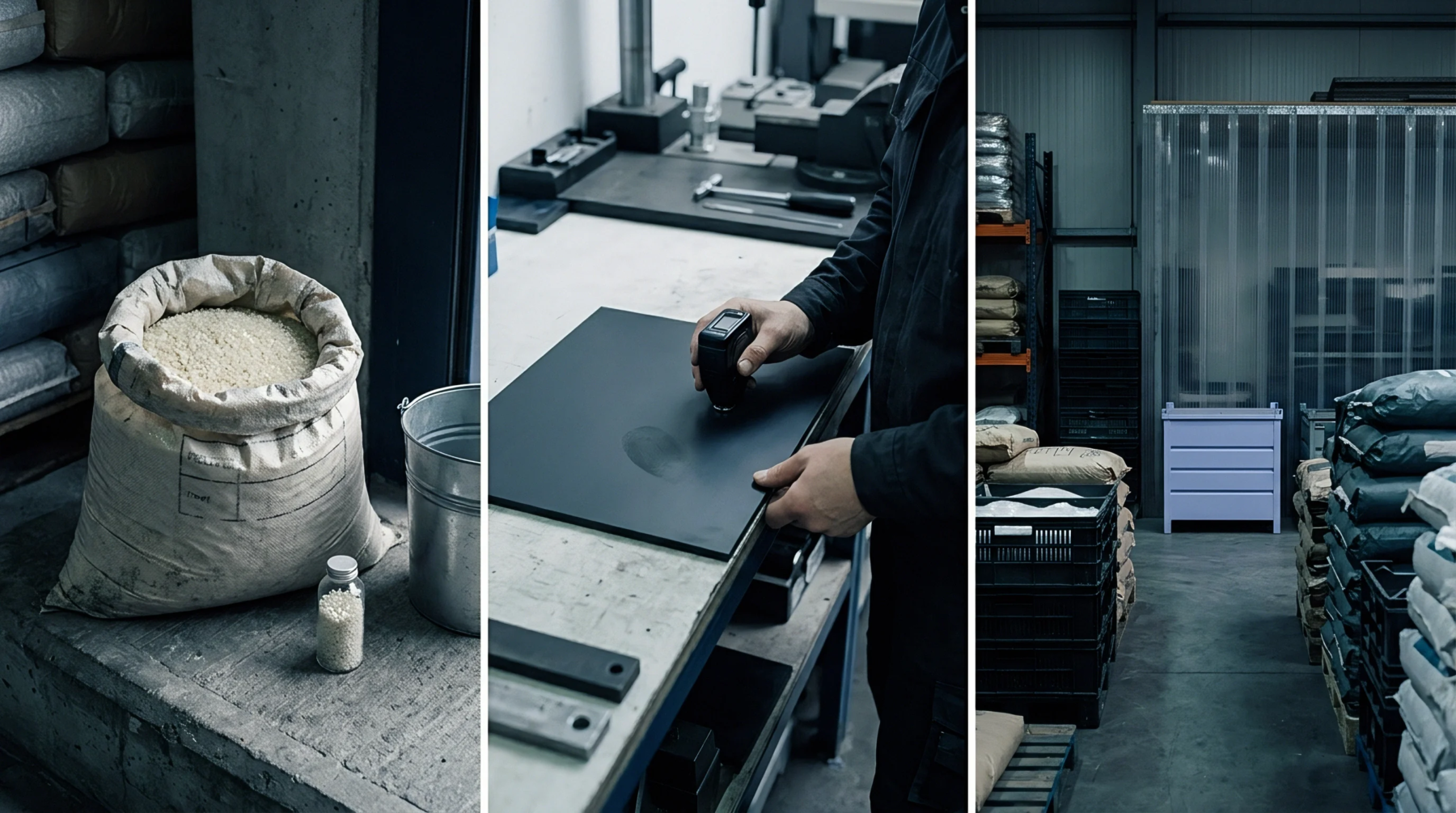
Virgin resin batches require strict verification against supplier certificates of analysis to prevent processing failures in high precision automotive tooling. Raw material suppliers deliver certificates declaring specific antioxidant loadings that must match independent laboratory findings. Regrind streams introduce unknown degradation products alongside leftover stabilizers from previous thermal cycles.
Feedstock variability alters melt flow behavior inside the plasticising barrel and causes inconsistent part dimensions during high speed moulding runs. Extrusion lines running recycled acrylonitrile butadiene styrene frequently experience localized gel formation because crosslinked polymer fractions escape standard screening filters. Analytical separation methods resolve these hidden contaminants by isolating degradation peaks from virgin polymer backbones.
Processing Variable
Melt temperature profiles set across the barrel zones determine whether additive molecules degrade before entering the mould cavity. Excessive thermal exposure breaks down phosphite processing stabilizers and creates reactive fragments that attack tooling steel. Tooling designers specify specific surface finishes on core blocks to prevent adhesive wear caused by low melting point lubricants bleeding out of the resin matrix during injection phases.
Cavity pressure decay curves shift noticeably when excessive processing heat alters the molecular weight distribution of the base polymer. Production engineers monitor these pressure variations to adjust clamp tonnage and injection speed before short shots occur.
Moulding Defect
Part warping and surface delamination appear on finished housings when internal stress gradients develop during rapid cooling cycles. Injection pressures must remain uniform across every cavity of a multi-drop hot runner system to prevent localized density variations in thick walled structural components. Datasheet values for tensile strength rarely match the actual performance of a moulded article because shear forces orient polymer chains preferentially along flow lines.
Part specifications mandate a maximum allowable shrinkage percentage, yet a moulder can only hold this tolerance by maintaining stable mould wall temperatures throughout continuous production runs. Thermal expansion coefficients dictate that dimensional accuracy relies entirely on cooling water flow rates through the mould cooling channels.