Meaning
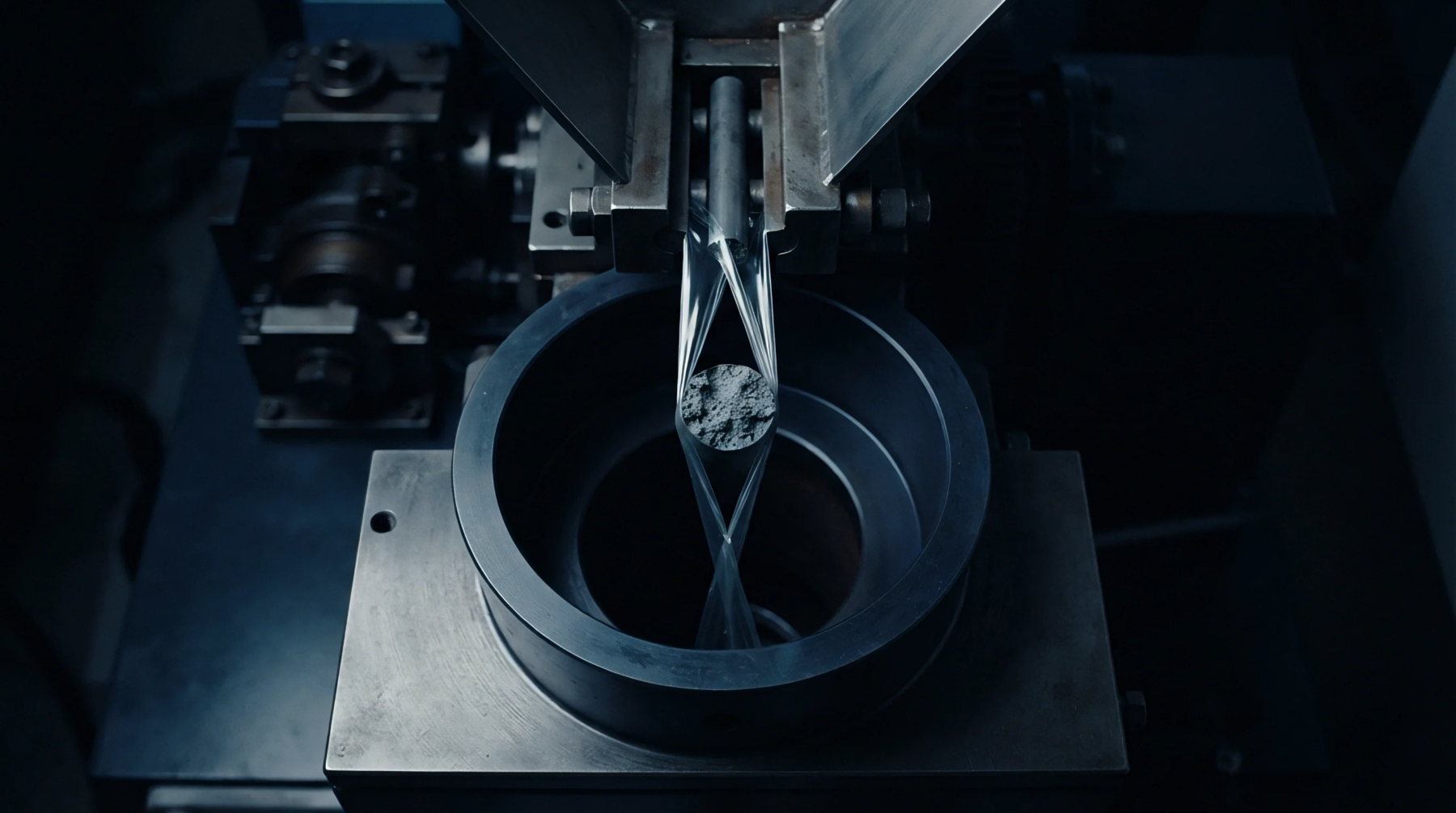
European food contact legislation regulation eu 10 2011 sets migration limits for plastic materials intended to come into contact with foodstuffs. Polymer converters operating injection moulding machines or extrusion lines must comply with chemical transfer thresholds for substances migrating from the moulded part into food simulants. Jurisdictional boundaries apply strictly to food packaging applications within the European Union leaving industrial parts and medical devices outside its scope.
Migration Limit
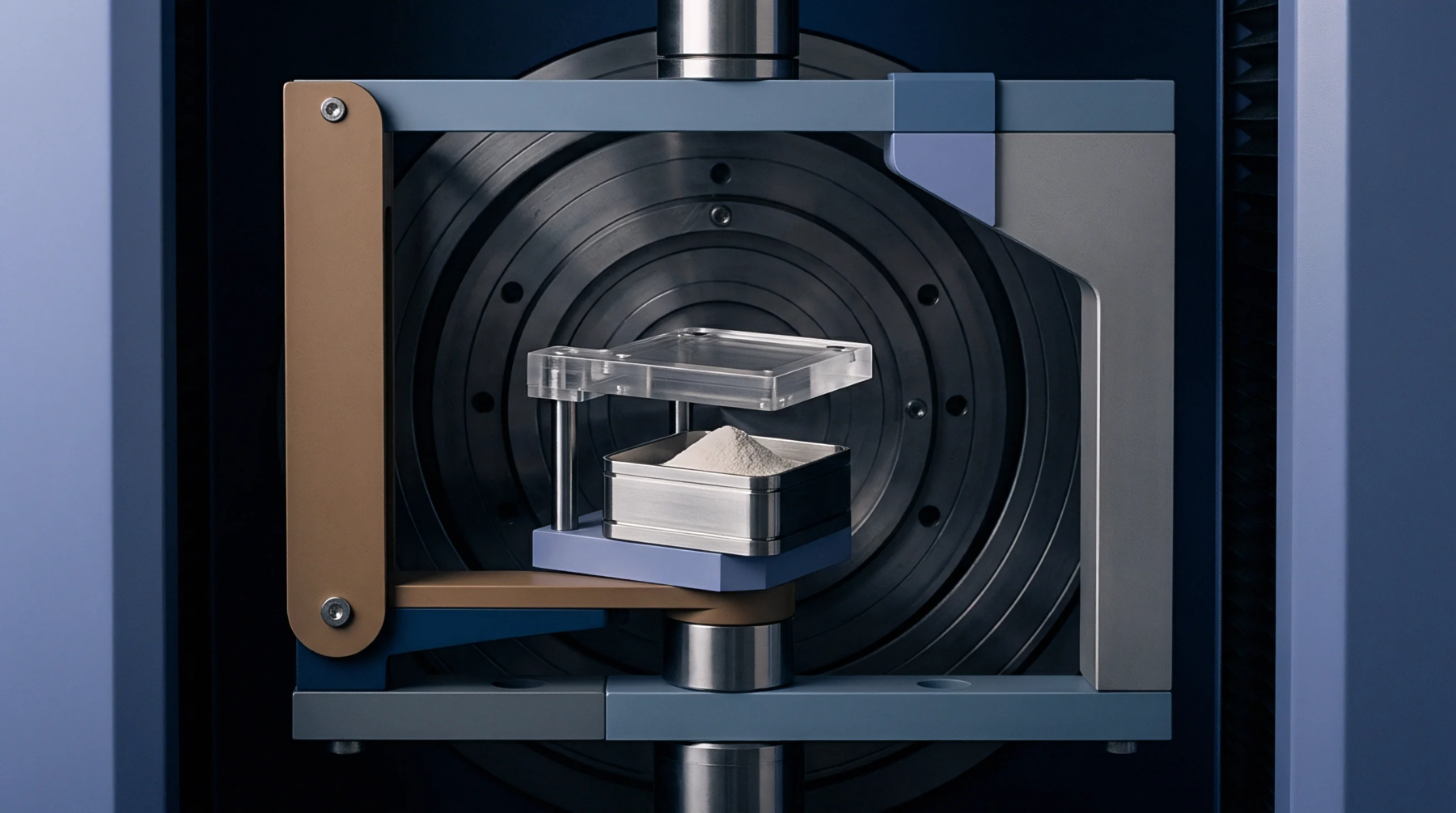
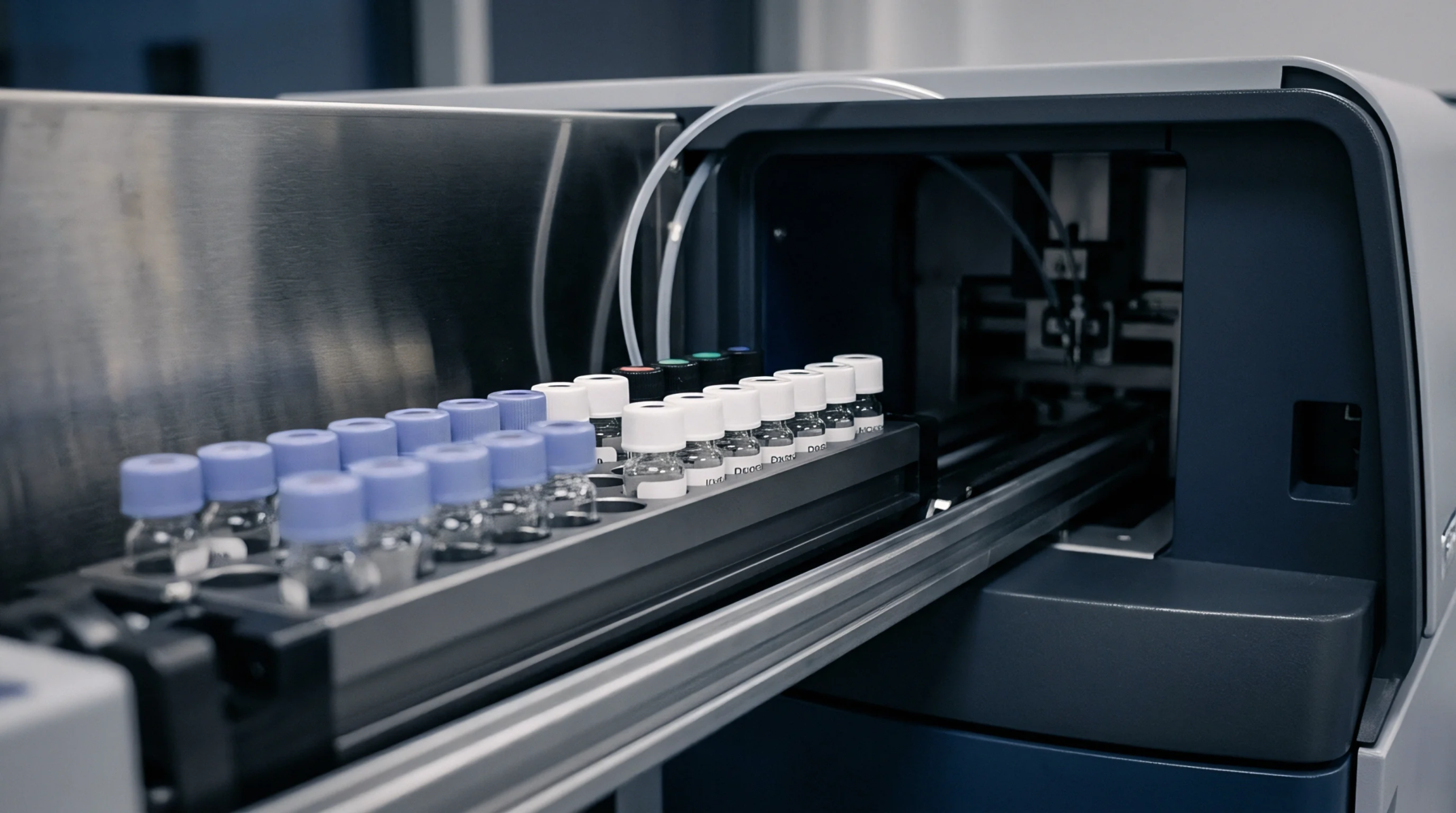
Chemical transfer calculations for regulation eu 10 2011 govern specific migration testing where a moulded article sits in contact with a liquid simulant under defined time and temperature profiles. Processing parameters set on the barrel heaters and hot runner tips influence polymer chain orientation and residual monomer content which directly alter analytical results in migration cells. High barrel temperatures degrade additives, whereas insufficient cooling time locks in volatile fractions that elevate migration values above the legal threshold during laboratory extraction.
Virgin Economy
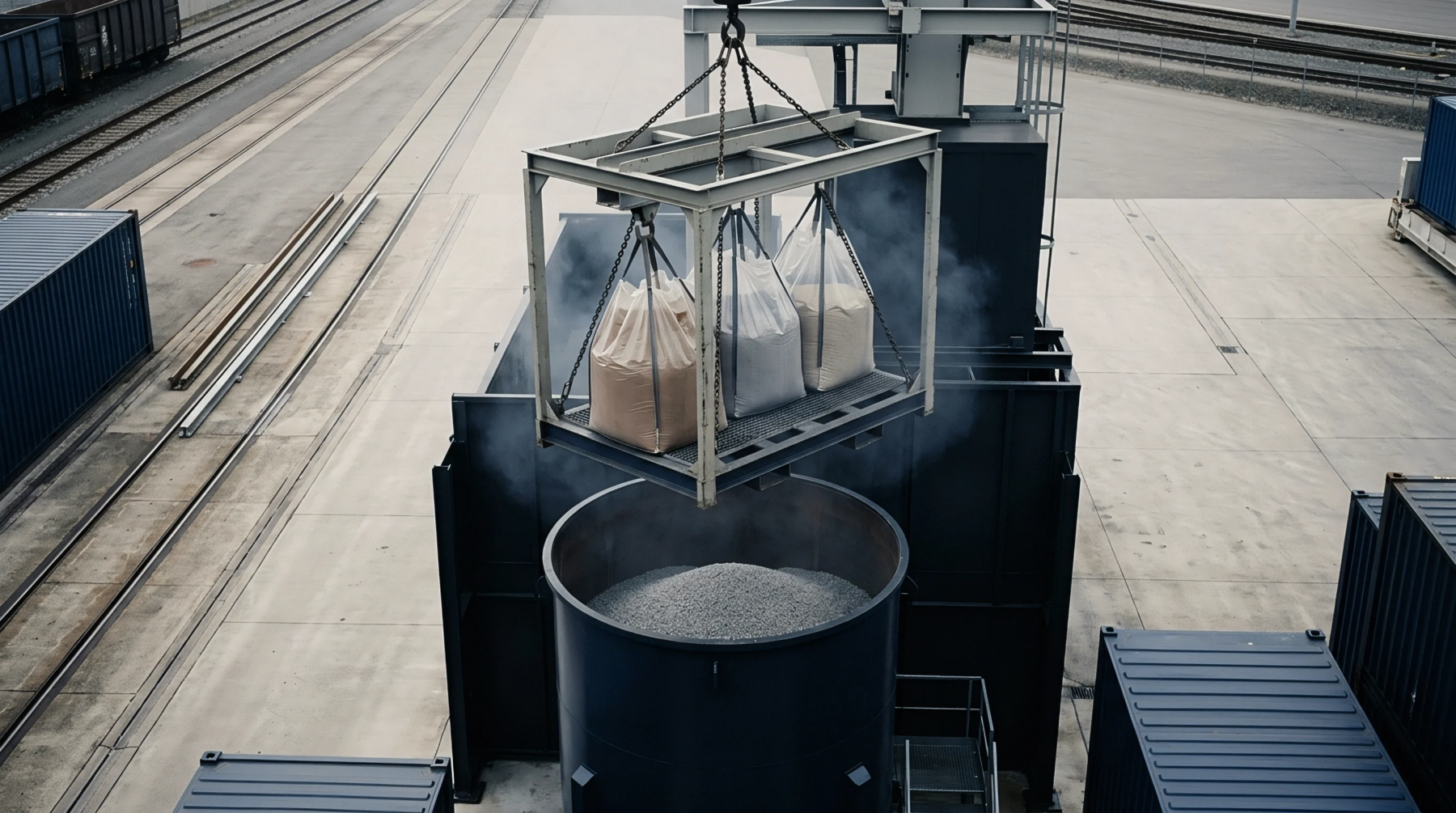
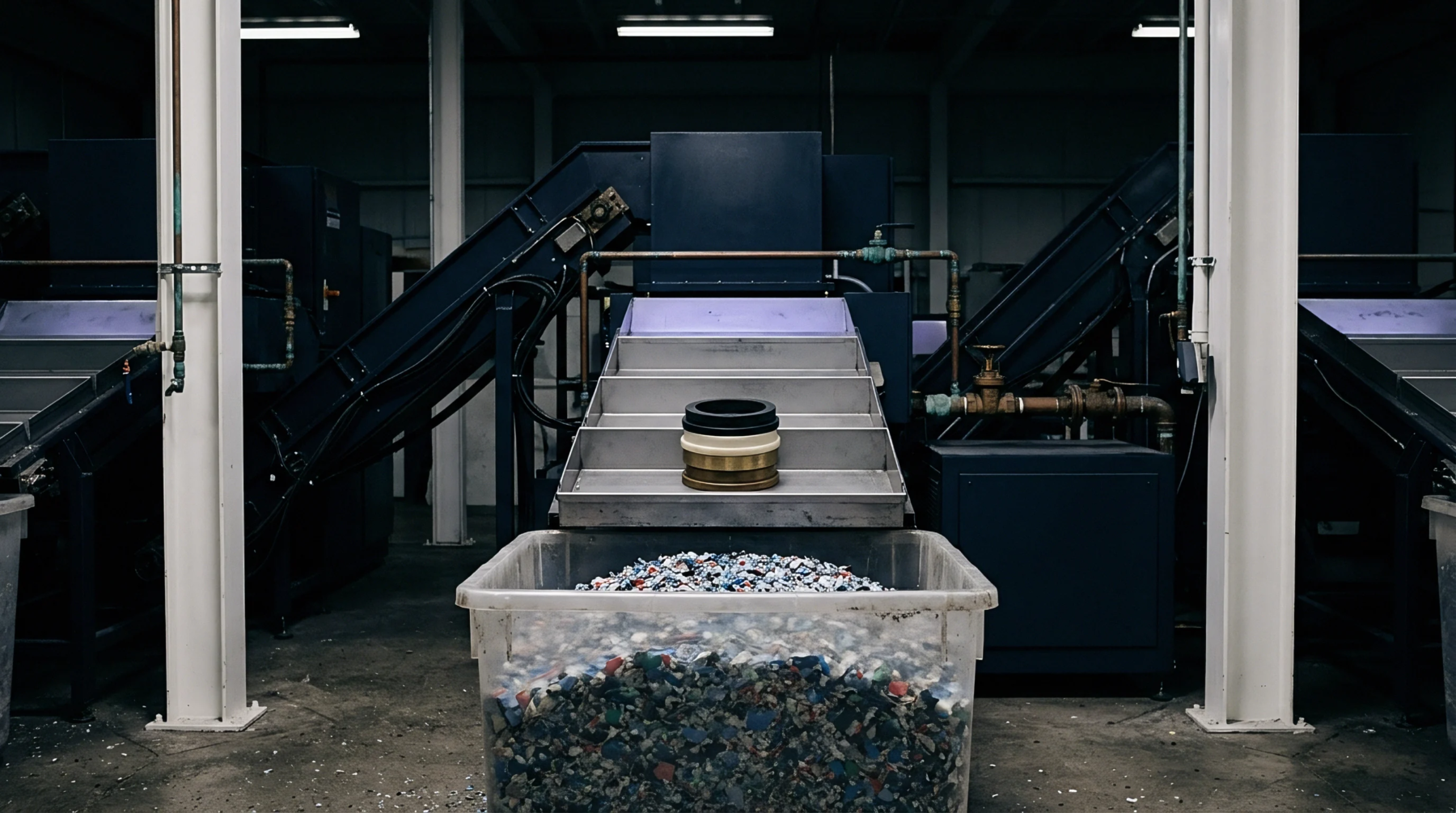
Material specification compliance under regulation eu 10 2011 distinguishes virgin polymer grades carrying supplier declarations of compliance from post consumer regrind sources possessing variable contaminant profiles. Extrusion and moulding operations running regrind material face severe economic penalties when unknown secondary additives violate overall migration limits and force scrap sorting procedures across the entire production lot. Datasheet values provided by resin manufacturers apply strictly to test plaques produced under ideal laboratory conditions and rarely match the crystallinity achieved on a shop floor mould.
Thermal Drift
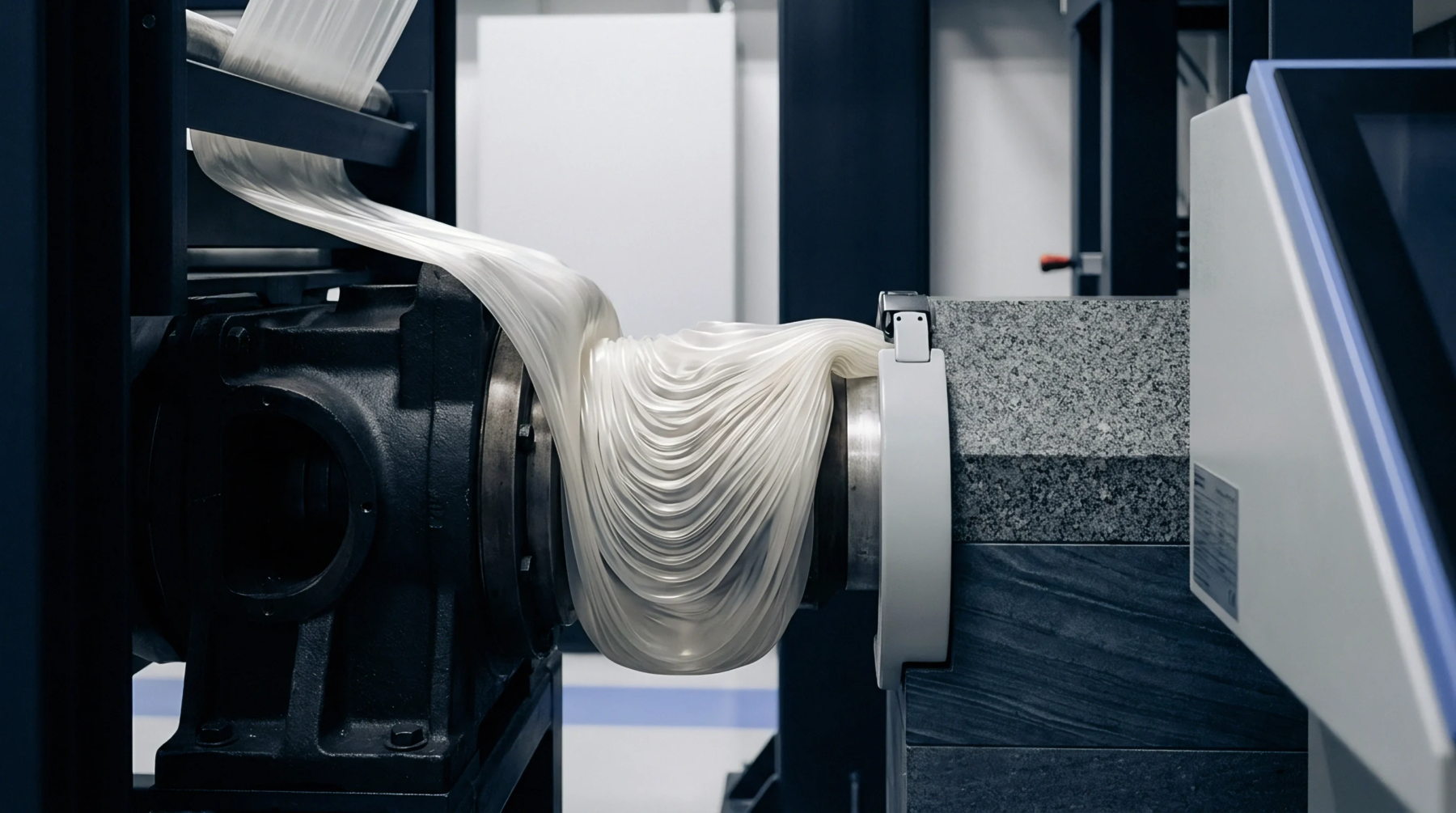
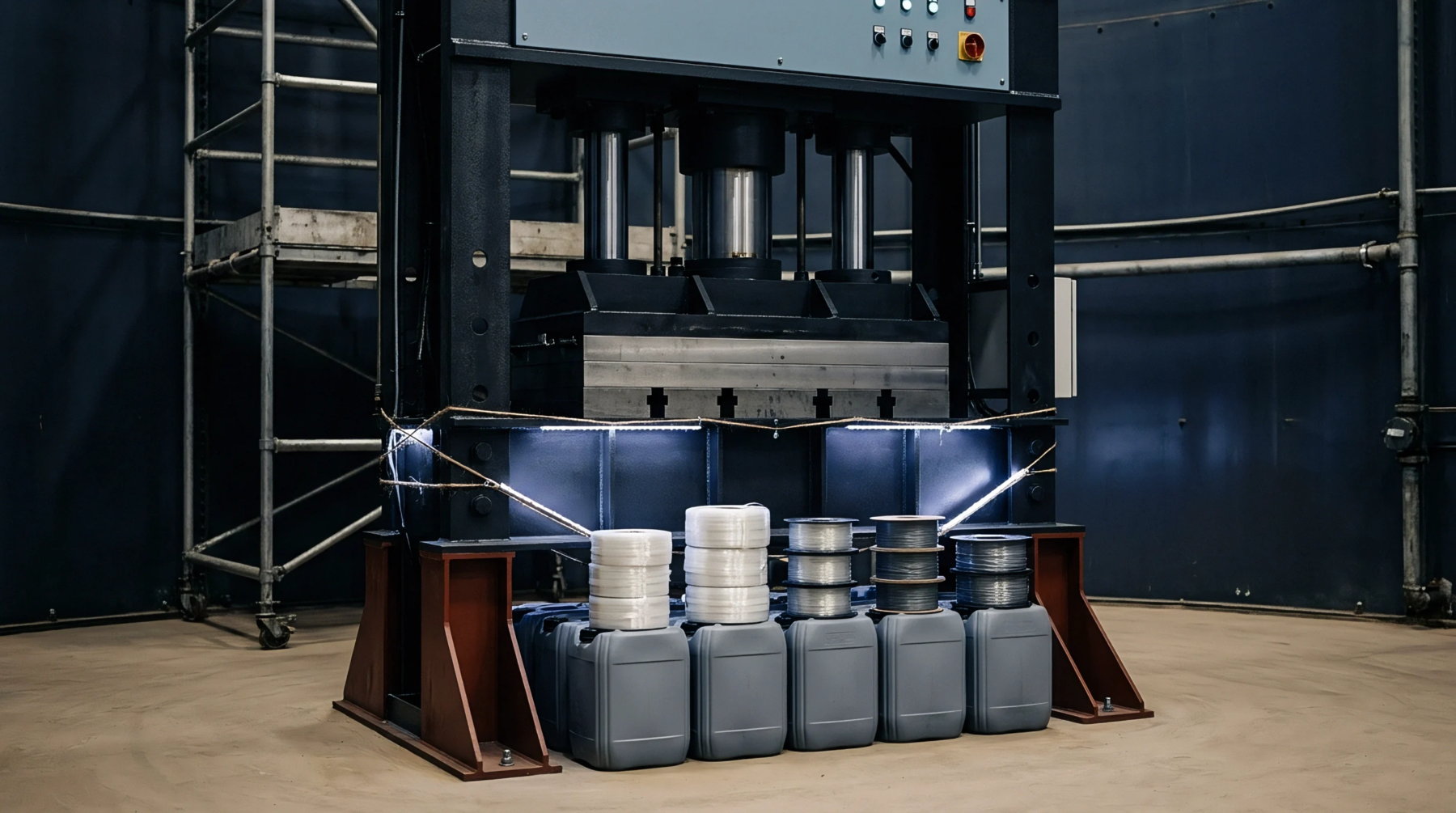
Process variable fluctuations inside the barrel create moulded parts that fail migration testing despite compliant raw resin entering the machine throat. Pressure spikes during the packing phase alter part density and create microscopic voids that accelerate chemical leaching during food simulant exposure. Consistent tonnage and melt temperature control prevent the internal stress gradients that cause premature failure against compliance standards.