
Resolving Saturated Polyolefin Hydrocarbon Oligomer Interference in Mineral Oil Migration Dossiers
Polyolefin oligomer co-elution requires epoxidation clean-up and GCxGC deconvolution to prevent false mineral oil failures in migration dossiers.
Polyolefin oligomer co-elution requires epoxidation clean-up and GCxGC deconvolution to prevent false mineral oil failures in migration dossiers.

Preparative TREF combined with high-temperature SEC isolates and quantifies migrating sub-1000 Da polyolefin oligomers to verify food contact safety compliance.

Polyolefin migration compliance requires batch-specific testing for low molecular weight hydrocarbons using accredited simulants, exact temperatures, and GC-MS.
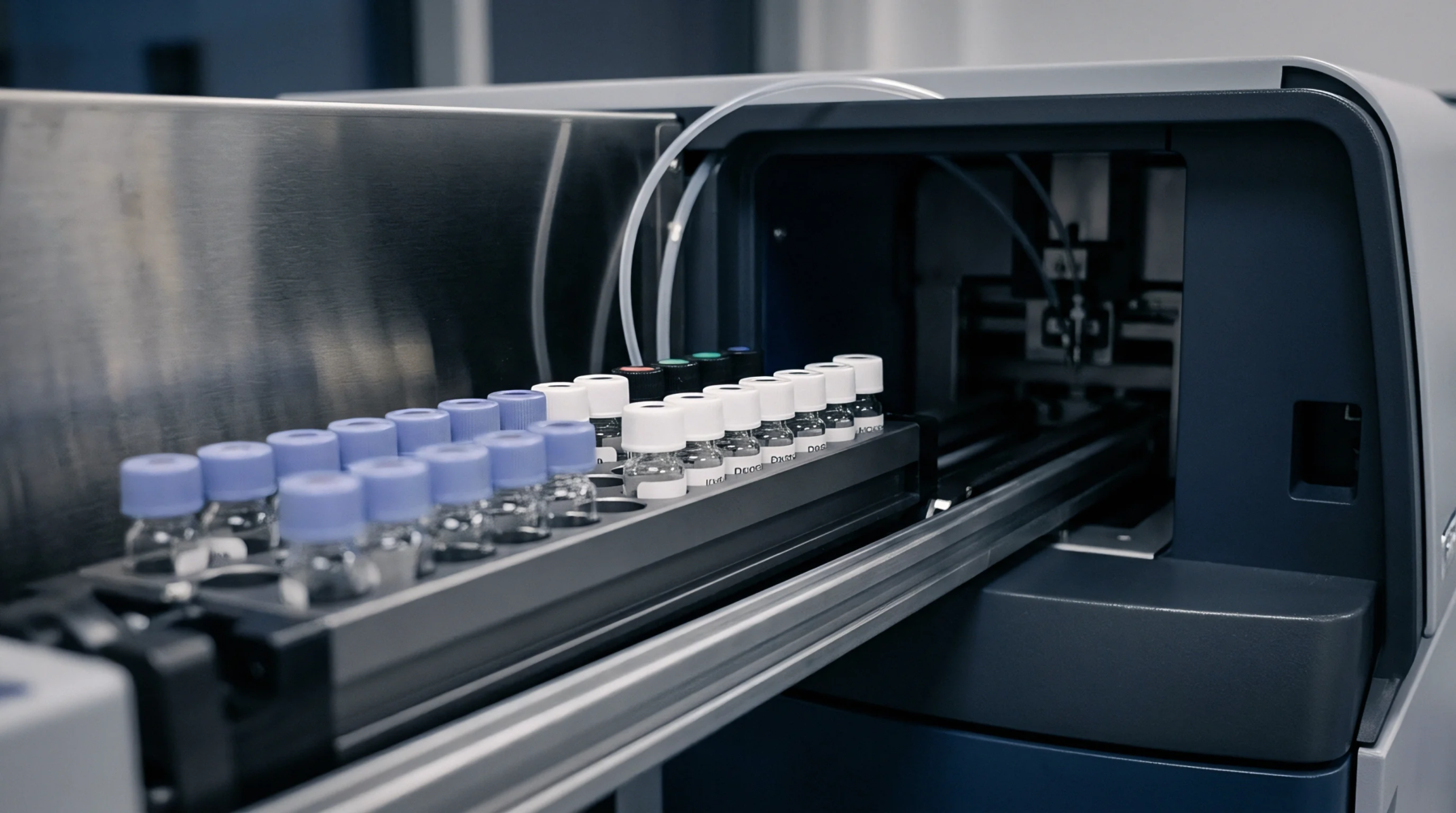
Dynamic matrix correction recalibrates uncharacterized polyolefin migrant peak areas against co-extracted simulant lipids to prevent underreporting migration limits.
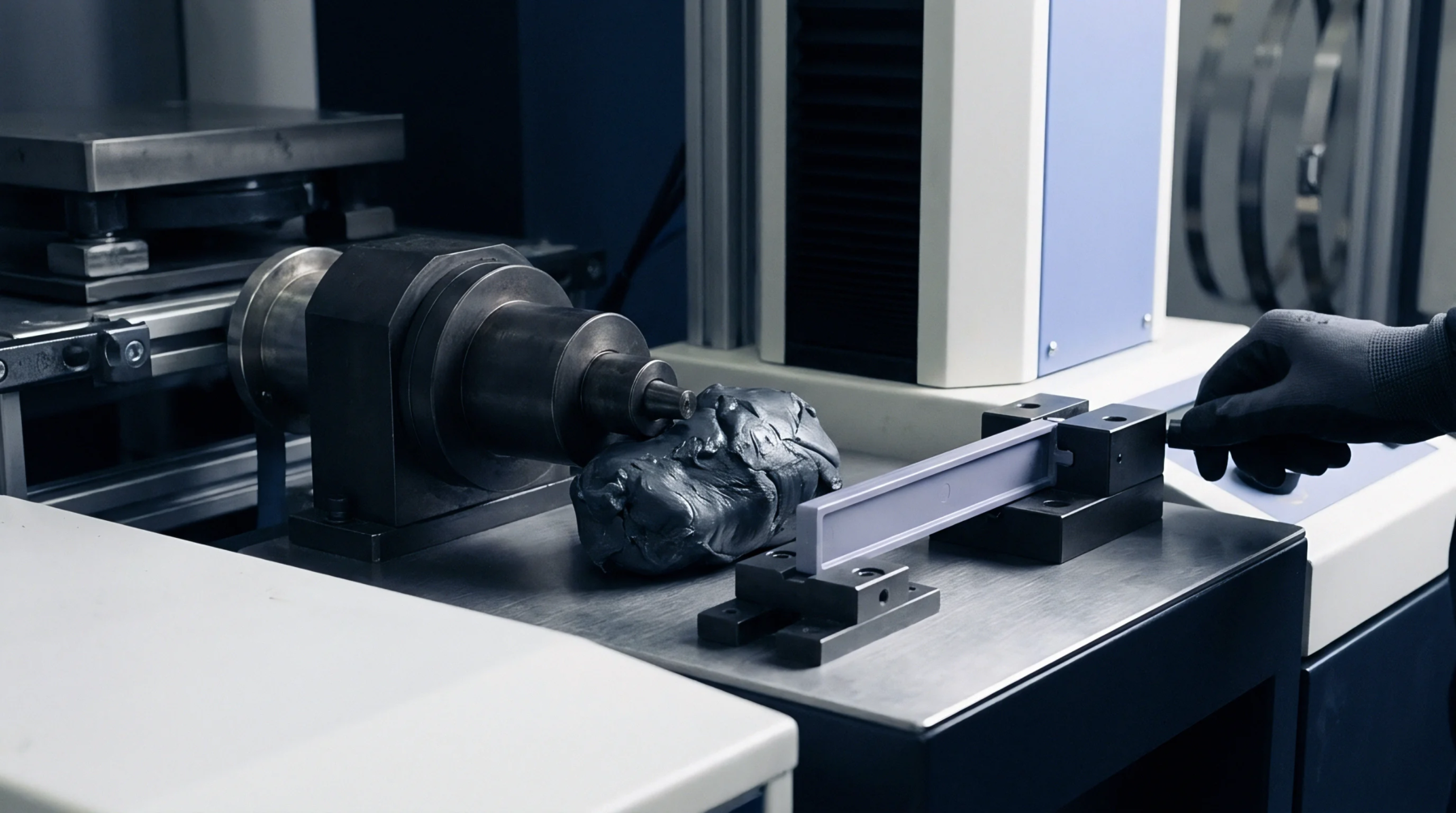
Polyolefin migration compliance requires selecting food simulants based on polarity and fat content while accounting for matrix swelling and thermal limits.

Finite difference diffusion modeling provides legally accepted migration estimates for polyolefin oligomers when parameterized with conservative barrier coefficients.
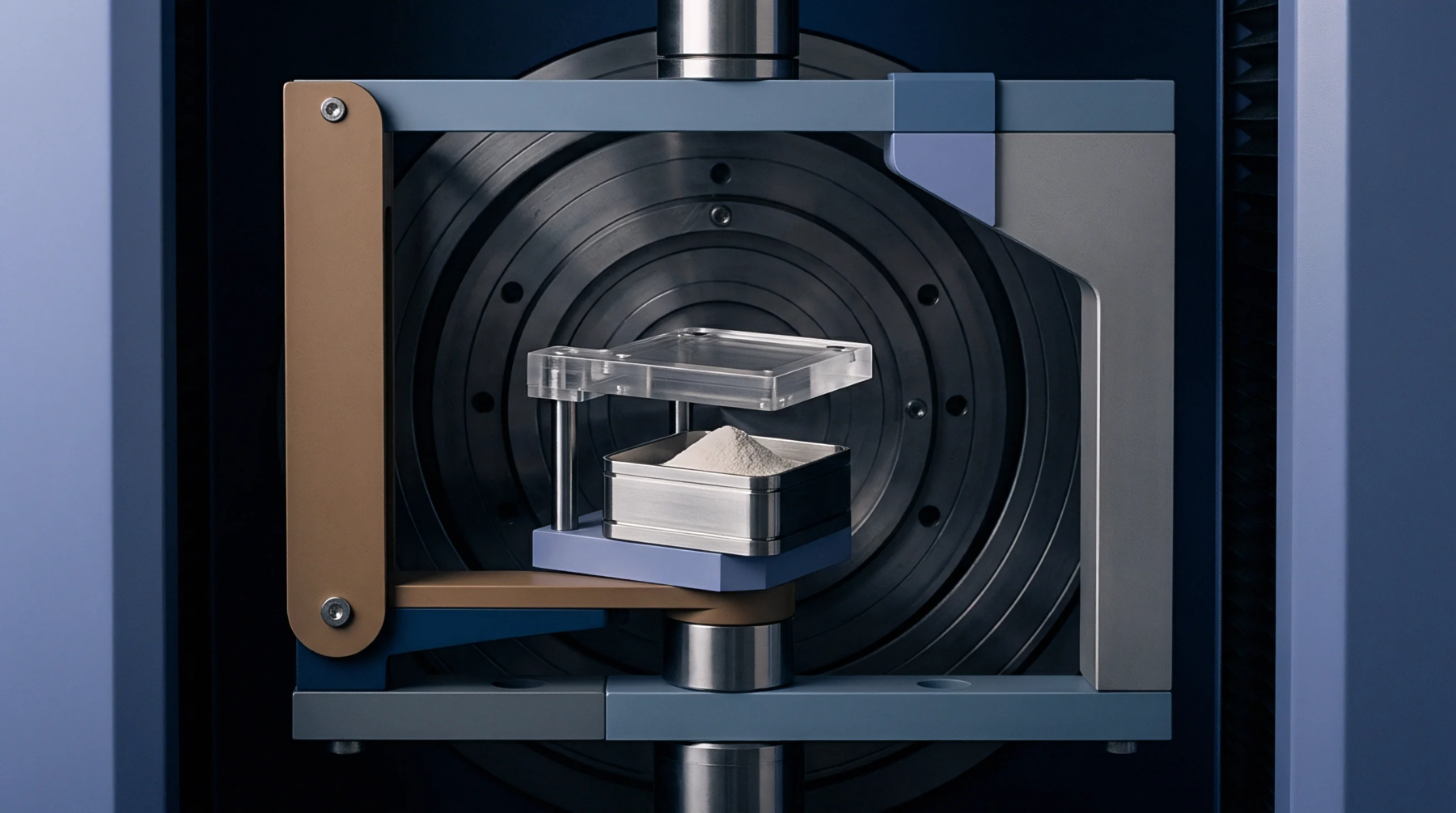
Chromatographic mass transfer characterization couples LC-GC-FID extraction with Fickian diffusion modeling to verify sub-1000 Dalton oligomers stay below 0.5 mg/kg.

Polyolefin oligomer interferences in recycled resins require epoxidation and LC-GC-FID separation to quantify MOSH and MOAH accurately below regulatory thresholds.

Non-target screening of polyolefin food contact oligomers requires dual GC-APCI and LC-HRMS analysis to resolve saturated aliphatic species below 1000 Da.
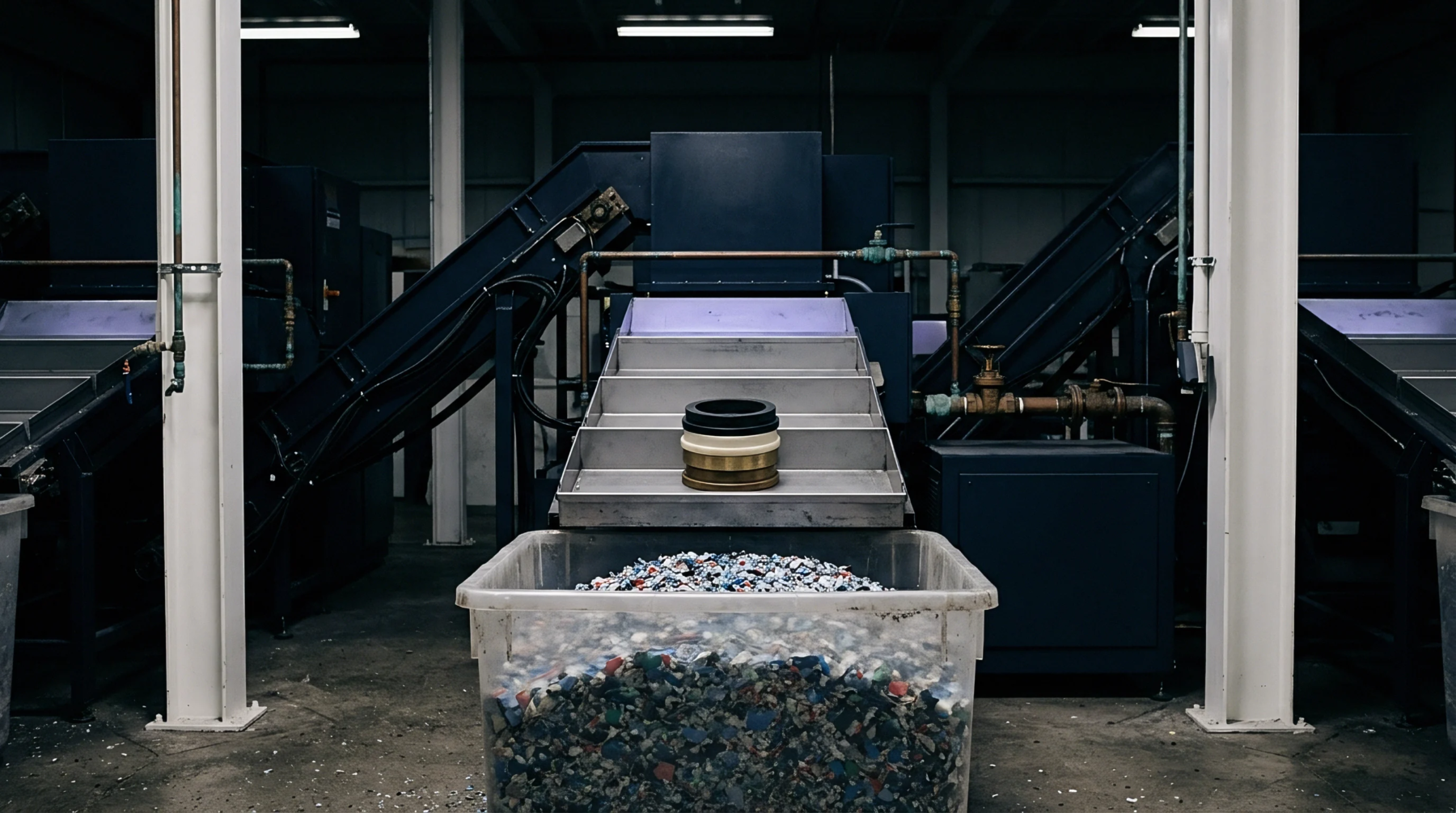
Resolving mineral oil saturated hydrocarbons from polyolefin oligomers demands online liquid chromatographic cleanup combined with two-dimensional gas spectrometry.

Polyolefin oligomer screening requires coupled LC-GC-FID quantification of POSH and POAH fractions below ten parts per billion using matched food simulants.

Analytical screening of HDPE consignments requires solvent extractions, GC-MS profiling, and diffusion modeling to verify food contact compliance before release.
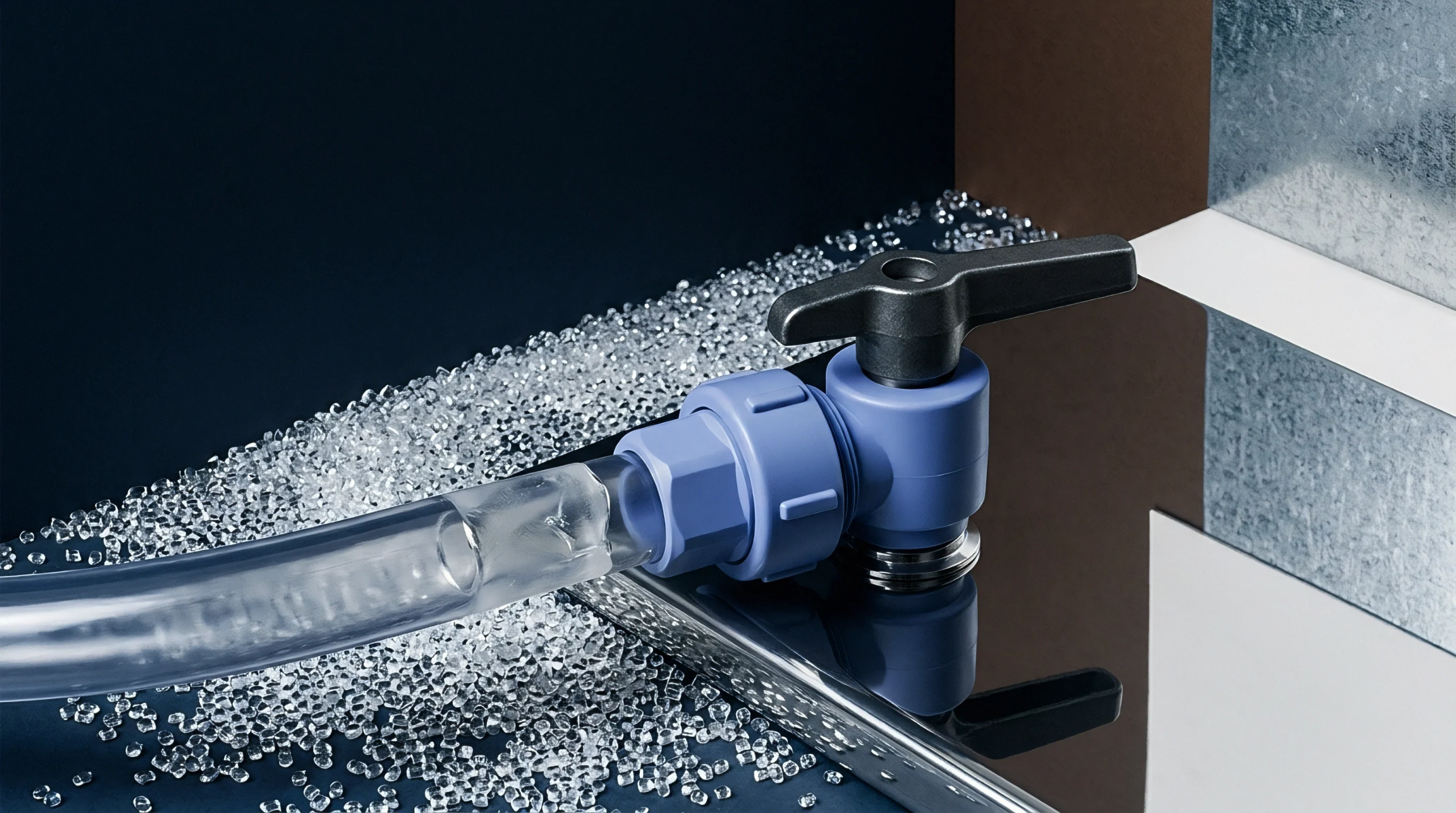
Preparative isolation of low molecular weight polyolefin fractions requires rigorous thermal solvent extraction to verify food contact compliance and REACH boundaries.

High-resolution mass spectrometry non-target screening identifies toxicologically uncharacterized polyolefin migrants down to sub-10 ppb compliance thresholds.

Sub-1000 Da polyolefin bioaccessibility requires preparative SEC isolation, micellar digestion extraction, GCxGC-HRMS identification, and compliance validation.

Verify recycled polyolefin food contact clearance by combining LC-GC-FID quantification of C10-C50 oligomers with toxicological screening under Cramer Class thresholds.
Expertise is a utility, not a secret. sentiention™ publishes its working knowledge as open reference: intelligence layer covering the materials it sources, the markets it enters, and the reference that serves both.