Meaning
Chemical impurities and degradation by-products often reside within polymer packaging materials without being deliberately added during formulation. Known as nias, these substances include breakdown products of antioxidants, reaction side-products, and contaminants from recycled plastics. They govern the safety profile of materials used in food contact and medical packaging.
Their presence is bounded by the detection limits of analytical chemistry.
Chemical Origin
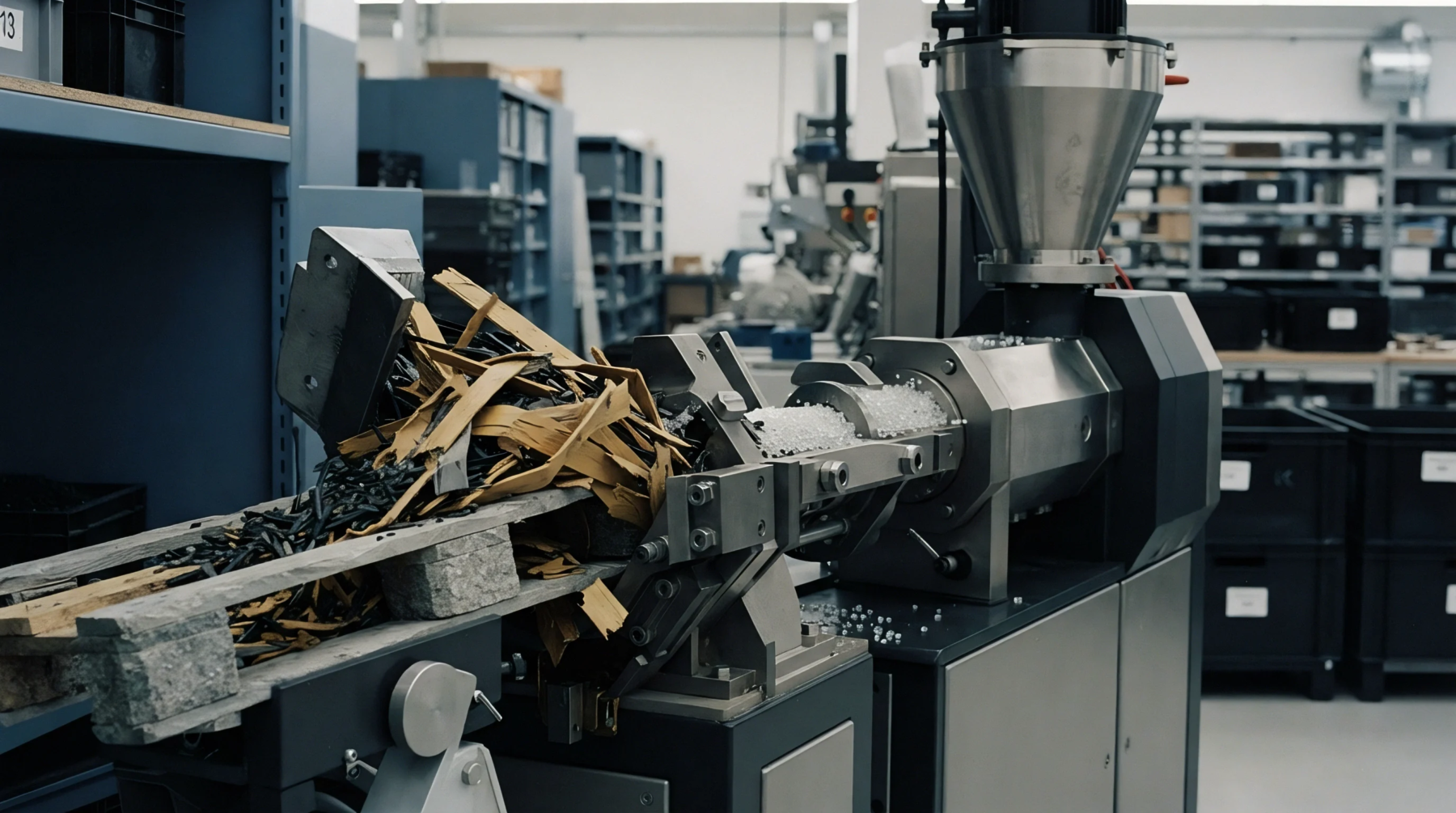
Polymer processing at high temperatures can cause thermal degradation of the polymer chains or the additives. This thermal stress generates nias like volatile organic compounds or oxidized species that are trapped in the matrix. Using high-quality virgin resin and optimizing extruder settings minimizes the generation of these unwanted compounds.
Migration Risk
Low molecular weight substances can migrate from the packaging into the food or beverage over time. If the concentration of nias exceeds regulatory limits, the packaging fails safety standards. This migration is influenced by the storage temperature, the food simulant type, and the contact duration.
Material Screening
Analytical methods like gas chromatography are used to identify and quantify these substance traces. Recycled polymers often contain more impurities than virgin resins, making screening critical for food-grade post-consumer plastic. This testing ensures that the material is compliant before use.