
Extrusion Shear Induced Degradation Ratios in Recycled Polyethylene Manifold Systems
Maintain manifold shear rates below 300 s⁻¹ and specify 25-minute minimum OIT to prevent catastrophic molecular weight loss in recycled polyethylene extrusion.
Maintain manifold shear rates below 300 s⁻¹ and specify 25-minute minimum OIT to prevent catastrophic molecular weight loss in recycled polyethylene extrusion.
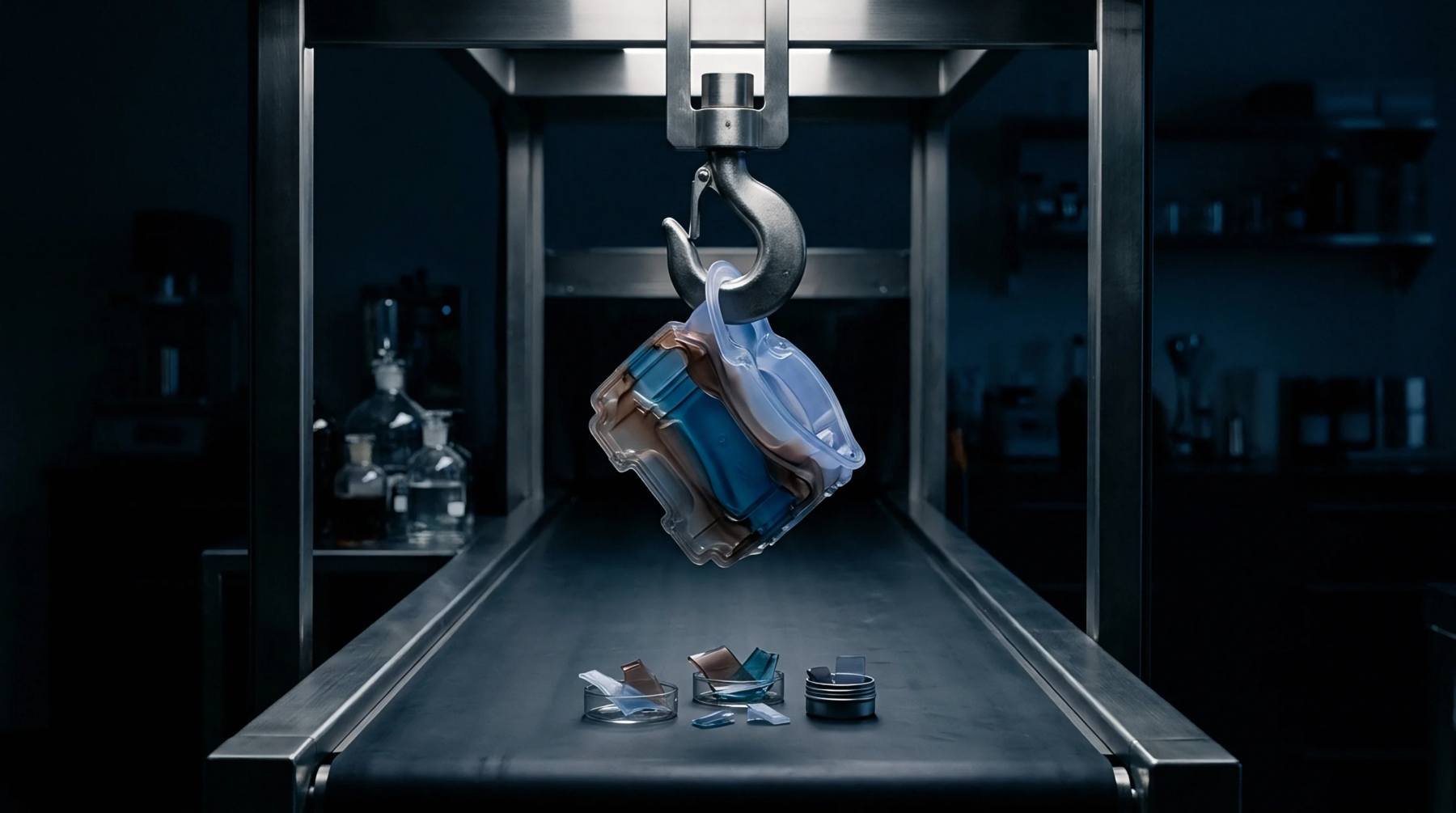
Dynamic rheology quantifies bimodal polyethylene high mass tail content by tracking zero shear viscosity and low frequency storage modulus at 190 C.

High-temperature GPC and oscillatory shear rheology reveal chain scission and elasticity losses in regrind that standard melt flow testing consistently misses.

Undisclosed recycled content invalidates virgin resin warranties when analytical testing proves melt flow or thermal deviation beyond contractual tolerance.
Characterizing polymer chain scission in rPET lots requires pairing solution viscometry with end-group titration to quantify backbone loss and dryer failure.
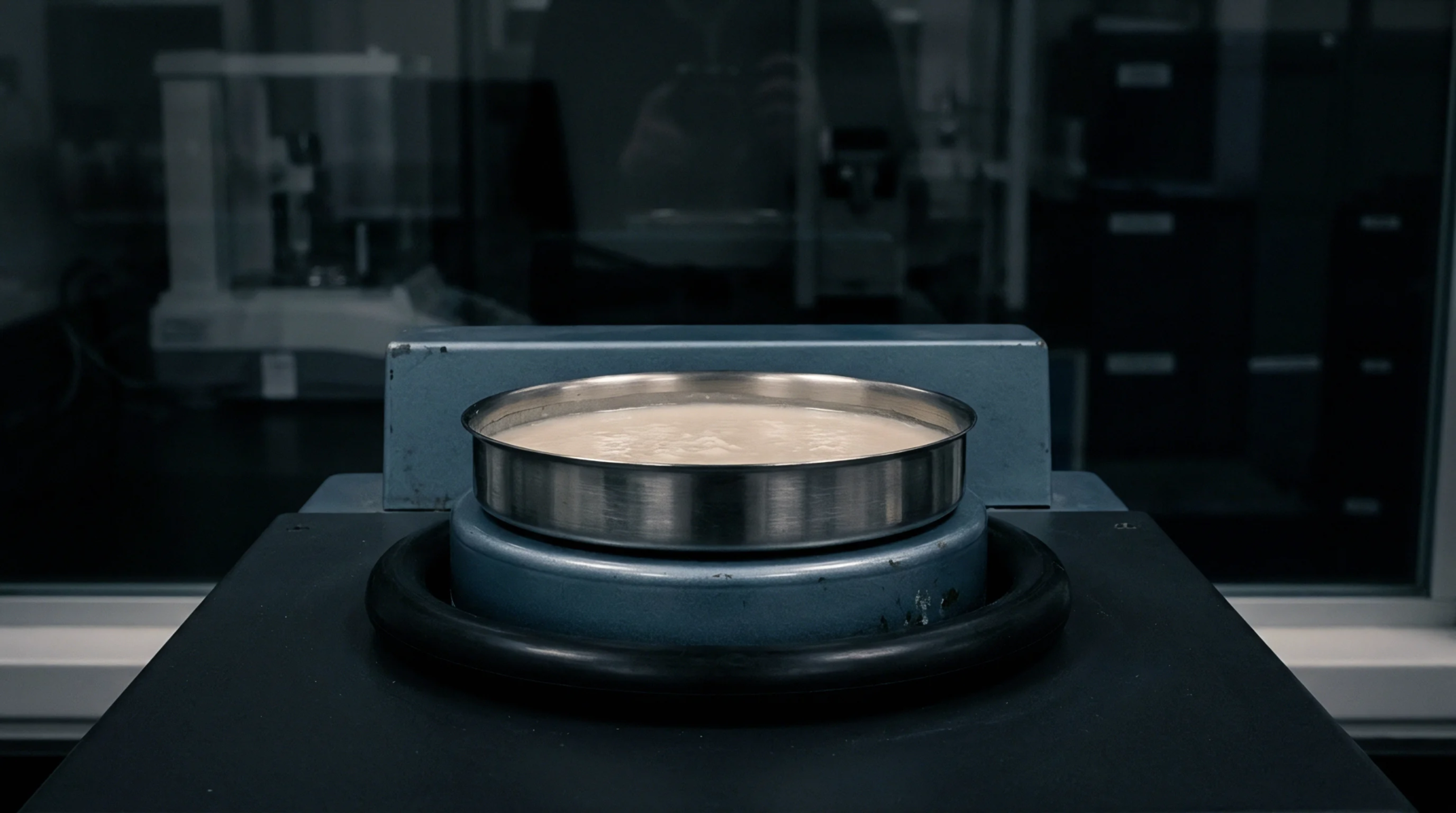
Zero-shear viscosity limitations prevent physical separation of hydrolyzed polymer fractions when short-chain plasticization and viscous fingering collapse flow differentials.

Non-intentionally added substance mass spectrometry protocols require combined GC-HRMS and LC-HRMS screening below 10 ppb to verify recycled polyolefin food safety.

Undisclosed post-industrial polymer additions breach express resin specifications when melt stability and impact properties diverge from prime baselines.

Deriving standardized toxicological concern thresholds for unidentified recycled polyolefin oligomers requires splitting migrated mass at 1000 Daltons and applying Cramer Class III limits to the bioavailable fraction.

Post-consumer PP and PE compound performance is bounded by thermo-oxidative chain scission and phase separation requiring exact MFR and OIT intake limits.
Expertise is a utility, not a secret. sentiention™ publishes its working knowledge as open reference: intelligence layer covering the materials it sources, the markets it enters, and the reference that serves both.