Polyolefin Oligomer Screening in Food Contact Polymers
Polyolefin oligomer screening requires coupled LC-GC-FID quantification of POSH and POAH fractions below ten parts per billion using matched food simulants.

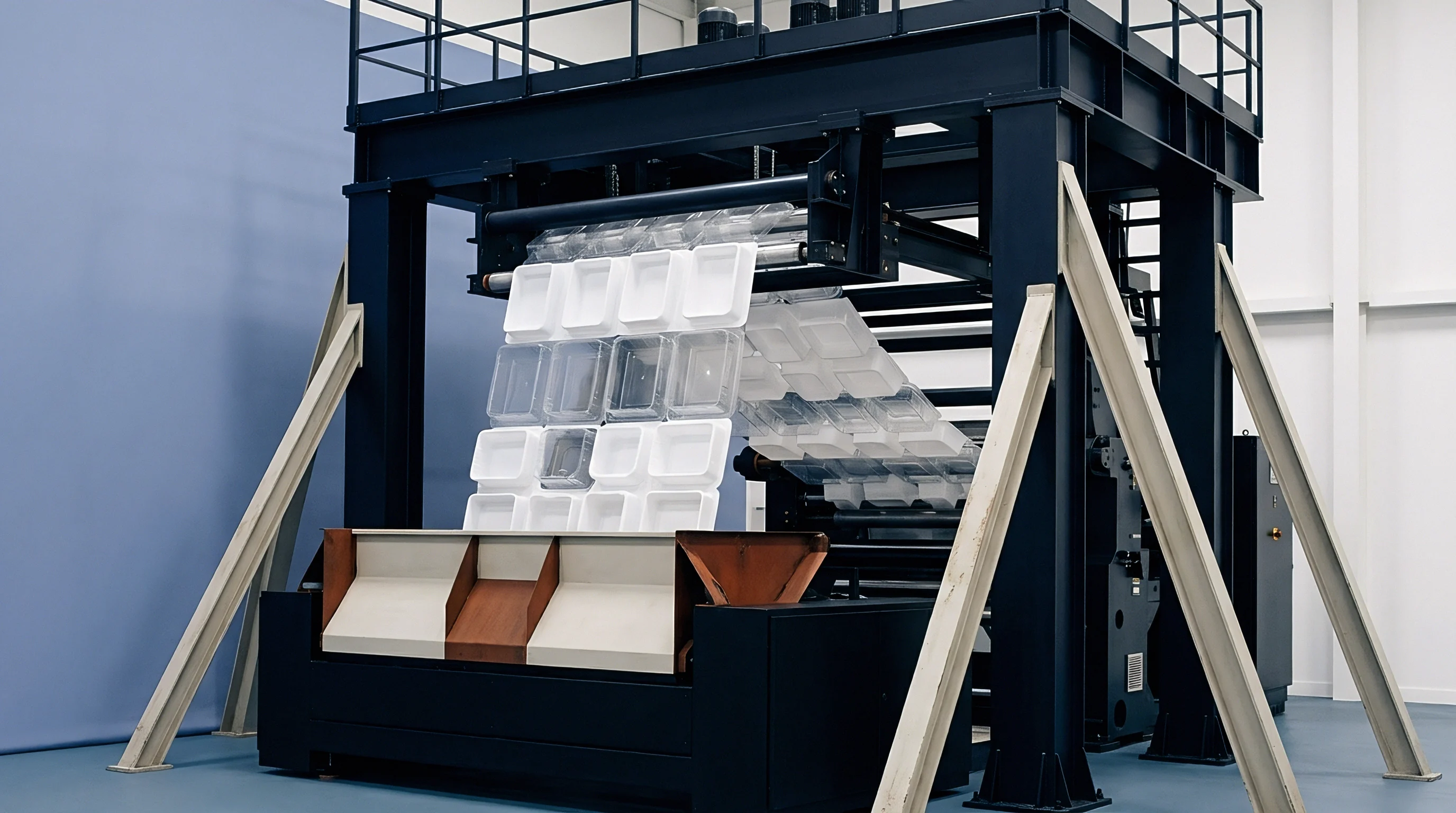
Fraction
Polyolefin oligomers are an unavoidable presence in commercial polyethylene and polypropylene resins. Thermal breakdown during synthesis, extrusion, and incomplete polymerization leave behind a range of low molecular weight hydrocarbons from ten to fifty carbon atoms. Because these shorter chains cannot entangle in the polymer backbone, they remain mobile throughout the resin matrix.
When packaging film comes into contact with dry, aqueous, acidic, or fatty foods, these short-chain hydrocarbons diffuse across the interface. Characterization divides this mobile population into polyolefin oligomeric saturated hydrocarbons and polyolefin oligomeric aromatic hydrocarbons. Commercial polyolefins yield mostly saturated structures, but thermal stress, recycled resins, and specific catalyst residues can introduce unsaturated and aromatic components into the polymer.
Polypropylene resins produce distinct oligomer distributions with repeating increments of forty-two mass units from propene monomer addition. The resulting molecules are highly branched alkanes with tertiary carbon centers every three carbons along the chain backbone. Trimers, tetramers, pentamers, hexamers, and heptamers dominate the mass spectrum from one hundred twenty-six to three hundred ninety-three Daltons.
Intramolecular back-biting and ring closure during radical propagation create cyclic structures like substituted cyclohexane and cyclopentane derivatives. Because of their smaller hydrodynamic radii, cyclic oligomers diffuse faster than linear structures of comparable mass. In a resin sample with two hundred milligrams per kilogram of total oligomers, up to thirty percent of that mass can consist of sub-three-hundred Dalton cyclic species that readily migrate into fatty food simulants.
Polyethylene matrices yield linear and mono-branched alkane oligomers in increments of twenty-eight mass units. High-density polyethylene forms narrow, linear hydrocarbon profiles, while low-density and linear low-density grades carry ethyl, butyl, or hexyl branches depending on co-monomer choice ~ typically 1-butene, 1-hexene, or 1-octene. Extruding or processing polyethylene above two hundred degrees Celsius triggers beta-scission reactions that introduce double bonds, creating mono-olefins and di-olefins along with saturated species.
These unsaturated fractions react more readily during oxidation and alter ionization efficiency during mass spectrometry analysis.

Structural Divergence and Monomer Architecture
Synthetic route determines oligomer architecture. Ziegler-Natta catalyst systems yield oligomers with defined stereospecificity, while metallocene catalysts produce narrower distributions with uniform side-chain branching. This structural divergence between linear polyethylene oligomers and branched polypropylene species governs both migration kinetics and chromatographic behavior.
In gas chromatography, hundreds of structural isomers co-elute within narrow retention windows to form unresolved complex mixtures.
Aromatic constituents occur at far lower concentrations than saturated species but require detailed identification. Alkylated benzenes, indanes, and tetralins enter resins through stabilizer breakdown, reactor solvent residues, or post-consumer recycle streams. Polyolefin oligomeric aromatic hydrocarbons carry greater toxicological concern because of potential alkyl-substituted polycyclic aromatic structures.
Identifying these components requires physically separating saturated and aromatic fractions before quantitative analysis.
Converters often attribute unexpected mass spec peaks to general resin degradation without verifying their monomer origin. While product specifications note no intentional addition of low molecular weight species, routine extruder shear generates a steady baseline of non-intentionally added substances.

Foil
Film conversion subjects polyolefin resins to severe thermal and mechanical stress, altering the initial oligomer profile. Blown film lines operating between two hundred ten and two hundred forty degrees Celsius induce thermal oxidative scission along the main polymer chain. Free radical reactions then generate secondary oligomers, aldehydes, and alkyl radicals that recombine into branched hydrocarbons.
Machine speed, die gap settings, and cooling rates determine surface crystallinity, controlling how fast oligomers migrate outward during storage on master rolls.
Extrusion also causes set-off, where the outer layer of a wound roll presses against the inner food-contact surface under high tension. When master rolls sit for weeks before slitting, low molecular weight oligomers and mobile additives transfer across that interface. Printing inks, slip agents, and corona breakdown products from the non-contact side transfer directly onto the food-contact surface through physical contact.
The presence of functional barriers within multi-layer structures does not eliminate set-off contamination occurring during high-tension roll storage.
Multilayer barrier structures rely on inner functional layers, such as ethylene vinyl alcohol copolymers or polyamide, to block small molecule diffusion. Film construction determines whether oligomers stay contained within core resins or reach the package headspace. Coextrusion tie layers based on maleic anhydride grafted polyolefins introduce extra low molecular weight species through anhydride breakdown and graft chain scission.
When extruders run past recommended melt residence times, oligomer concentrations in the tie layer can double, creating a reservoir that diffuses out through the thin inner sealing layer.

Extrusion Failure Modes in Barrier Films
Inspecting converted films reveals several process pathways that accelerate oligomer accumulation on the food-contact surface. Operating parameters during extrusion and converting cause clear differences in migration behavior across a single run.
- Thermal Shear Degradation occurs when high screw speeds cause localized viscous heating inside the barrel, generating low molecular weight scission products.
- Roll Tension Compression accelerates mechanical set-off, forcing surface oligomers into adjacent untreated film layers on tightly wound rolls.
- Incomplete Tie Layer Cure leaves unreacted maleic anhydride oligomers free to diffuse across thin sealing layers.
- Sub-optimal Corona Exposure generates surface oxidation products that combine with native oligomers, shifting their partition coefficient toward hydrophilic food simulants.
Additive Interference and Degradation Pathways
Primary and secondary antioxidants added to prevent degradation during processing can themselves yield secondary oligomeric products under heat. Phosphite stabilizers like tris(2,4-di-tert-butylphenyl)phosphite oxidize into phosphate derivatives and degrade into alkylated phenols at high extrusion temperatures. Hindered amine light stabilizers and phenolic antioxidants such as pentaerythritol tetrakis(3-(3,5-di-tert-butyl-4-hydroxyphenyl)propionate) undergo partial thermal cleavage, generating hydrophobic fragments that co-elute with polyolefin oligomers during gas chromatography.
Erucamide and oleamide slip additives, used to reduce friction, migrate rapidly to the outer five nanometers of the film surface. High slip concentrations cause peak blooming and detector saturation, obscuring underlying oligomer profiles in the twenty to thirty carbon range. Resolving this interference requires clean-up extraction protocols to separate ester and amide additives from hydrocarbon backbones.
Ignoring process-induced set-off during film conversion risks regulatory rejection during import clearance, leading to product recalls and inventory write-offs.

Assay
Quantifying polyolefin oligomers requires analytical systems that separate complex hydrocarbon mixtures without degrading the sample. Conventional gas chromatography-mass spectrometry struggles with saturated oligomers because hundreds of isomeric peaks overlap into an unresolved complex mixture. Standard single-quadrupole instruments cannot isolate discrete mass fragments within this hump, creating broad baselines that prevent accurate integration.
Achieving reliable precision requires high-performance liquid chromatography coupled online to gas chromatography with flame ionization detection.
The liquid chromatography stage performs group-type separation, splitting the polymer extract into saturated and aromatic fractions on a silver-modified silica or silica-gel column. Pentane or hexane flushes polyolefin oligomeric saturated hydrocarbons straight through while retaining aromatic species. A polar solvent like dichloromethane then elutes the polyolefin oligomeric aromatic hydrocarbon fraction.
This separation keeps saturated species from swamping aromatic signals, enabling independent measurement down to microgram per kilogram thresholds.
Gas chromatography with flame ionization detection remains the industry standard for hydrocarbon quantification because ionization response per gram of carbon is uniform across saturated hydrocarbons. Unlike mass spectrometry, where structural differences shift ionization efficiency and demand specific response factors for every compound, flame ionization allows universal calibration against one internal standard. Bicyclohexyl and cholestane serve as internal standards for saturated fractions, while perylene and 1-methylnaphthalene verify recovery and retention windows for aromatics.
High-resolution mass spectrometry using quadrupole time-of-flight or Orbitrap analyzers provides structural identification for uncharacterized peaks within the unresolved complex mixture. Atmospheric pressure chemical ionization in positive mode soft-ionizes saturated oligomers without heavy fragmentation, preserving the molecular ion. Software then matches isotopic patterns and mass defects against predicted formulas for cyclic, linear, and branched alkanes to distinguish non-intentionally added substances from baseline resin species.
Sample preparation directly dictates data quality. Direct extraction with solvents like hot toluene or dichloromethane swells the polymer matrix, releasing non-migratable high molecular weight polymer chains alongside mobile oligomers. Dissolving the polymer completely and precipitating it with cold acetone or methanol isolates the low molecular weight fraction under one thousand Daltons while dropping out the high molecular weight polymer.
- Weigh exactly one gram of polyolefin film ground to a particle size below five hundred micrometers into a glass microwave extraction vial.
- Add twenty milliliters of toluene and heat under microwave irradiation to eighty degrees Celsius for sixty minutes to dissolve the polymer structure completely.
- Cool the solution to room temperature, then add forty milliliters of cold absolute ethanol dropwise while stirring to precipitate the high molecular weight polymer fraction.
- Pass the suspension through a 0.22-micrometer polytetrafluoroethylene syringe filter to collect the clear liquid extract containing low molecular weight oligomers.
- Evaporate the filtered extract to two milliliters under a gentle stream of high-purity nitrogen gas at forty degrees Celsius.
- Inject fifty microliters into the online liquid chromatography to gas chromatography flame ionization detection system for baseline fractionation and carbon number profiling.
| Parameter | LC-GC-FID | GC-QTOF-MS | Pyrolysis-GC-MS | |
|---|---|---|---|---|
| Target Carbon Range | C10 to C50 | C10 to C35 | C6 to C40 | |
| Fractionation Capability | On-line POSH/POAH Separation | No On-line Fractionation | None | |
| Quantification Basis | Universal Carbon Response | Compound-Specific Calibration | Relative Area Percent | |
| Limit of Quantification | 0.1 mg/kg resin | 0.01 mg/kg resin | 1.0 mg/kg resin | |
| Structural Elucidation | Low (Carbon Number Only) | High (Accurate Mass Formula) | Medium (Pyrolysis Fragments) | |
| Methods note: Sensitivity limits depend on sample mass, extract concentration factor, and baseline electronic noise. LC-GC-FID remains the sole method recognized for compliance verification against total hydrocarbon limits. | ||||
Interfering substances complicate analytical screening. Synthetic waxes used as lubricants, hydrocarbon tackifiers in hot-melt adhesives, and native polyolefin oligomers produce overlapping chromatographic humps between twenty and forty carbon atoms. Distinguishing native oligomers from added hydrocarbon resins depends on pattern regularity.
Native polyolefin oligomers show repeating, evenly spaced modal peaks corresponding to monomer units, while petroleum-derived tackifiers form unstructured humps without monomeric periodicity.
Calibration requires constant monitoring of solvent purity and system blank levels. Hexane and dichloromethane often carry trace hydrocarbon contaminants that concentrate during preparation, mimicking oligomer signals. Glassware cleaning protocols must combine solvent rinses with high-temperature baking at four hundred degrees Celsius to burn off organic residues.
Running procedural blanks with every batch establishes background limits, confirming that reported values stem from the sample rather than contamination.
Differentiating endogenous polyolefin oligomers from post-consumer recycled hydrocarbon contamination during high-throughput screening remains a major operational challenge for analytical laboratories.

Passage
Migration is the mass transfer process where low molecular weight polyolefin oligomers move from the polymer matrix into food or a food simulant. Fickian diffusion drives this transport, governed by the chemical potential gradient between the packaging and the food phase. The transfer rate depends on temperature, contact duration, polymer density, oligomer molecular weight, and the partition coefficient between polymer and food.
Regulation (EU) 10/2011 defines official food simulants to model different food categories during laboratory compliance testing. Ethanol ten percent by volume represents hydrophilic foods, acetic acid three percent by weight models acidic media, ethanol twenty percent covers low-alcohol foods, ethanol fifty percent models oil-in-water emulsions, and vegetable oil serves as the reference simulant for fatty foods. Poly(2,6-diphenyl-p-phenylene oxide), commercially known as Tenax, acts as the simulant for dry foods.
Saturated polyolefin oligomers are highly hydrophobic, with near-zero solubility in aqueous and acidic simulants but unlimited solubility in fatty media and organic solvents.
Because testing directly with vegetable oil creates severe lipid interferences during gas chromatography, testing protocols allow substitute fatty simulants. Iso-octane and ninety-five percent ethanol serve as common alternatives. These organic solvents penetrate the polyolefin matrix, causing swelling that opens free volume between chains and artificially accelerates diffusion relative to vegetable oil.
Why Does Iso-Octane Extraction Overestimate Polyolefin Oligomer Migration?
Iso-octane diffuses rapidly into polyethylene and polypropylene at room temperature, increasing chain mobility. When low-density polyethylene film is extracted in iso-octane for two days at twenty degrees Celsius, the solvent swells the amorphous regions. Oligomers with molecular weights up to seven hundred Daltons, which remain trapped in unswollen polymer during olive oil contact at forty degrees Celsius, leach freely into the solvent phase.
The measurement captures total extractable oligomers rather than actual migration expected under realistic food contact conditions.
Correcting for solvent swelling requires analytical reduction factors or switching to ninety-five percent ethanol at reduced temperatures. In polypropylene testing, ninety-five percent ethanol causes less matrix swelling than iso-octane, yielding migration figures that align closely with vegetable oil exposure over ten days at forty degrees Celsius. Testing high-density polyethylene in iso-octane requires reducing contact time or temperature to prevent polymer collapse and total matrix extraction.
| Simulant Media | Contact Condition | Polymer Matrix Swelling | Oligomer Extraction Efficiency |
|---|---|---|---|
| 10% Ethanol (Simulant A) | 10 days at 40 °C | Negligible (< 0.1%) | Very Low (< 2%) |
| 3% Acetic Acid (Simulant B) | 10 days at 40 °C | Negligible (< 0.1%) | Very Low (< 1%) |
| Vegetable Oil (Simulant D2) | 10 days at 40 °C | Low (1% to 3%) | Realistic Benchmark (100%) |
| 95% Ethanol (Substitute D2) | 10 days at 40 °C | Moderate (3% to 8%) | Slightly Accelerated (110% to 130%) |
| Iso-octane (Substitute D2) | 2 days at 20 °C | Severe (15% to 35%) | Highly Accelerated (200% to 500%) |
| Tenax (Simulant E) | 10 days at 40 °C | None (Gas-Phase Transport) | Dependent on Vapor Pressure |
Mathematical modeling based on diffusion equations provides an alternative to physical testing for screening migration behavior. The Piringer model estimates diffusion coefficients using oligomer molecular mass, temperature, and a matrix parameter designated as A-prime. Low-density polyethylene carries an A-prime value of eleven point five, reflecting high chain mobility, while high-density polyethylene carries an A-prime of fourteen point five, indicating a rigid matrix that slows transport.
A kinetic calculation illustrates how molecular weight controls diffusion depth. Take a polypropylene film containing three hundred milligrams per kilogram of an oligomer fraction averaging three hundred fifty Daltons. Assuming a contact area of six square decimeters per kilogram of food, fatty food contact at forty degrees Celsius for ten days yields a calculated migration concentration.
The Piringer equation predicts an effective diffusion coefficient of 1.2 multiplied by ten to the minus eleven square centimeters per second. Under these conditions, roughly twenty-five percent of the oligomer within the inner twenty micrometers diffuses into the food, producing a calculated concentration of 2.2 milligrams per kilogram of food.
Increasing oligomer molecular weight to six hundred Daltons drops the calculated diffusion coefficient to 3.5 multiplied by ten to the minus fourteen square centimeters per second under identical contact conditions. Migration falls below 0.05 milligrams per kilogram of food, well under standard action thresholds. Oligomers exceeding one thousand Daltons show no measurable migration over typical shelf-life timelines due to kinetic entrapment within the matrix.
Polyolefin oligomers above one thousand Daltons molecular weight present negligible migration potential under ambient storage conditions due to thermodynamic immobilization within the polymer lattice.
Higher temperatures accelerate diffusion kinetics exponentially according to the Arrhenius relationship. Microwave heating and hot-fill processing above one hundred degrees Celsius increase transport rates significantly. A five-minute exposure at one hundred twenty1 degrees Celsius during steam sterilization causes migration equivalent to thirty days at room temperature.
Testing protocols must mirror actual end-use conditions to avoid underestimating transfer into packaged foods.
Thicker polymer walls do not reduce oligomer migration once contact time extends past the initial lag phase, as the concentration gradient at the inner surface continues to drive transport until thermodynamic equilibrium is reached.
Hazard
Evaluating toxicological risk requires separate approaches for saturated and aromatic fractions. Polyolefin oligomeric saturated hydrocarbons accumulate in human tissue ~ primarily the liver, spleen, and mesenteric lymph nodes ~ where they can form micro-granulomas. Absorption depends heavily on chain length: alkanes between sixteen and thirty-five carbon atoms undergo preferential intestinal absorption and retention, species under sixteen carbon atoms are rapidly metabolized and eliminated, and those above thirty-five carbon atoms pass unabsorbed due to molecular size.
European Food Safety Authority opinions distinguish mineral oil saturated hydrocarbons from polyolefin oligomers based on side-chain structure. Polypropylene oligomers carry dense methyl branching on alternating carbons, altering metabolic clearance compared to linear mineral oil alkanes. Despite these differences, evaluations temporarily apply conservative exposure thresholds to total polyolefin saturated hydrocarbon migration until complete single-substance toxicity data becomes available.
Polyolefin oligomeric aromatic hydrocarbons present far greater hazard due to potential mutagenic and genotoxic activity. Unsubstituted polycyclic aromatic hydrocarbons with three or more fused rings act as potent alkylating agents and carcinogens. While virgin polyolefin synthesis yields minimal aromatic species, thermal stress, printed film set-off, and recycled resins can introduce mono- and di-aromatic structures into the matrix.
Regulations require aromatic fractions to be absent from migration into food, enforced through a detection limit threshold of 0.01 milligrams per kilogram of food.
Applying the Threshold of Toxicological Concern framework enables safety evaluation of uncharacterized non-intentionally added substance peaks found during mass spectrometry. The Cramer classification scheme divides chemical structures into three hazard classes based on molecular features and reactivity. Screening applies these threshold boundaries to determine whether an unknown peak requires structural identification or toxicological testing.
- Cramer Class I covers simple linear saturated hydrocarbons, carrying an exposure threshold of eighteen hundred micrograms per person per day, equivalent to three milligrams per kilogram of food.
- Cramer Class II includes branched structures with intermediate complexity, carrying an exposure threshold of five hundred forty micrograms per person per day.
- Cramer Class III encompasses cyclic, aromatic, or complex structures with reactive functional groups, carrying an exposure threshold of ninety micrograms per person per day, equivalent to 0.15 milligrams per kilogram of food.
- Genotoxic Alert Threshold applies to alkylated polycyclic aromatic hydrocarbons or structures carrying mutagenic alerts, enforcing a limit of 0.15 micrograms per person per day, or 0.0025 milligrams per kilogram of food.
| Hydrocarbon Category | Structural Feature | TTC Concentration Limit | Regulatory Action Level |
|---|---|---|---|
| POSH Linear (C16-C35) | Unbranched Alkane Chains | 3.0 mg/kg food | Quantify total POSH hump |
| POSH Branched / Cyclic | Methyl-substituted & Rings | 0.15 mg/kg food | Structure identification required |
| POAH Mono/Di-aromatic | Alkyl Benzenes & Naphthalenes | 0.01 mg/kg food | Enforce 10 ppb LOQ screening |
| POAH Polycyclic (>3 rings) | Fused Aromatic Rings | 0.0025 mg/kg food | Absolute prohibition / rejection |
| Unidentified NIAS Peak | Unknown Mass Fragment | 0.01 mg/kg food | Mandatory MS structure elucidation |
When an unknown oligomer peak exceeds 0.01 milligrams per kilogram in a simulant, compliance officers cannot approve safety declarations without mass spectrometry identification. Evaluating non-intentionally added substances requires calculating estimated daily intake by multiplying migration concentration by consumed food mass, standardly assumed to be one kilogram of food in six square decimeters of polymer per person per day.
The presence of an unidentified chromatographic peak exceeding 0.01 milligrams per kilogram in a fatty food simulant invalidates the safety claim of a food contact declaration.
Evaluating screening chromatograms from converted polyolefin packaging often reveals high background levels of saturated oligomer humps that obscure low-concentration aromatic compounds. The laboratory must perform high-efficiency liquid chromatography fractionation to strip away the saturated background before declaring a sample free of aromatic hazards down to the 0.01 milligram per kilogram limit.
Under Regulation (EC) 1935/2004 Article 3, materials and articles must be manufactured in compliance with good manufacturing practice so that, under normal or foreseeable conditions of use, they do not transfer their constituents to food in quantities which could endanger human health, cause an unacceptable change in the composition of the food, or cause a deterioration in the organoleptic characteristics thereof.

Audit
Verifying polyolefin oligomer compliance relies on assembling and auditing a food contact conformity file. The declaration of conformity is the legal document connecting raw resin producers, film converters, packaging buyers, and food brand owners. A valid declaration must define the scope of materials covered, list restricted substances subject to specific migration limits, confirm compliance with overall migration thresholds, and outline operational limits including maximum contact temperatures, storage durations, and food type suitability.
Auditing third-party laboratory test reports requires careful scrutiny of analytical protocols and exposure conditions. Compliance audits routinely uncover reports where laboratories used improper substitute simulants ~ such as substituting ten percent ethanol for fatty food contact testing ~ missing the hydrophobic oligomer migration profile entirely. A compliant report must document the exact polymer grade, the simulant used, contact temperature and duration, quantification limits, and the sample surface-area-to-volume ratio applied during testing.
Batch-to-batch variation in resin supply presents a major risk to established compliance files. Producers periodically adjust reactor parameters, catalyst formulations, or thermal stabilizer packages to optimize plant throughput or lower costs. A minor shift in resin melt flow index from one gram per ten minutes to three grams per ten minutes indicates a lower average molecular weight, which can double mobile oligomer concentrations in finished film.
Packaging buyers should enforce raw material change notification clauses in purchasing agreements so resin modifications trigger re-testing before converted materials reach the factory floor.
Recycled polyolefins, particularly post-consumer recyclate, introduce complex oligomer profiles containing degraded polymer chains, legacy additives, fragrances, and industrial contaminants. Using post-consumer recycled high-density polyethylene in secondary layers requires validating functional barrier performance to ensure legacy oligomers and volatile organic compounds cannot penetrate the food contact seal. Declarations for recycled resins must include challenge-test documentation verifying decontamination efficiency during recycling, alongside screening data for incoming flake batches.
Commercial contracts need clear financial liability and indemnification terms for cases where regulatory authorities reject shipments at port due to non-compliant oligomer migration. Customs inspection protocols increasingly deploy high-resolution screening to catch unstated non-intentionally added substances and excessive oligomer humps. When officials flag a container, importers face quarantine storage fees, re-testing costs, destruction expenses, and reputational damage.
A food contact declaration covering base polymer resin offers zero legal protection if film conversion introducing set-off contamination lacks supporting test documentation.
Standard supply contracts should include clear compliance clauses requiring suppliers to maintain supporting conformity dossiers for at least ten years. These clauses ought to grant buyers the right to audit technical documentation directly or through an independent accredited laboratory under strict non-disclosure terms.
Enforcement authorities across major jurisdictions continue harmonizing maximum residual thresholds for mineral oil hydrocarbons and polyolefin oligomers in packaged dry foods and fatty media. Quality assurance teams that establish robust analytical screening, maintain strict raw material control, and verify every link in the documentation chain protect their product lines from market withdrawals, penalties, and supply chain disruptions.