Meaning
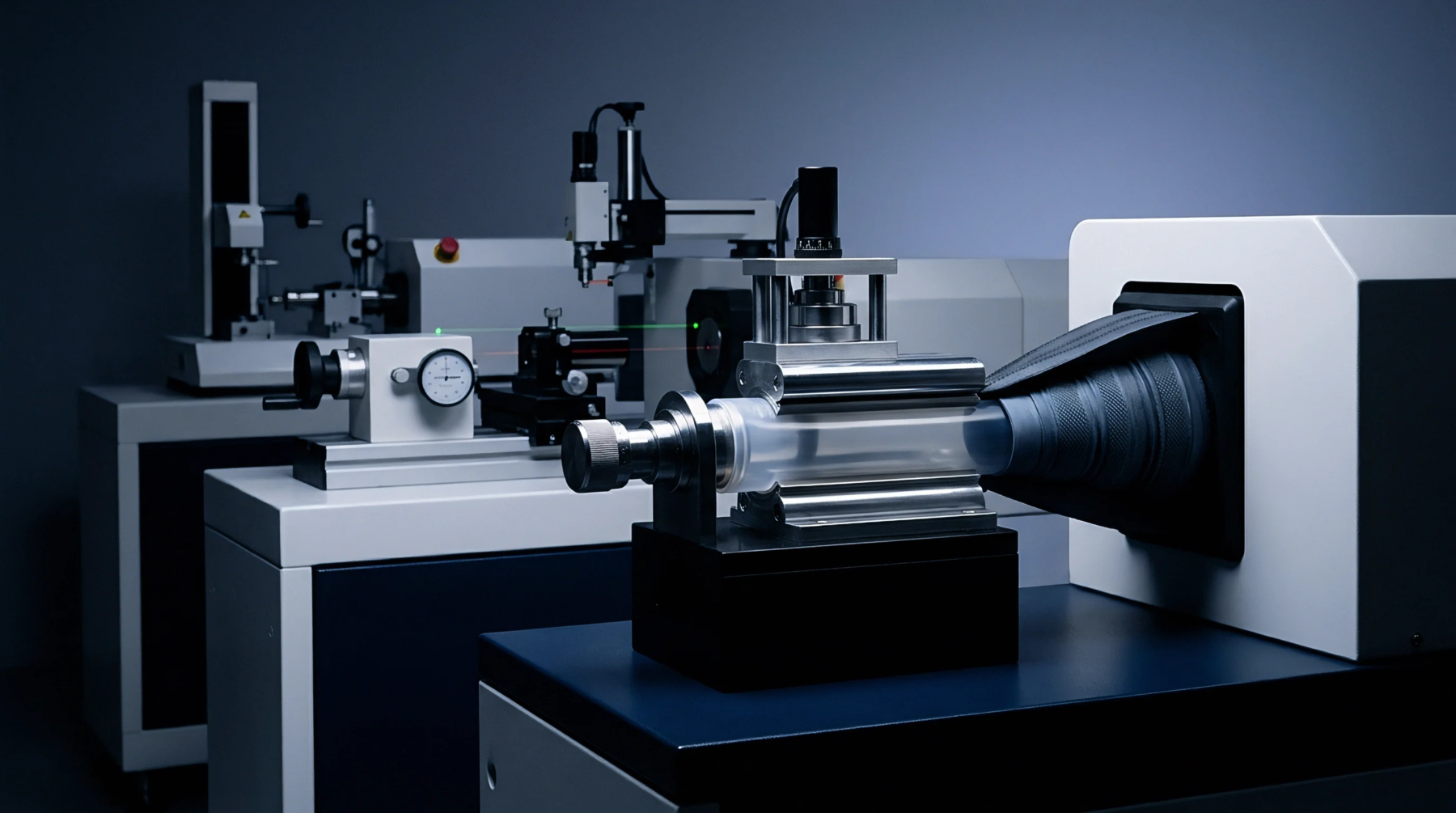
A physical property measurement defines the rate at which a molten polymer extrudes through a specified capillary under a constant load and temperature. The melt flow index serves to quantify the viscosity of a resin in a liquid state. Operators heat a standard weight of material inside a heated barrel for a fixed duration to reach thermal equilibrium before applying a force via a piston.
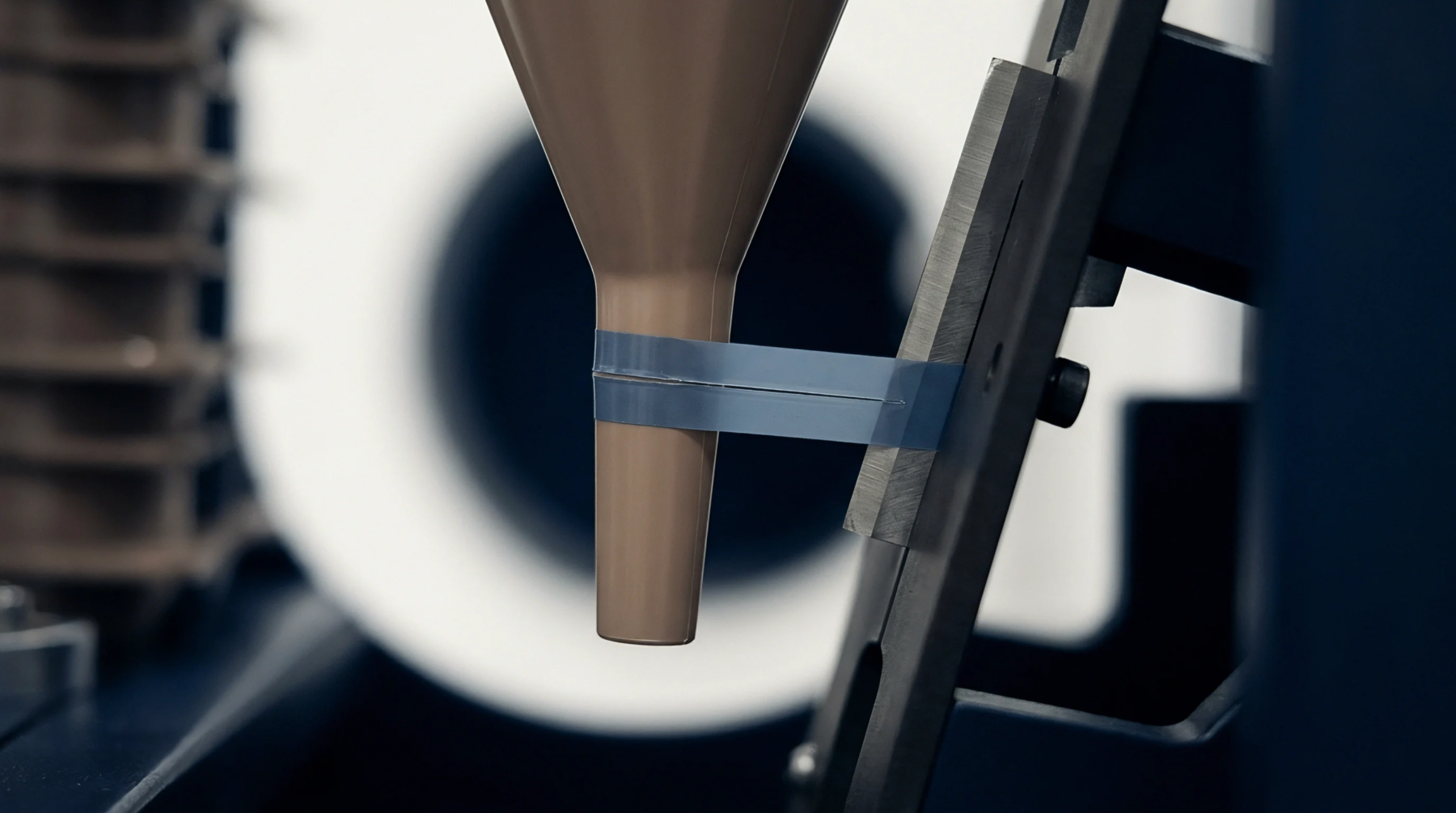
Polymer chains align under the pressure of the dead weight to push the material through a die of precise length and diameter. The mass of extrudate collected over ten minutes determines the result. Variations in molecular weight distribution directly alter the output of the test, as longer chains create higher resistance to flow.
This metric establishes a common language for manufacturers to verify raw material consistency before the resin enters a production machine. It dictates the ease with which a plastic fills a mould cavity or travels through an extrusion screw.
Processing Dynamics
Consistent rheological behavior defines the boundary for stable output in injection moulding. High values suggest low molecular weight and poor mechanical strength, while low values demand high pressure to move the plastic through the runner system. Moulders must align the machine settings with the flow characteristics to avoid flashing or short shots.
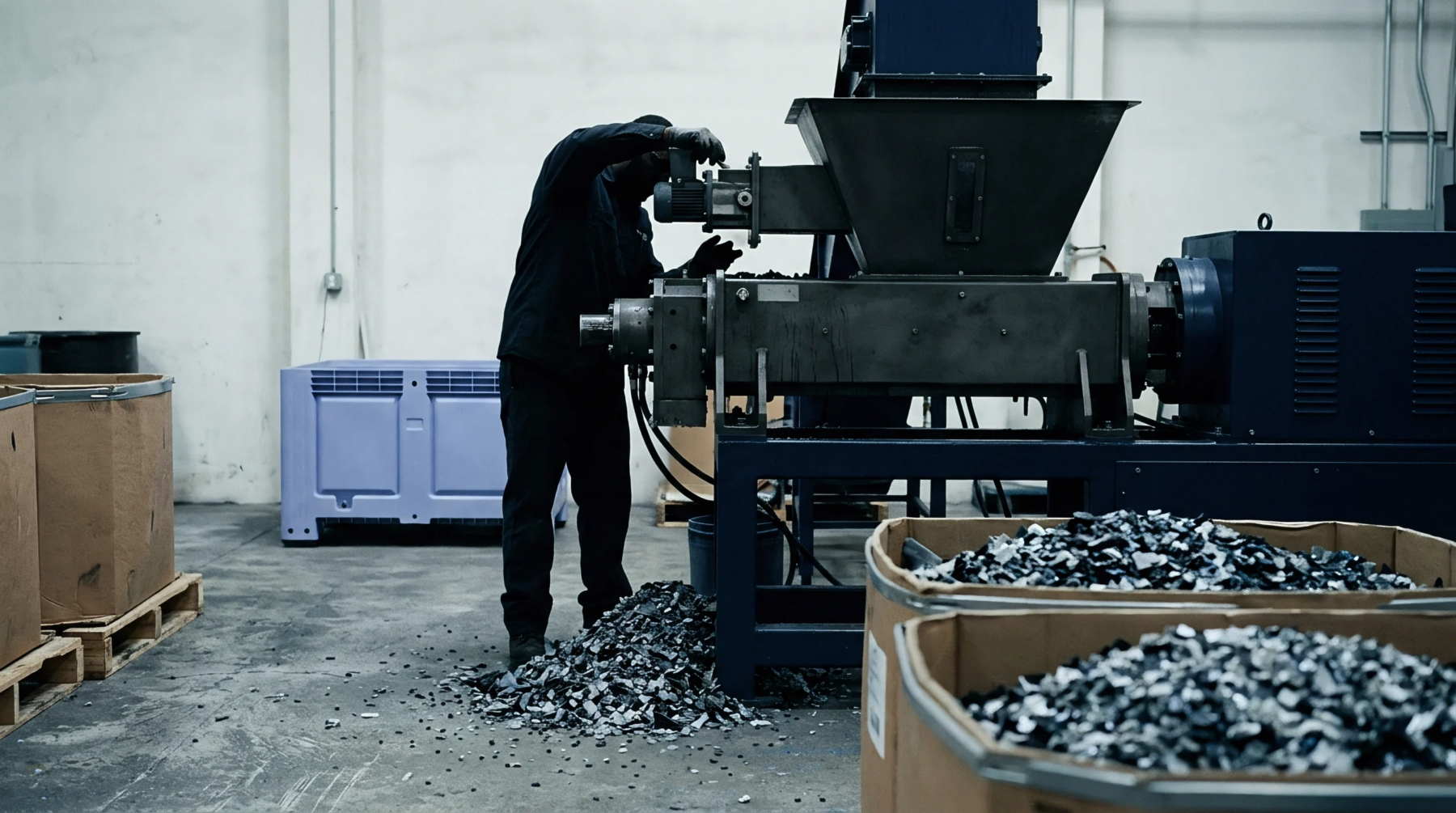
Virgin pellets show stable values, but adding regrind material introduces impurities that shift the viscosity baseline. Each shift requires adjustments to the injection speed or hold pressure to maintain part dimensions. Variations that exceed the tolerance of the specification cause significant waste.
Economic Constraints
Procurement departments use the data to sort resins by grade and processing capability. A single batch arriving with a value outside the target range renders the inventory unusable for high precision parts. Suppliers maintain rigorous testing protocols to confirm that the polymer matches the datasheet value established during the initial validation of the resin grade.
Moulders pay for this verification when the cost of downtime outweighs the price of virgin material. Economic loss accumulates when the physical properties deviate from the processing window, causing the machine to reject parts.
Operational Variance
Production runs introduce heat shear and moisture that change the apparent flow behavior in the cylinder. Data recorded in a laboratory environment often differs from the performance observed during a long cycle because the machine environment fluctuates. Cooling rates and residence time affect the crystalline structure of the parts produced.
Process engineers verify the stability of the viscosity during the startup phase to ensure the mould fills correctly. Reliable production depends on the ability of the material to maintain a steady rate under the conditions set by the tooling geometry. Standardized tests provide a static reference point for a dynamic process that relies on the predictable behavior of the liquid plastic.