
Basic Technical Criteria for High Flow Polypropylene Homopolymer Selection
Select high flow polypropylene homopolymers by balancing melt flow rate against impact loss, verifying narrow molecular weight distribution and peroxide residues.
Select high flow polypropylene homopolymers by balancing melt flow rate against impact loss, verifying narrow molecular weight distribution and peroxide residues.
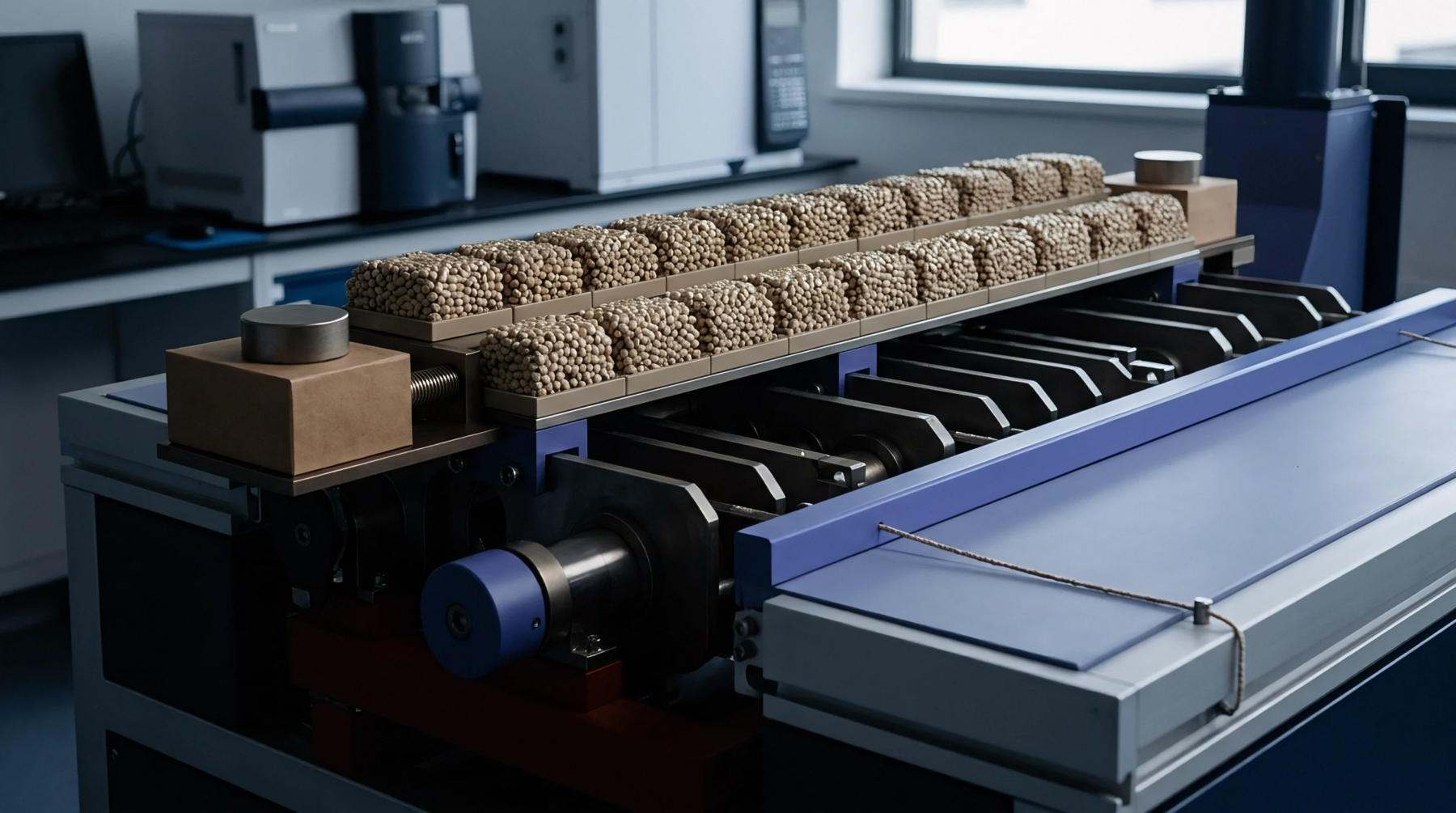
Infrared spectroscopy identifies contaminant chemistries while differential scanning calorimetry quantifies polymer blend fractions and thermal degradation state.

Undeclared regrind in virgin polymer collapses oxidation stability and broadens viscosity bands, increasing landed cost per good part despite initial pellet discounts.

Undisclosed recycled content invalidates virgin resin warranties when analytical testing proves melt flow or thermal deviation beyond contractual tolerance.

Incoming resin qualification mandates physical sampling, melt rheology auditing, and CoA validation to prevent off-spec polymer from entering production.

Provisional billing under M-1 index mechanics creates floating balance sheet exposure when European monthly polymer contract price settlements delay.
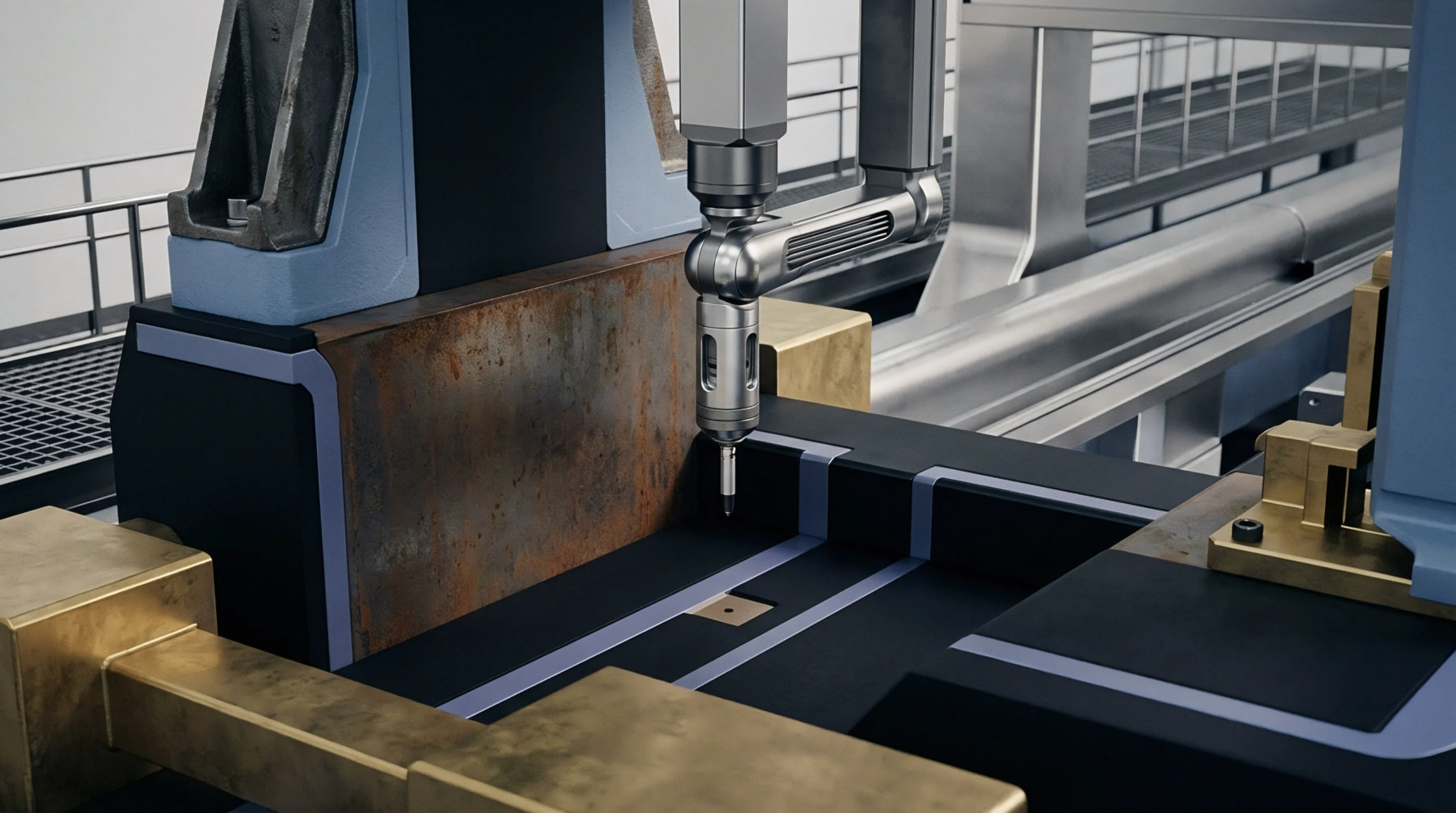
Infrared and thermal fingerprinting verifies polyolefin blend composition, oxidation levels, and phase contamination to enforce supplier compliance and landed part cost.

Sourcing thin-wall PP homopolymer demands qualifying melt flow rates above 60 g/10 min while auditing peroxide residues to protect mechanical impact.

Polypropylene impact copolymers containing disperse ethylene propylene rubber phases maintain cold drop impact strength down to minus 40 degrees Celsius where homopolymers shatter.

Quantifying non-isothermal entanglement slip rates prevents localized wall thinning and thermal rupture during rapid plug assisted thermoforming pre stretch.

Determining commodity resin grades requires multi-point shear viscosity validation and strict Certificate of Analysis contract limits to secure part performance.

Contract and spot naphtha spreads undermine fixed thirty-day resin quotes, requiring indexation formulas and dock MFR testing to prevent margin erosion.
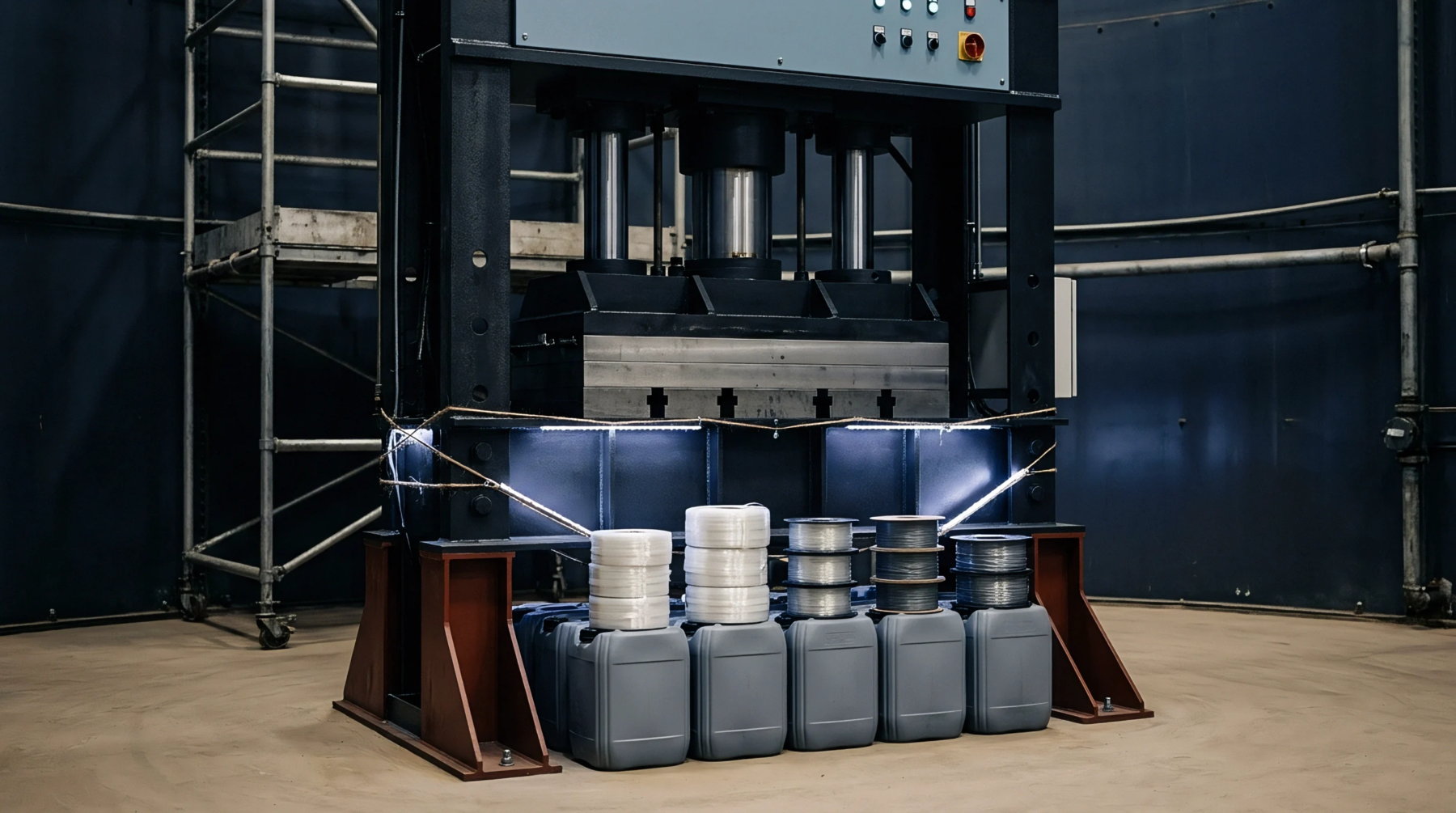
Polymer grade selection fixes mechanical properties, tool shrinkage, cycle time, compliance limits, and final landed part cost across production runs.
Expertise is a utility, not a secret. sentiention™ publishes its working knowledge as open reference: intelligence layer covering the materials it sources, the markets it enters, and the reference that serves both.