Polypropylene Phase Contamination Limits and Impact Strength Recovery in Post Consumer Polyethylene Blends
Polypropylene above 3% embrittles post-consumer polyethylene, requiring olefin block copolymers to reduce domain sizes below 1 micron and recover impact strength.
Interface
Polypropylene contamination entering post-consumer high-density polyethylene streams establishes an immiscible binary blend with minimal interfacial adhesion. Commercial rigid packaging post-consumer resin derived from European or North American municipal sorting lines typically carries between 2 percent and 12 percent polypropylene by weight. At an ambient test temperature of 23 degrees Celsius, neat post-consumer high-density polyethylene blow-moulding grades exhibit Charpy notched impact strengths between 9 kJ/m² and 14 kJ/m² under ISO 179-1/1eA.
The introduction of 3 percent uncompatibilized polypropylene reduces this value by approximately 20 percent. Contamination levels surpassing 5 percent reduce Charpy notched impact resistance to less than 5 kJ/m², inducing complete macroscopic embrittlement during drop impact testing of finished blow-moulded containers.
The chemical dissimilarity between polyethylene and polypropylene generates an unfavorable positive Flory-Huggins interaction parameter. Thermodynamic driving forces exclude the polymer chains from interpenetrating across the phase boundary during melt processing. When cooling from the melt through crystallization regimes, high-density polyethylene crystallizes between 115 degrees Celsius and 120 degrees Celsius, whereas isotactic polypropylene crystallizes higher, between 122 degrees Celsius and 130 degrees Celsius depending on nucleating agents and thermal history.
This differential crystallization leads to thermal contraction stresses concentrated precisely at the phase boundary. Polypropylene disperses as discrete spherical droplets or elongated fibrils within the continuous polyethylene matrix. Without interfacial modification, these inclusions act as unbonded mechanical voids that concentrate applied stresses and initiate catastrophic crack propagation under tensile impact loads.
Under ISO 179-1/1eA at 23 degrees Celsius, uncompatibilized polypropylene content exceeding 5 percent reduces high-density polyethylene notched impact strength below 5 kJ/m².
Incoming inspection procedures isolate this contamination through thermal and spectroscopic quantification. Differential scanning calorimetry conducted under ISO 11357-3 identifies the endothermic melting transition of isotactic polypropylene between 160 degrees Celsius and 168 degrees Celsius, positioned distinctly above the polyethylene melting peak situated between 128 degrees Celsius and 135 degrees Celsius. Integrating the melting enthalpy of the polypropylene peak against the theoretical 100 percent crystalline reference enthalpy of 207 J/g yields the gross crystalline polypropylene fraction.
Infrared spectroscopy under ASTM E1252 supplements this analysis by quantifying methyl group absorbance bands at 1377 cm⁻¹ against methylene rocking vibrations at 720 cm⁻¹. Sourcing teams use these analytical tools to flag lots that exceed mechanical tolerance thresholds before railcars discharge into main plant silos.
Sourcing specifications for heavy-duty blow moulding containers permit a maximum of 2.0 percent polypropylene contamination without mandatory elastomeric compatibilization. Exceeding this limit shifts the material performance envelope out of compliance for UN-certified hazardous material drop tests conducted at minus 20 degrees Celsius. Compounding operations manage higher contamination fractions by introducing targeted block copolymers or specialized polyolefin elastomers that lower interfacial tension, reduce domain diameter below 1 micron, and re-establish ductile yielding behavior in the solid state.

Morphology
Phase morphology in melt-blended immiscible polyolefins depends on the viscosity ratio, elasticity ratio, interfacial tension, and shear field within the compounding extruder. Melt flow rate measurements conducted under ISO 1133 govern this relationship. High-density polyethylene blow-moulding resins exhibit low melt flow rates, typically 0.2 to 0.4 g/10 min under 190 degrees Celsius and 2.16 kg, but translate to 20 to 30 g/10 min under the high-load condition of 190 degrees Celsius and 21.6 kg.
Post-consumer polypropylene contamination commonly originates from injection-moulded caps and closures exhibiting a melt flow rate between 12 and 25 g/10 min under 230 degrees Celsius and 2.16 kg.
This viscosity mismatch yields an unfavorable viscosity ratio during melt processing. When the viscosity of the dispersed polypropylene phase is significantly lower than that of the continuous polyethylene matrix, the minor phase deforms into elongated liquid threads under shear stresses in twin-screw mixing zones. Downstream relaxation and capillary instabilities cause these threads to break up into non-uniform droplets.
Dynamic coalescence during transit through the die adapter produces large, agglomerated polypropylene inclusions ranging from 3 to 15 microns in diameter within standard single-screw extrusion environments. Micrographs reveal poor surface contact and distinct micro-voids along the inclusion perimeter.
| Polypropylene Contamination (wt%) | Compatibilizer Architecture | Average Inclusion Diameter (µm) | Charpy Notched Impact (kJ/m²) | Failure Mode |
|---|---|---|---|---|
| 0.0 | None | Not Applicable | 12.4 | Hinged Ductile |
| 2.5 | None | 2.8 | 8.7 | Partial Ductile |
| 5.0 | None | 6.4 | 4.2 | Complete Brittle |
| 10.0 | None | 11.2 | 2.8 | Complete Brittle |
| 5.0 | 3.0 wt% POE Grafted Copolymer | 0.8 | 9.8 | Hinged Ductile |
| 10.0 | 5.0 wt% Olefin Block Copolymer | 0.6 | 10.5 | Hinged Ductile |
Interfacial Tension Mechanics
Interfacial tension between molten polyethylene and polypropylene hovers near 1.5 to 3.0 mN/m at 200 degrees Celsius. While lower than polar polymer pairings, this magnitude prevents spontaneous emulsification and encourages domain coarsening during the cooling phase. The critical droplet radius during shear deformation follows Taylor droplet breakup theory.
When shear rates within the compounding screw fall below 500 s⁻¹, dispersed droplets resist breakup, consolidating into coarse macroscopic inclusions that serve as stress concentrators during tensile loading.
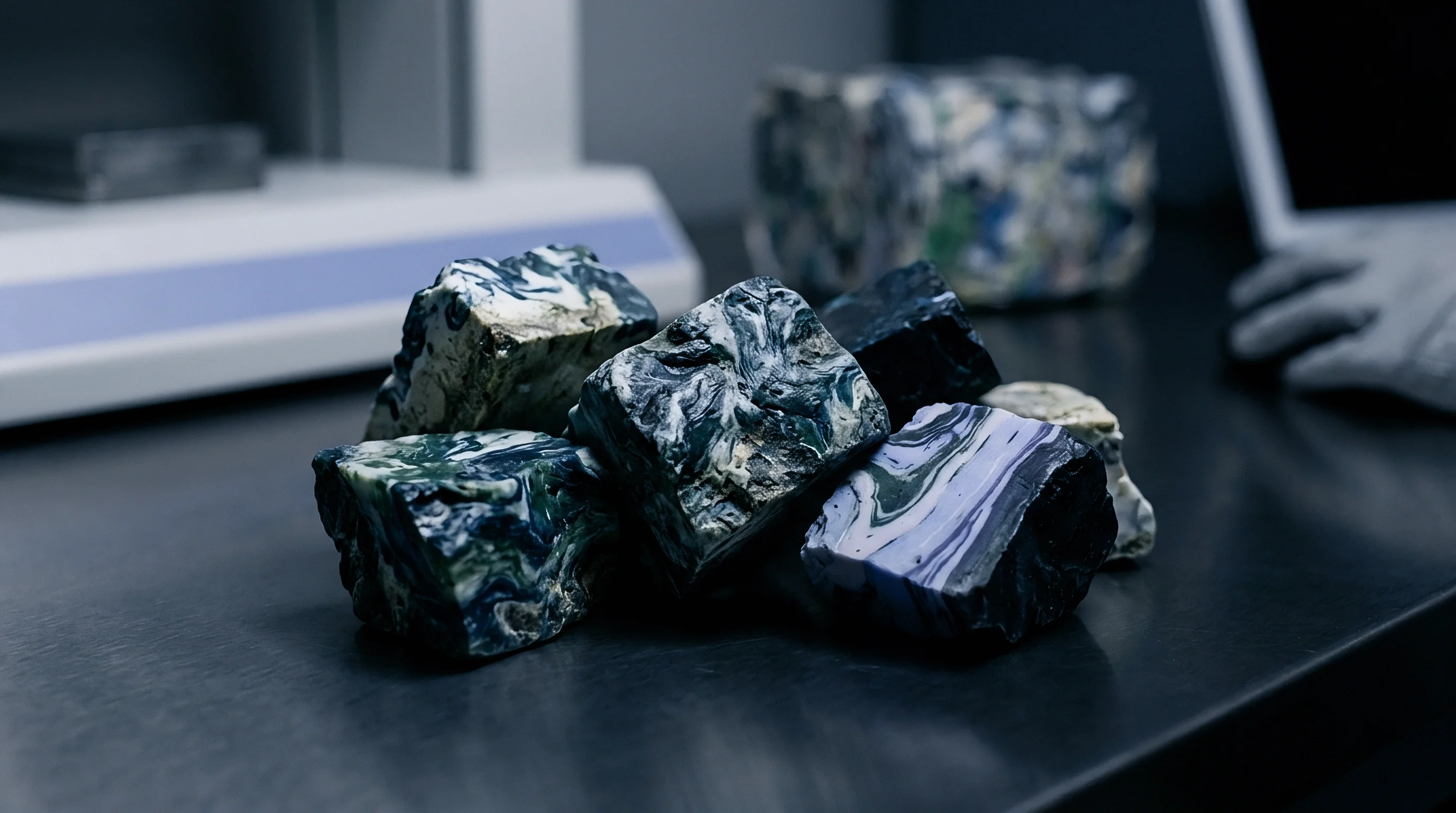
Transmission electron microscopy of cryo-microtomed blend sections reveals that unstabilized interfaces lack entanglement density. The interphase width between uncompatibilized polyethylene and polypropylene measures less than 2 nanometers. This narrow boundary prevents external mechanical loads applied to the bulk container from transferring effectively into the dispersed phase.
Under mechanical tension, the matrix debonds from the inclusion perimeter at strain levels below 3 percent. The resulting micro-cavities coalesce into macroscopic craze cracks that travel uninhibited across the continuous polyethylene network.
Crystallization Kinetics Disruption
Molten polypropylene crystallizes early in the cooling cycle. The presence of pre-existing crystalline polypropylene domains alters the subsequent crystallization of the surrounding polyethylene matrix. The high-melting polypropylene domains function as heterogeneous nucleation sites for polyethylene spherulites, modifying the local lamellar thickness and spherulite boundaries.
Transcrystallization zones develop at the interface, producing localized density gradients and frozen-in thermal shrinkage stresses. The resulting morphology features high internal shear stress fields directly adjacent to mechanical inclusion boundaries, accelerating brittle failure mechanisms when parts sustain sudden impact shocks at cold temperatures.

Modifiers
Impact strength recovery in contaminated blends centers on interfacial engineering through targeted modifier additions. Sourcing teams evaluate three primary classes of elastomeric compatibilizers to restore energy dissipation mechanisms in post-consumer materials: random ethylene-propylene copolymers, polyolefin elastomers based on ethylene-octene or ethylene-butene chemistries, and block copolymers comprising alternating crystallizable and amorphous segments.
Ethylene-propylene diene monomer elastomers disperse at the phase boundary, but their broad composition distribution limits interfacial anchoring. Ethylene-octene polyolefin elastomers, synthesized through single-site metallocene catalysis, exhibit narrow molecular weight distributions and uniform comonomer incorporation. When compounded into post-consumer high-density polyethylene, the ethylene-rich segments cocrystallize with the continuous polyethylene matrix, while octene branches remain amorphous, imparting localized elasticity and dampening mechanical shocks.
Interfacial modifiers must reduce dispersed phase diameters below one micron to activate cooperative shear yielding across the matrix.

Block Copolymer Architecture
Olefin block copolymers provide superior compatibilization efficiency compared to random copolymers. These molecules contain alternating crystallizable hard blocks with low comonomer content and soft, amorphous blocks with high octene incorporation. The hard ethylene segments crystallize within the polyethylene lamellae, while the amorphous segments extend across the phase boundary or solubilize within the polypropylene phase.
This dual anchoring mechanism widens the effective interphase zone to greater than 15 nanometers, establishing true physical entanglements capable of transferring multi-axial stresses.
- Olefin block copolymers establish molecular bridging between segregated semicrystalline domains, increasing interphase width and suppressing premature delamination under high strain rates.
- Ethylene-octene elastomers lower interfacial energy during compounding, reducing the average polypropylene inclusion diameter to sub-micron scales while introducing localized rubber toughening.
- Styrene-ethylene-butylene-styrene terpolymers provide universal non-polar compatibilization, though elevated density and cost penalties frequently limit their use in large-volume packaging applications.
- Peroxide-induced crosslinking masterbatches promote localized chemical coupling via in-situ free-radical generation, though uncalibrated dosage triggers unwanted chain scission within polypropylene fractions.
Shear Yielding Activation
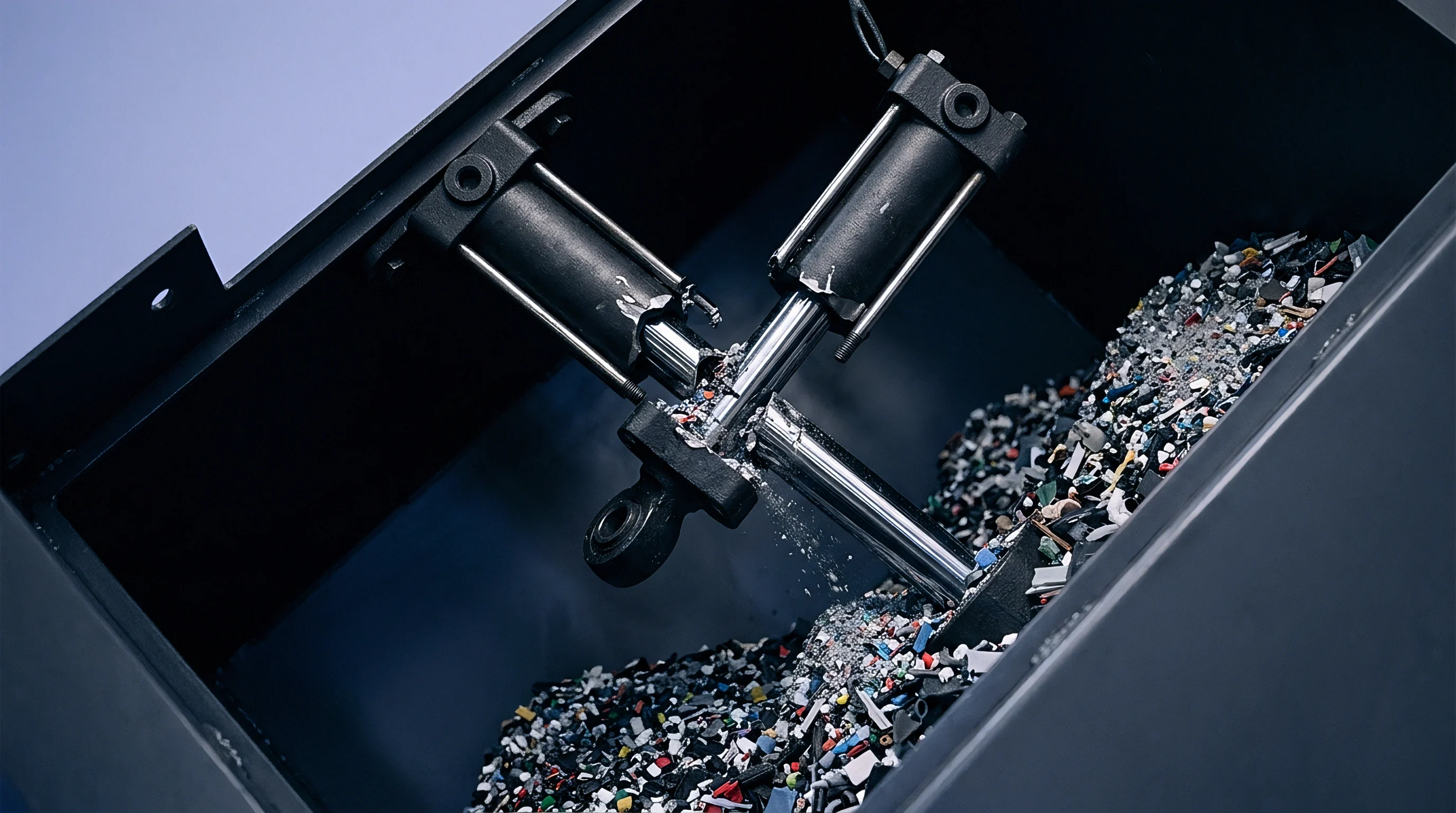
The addition of appropriate modifiers alters the primary deformation mechanism of the blend from unstable brittle crack propagation to matrix shear yielding. When an impact load strikes a modified blend, sub-micron elastomeric inclusions initiate localized crazing and shear bands. The close proximity of dispersed particles, typically engineered to maintain inter-particle distances below 0.3 microns, causes adjacent stress fields to overlap constructively.
This structural interaction halts crack propagation and forces the surrounding polyethylene matrix to undergo extensive plastic deformation, absorbing substantial kinetic energy before physical fracture occurs.
Effective modifier loading levels follow contamination severity. Blend stocks carrying 3 percent to 5 percent polypropylene demand between 2.0 percent and 4.0 percent olefin block copolymer to regain baseline Charpy impact performance exceeding 10 kJ/m². As polypropylene content escalates toward 10 percent, modifier loading increases to 5.0 percent or 7.0 percent by weight.
Beyond this threshold, modifier costs compromise the economic viability of the recycled compound against virgin prime market alternatives.

Compounding
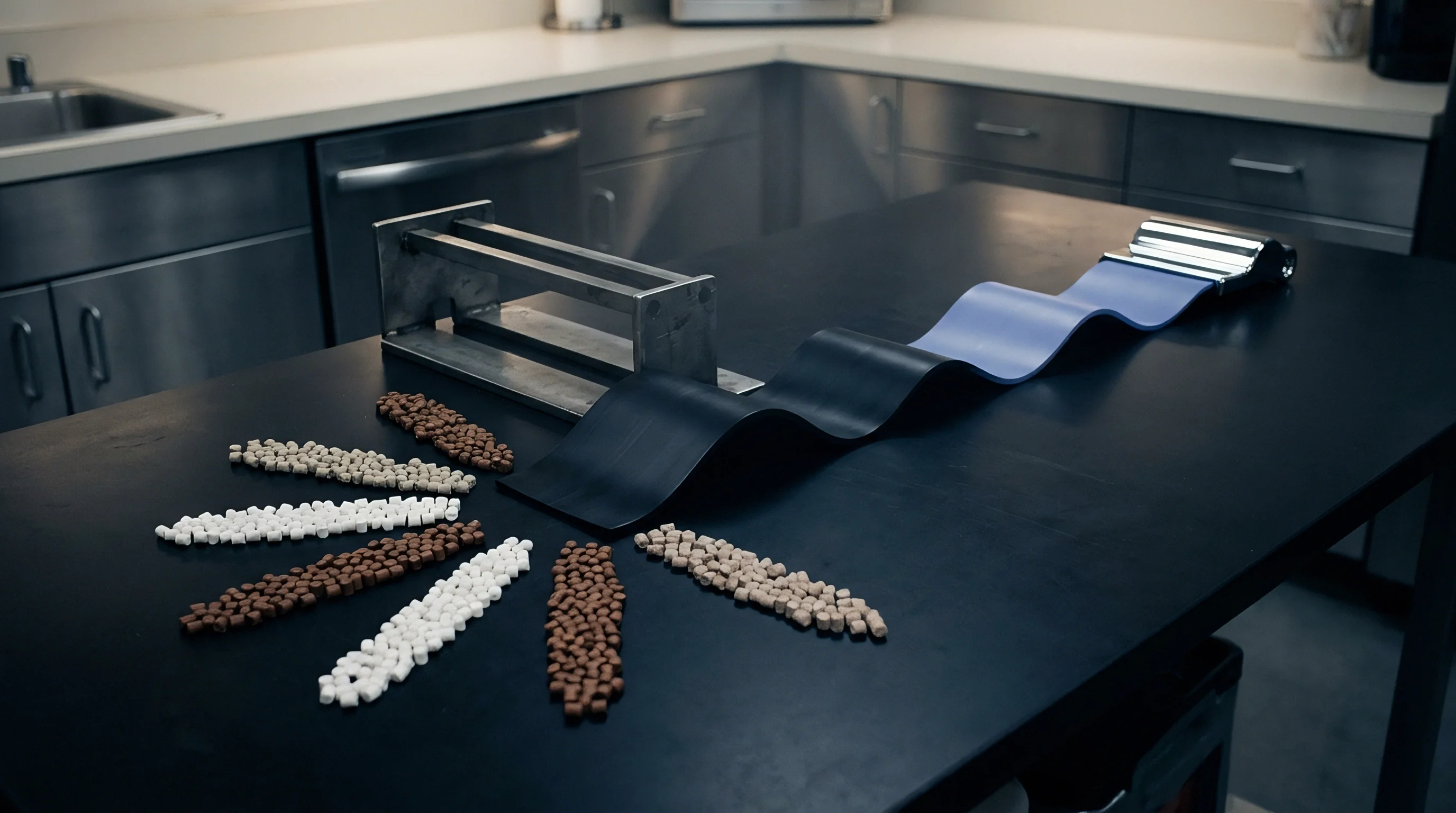
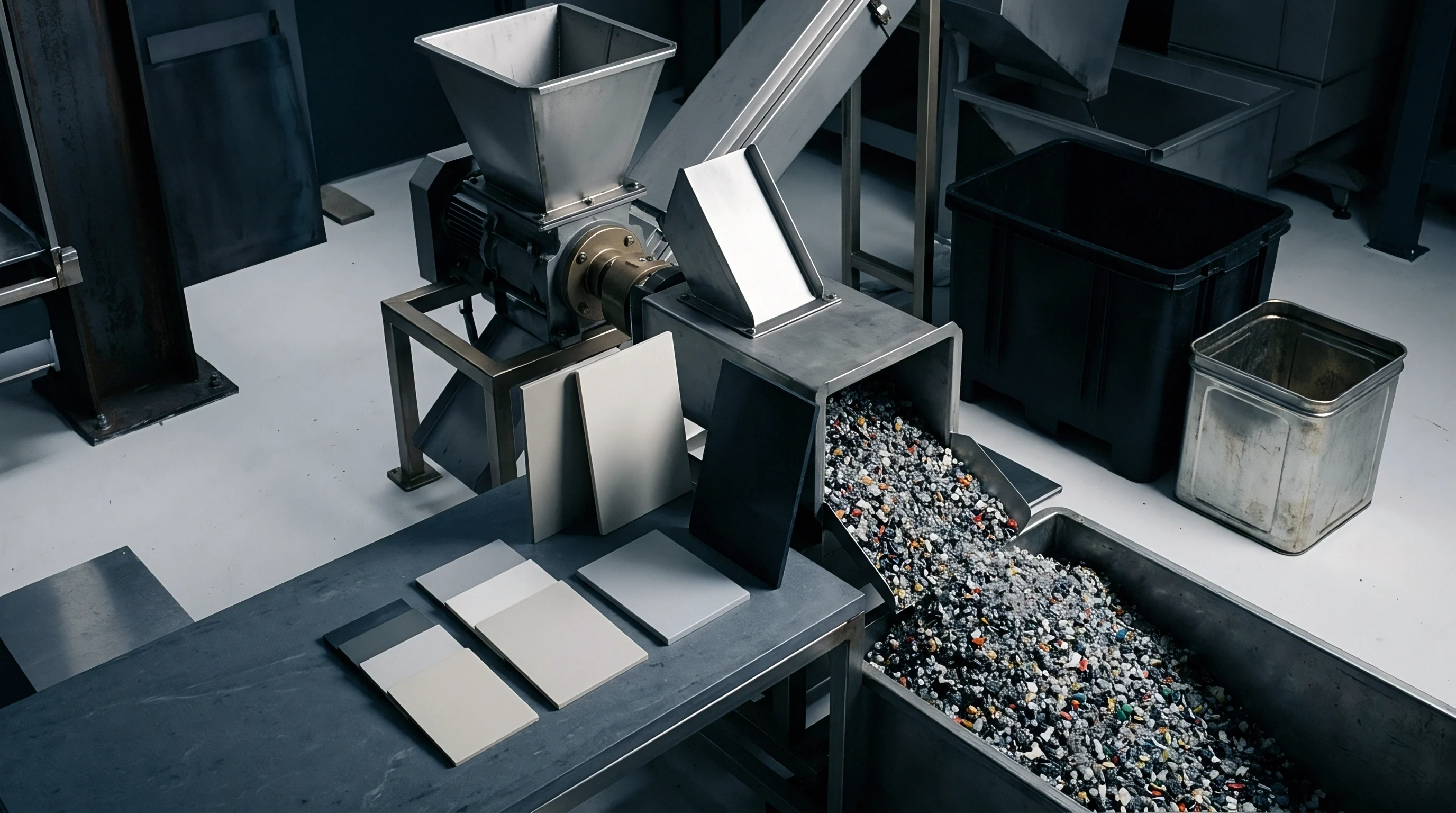
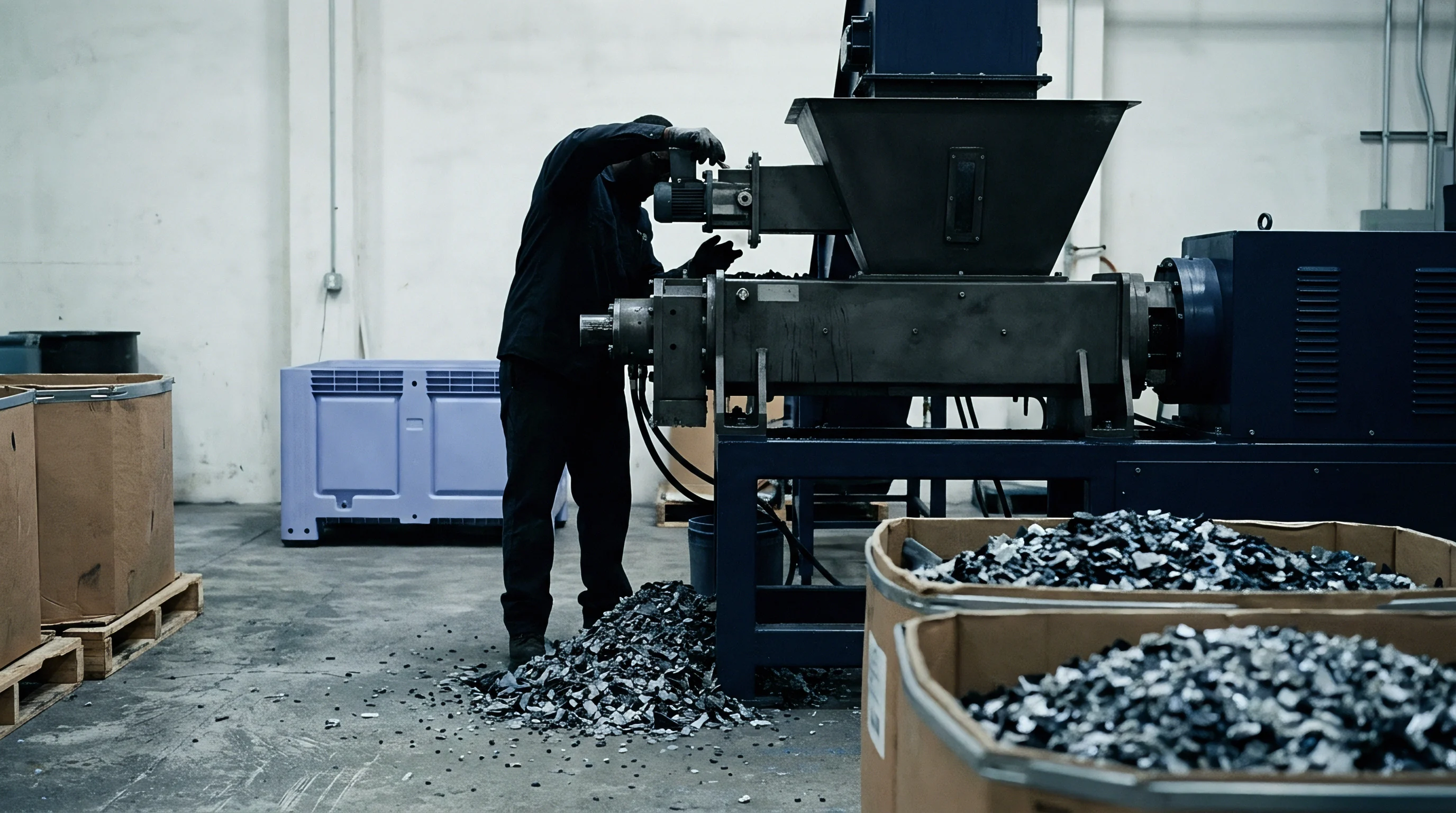
Twin-screw extrusion compounding converts contaminated flake into high-performance pelletized feedstock. Co-rotating intermeshing twin-screw extruders provide the distributive and dispersive mixing energy necessary to break down polypropylene inclusions and distribute elastomeric compatibilizers evenly across the continuous polyethylene phase. Screw configurations balance high-shear kneading blocks with low-shear distributive elements to prevent severe thermal-oxidative degradation of the recycled polyolefin matrix.
Extruder barrel temperature profiles must account for the melting points of both polymer species. Operating profiles typically run from 190 degrees Celsius at the feed throat up to 220 degrees Celsius or 230 degrees Celsius across dispersive mixing zones, terminating at 200 degrees Celsius at the strand or underwater pelletizing die. Exceeding 240 degrees Celsius initiates thermal degradation of post-consumer polyethylene chains via hydrogen abstraction and subsequent crosslinking, while accelerating tertiary carbon chain scission within the polypropylene contamination phase.
This differential thermal breakdown widens the melt flow rate discrepancy and impairs final impact recovery.
A compounding screw profile lacking distributive mixing blocks leaves inclusion domains coarse, resulting in immediate container drop failure.
Melt filtration removes non-polyolefin impurities that compromise mechanical continuity. Continuous screen changers equipped with wire mesh down to 100 mesh, translating to a nominal 150-micron aperture, or laser-drilled plates operating at 100 microns, filter out residual polyethyleneterephthalate, polyamides, paper cellulose, and aluminum foil fragments commonly present in post-consumer materials. Unfiltered solid contaminants act as secondary stress concentrators that completely negate the toughening effects gained from elastomeric compatibilization.
Degassing and Volatile Removal
Vacuum degassing zones operating at pressures below 50 mbar absolute extract volatile organic compounds, moisture, and low-molecular-weight degradation products from the melt. Residual moisture in post-consumer regrind flashes to steam inside the extruder barrel, inducing foaming, melt instability, and micro-porosity in the extruded pellets. Pellet micro-voids act as pre-existing cracks during mechanical testing, artificially depressing Charpy notched impact figures regardless of actual compatibilizer efficiency.
Specific mechanical energy input serves as a primary processing metric during compounding qualification. Typical targeted energy values range between 0.18 and 0.28 kWh/kg. Energy inputs below 0.15 kWh/kg fail to achieve sufficient dispersive shear to break down polypropylene domains below the critical 1-micron threshold.
Conversely, inputs above 0.32 kWh/kg induce high shear heating, triggering mechanical scission of the elastomeric compatibilizer chains and diminishing impact modification capacity in finished parts.

Verification
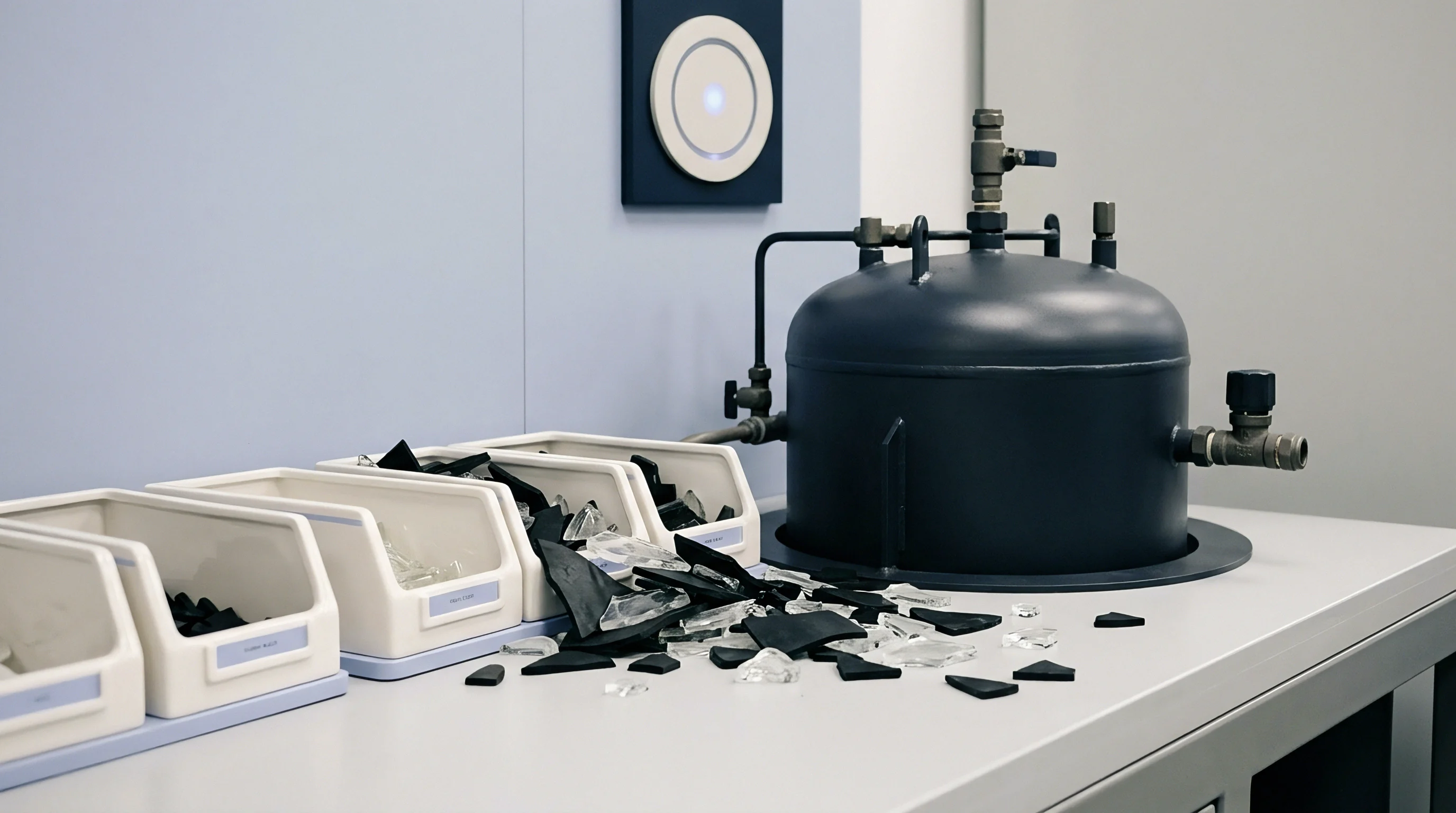
Incoming quality control protocols protect processing plants from receiving contaminated lots that fail downstream production qualifications. Testing begins at the railcar or bulk truck delivery hatch before material offloading commences into plant storage infrastructure.
- Composite sample extraction proceeds via multi-compartment sampling probes across three distinct levels of the delivery container per ISO 582, securing a minimum 5-kilogram representative blend.
- Melt flow rate characterization runs under ISO 1133 at 190 degrees Celsius under 2.16 kg, followed immediately by high-load verification under 21.6 kg to establish the structural flow ratio.
- Differential scanning calorimetry profiling executes under ISO 11357-3, recording a double-heating scan at 10 Kelvin per minute to quantify polypropylene contamination through enthalpy integration.
- Notched specimen injection moulding produces test bars under ISO 178 and ISO 179 specifications, observing controlled barrel residence times and standard mold temperatures of 40 degrees Celsius.
- Charpy impact verification tests twenty conditioned specimens at 23 degrees Celsius and minus 20 degrees Celsius under ISO 179-1/1eA, establishing fracture energy and ductile break distributions.
Differential scanning calorimetry procedures require precise baseline integration. The operator identifies the onset and end of the second heating run endotherm corresponding to the polypropylene fraction between 155 degrees Celsius and 170 degrees Celsius. Contamination level calculations assume a nominal reference heat of fusion for 100 percent crystalline isotactic polypropylene of 207 J/g.
Sourcing teams apply a standard crystalline fraction correction factor of 0.50 to account for imperfect chain packing in post-consumer fractions. The calculated enthalpy value divided by this normalized reference provides the true polypropylene weight percentage in the incoming resin lot.

Drop Impact Protocol Execution
Finished container verification tests resin performance under practical handling stresses. Standard protocol dictates blow-moulding standard 20-liter UN-certified jerrycans to a specified wall thickness distribution, filling containers to 98 percent nominal capacity with a water-glycol solution conditioned to minus 20 degrees Celsius. Containers undergo drop testing from a height of 1.8 meters onto a rigid, non-yielding concrete pad per ASTM D2463 and ADR transport regulations.
Uncompatibilized blends carrying over 4 percent polypropylene typically crack along the base pinch-off line or along corners during drop impact. The crack initiation mechanism correlates directly with phase separation phenomena observed in micro-scale testing. Containers moulded from lots compatibilized with targeted olefin block copolymers yield plastically along the impact point without wall perforation, validating bulk energy dissipation capability under severe dynamic stress states.

Economics
Sourcing strategies weigh the cost of interfacial compatibilizers directly against the market discount realized when purchasing high-polypropylene post-consumer streams. Clean, sorted post-consumer high-density polyethylene natural flake carrying less than 1.5 percent polypropylene commands a significant market premium. Mixed rigid streams carrying 5 to 10 percent polypropylene trade at discounts ranging from 150 to 350 EUR per metric tonne across Western European trading hubs, reflecting downstream processing risks.
Compounding economics balance this feedstock discount against additive chemistry expenses. Olefin block copolymers and high-performance polyolefin elastomers trade at pricing between 2,800 and 3,600 EUR per metric tonne. Formulating a 5 percent polypropylene scrap stream to recover impact strength to virgin parity demands an addition of 4.0 percent olefin block copolymer by weight.
In an industrial compounding run of 100 metric tonnes, raw material and operational allocations demonstrate precise cost boundaries.
| Cost Component | Input Quantity | Unit Cost (EUR) | Total Component Cost (EUR) | Cost Per Finished Tonne (EUR) |
|---|---|---|---|---|
| Post-Consumer HDPE Flake (6% PP) | 96.0 tonnes | 850 per tonne | 81,600 | 816.00 |
| Olefin Block Copolymer Compatibilizer | 4.0 tonnes | 3,200 per tonne | 12,800 | 128.00 |
| Hindered Phenol / Phosphite Antioxidant | 0.2 tonnes | 4,500 per tonne | 900 | 9.00 |
| Extrusion Compounding Conversion Cost | 100.0 tonnes | 220 per tonne | 22,000 | 220.00 |
| Pellet Quality Assurance / Testing Audit | 100.0 tonnes | 15 per tonne | 1,500 | 15.00 |
| Total Finished Pellet Formulation | 100.0 tonnes | Not Applicable | 118,800 | 1,188.00 |
The total finished production cost of 1,188 EUR per metric tonne compares favorably against market prices for prime virgin blow-moulding resins, which trade between 1,350 and 1,500 EUR per metric tonne, or premium sorted post-consumer HDPE grades trading at 1,300 EUR per tonne. When procurement teams buy unverified post-consumer lots without setting strict contamination thresholds, processing scrap rates in blow-moulding plants surge from typical baselines of 2 percent to over 14 percent due to parison blowouts and split container pinch-offs. The financial losses associated with downtime and discarded production rapidly exceed the savings captured on cheaper, contaminated resin flake.

Are Chemical Compatibilizers Justified for General Purpose Recycled Pellets?
Low-specification applications do not justify the cost of elastomeric compatibilizers. Non-pressure agricultural drainage pipes, underground cable conduits, and thick-walled landscape timbers utilize post-consumer high-density polyethylene with polypropylene contamination levels as high as 15 percent without interfacial modifiers. These products depend primarily on compressive strength and flexural modulus rather than dynamic tensile impact resistance.
Compounding operations dedicated to non-critical extrusion applications bypass expensive modifier additions entirely, relying strictly on standard melt filtration and basic stabilization packages.
Precision blow-moulding operations for industrial chemicals, consumer detergent bottles, and structural automotive components require strict mechanical integrity. In these sectors, the failure of a single container initiates expensive spill remediation protocols and damages commercial relationships. Sourcing managers working in these critical environments treat chemical compatibilization not as an optional additive expense, but as a mandatory cost component embedded directly into raw material procurement models.
Contractual procurement specifications settle these boundaries through precise rejection clauses: any shipment presenting polypropylene melting transitions above 2.0 percent enthalpy equivalents without pre-compounded elastomeric modification triggers immediate shipment refusal at the receiver scales.