Cross-Border Recovery of Subcontracted Injection Tooling Assets
Cross-border tooling recovery requires pre-registered local bailment titles, forensic pre-extraction audits, strict customs documentation, and immediate duplicate tooling calculations.
Bailment
Cross-border sourcing agreements frequently assign steel production equipment to third-party moulding shops without registering ownership titles with local commercial authorities. When a contract manufacturing relationship degrades, that omission creates real vulnerability. Plant engineers often assume a clear purchase order and paid invoices prove ownership, but local courts enforce foreign title claims through strict statutory registration regimes rather than contractual intent.
Without formal bailment filings or constructive notice registered inside the host country, local courts treat tooling installed on a factory floor as part of the subcontractor’s general asset pool.
Retention of title depends on establishing a clear legal boundary around the physical mold before any dispute arises. When an international brand owner ships an injection mold to a supplier in China, Mexico, or Vietnam, local courts look primarily at physical possession and tax declarations. Unregistered equipment installed on site easily falls prey to third-party creditor claims, tax liens against the supplier, or statutory rights of retention.
Protecting cross-border tooling requires setting up a recognized bailment framework early, backed by stamped physical plates, local registry filings, and explicit asset management covenants in the master supply agreement.
Legal Title and Ownership Registration Protocols
Cross-border tooling transfers require explicit identification stamped directly onto clamping plates before shipment. Plates must be deeply engraved with the legal name of the owner, corporate registration number, tax codes, and explicit statements of non-transferable property rights. Surface stickers or painted tags offer no legal protection during disputes, as local courts view removable markers as insufficient against good-faith claims by local creditors.
Local legal registration is the main defense against asset seizure if a supplier goes bankrupt or defaults on local debt. In civil law jurisdictions, registering a bailment contract or asset lease with the local commercial registry or court bureau establishes constructive notice. In China, registering foreign-owned equipment under the Civil Code and filing matching customs declarations prevents liquidators from folding foreign molds into bankruptcy assets.
In Mexico, executing a formal civil law bailment contract alongside inventory tracking under official manufacturing import programs keeps foreign title enforceable against local commercial claims.
- Formalize a bilingual asset bailment agreement under the governing law of the manufacturing jurisdiction, identifying every mold component by unique serial number and physical drawing revision.
- Engrave permanent metal nameplates onto the non-operator side of the mold base, specifying title ownership, corporate contact details, and explicit prohibitions against unauthorized transfer or modification.
- Register the tooling bailment deed with local commercial regulatory authorities or local courts to establish legal public notice against third-party creditor claims.
- Obtain notarized affidavits of asset delivery from the logistics carrier and local factory receiving leads to establish precise operational dates and asset conditions upon entry.
- Execute semi-annual physical audits using independent third-party inspectors to verify mold location, plate integrity, and serial number legibility.

Bailment Agreements across Civil and Common Law
Jurisdictions in the civil law tradition treat physical possession as presumptive evidence of ownership. A foreign owner seeking recovery under civil codes faces a heavy burden of proof unless title retention documents comply strictly with local statutory formats. While common law courts entertain equitable title defenses, civil law courts prioritize formal public filings, commercial seals, and execution in the local language.
A contract drafted purely under Delaware or English law carries little weight in a municipal court in Shenzhen or Monterrey without verified local translations and official registration.
In a dispute involving a 32-cavity unscrewing tool for closure caps, the brand owner failed to register its bailment agreement with Chinese commercial authorities. When the moulder faced insolvency, creditors locked the factory gates and courts sealed all machinery inside the plant. Because the foreign brand owner held only an English-language purchase order referencing an unregistered master service contract, the court treated the mold as supplier property.
The foreign buyer absorbed an eight-month production outage and paid forty percent of the mold value to clear creditor claims before getting the tool released.
German Civil Code Section 929 dictates that direct transfer of legal title requires explicit physical agreement or registered constructive possession documents.
Bailment clauses must spell out operational boundaries and clear termination triggers. The contract needs to grant the buyer an unconditional right of physical access, immediate repossession upon termination, and strict prohibitions against sub-leasing or moving the tool to another facility without written consent. Title stays secure when documentation links the asset directly to original customs declarations and landed asset capital registers.
Once possession is lost, leverage shifts overnight; a sound bailment structure is the main shield protecting cross-border capital before physical recovery becomes necessary.
Every bailment agreement covering subcontracted injection tooling includes an explicit clause stating: Title to the tooling described in Schedule A remains exclusively with the Buyer, and the Supplier holds the tooling solely as a Bailee at will, with zero authority to encumber, pledge, or assert retention rights over the asset under any circumstances.

Lien
Moulding plants facing financial distress or commercial disputes frequently hold production molds hostage by invoking statutory rights of retention over machinery in their shops. Suppliers construct these claims by blending legitimate unpaid invoices with inflated setup charges, maintenance fees, and unamortized scrap allocations. Because injection tooling is the sole source of product supply, holding it gives the supplier tremendous leverage.
Resolving retention claims requires separating valid contractual liabilities from illegal asset withholding under local commercial law.
Statutory retention rights exist in most legal systems to protect service providers who add value to personal property. When a toolmaker modifies or repairs a mold without getting paid, local law generally recognizes a mechanic’s possessory lien over that specific tool. Problems arise when moulders stretch this narrow right, claiming general retention over tooling to enforce payment for unrelated part orders, speculative idle-capacity penalties, or contested scrap charges.
Distinguishing specific tool-work liabilities from general commercial disputes is the foundation of any extraction strategy.
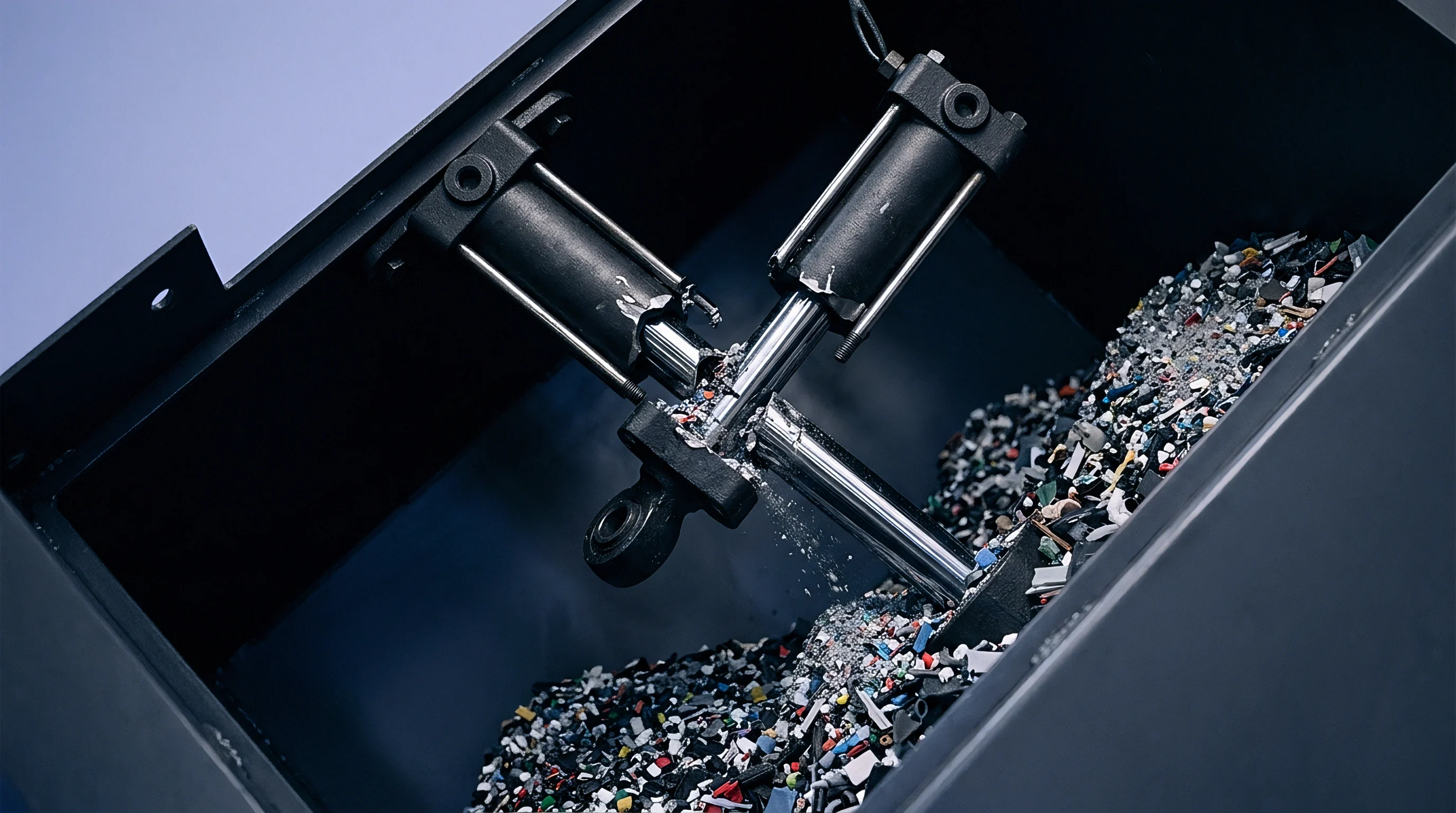
Mechanics of Commercial Mold Retention Claims
Foreign processors usually justify withholding assets by alleging unpaid setup amortizations or scrap allowances. Moulders often present complex cost models, claiming agreed part prices depended on multi-year production volumes the buyer failed to fulfill. They argue that removing the tool prematurely leaves unrecovered capital costs tied to custom automation, auxiliary inserts, or specialized resin handling equipment.
Contracts that lack explicit terms on volume guarantees leave brand owners wide open to these claims.
Scrap records tell the real story. Moulders commonly inflate scrap balances during a breakup to bolster their monetary claims. When resin prices surge or process windows drift, suppliers log excess material usage as client-driven tooling defects rather than technician error.
By auditing press-side shot counts, cycle-time telemetry logs, and raw material receipts, buyers can dismantle artificial scrap claims. Grounding the dispute in factual operational metrics removes the supplier’s justification for holding the assembly.
- Unpaid Tooling Modifications represent legitimate statutory claims when engineering change orders remain unpaid, requiring immediate financial reconciliation or escrow settlement to discharge possessory rights.
- Contested Scrap Allocations represent artificial claims built on inflated material losses during process setup, requiring empirical verification against scientific moulding process windows and raw material balances.
- Unamortized Capital Costs emerge when suppliers bundle mold costs into piece-part pricing, requiring clear contract language separating asset purchase agreements from ongoing component supply agreements.
- Facility Storage Fees surface as surprise administrative charges calculated retroactively when buyers initiate tool transfer discussions, requiring pre-negotiated storage rate limits within original bailment terms.
- Idle Capacity Penalties function as speculative damages asserted by moulders for scheduled machine hours lost after tool removal, requiring contractual disclaimers against unearned capacity guarantees.
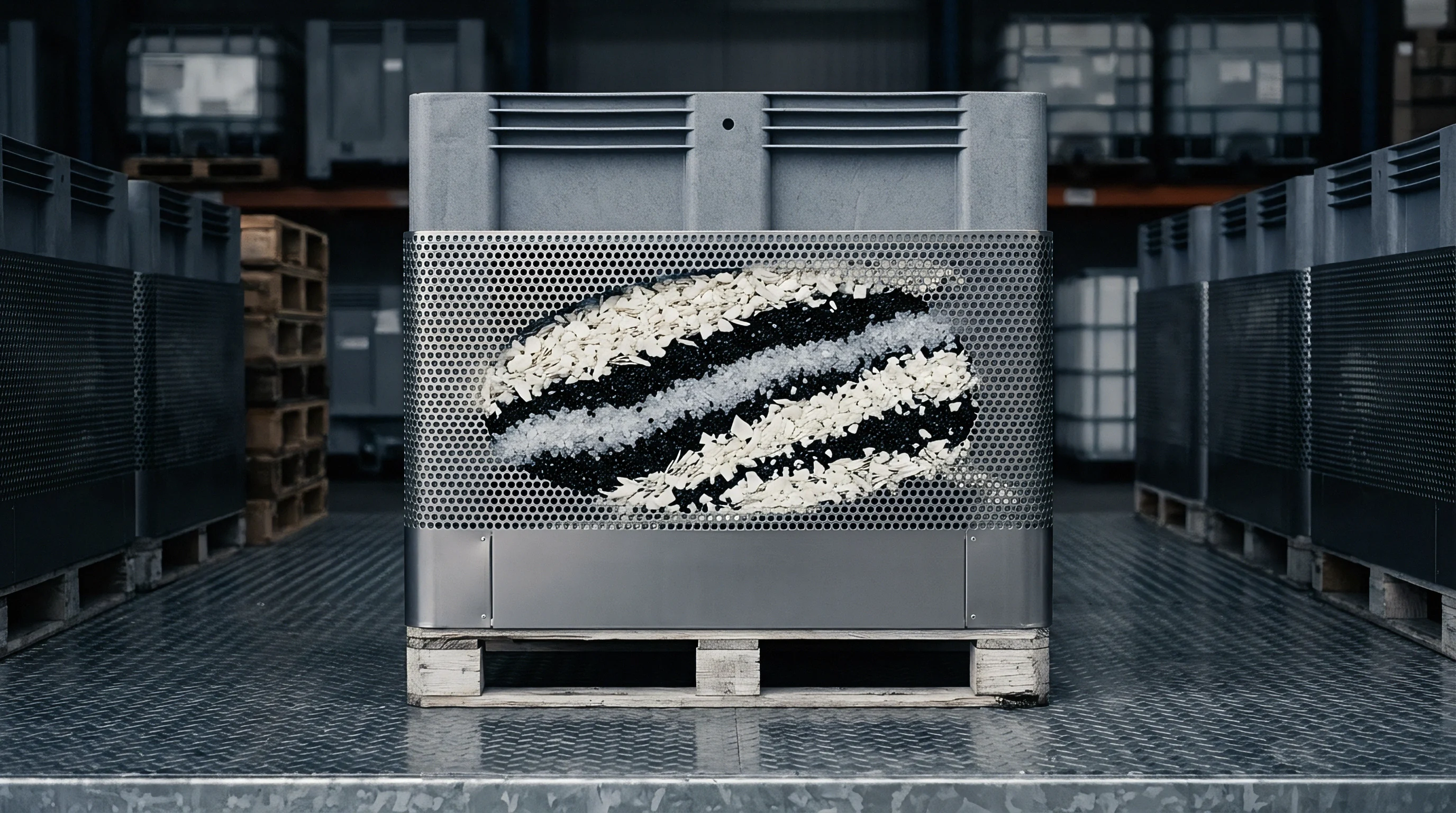
Component Breakdown and Sub-Assembly Isolation
Hot runner controllers, hydraulic core-pull cylinders, and valve-gate sequence cards often carry separate procurement records. Molds are modular assemblies made from components sourced across specialized vendors, not single monolithic blocks of steel. Moulders frequently claim possessory rights over an entire mold assembly even when a dispute centers on minor maintenance items or runner modifications.
Isolating sub-assemblies through distinct serial numbers and purchase records creates viable opportunities for partial asset extraction.
During negotiations over four automotive fascia tools, the supplier asserted a three-hundred-thousand-dollar possessory claim based on contested repairs. Inspection revealed that the basic mold base, cavity blocks, and hydraulic ejectors belonged outright to the buyer, while the disputed work involved an aftermarket hot-runner manifold installed by the supplier. Establishing separate ownership chains for the core tool base versus the auxiliary manifold allowed extraction of the primary mold base to a secondary toolroom, leaving only the manifold behind in legal escrow.
Recovery succeeded because technical records maintained clear boundaries between sub-assemblies.
Extraction strategies also have to account for proprietary components built into the mold. Moulders often integrate custom core pins or proprietary quick-connect hydraulic manifolds fitted to their specific press platens. Pulling a mold without these components renders it useless at another facility.
Procurement specifications must mandate standardized interfaces, DIN standard water connections, and non-proprietary core-pull wiring to ensure extracted molds run on secondary presses.
One offshore toolmaker framed the commercial standoff flatly: We will unclamp this tool from the platen only when every outstanding invoice, scrap penalty, and facility overhead fee gets wired to our account in full.

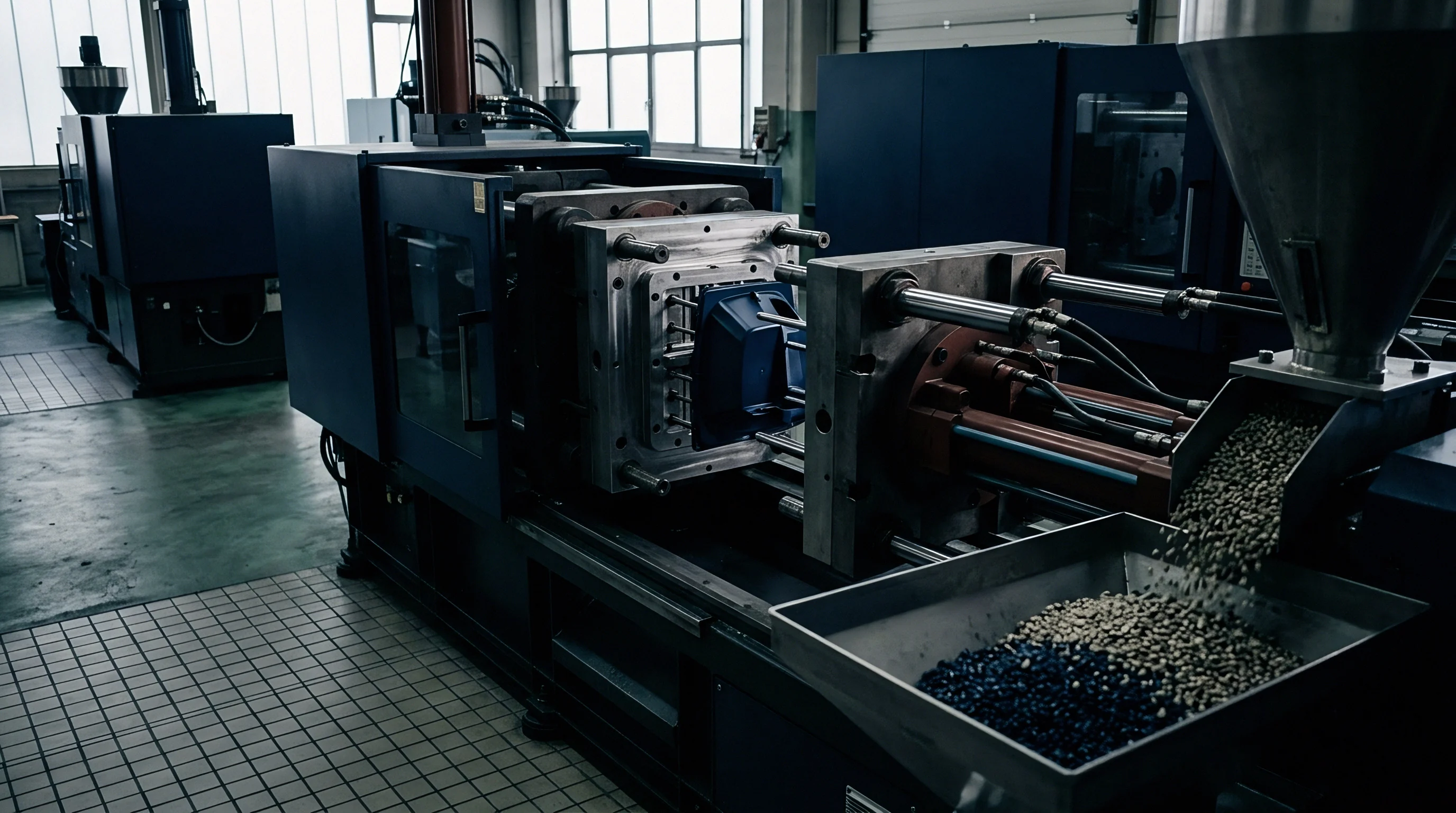
Crate
Physical recovery begins on the factory floor with an audit of the mold base, cavity inserts, and core components before unbolting the assembly from the press platen. Extracting a damaged, rusted, or incomplete tool turns a legal victory into an engineering mess. Recovery teams should conduct immediate press-side dimensional, mechanical, and thermal assessments to establish operational health before packing assets for transit.
Skipping these checks allows departing moulders to swap in worn cavity inserts, strip hot-runner components, or blame transit for pre-existing defects.
Press-side inspections require evaluating mechanical surfaces under operating conditions. Toolmakers examine parting lines, leader pins, bushing guides, and return switches for galling, misalignment, or thermal stress. Core pins and thin-walled rib inserts should undergo magnetic particle testing or optical inspection to catch micro-cracks before packing.
Water channels require flow-rate and pressure-drop testing to detect internal scaling, corrosion, or blockages that would extend cycle times at a new plant.

Tool Health Assessment and Wear Diagnostics
Toolmakers check parting lines under optical magnification for micro-burrs and flash exceeding 0.02 mm. Injection pressures up to 1800 bar compress mold steel over thousands of cycles, causing hobbing or parting line depression around core areas. When parting lines collapse, resin flashes into venting channels, clogging them and causing short shots or diesel burns.
Documenting parting line condition prior to extraction establishes whether post-recovery defects stemmed from supplier misuse or transit shocks.
Hot runners require dedicated checks. Multi-cavity systems contain internal heating elements, thermocouples, valve-gate pins, and melt channels vulnerable to thermal degradation and resin carbonization. Technicians must test electrical resistance and insulation continuity across every heating zone before packing.
Comparing coil heater resistance against factory specifications reveals impending heater failures, while checking thermocouple continuity catches broken wires. Pneumatic and hydraulic actuators should be bench-tested under pressure to confirm full pin stroke travel and leak-free cylinder operation.
| Sub-Assembly | Inspection Parameter | Acceptable Baseline | Extraction Risk Indicator | Action Protocol |
|---|---|---|---|---|
| Mold Base & Platens | Parallelism & Flatness | Within 0.015 mm per 300 mm | Platen bowing > 0.04 mm | Grind or skim platen surfaces before re-tooling |
| Cavity & Core Inserts | Parting Line Hobbing | Zero visible depression | Flash formation > 0.02 mm | Laser weld and re-spot parting lines |
| Hot Runner System | Electrical Zone Resistance | Within plus/minus 5 percent of spec | Open circuit or ground fault | Replace heater bands and thermocouples |
| Cooling Circuit | Flow Rate & Pressure Drop | Nominal 12 L/min at 3 bar | Flow reduction > 25 percent | Chemical descaling and ultrasonic cleaning |
| Ejection Mechanism | Pin Alignment & Return | Smooth stroke, zero scoring | Pin gauling or binding | Re-ream pin guides and replace ejector pins |
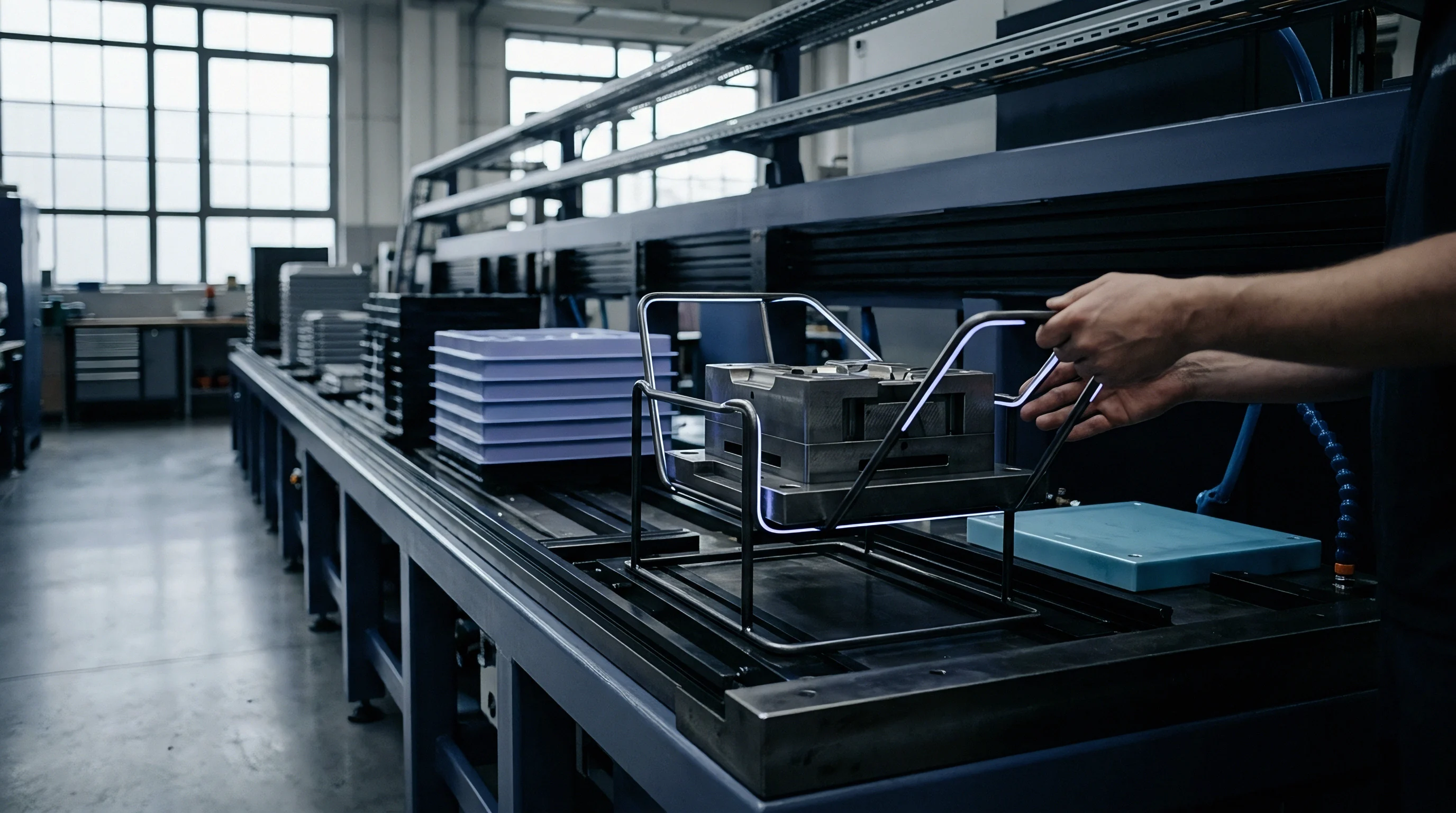
Pre-Extraction Decommissioning Procedures
Decommissioning a mold requires systematic preservation to prevent corrosion and damage during shipping or storage. Leaving raw resin inside hot-runner manifolds or water inside cooling channels ruins equipment. Hot runners should be purged using stable, high-thermal-stability purging resins like cast acrylic or specialized HDPE compounds formulated to prevent oxidation during extended downtime.
Water channels must be blown out with dry compressed air and flushed with water-displacing anti-corrosion oils before sealing all ports with brass plugs.
- Purge the hot runner manifold with high-density purging resin at standard operating temperatures until effluent runs completely clear of carbonized degradation products.
- Blow dry compressed air through all cooling circuits at 6 bar for minimum ten minutes per circuit to remove residual process water completely.
- Flush internal cooling channels with water-displacing rust preventative fluid, then seal all inlet and outlet threads with threaded brass plugs.
- Coat polished cavity and core surfaces with dry-film corrosion inhibitor grease, avoiding heavy petroleum oils that degrade elastomeric O-rings.
- Retract all slide cores fully, insert mechanical slide locking blocks, and bolt steel mold-straps across the parting line on non-operator sides.
A 450-millimeter mold base resting in high-humidity storage loses 0.015 millimeters of shut-off tolerance per month due to active surface oxidation on ungreased core cavities.
Severe scaling developed on an extracted 16-cavity PET preform tool recovered from an unheated facility in coastal Vietnam. The departing moulder disconnected cooling lines without blowing compressed air through the water circuits, leaving hard, mineral-rich process water standing inside the 1.2344 tool steel plates for eleven weeks during legal proceedings. Rust deposits restricted cooling flow by forty-two percent across four core zones, causing severe thermal imbalance and part warpage upon re-commissioning.
Clearing the blocked lines required five days of recirculating acid descaling and deep-hole re-drilling, adding twelve thousand dollars in unbudgeted toolroom expenses.
Cratering or pitting on A-side cosmetic surfaces ruins part appearance, requiring costly diamond-compound repolishing or re-etching. Tooling preservation requires applying dry-film anti-corrosion coatings rated for at least twenty-four months of ocean freight exposure. The shipping crate must be built from ISPM-15 compliant treated hardwood, fitted with internal vapor-corrosion-inhibitor barrier bags, and secured with heavy-duty steel straps.
Proper packaging keeps harsh transport environments from destroying micro-inch finishes.
Neglecting structural packing standards during one extraction resulted in three cracked core pins, forty-eight thousand dollars in repair fees, and a six-week launch delay for an automotive client.
Customs
Exporting injection tooling out of an overseas manufacturing jurisdiction requires proving historical import status, tariff classifications, and duty settlement to tax authorities. Border control agencies scrutinize exported industrial equipment to prevent duty evasion, illegal capital flight, and unauthorized movement of technology. When a brand owner attempts to move a tool without verified import documents, customs officials routinely impound the shipment at the port.
Resolving cross-border transfers requires aligning historical customs declarations, current depreciated asset valuations, and export control regulations.
Customs delays compound daily losses. Missing or mismatched import declarations are a primary cause of tool seizure at export borders. Moulders often import foreign-owned tooling under temporary tax-exempt schemes, such as processing trade regimes or bonded manufacturing programs.
These programs grant duty exemptions provided the tool produces goods exclusively for export and leaves the country within set timeframes. If the supplier failed to close out temporary import filings or used the tool for domestic production, customs authorities impose heavy back-taxes, administrative penalties, and holds upon export clearance.

Harmonized System Classification and Used Tooling Valuation
Customs agencies evaluate injection tools under HS code 8480.71 based on depreciated net asset value rather than original replacement cost. Standard tariff schedules place molds for rubber or plastics under heading 8480.71 for injection or compression types. When declaring asset values for export, brand owners must reconcile original purchase invoices, accounting depreciation, and physical wear.
Declaring nominal low values to reduce clearance fees triggers audits for suspected duty under-reporting, while declaring original purchase costs inflates valuation fees and import duties in the destination country.
Valuation rules for used tooling require documented accounting schedules verified by licensed appraisers in the exporting country. If a tool was originally built locally by the subcontractor, customs requires production tax receipts, material invoices, and proof of VAT payments before approving export clearance. If the tool was imported from abroad, approval depends on producing original entry bills of lading, tariff receipts, and serial number match certificates.
Documentation must present a clear, unbroken chain of custody matching the physical serial numbers on the tool.
| Document Type | Issuing Authority | Primary Purpose | Critical Failure Points | Verification Requirement |
|---|---|---|---|---|
| Customs Import Entry (E-Form) | Border Customs Agency | Proves original legal entry and tax settlement | Mismatched serial numbers or expired temporary status | Match physical mold stamps against customs line item |
| Commercial Asset Invoice | Brand Owner / Toolmaker | Establishes transaction value for export clearance | Valuation discrepancy between book value and invoice | Attach audited depreciation schedule and asset ledger |
| Certificate of Origin | Chamber of Commerce | Defines preferential trade eligibility and tariffs | Incorrect country of origin designation | Verify steel origin and tool machining location receipts |
| Asset Valuation Report | Certified Asset Appraiser | Validates fair market value of used equipment | Unsubstantiated asset value reduction | Conduct certified appraisal under local tax guidelines |
| ATA Carnet Document | International Chamber | Enables duty-free temporary export across borders | Exceeded transit time limit (12 months maximum) | Monitor carnet validity dates and port re-entry stamps |
Temporary Export Clearances and Duty Recovery
Carnet documentation allows temporary import and re-export without incurring local value-added taxes, provided strict timing limits are met. Under the ATA Carnet system, tooling moved across borders for short production runs, testing, or repairs enters tax-free. However, if an emergency extraction occurs while a tool is under an ATA Carnet, the asset must pass through an authorized customs port before the carnet expires.
Failing to re-export within the twelve-month window results in automatic forfeiture of customs bonds and immediate duty assessments.
Duty recovery mechanisms exist when re-exporting tooling that previously paid full tariffs. Under duty drawback programs, brand owners can reclaim up to ninety-nine percent of original import duties if the equipment is re-exported without undergoing material transformation. Securing drawbacks requires complete documentation: original import entry numbers, proof of duty payment, export bills of lading, and inspection certificates confirming the tool matches what was imported.
Without exact serial number traceability across all shipping documents, duty recovery is off the table.
Customs authorities in importing countries scrutinize incoming used tooling just as heavily. Border agencies inspect molds for environmental contaminants, residual polymer resins, hydraulic fluids, and untreated wood packing materials. Clearing customs requires valid ISPM-15 wood fumigation certificates and clean environmental declarations confirming the mold base is free of oil leaks or chemical residues.
Cargo insurance should explicitly cover regulatory impoundment and storage delays to protect against logistical blockages.
When an offshore customs bureau seizes a mold base due to missing import tax receipts from an insolvent subcontractor, what legal mechanism allows a brand owner to pay those back-taxes directly without assuming liability for the supplier’s broader tax defaults?


Transit
Securing heavy steel tooling blocks during cross-border freight transfers demands mechanical locking, anti-corrosion protection, and proper rigging. Molds weighing anywhere from five hundred kilograms to forty metric tons exert extreme forces during ocean transit, rail shunting, and truck transport. Dropping or shifting a mold in transit causes permanent deformation, platen warping, guide pin shear, and cosmetic surface damage.
Successful logistics requires tying factory-floor rigging directly into heavy-freight transport standards.
Riggers require certified lifting points. Lifting heavy molds demands calculating exact centers of gravity before attaching hardware. Moulders often install offset core slides, heavy hydraulic cylinders, or asymmetric hot runner structures that shift the balance point away from geometric center.
Using improper eyebolts, undersized hoist rings, or unbalanced slings during crane lifts can cause tipping, drops, or pin shear. Hoist rings must be rated for the full wet weight of the tool, fully threaded into undamaged hoist holes, and aligned directly with the direction of pull.
Mechanical Stabilization and Environmental Protection
Slide retaining latches, hydraulic cylinder locks, and heavy-duty mold straps prevent internal core movement during transit. Molds in ocean containers encounter continuous low-frequency vibrations and dynamic rolling forces up to 2.5 g. Unlocked slide cores, loose guide pins, or unstrapped plates shift in transit, slamming core pins into opposing cavity walls and ruining polished surfaces.
Heavy steel mold straps, painted high-visibility safety red, must be bolted firmly across both halves of the mold base to keep the assembly clamped shut.
Corrosion protection requires moisture-proof sealing during ocean transit. Sea transport exposes cargo to high relative humidity, temperature swings, and salt air. Moisture condenses inside containers, creating aggressive atmospheric corrosion that attacks ungreased P20, H13, or 1.2344 steel within days.
Protecting cavity finishes requires vacuum-sealing the mold assembly inside heavy-duty multi-layer aluminum VCI barrier bags, packed with calculated quantities of activated desiccant to absorb residual moisture.
- Heavy Duty Safety Straps constructed from high-tensile steel must bridge the parting line, locking A and B plates securely together during all crane and transport movements.
- Slide Core Positive Locks consisting of mechanical locking pins or steel stop blocks prevent side-action slides from shifting and bending guide pins during rough handling.
- Certified Swivel Hoist Rings rated for the total mold weight must replace standard rigid eyebolts to accommodate angular lifting forces during crane transfers.
- Vapor Corrosion Inhibitor Bags vacuum-sealed around the mold structure create a moisture-free micro-environment protecting raw tool steel from atmospheric oxidation.
- Custom Timber Cradles built from fumigated ISPM-15 hardwood absorb transport vibrations and prevent mold base mounting plates from direct impact with container floors.
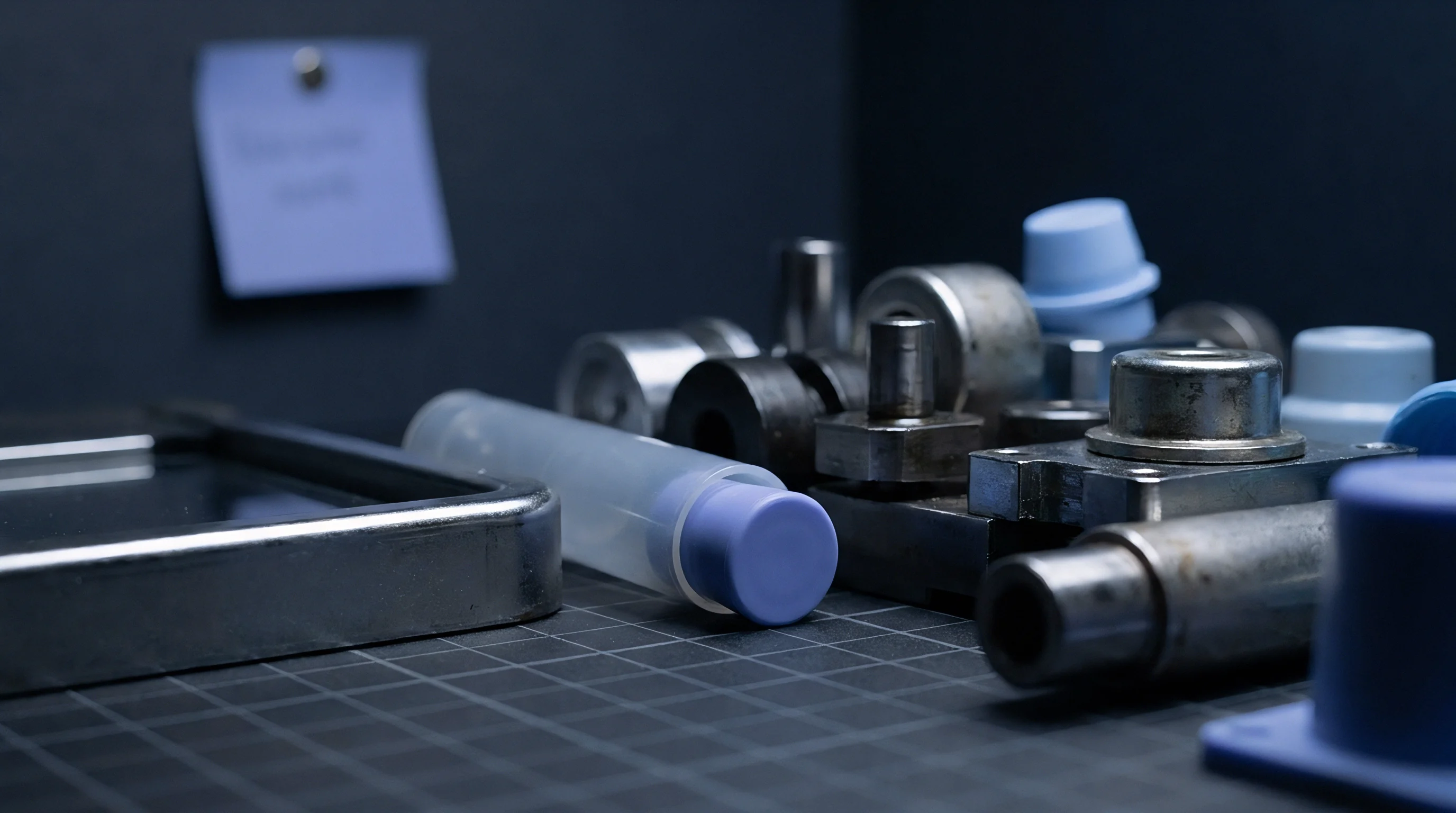
Bonded Freight Networks and Custody Chain Verification
Specialized heavy haulers move high-tonnage tooling under customs seals directly between international ports and receiving toolrooms. Bonded freight allows high-value tooling to move through transport hubs without undergoing repetitive customs inspections or container unpacks. Bonded logistics providers maintain uninterrupted custody documentation, offering continuous GPS tracking, shock-sensor logging, and climate monitoring from the moment the tool leaves the supplier platen until it reaches the receiving factory floor.
Chain-of-custody documentation must track physical handoffs at every leg of the trip. Riggers, port handlers, customs inspectors, and freight forwarders must sign formal receipts verifying condition, seal integrity, and shock-sensor status at each transfer point. If a container is dropped during loading at a terminal, shock-sensor logs pinpoint the exact window of liability, allowing immediate insurance claims and inspection before the tool enters a secondary facility.
Freight documentation should include detailed transport instructions outlining explicit handling protocols: using soft-slings on finished mounting surfaces, banning uncovered outdoor storage, and requiring climate-controlled warehousing during transshipment delays. Coupling rigorous packing protocols with bonded custody chains ensures that recovered tools arrive at secondary facilities in production-ready condition.
Mold plates remain vulnerable to catastrophic internal alignment pins shear whenever unlatched slides shift during transit.
Mold assemblies move safely across borders only when mechanical locks match lifting weights and environmental packaging completely shields raw tool steel from marine humidity.

Remedy
When informal negotiations and judicial petitions fail to release tooling, procurement teams must weigh direct physical recovery against building duplicate tooling. Brand owners facing recalcitrant offshore suppliers have three main recovery paths: negotiated financial settlement, judicial seizure, or emergency duplicate tooling fabrication. Choosing among them requires comparing direct legal costs, unamortized asset liabilities, physical recovery risks, and lost market share caused by extended supply disruptions.
Judicial intervention in foreign courts often yields slow, uncertain results. Obtaining a preliminary injunction or asset preservation order can take six to eighteen months, during which the mold sits idle in an uncontrolled facility, vulnerable to rust, cannibalization, or unauthorized use. Local courts may also demand substantial cash indemnification bonds before granting temporary repossession orders.
Calculating the net present value of judicial recovery often reveals that legal proceedings cost more than cutting replacement steel.
Is Physical Extraction Feasible without Local Judicial Intervention?
Direct physical extraction using private security and heavy riggers carries severe criminal risks unless sanctioned by a formal court order. Entering a supplier facility without local legal authorization or police support constitutes trespass, burglary, or illegal self-help under local penal codes. Plant managers regularly call law enforcement to arrest foreign recovery teams, leading to criminal charges and permanent confiscation of disputed assets.
Physical extraction works only when conducted through voluntary, negotiated access agreements executed with plant owners and backed by local authorities.
Negotiated settlements are usually the fastest, most cost-effective path to recovery. Moulders holding tools hostage generally seek compensation for unamortized setup costs, obsolete material inventory, or unpaid part invoices. Establishing an escrow structure managed by an independent international bank or law firm enables financial settlement while securing asset release.
Under an escrow agreement, funds release to the supplier only after the buyer’s technical team verifies tool completeness, conducts press-side inspection, and loads the asset onto an authorized transport vehicle.

Duplicate Tooling Financial Break-Even Analysis
Cutting a replacement tool in a domestic shop requires comparing immediate milling costs against accumulated downtime losses. When an offshore supplier blocks recovery, supply chain managers must calculate the break-even timeline where building a replacement mold makes more financial sense than continuing legal extractions. That calculation hinges on cycle time requirements, cavitation counts, resin lead times, and daily lost contribution margins from unfulfilled orders.
A net present value calculation comparing duplicate tooling against legal recovery clarified options for a high-volume medical device housing. The original tool was an 8-cavity hot-runner mold locked in a dispute over a $180,000 retention claim in Eastern Europe. Formal legal recovery was projected to take 11 months and cost $120,000 in legal fees, court bonds, and administrative expenses, with zero guarantee of success.
Building a replacement 8-cavity tool in a domestic toolroom cost $210,000 with a guaranteed 14-week delivery window. Because lost contribution margin on unfulfilled orders ran at $15,000 per week, waiting 11 months for judicial recovery represented $715,000 in lost profit. The brand owner immediately authorized duplicate tooling fabrication while pursuing financial recovery through international arbitration.
| Remedy Option | Lead Time to Parts | Capital Commitment | Legal Risk Profile | Strategic Viability |
|---|---|---|---|---|
| Negotiated Escrow Settlement | 1 to 3 Weeks | Low to Moderate (10 to 30 percent mold value) | Negligible (Contractual) | Highest when immediate production continuity is paramount |
| Judicial Seizure Order | 24 to 52 Weeks | High (Legal fees plus court security bonds) | Moderate to High (Local judicial bias) | Viable only for high-value, non-replicable complex tooling |
| Emergency Duplicate Tooling | 8 to 16 Weeks | High (100 percent replacement capital) | Zero legal exposure | Optimal when lost product sales exceed replacement steel costs |
| Unsanctioned Physical Extraction | 1 to 3 Days | Variable (Rigging and security costs) | Severe (Criminal charges and asset loss) | Unacceptable risk under standard commercial practices |
Evaluating duplicate tooling options requires analyzing lead times across toolmaking regions. Rapid tooling choices ~ such as pre-machined P20 mold bases, aluminum prototype inserts, or modular frames ~ yield production parts within two to four weeks. While soft tooling has a shorter total shot life (typically 50,000 to 100,000 cycles), it bridges the production gap while fully hardened S136 or H13 tools undergo CNC milling, EDM sinking, and optical polishing in domestic shops.
Unamortized tooling costs declared by off-shore subcontractors exceed original machine shop production expenses by thirty percent during forced contractual separation.
Downtime costs accumulate fast. Managing continuous injection moulding supply chains requires treating tooling assets as mobile, transferable capital rather than permanent supplier fixtures. Establishing modular design standards, enforcing bilingual registered bailments, holding updated 3D CAD drawings in escrow, and tracking operational metrics ensure that brand owners maintain commercial control over physical tooling across international borders.
When legal disputes immobilize primary injection tooling, rapidly deploying duplicate tooling from domestic toolrooms remains the single most effective countermeasure to restore production and eliminate supplier leverage.