Meaning
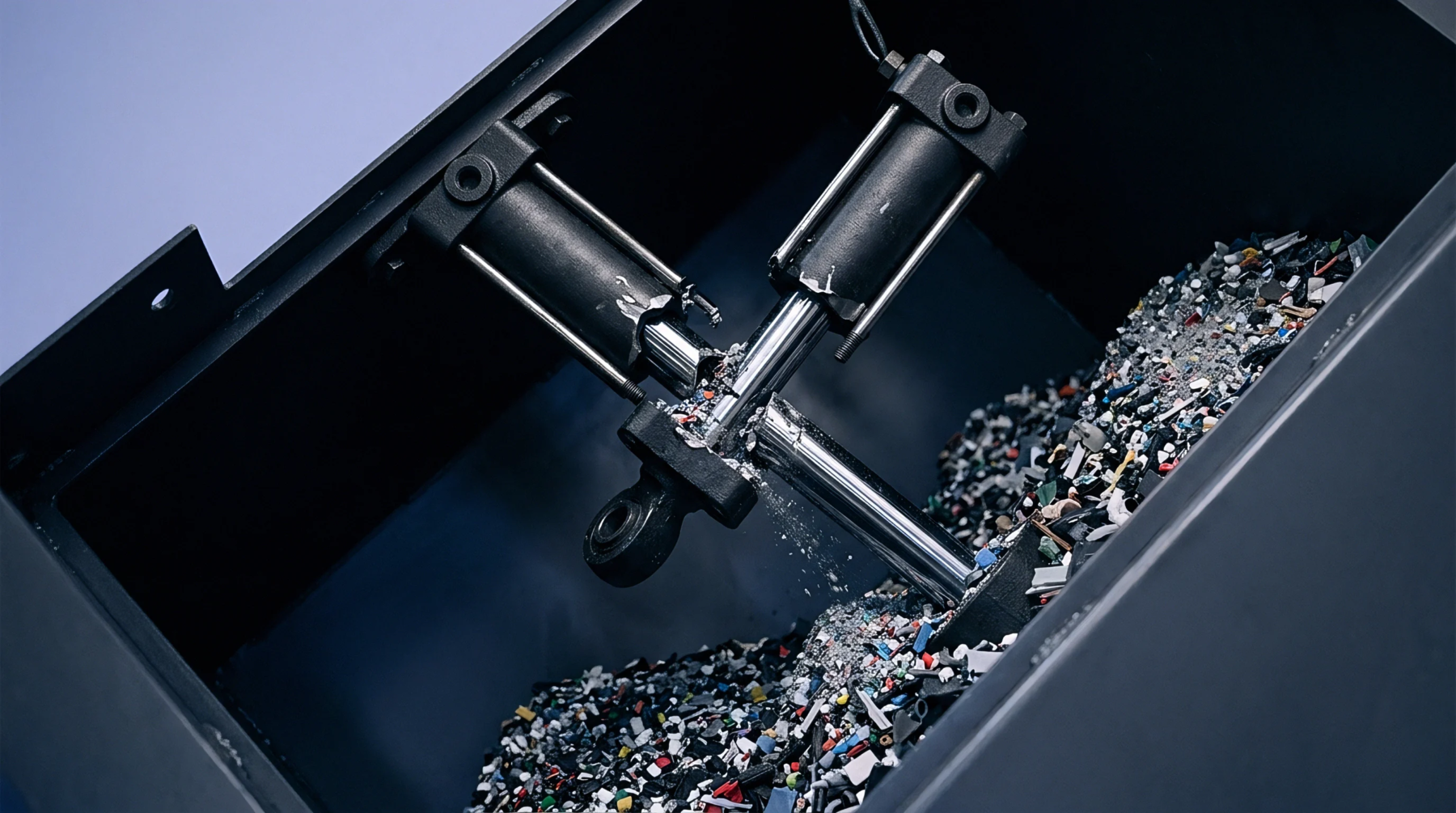
Removal of solid contaminants from a flowing polymer stream occurs by passing the pressurized liquid through a porous barrier. This melt filtration is a necessary step in both polymer recycling and compounding, where it screens out dirt, paper, and unmelted elastomer particles. The process directly impacts the cosmetic and structural integrity of the final product.
Mechanical Screening
Screen changers holding fine steel mesh are positioned along the extruder barrel to capture debris. During melt filtration, the accumulation of trapped particles gradually increases the pressure drop across the screen. If the pressure rises too high, the screen must be changed to prevent polymer degradation or leakage.
Process Efficiency
Continuous screen changers allow for filter replacement without interrupting the production line. By automating the melt filtration process, manufacturers can process highly contaminated recycled resins without experiencing costly downtime. This setup maintains a stable extrusion rate and prevents pressure spikes that would cause variations in part dimensions.
Material Quality
High-quality recycled polymers depend on the fine mesh size used during compounding. Implementing thorough melt filtration prevents small contaminants from acting as stress concentration points in moulded parts. Parts made from well-filtered material exhibit higher impact strength and a superior surface finish, reducing reject rates during production.
This is especially true for thin-walled parts where any microscopic inclusion can cause immediate mechanical failure during assembly or use.