Meaning
Attenuated total reflection Fourier transform infrared spectroscopy is an analytical technique deployed in polymer chemistry to identify unknown compounds and verify molecular structures from solid or liquid samples. Analysts use ATR-FTIR to determine chemical purity, monitor cure kinetics in thermoset resins, and detect oxidative degradation on the surface of extruded profiles. This method stops applying when bulk molecular weight distribution must be measured, because infrared radiation penetrates only a few microns into the sample interface.
Resin Verification
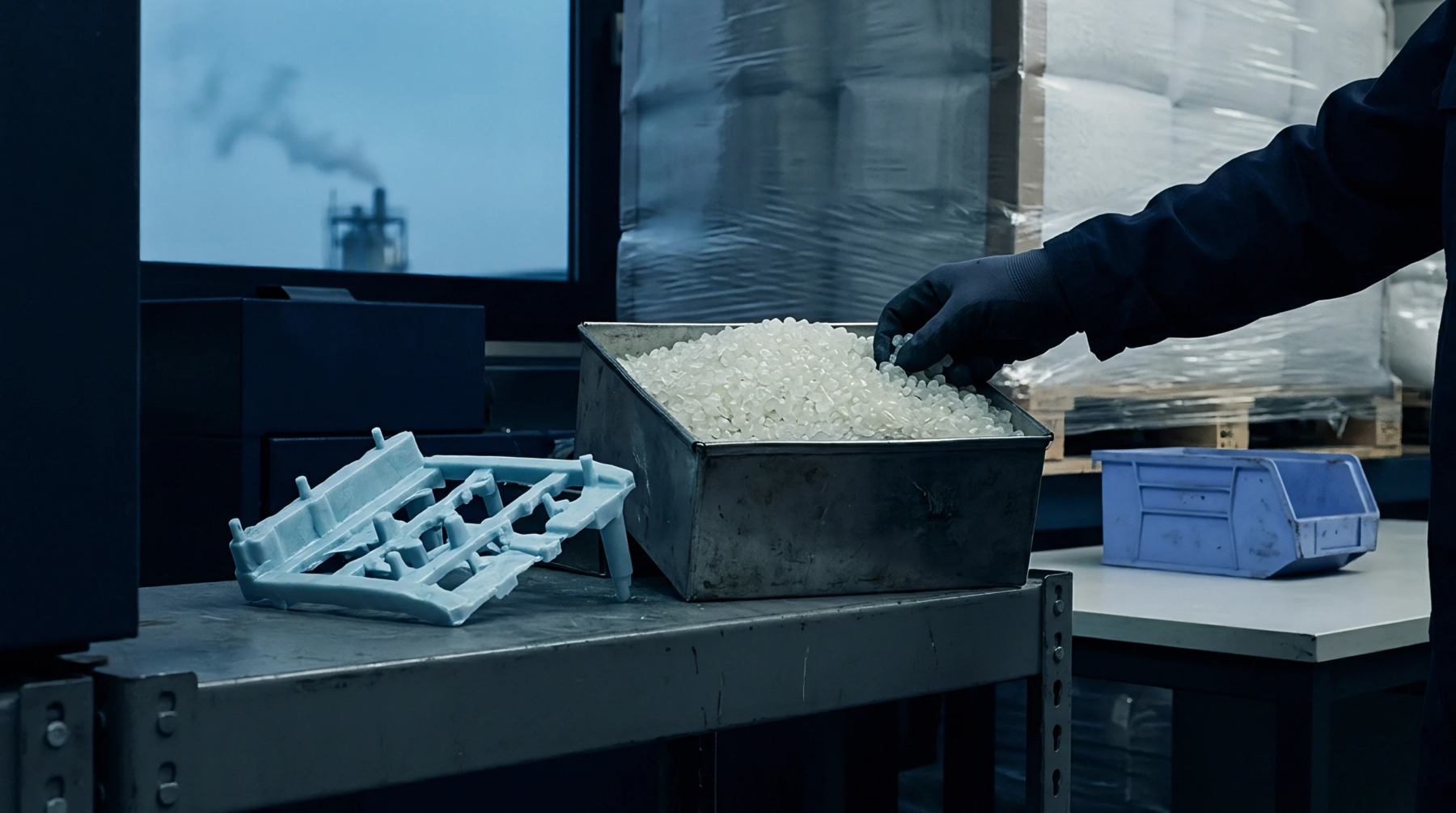
Incoming raw material validation relies on spectral fingerprinting to catch off-spec polymer lots before processing begins. Polyethylene pellets contaminated with polypropylene show distinct absorption bands in the fingerprint region during raw material screening. Virgin resin spectra match reference libraries precisely, whereas regrind materials often exhibit extra carbonyl peaks from thermal history accumulated during previous processing cycles.
Moulding operators compare incoming batches against established baselines to prevent unexpected viscosity shifts during injection.
Process Control
Thermal degradation during plasticisation alters surface chemistry long before mechanical failure occurs in moulded articles. Processing engineers track hydroxyl absorption bands to quantify moisture absorption in hygroscopic engineering thermoplastics prior to high pressure injection. Tooling temperatures set during moulding dictate surface crystallinity, which absorption band ratios reveal within minutes of sample extraction.
Drift in barrel temperature profiles causes immediate changes in spectra peak heights, alerting technicians before scrap rates climb.
Part Specification
Finished component validation requires non-destructive surface testing to ensure functional requirements are met without compromising structural integrity. Part specifications demand strict adherence to allowable additive migration limits, which infrared absorption peak heights quantify accurately. Datasheet values represent ideal laboratory conditions, whereas actual moulded components show property gradients from skin to core due to differential cooling rates.
Quality auditors verify final part performance against regulatory standards by measuring chemical composition directly on the moulded surface rather than relying solely on resin manufacturer certificates.