Meaning
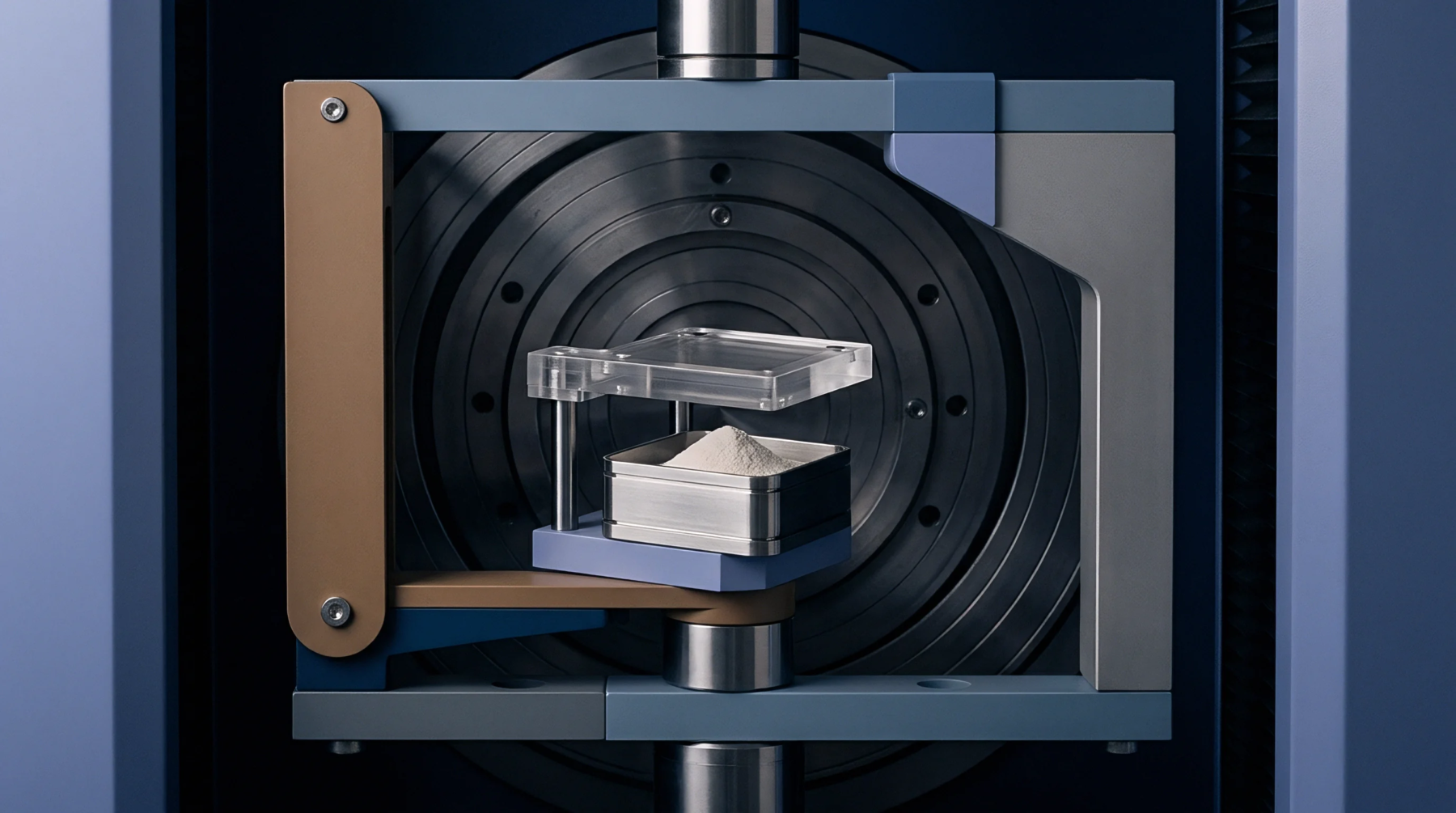
Standardized test protocols establish the rate of extrusion of molten thermoplastic resins through a specified orifice under prescribed conditions of temperature and load. Testing under the ASTM D1238 standard provides the melt flow rate of a polymer, which characterizes the flow behavior of a resin during processing. This measurement represents the output of a material in grams per ten minutes.
Test Mechanism
Extrusion plastometers heat a polymer sample within a heated barrel for a specified time before a piston forces the melt through a standardized die of defined length and diameter. The test apparatus applies a specified load, typically two point one six kilograms or five kilograms, at a temperature selected based on the resin type, such as two hundred and thirty degrees Celsius for polypropylene. Resins with higher molecular weights resist flow, producing lower melt flow index values.
Conversely, shorter polymer chains flow more readily, yielding higher numbers. Technicians cut and weigh the extrudate at precise time intervals to compute the flow rate in grams per ten minutes.
Molding Consequence
Polymer melt viscosity determines how easily a melt fills a mold cavity during the injection phase. When the melt flow index deviates from the datasheet specification, processing pressures fluctuate. Lower flow rates cause short shots or surface defects due to incomplete filling of thin walls.
Higher flow rates can lead to flash at parting lines, requiring immediate process adjustment.
Specification Limit
Materials with identical flow rates often behave differently under high shear. This test measures flow under very low shear conditions, which do not replicate mold filling. Processors use capillary rheometry to obtain a more complete flow profile.