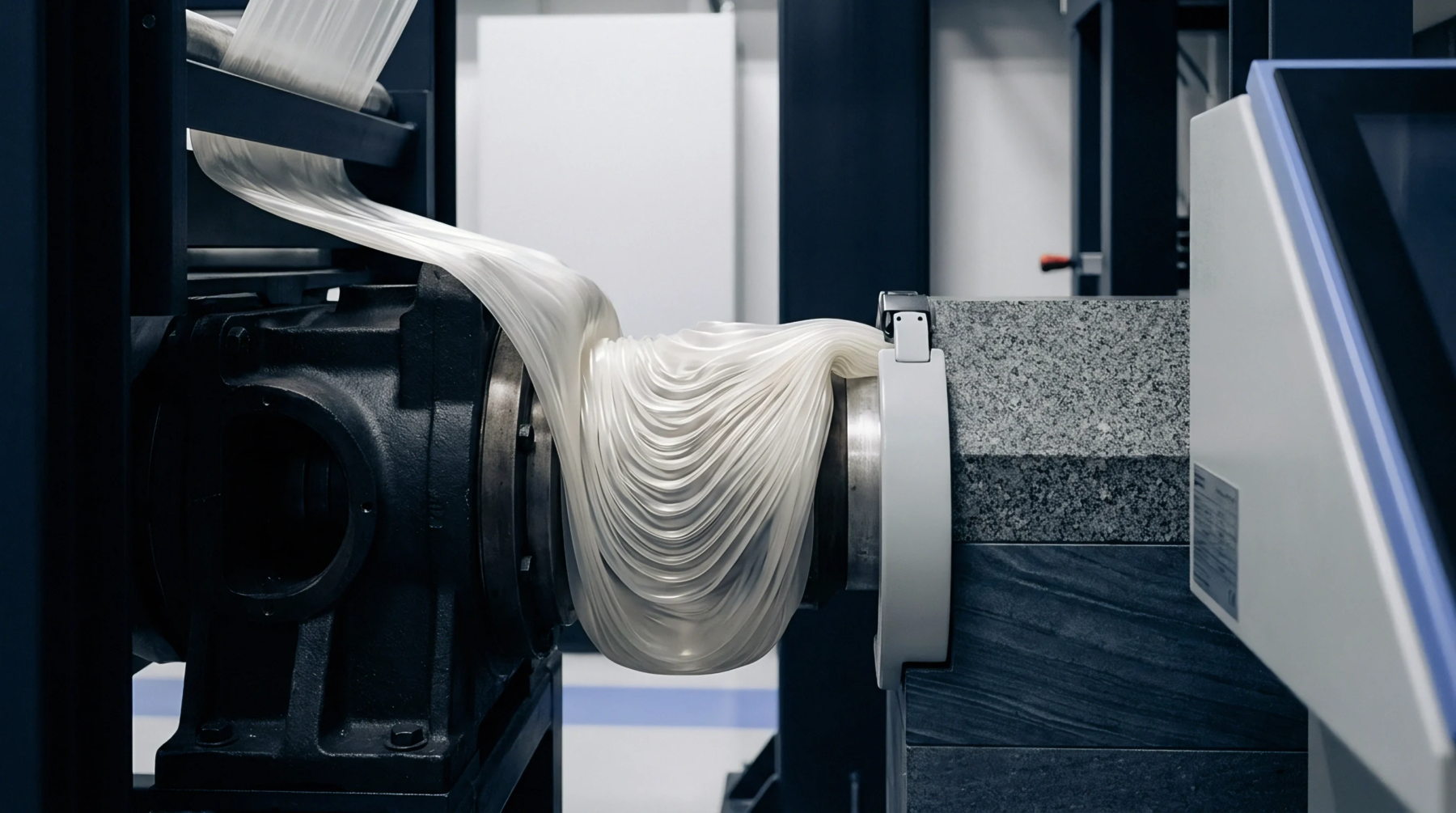
Evaluating Melt Flow Rate Limitations in Recycled Polypropylene Testing
Single point melt flow index testing fails to predict recycled polypropylene processing behavior due to shear thinning and contaminant induced melt instability.
Single point melt flow index testing fails to predict recycled polypropylene processing behavior due to shear thinning and contaminant induced melt instability.

Capillary rheometry establishes binding high-shear viscosity limits that prevent multicavity tool imbalance and part weight variance in post-consumer resins.

High shear molding relies on pseudoplastic shear thinning, requiring capillary rheometry over melt flow index to control viscous heating and pressure losses.

Correcting capillary rheometry data via Bagley and Rabinowitsch protocols is mandatory to prevent up to 50 percent viscosity errors in bimodal HDPE die design.

An unconditioned melt flow value lacks physical meaning without its test load, temperature, and standard protocol specified.
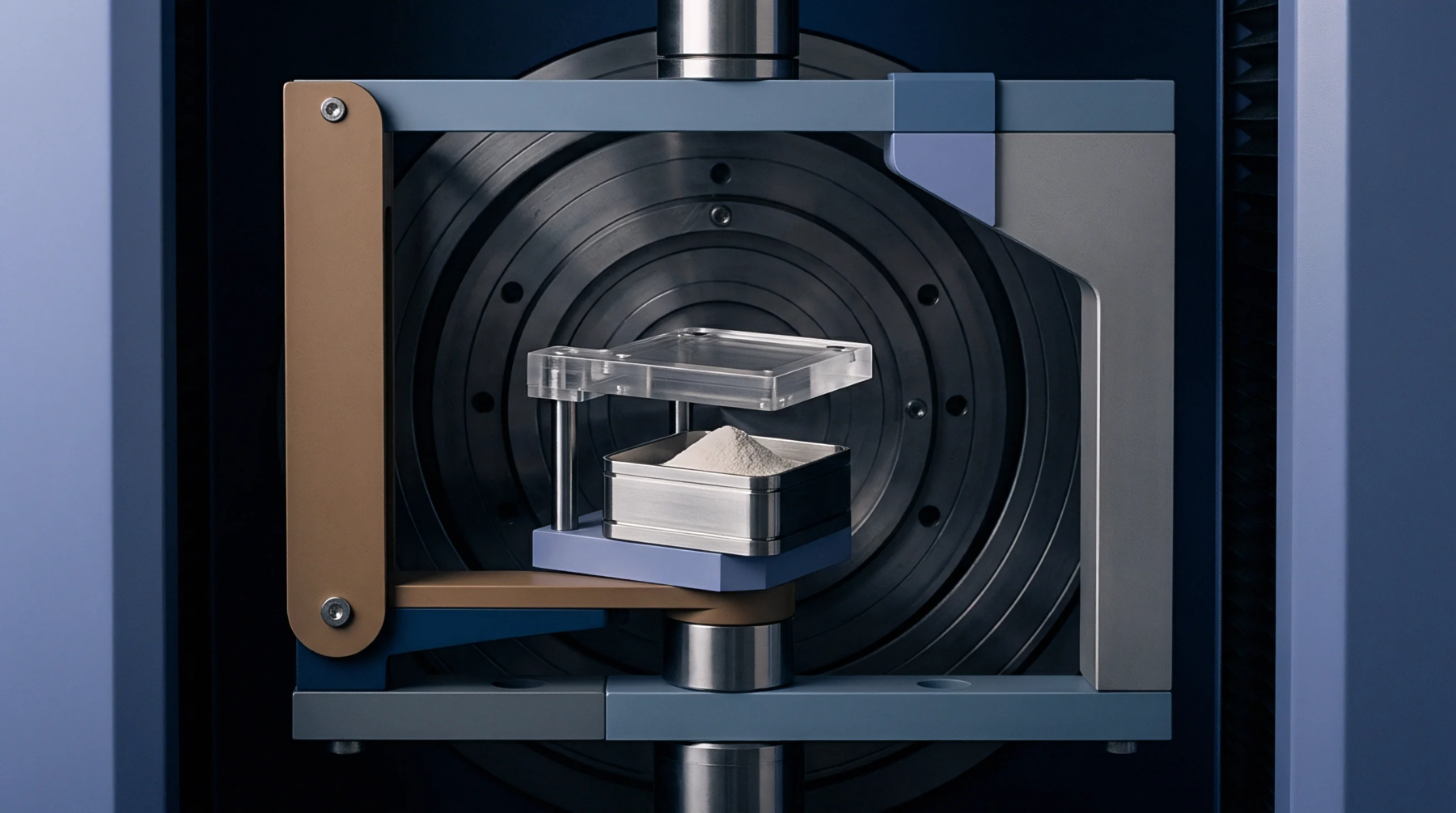
Calibrating high-shear capillary rheology via Bagley and Weissenberg-Rabinowitsch corrections prevents off-spec polyolefin lot processing failures.

Establishing Trouton ratio floors via capillary extensional rheology prevents catastrophic web tear and parison sag in regrind polyolefin blends.

Low-frequency storage modulus and creep recovery accurately quantify ultra-high molecular weight tails in bimodal resins, ensuring stress crack resistance.

Capillary rheometry fails below 10% third-pass regrind because high shear rates mask molecular weight drop beneath equipment noise floors.

Polyethylene sourcing requires specifying exact test loads, temperatures, and standards to isolate molecular structure and enforce contractual lot consistency.

Amorphous extrusate swell dynamics depend on first normal stress differences; controlling land L/H ratio and calender drawdown balances web gauge and shrinkage.
Expertise is a utility, not a secret. sentiention™ publishes its working knowledge as open reference: intelligence layer covering the materials it sources, the markets it enters, and the reference that serves both.