
Amorphous Polymer Melt Rheology and Extrusate Swell Dynamics in Sheet Extrusion
Amorphous extrusate swell dynamics depend on first normal stress differences; controlling land L/H ratio and calender drawdown balances web gauge and shrinkage.
Amorphous extrusate swell dynamics depend on first normal stress differences; controlling land L/H ratio and calender drawdown balances web gauge and shrinkage.

Polyethylene sourcing requires specifying exact test loads, temperatures, and standards to isolate molecular structure and enforce contractual lot consistency.

Capillary rheometry fails below 10% third-pass regrind because high shear rates mask molecular weight drop beneath equipment noise floors.

Low-frequency storage modulus and creep recovery accurately quantify ultra-high molecular weight tails in bimodal resins, ensuring stress crack resistance.

Establishing Trouton ratio floors via capillary extensional rheology prevents catastrophic web tear and parison sag in regrind polyolefin blends.
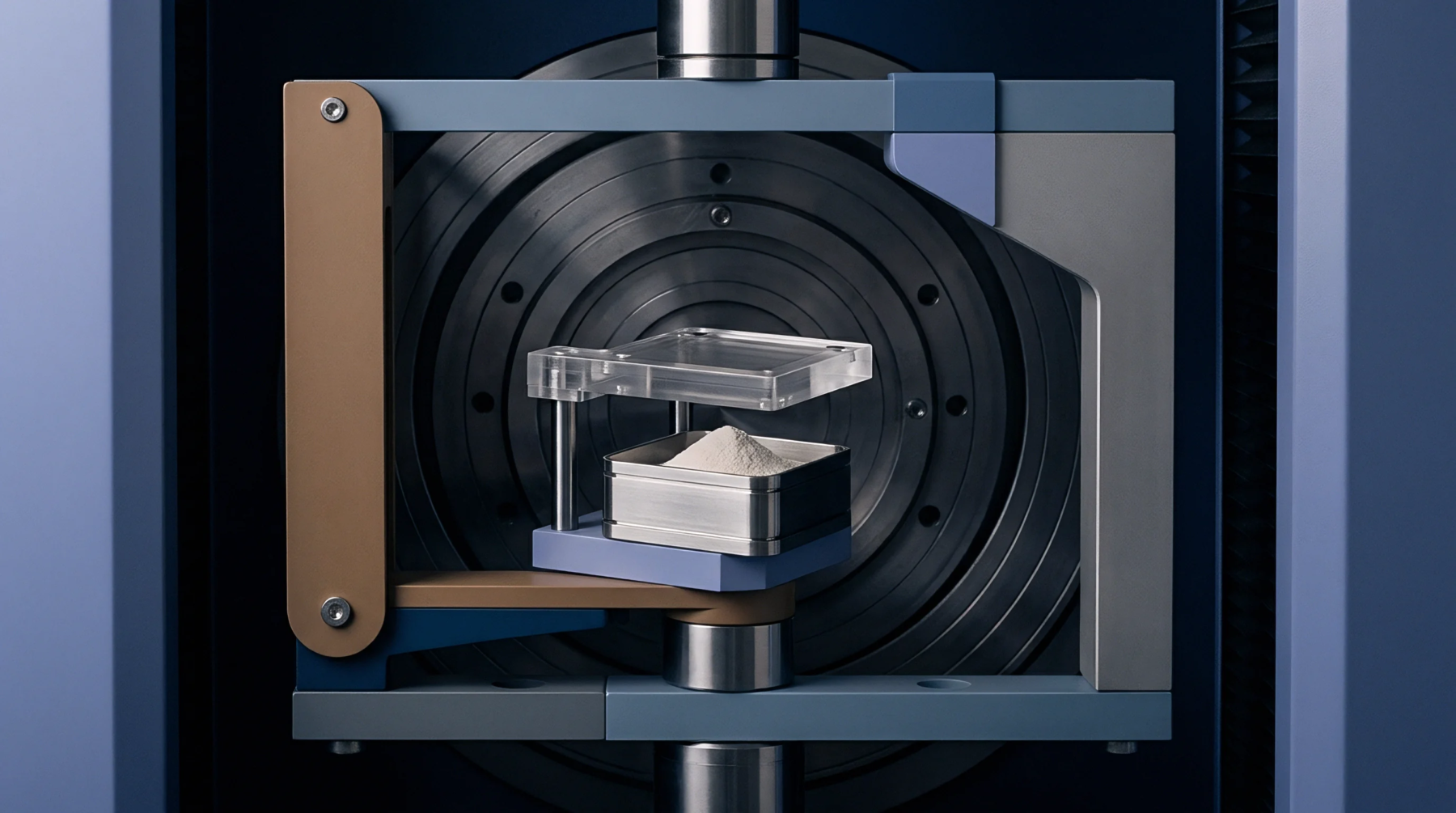
Calibrating high-shear capillary rheology via Bagley and Weissenberg-Rabinowitsch corrections prevents off-spec polyolefin lot processing failures.

An unconditioned melt flow value lacks physical meaning without its test load, temperature, and standard protocol specified.

Correcting capillary rheometry data via Bagley and Rabinowitsch protocols is mandatory to prevent up to 50 percent viscosity errors in bimodal HDPE die design.

High shear molding relies on pseudoplastic shear thinning, requiring capillary rheometry over melt flow index to control viscous heating and pressure losses.

Capillary rheometry establishes binding high-shear viscosity limits that prevent multicavity tool imbalance and part weight variance in post-consumer resins.
Single point melt flow index testing fails to predict recycled polypropylene processing behavior due to shear thinning and contaminant induced melt instability.
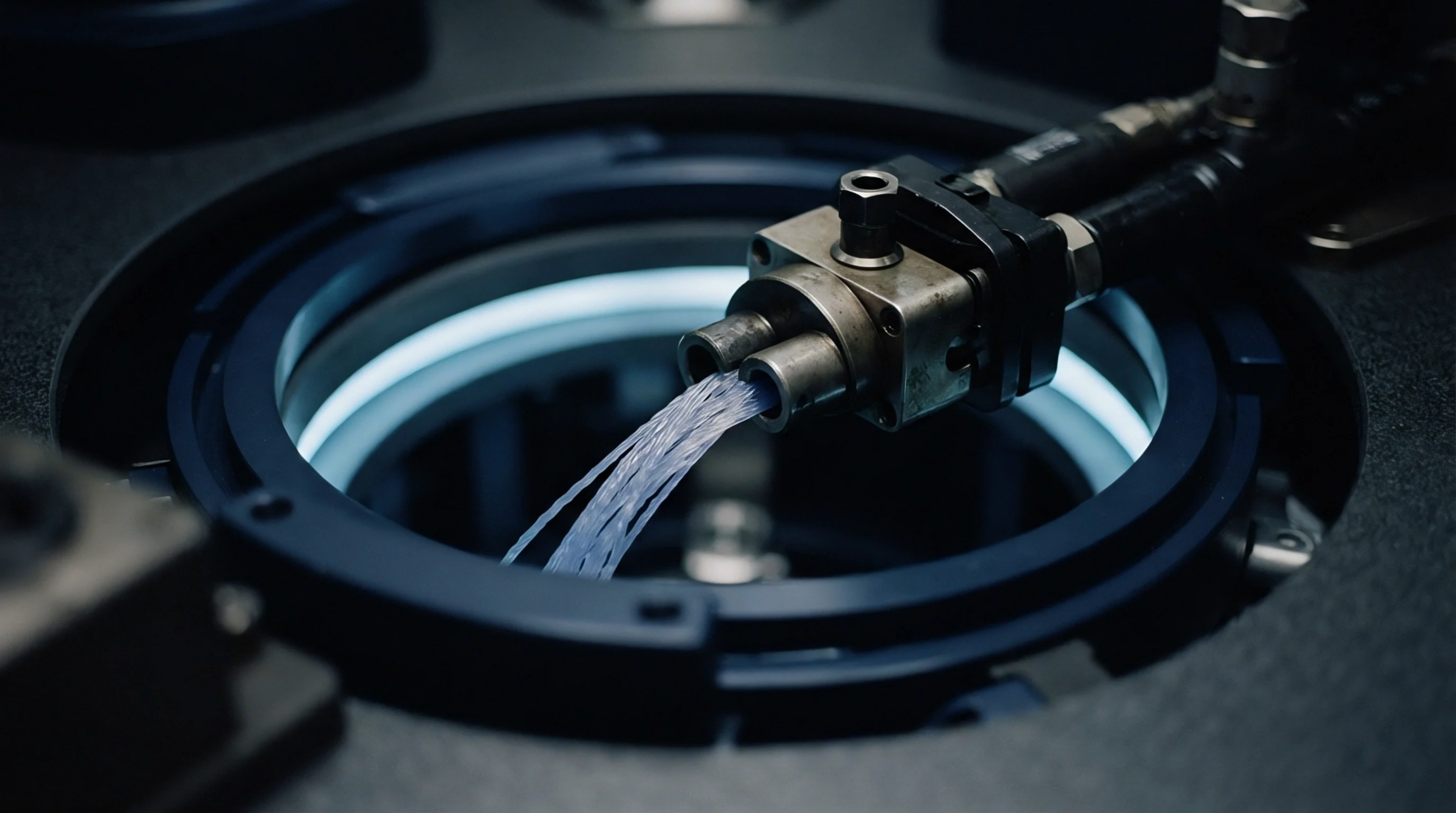
Twin-bore capillary testing at 1,000 to 10,000 s⁻¹ qualifies high-strain regrind by isolating entrance losses, true wall slip, and elastic die swell shifts.
Standard single-load melt index tests mischaracterize high molecular weight polyethylene by ignoring shear thinning, requiring multi-load flow ratio verification.
Polymer shear thinning across pipe die shear rates controls wall pressure, extrudate swell, and sag resistance, requiring multi-point viscosity validation.

Melt stability discrepancies in gas pipe PE100 compounding are resolved by mandating ISO 18488 strain hardening modulus tests alongside standard melt index.

Capillary rheometry requires Bagley and Rabinowitsch-Weissenberg corrections alongside Mooney wall slip analysis to prevent polyolefin blend die miscalculations.
Standard melt indexers measure low shear viscosity, while capillary viscometers capture processable shear rates, requiring multi-weight or high-shear testing.
Dynamic shear viscosity thresholds across operational shear rates prevent extruder surging and wall fracture where single melt flow figures fail.

Analytical rheology characterizes high density polyethylene recyclate degradation via flow rate ratios, zero-shear viscosity, and strain hardening bounds.

Single-point melt index testing misses high-shear flow variance; enforce multi-point ISO 11443 capillary viscosity limits at 5,000 s⁻¹ in resin contracts.

Correlate MFR with high-shear capillary curves using dual-load Flow Rate Ratios and constitutive models to qualify variable resin feeds accurately.

Dynamic inline transducer rheology replaces static melt flow testing with continuous contract settlement metrics for high recyclate compounds.
Capillary rheometry and DSC thermal analysis establish high-shear viscosity and stabilizer limits to qualify recycled polypropylene lots before processing.

Single-point melt index fails to predict processability; high-shear capillary and dynamic oscillatory testing prevent costly tooling scrap and cycle delays.
High-shear reprocessing triggers mechanochemical crosslinking in polyethylenes, generating infusible microgels and swelling that ruin downstream film stability.

Match high-shear viscosity profiles and elasticity ratios rather than plastometer values to prevent phase separation and ensure complete additive dispersion.
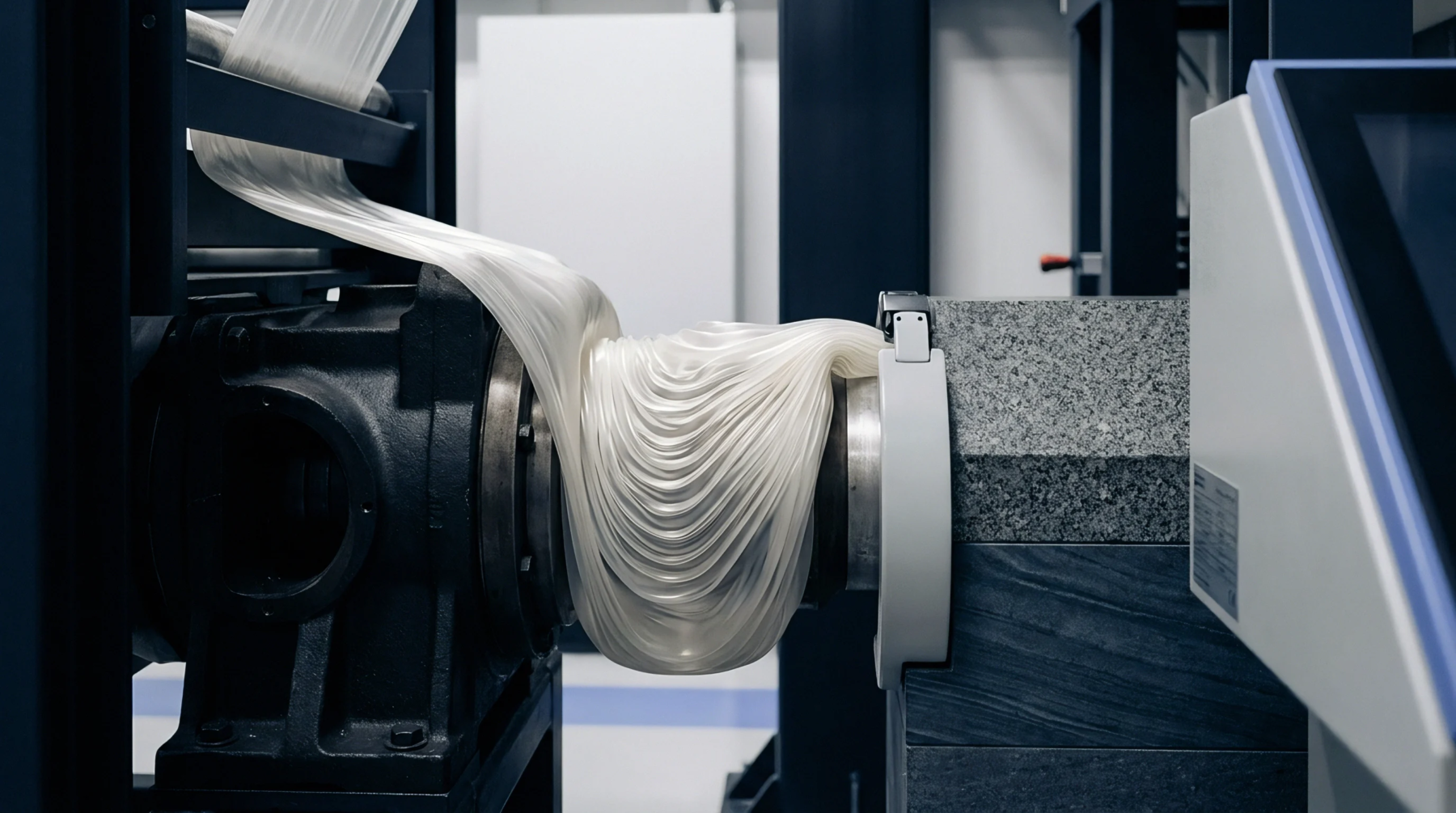
Single-point melt index misses bimodal high-molecular-weight fractions, requiring high-load flow ratio and dynamic shear rheometry for extrusion control.

Uncorrected capillary rheometry overstates bimodal pipe resin shear stress; multi-die Bagley corrections isolate entrance losses to protect line throughput.
Nonlinear Bagley and non-isothermal shear corrections prevent miscalculating die pressure drops and melt fracture thresholds in high-throughput bimodal PE.

Pair high-shear capillary rheometry with DIN EN 13900-5 filtration and DSC enthalpy testing to qualify post-consumer resin before silo discharge.
Expertise is a utility, not a secret. sentiention™ publishes its working knowledge as open reference: intelligence layer covering the materials it sources, the markets it enters, and the reference that serves both.