
Extrusion Shear Induced Degradation Ratios in Recycled Polyethylene Manifold Systems
Maintain manifold shear rates below 300 s⁻¹ and specify 25-minute minimum OIT to prevent catastrophic molecular weight loss in recycled polyethylene extrusion.
Maintain manifold shear rates below 300 s⁻¹ and specify 25-minute minimum OIT to prevent catastrophic molecular weight loss in recycled polyethylene extrusion.

High shear molding relies on pseudoplastic shear thinning, requiring capillary rheometry over melt flow index to control viscous heating and pressure losses.
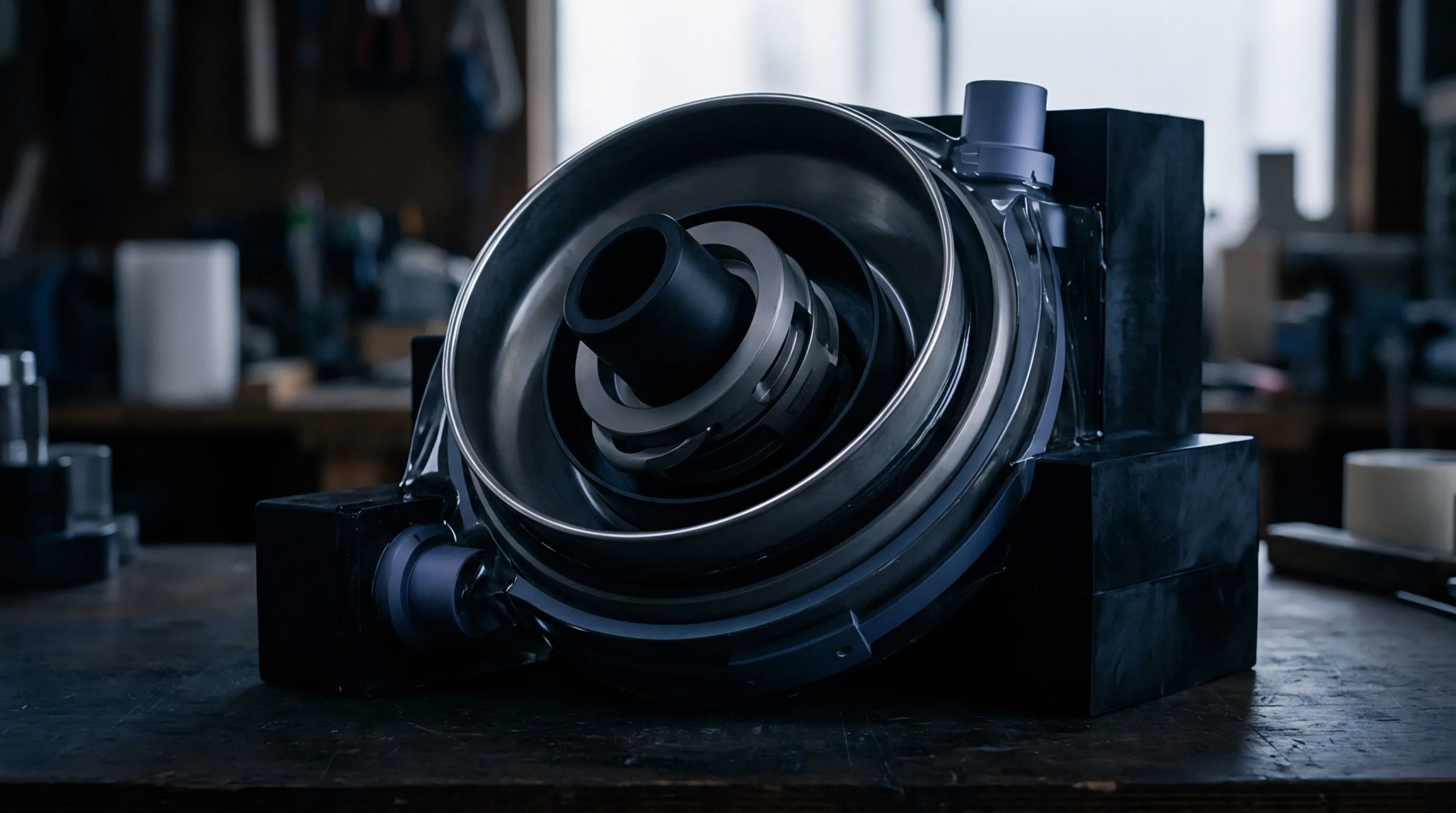
Real-time cavity pressure transducer feedback corrects shear-thinning thermal imbalances in multi-cavity tools by adjusting dynamic V/P crossover points.

High shear compounding degrades ultra-high molecular weight tails through mechanochemical scission, best quantified by zero-shear viscosity and Mz tracking.
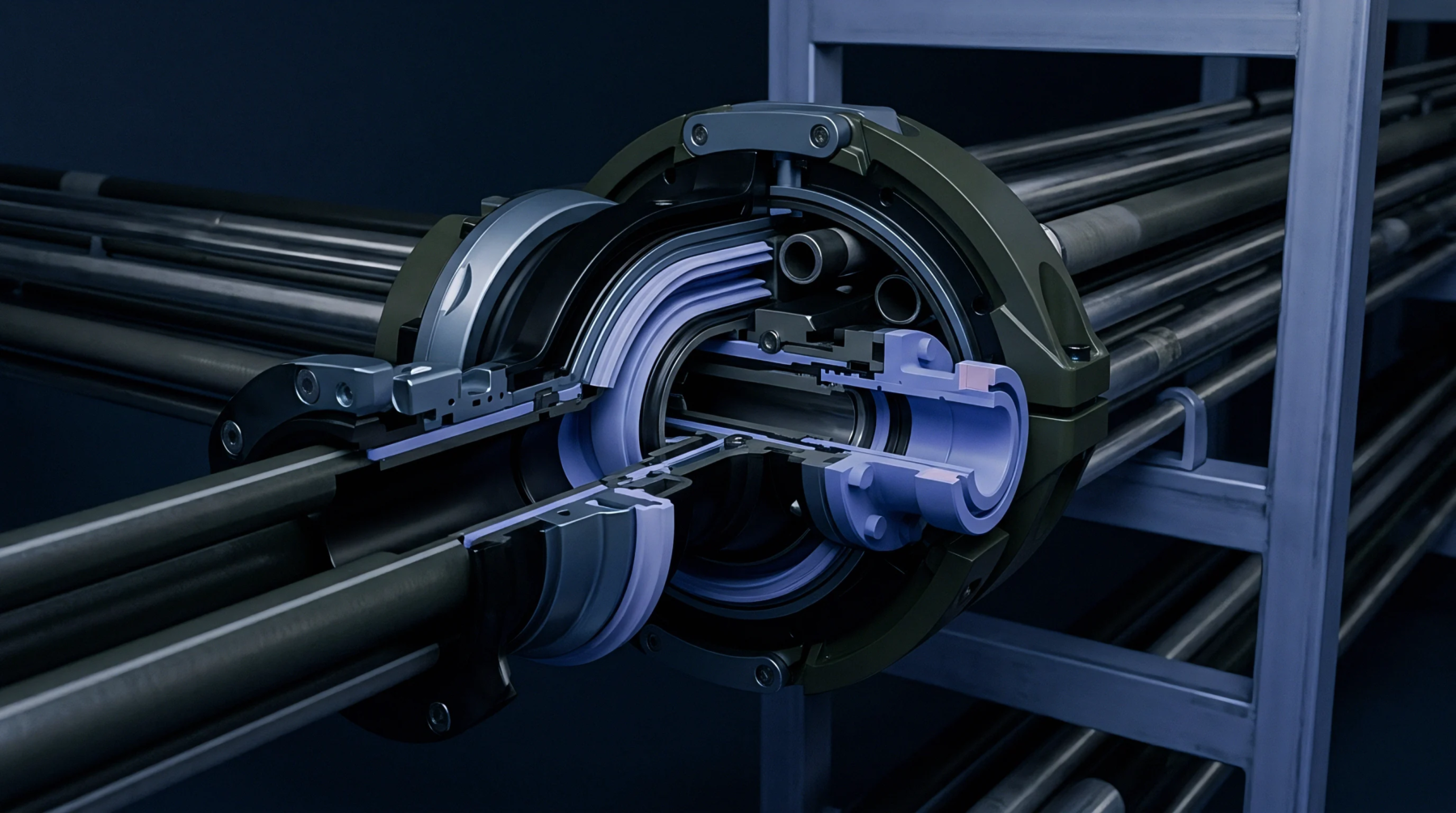
Controlling micro-zone hydrolytic degradation in PET extrusion requires suppressing boundary-layer moisture below 30 ppm and limiting local shear heating spikes.
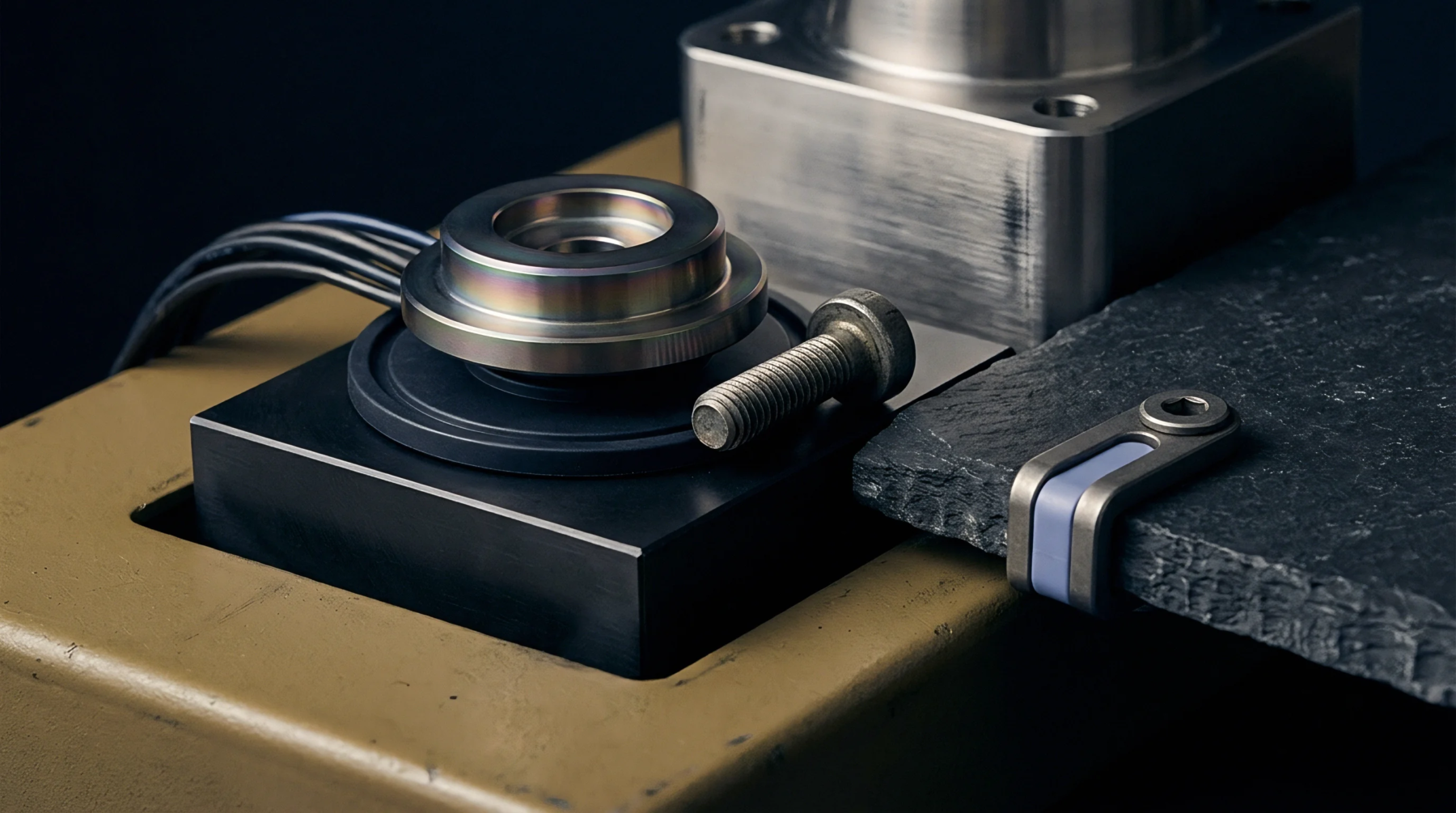
Predictive multiphysics modeling of cavity wall heat flux balances thermal extraction across high-cavitation tooling to cut cycle times and eliminate warpage.

Managing shear imbalance across high-density cavities depends on rotating channel boundary layers at runner splits to equalize melt viscosity before gating.

Dynamic shear lowers thermal degradation thresholds in recycled polyolefins, demanding intake screening of residual stabilizer levels and dynamic viscosity.
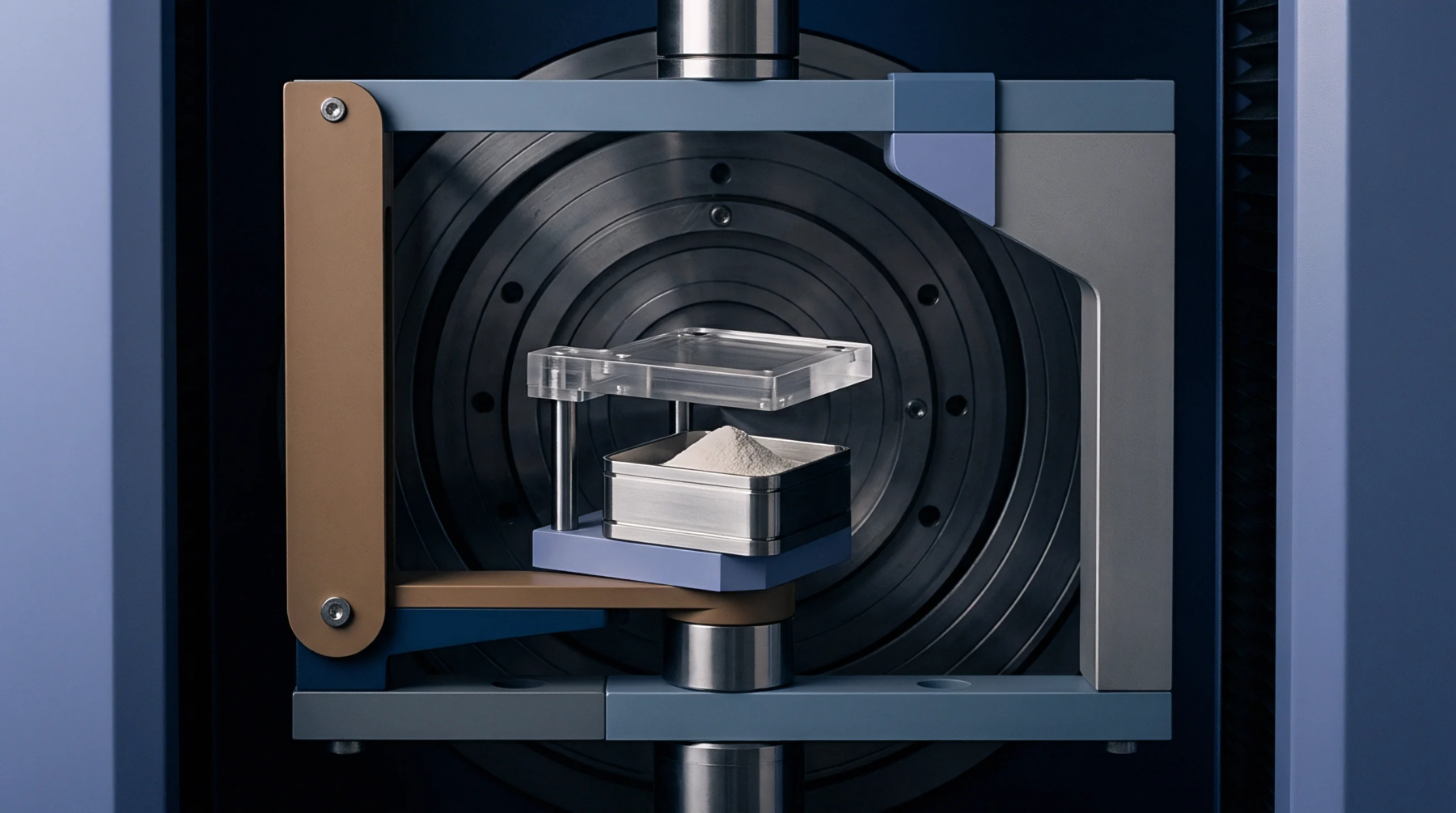
Calibrating high-shear capillary rheology via Bagley and Weissenberg-Rabinowitsch corrections prevents off-spec polyolefin lot processing failures.

Verifying recycled HDPE in multicavity tools requires capillary rheometry beyond standard melt index to map shear thinning and prevent cavity filling imbalance.

Resolving rheological imbalance in high cavitation manifolds demands shear-decoupled runner geometry, active zone heating, and cavity pressure monitoring.

Optimal thermal oxidation stabilizer letdown ratios for post-consumer polyethylene balance melt shear degradation with active antioxidant dosing to minimize landed part cost.

Amorphous extrusate swell dynamics depend on first normal stress differences; controlling land L/H ratio and calender drawdown balances web gauge and shrinkage.
Expertise is a utility, not a secret. sentiention™ publishes its working knowledge as open reference: intelligence layer covering the materials it sources, the markets it enters, and the reference that serves both.