Meaning
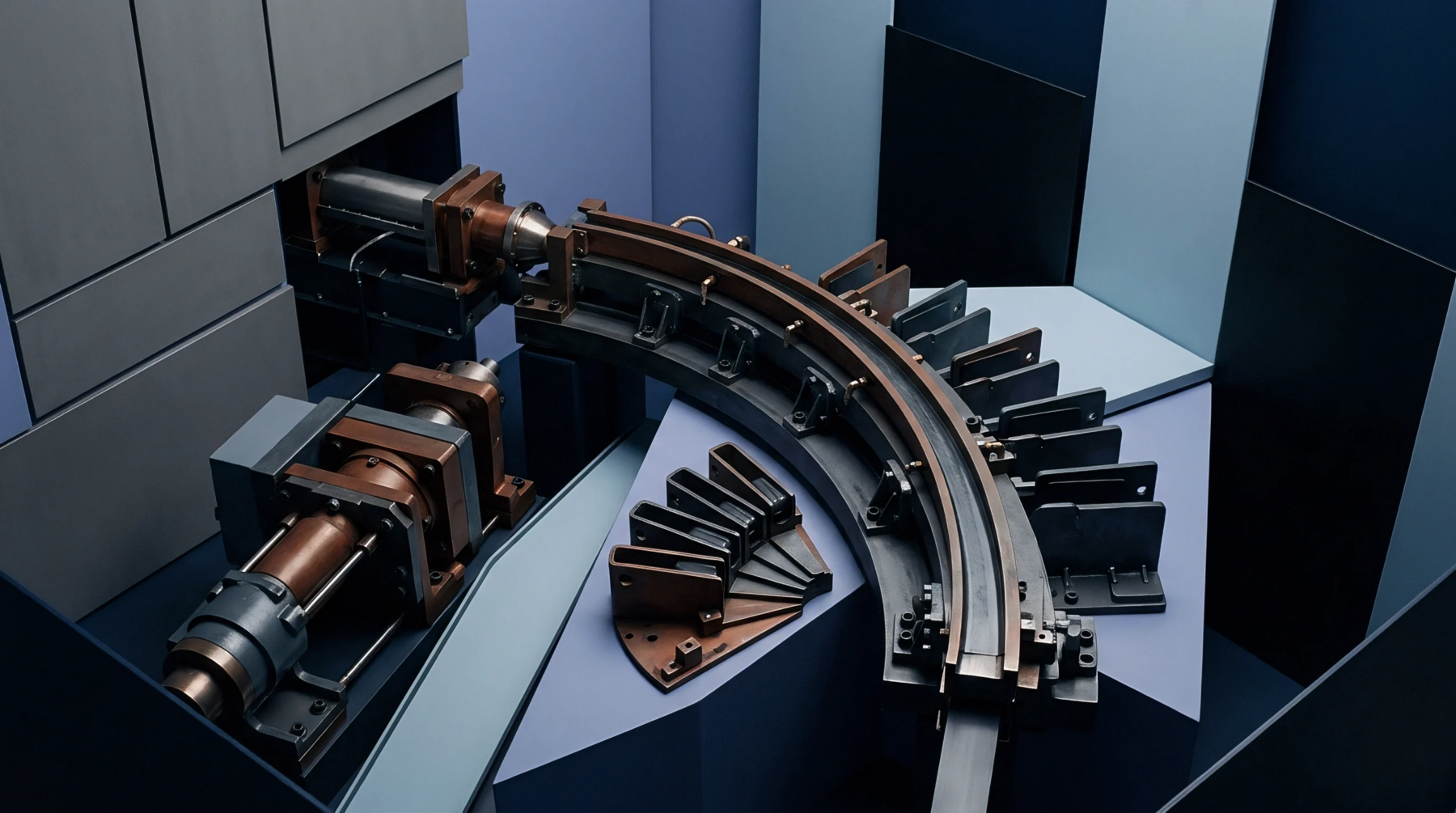
Design approach for multi-cavity injection molds ensures that the flow path from the sprue to every individual gate is identical in length, diameter and direction. This isometric runner layout distributes the polymer melt evenly, so that each cavity receives the material at the same time and pressure. By maintaining equal runner lengths and turn angles, the system prevents uneven filling and packing across the mold.
Flow Balancing
Melt traveling through a traditional branching runner often reaches the inner cavities before the outer ones, creating a natural imbalance. An isometric runner layout forces the material to travel through identical branched turns, keeping the flow fronts synchronized. This uniform delivery helps ensure that the pressure profile is identical at every gate, which is critical for producing consistent parts in a high-cavity tool.
Shear Distribution
Frictional heating along the runner walls is distributed symmetrically when the geometry of each branch is identical. If the flow channel splits unevenly, the hotter material goes to one side and causes uneven filling downstream. This design keeps the hotter and colder melt layers balanced, so that no single cavity receives a higher concentration of sheared, low-viscosity material.
Tooling Specification
Designing these systems requires careful planning of the mold plate layout, as the symmetrical branches can consume more space and material than a simple straight-line runner. This increased runner volume raises the amount of regrind produced per cycle, but the cost is offset by the reduction in rejected parts and the ease of process control. The layout remains the standard for high-precision multi-cavity molding.