Meaning
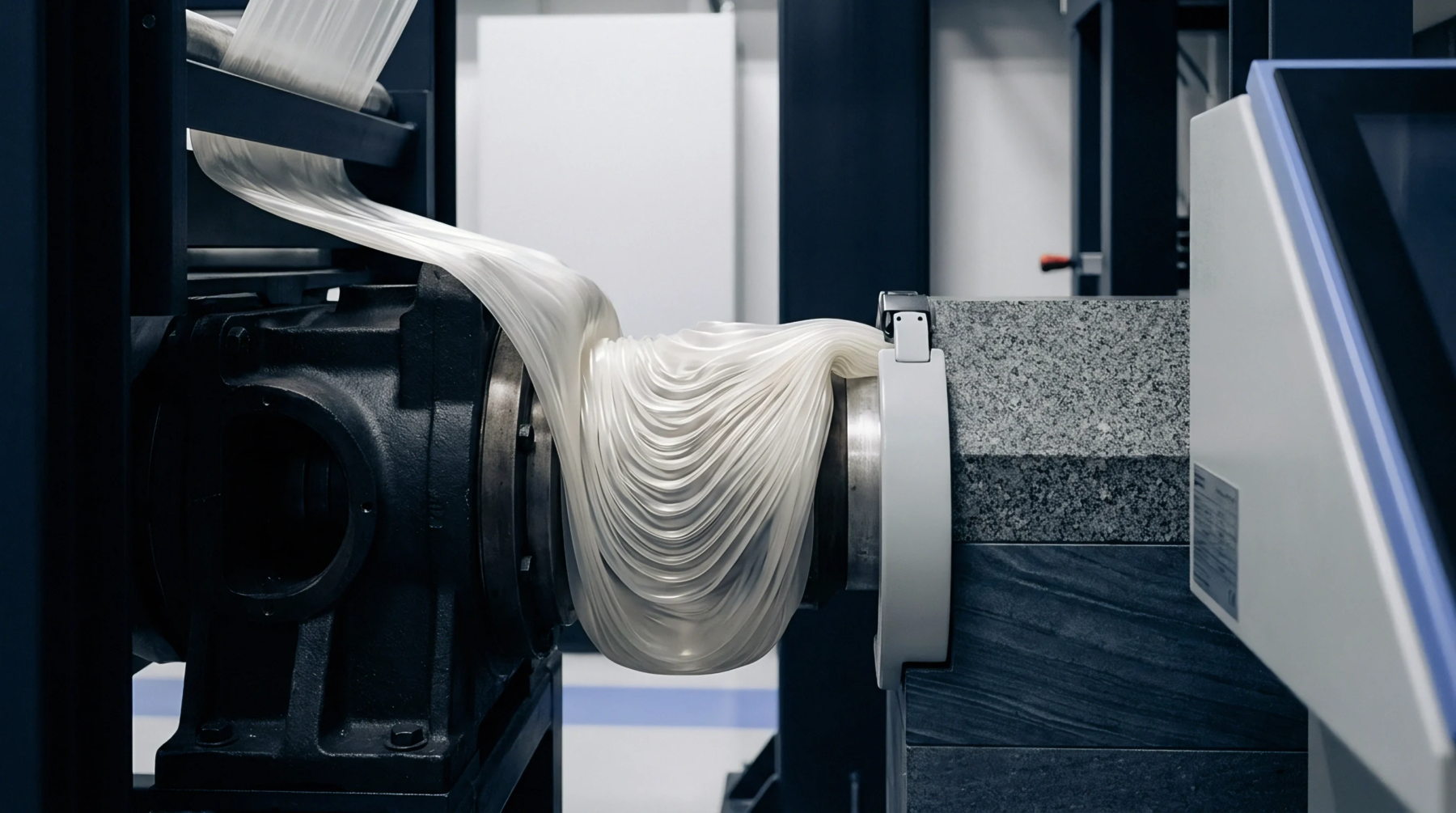
Mathematical exponents defining non Newtonian fluid behavior quantify shear thinning responses in molten polymers across variable shear rates. Rheological characterization uses the power law index to model resin flow through mold channels, runners and injection nozzles. Exponents less than one indicate shear thinning behavior where melt viscosity decreases as shear rates increase.
The empirical model applies strictly within the power law region of the polymer viscosity curve.
Rheological Modeling
Polymer melt viscosity drops dramatically under high speed injection conditions due to molecular chain alignment. Calculating the power law index allows mold filling simulation software to predict pressure drops through complex runner systems. Precise flow models prevent tool over-design and improper gate sizing.
Process Optimization
Resins with low power law index values flow easily into thin wall mould cavities under high injection velocities. Adjusting injection speed utilizes the power law index to reduce melt viscosity without increasing barrel temperatures. Shear thinning reduces required machine clamping force during fill phases.
High shear velocity improves thin wall cavity filling.
Viscosity Bound
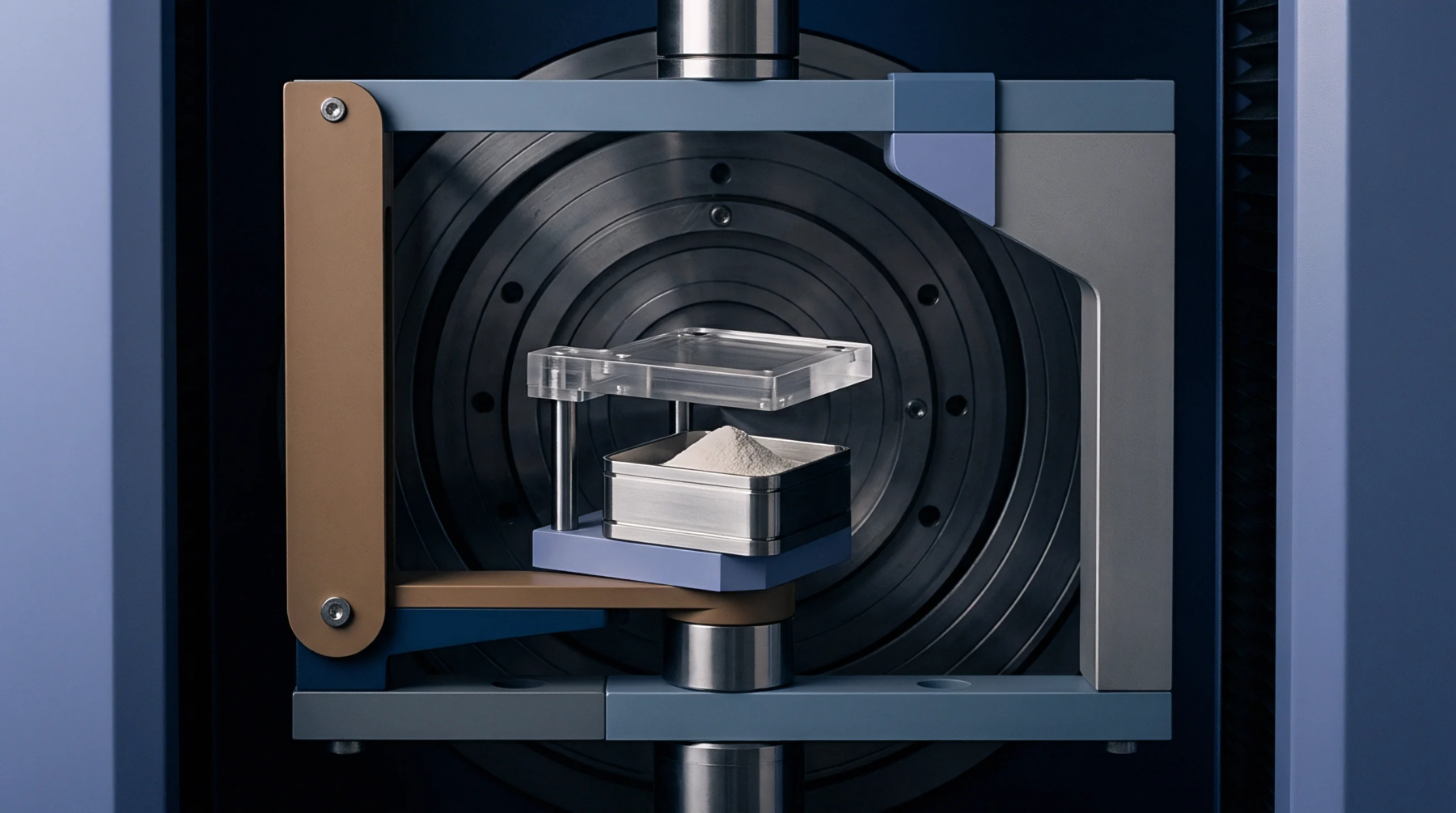
At extremely low or high shear rates, polymer viscosity levels off into Newtonian plateaus where power law assumptions fail. Capillary rheometers measure flow curves to establish valid ranges for power law index calculations. Polycarbonate exhibits less shear thinning than high density polyethylene.
Determining the power law index validates rheological simulation inputs.