Meaning
Cumulative heat cycles record the total exposure of a material to elevated temperatures during manufacturing. The thermal history of a resin begins at the polymerisation plant and continues through compounding and final moulding. Each time the plastic is melted, the molecular chains can undergo changes like scission or crosslinking.
This record determines the final physical properties and the longevity of the moulded part.
Heat Degradation
Temperature breaks down the chemical stabilizers that protect the polymer.
The Crystallisation
Cool down behavior depends on how many times a material has been heated. A complex thermal history can alter the rate at which crystals form as the melt solidifies in the tool. This change leads to variations in the shrinkage and warpage of the finished parts.
Moulders must control their cycle times and temperatures to ensure that every part has a consistent internal structure and predictable dimensions.
Excessive Exposure
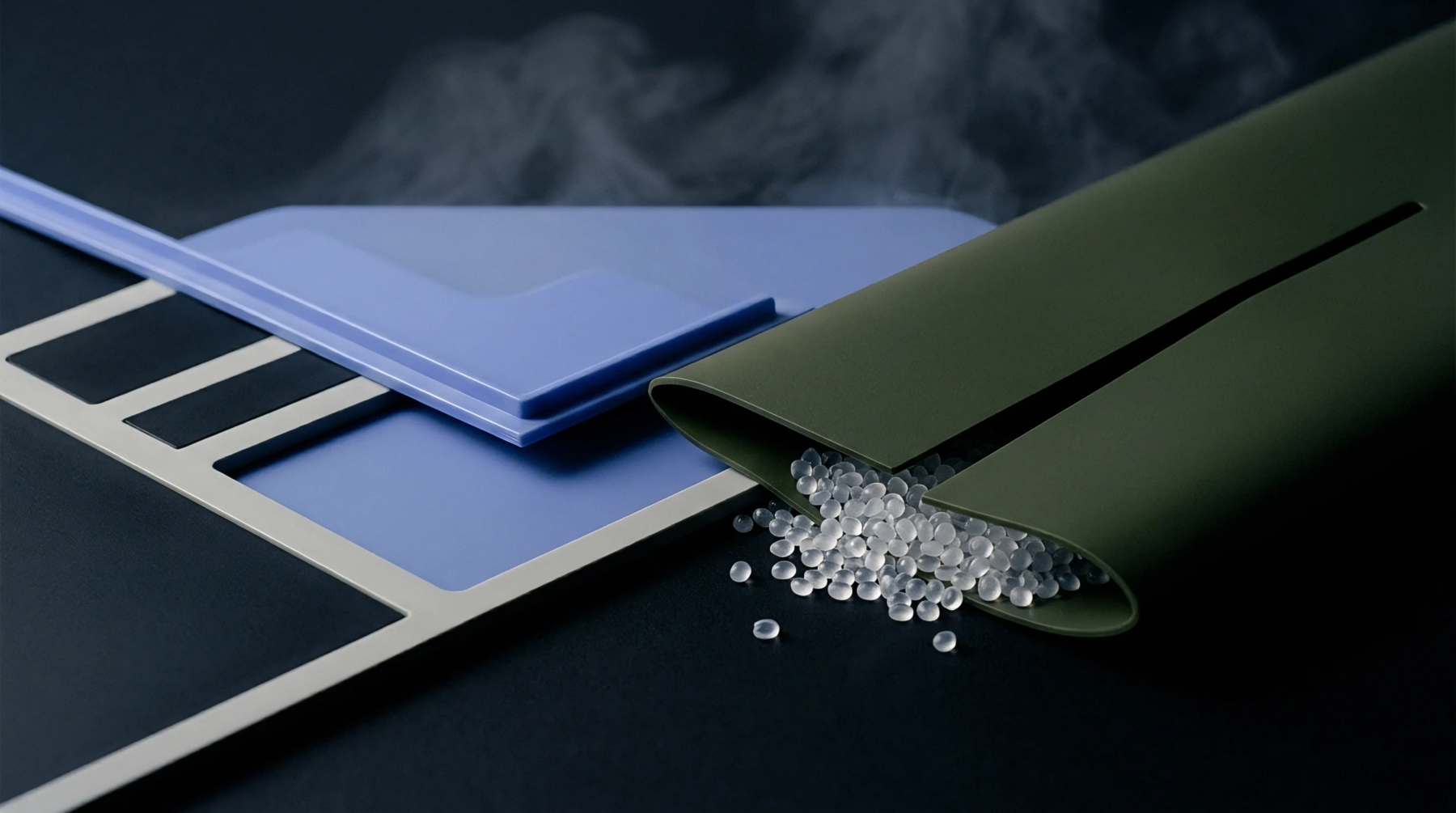
Impact strength and ductility of the plastic decrease after multiple melt cycles. Parts with a poor thermal history may fail prematurely in the field due to environmental stress cracking or simple brittleness. This issue is particularly noticeable when using regrind where the material has already passed through the machine once.
Testing the melt flow rate of the regrind can reveal if the polymer has suffered damage during its previous cycles.