Meaning
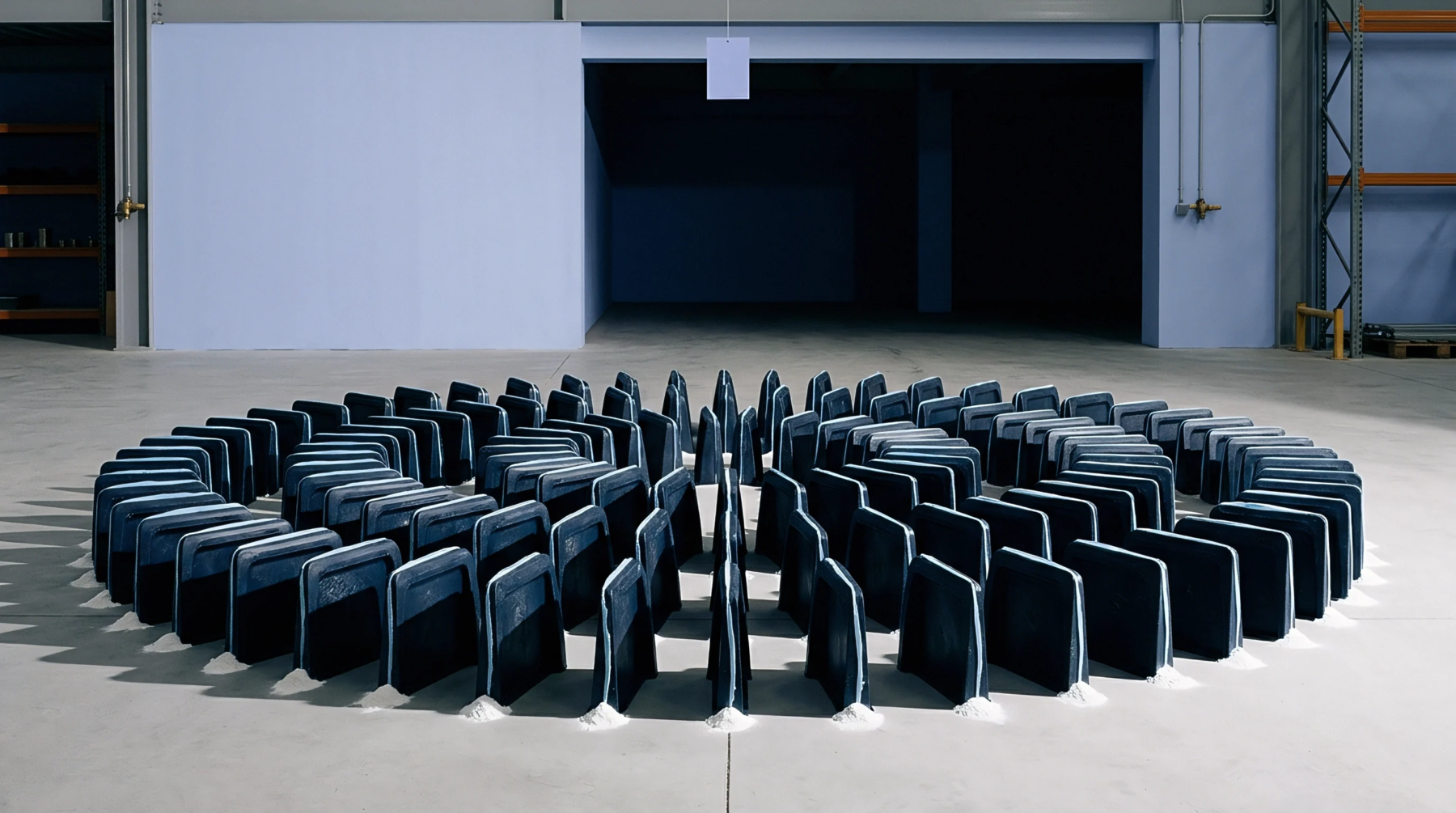
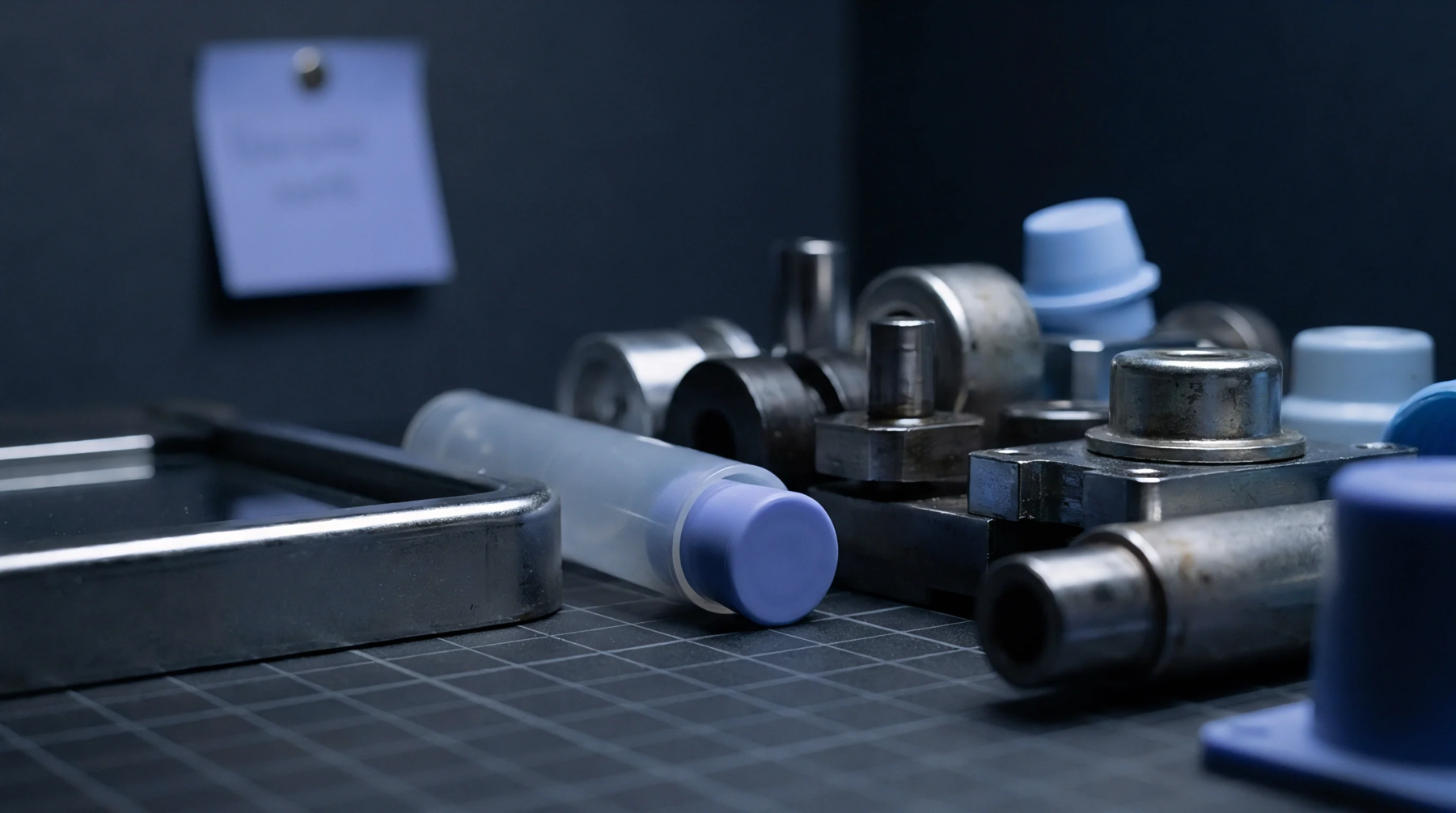
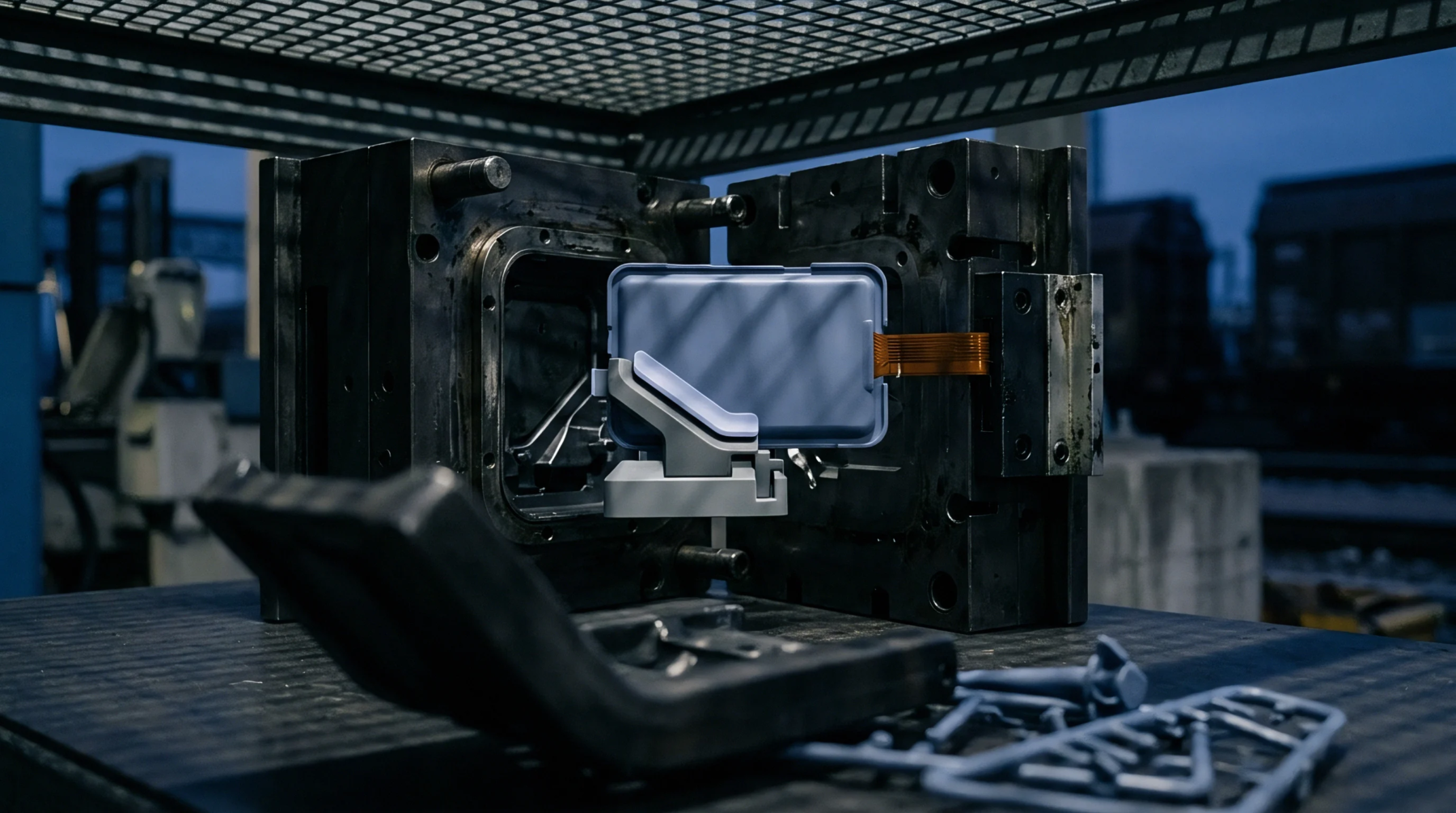
Production mould configurations featuring a large number of identical cavities allow for the simultaneous manufacture of many parts. Utilizing high cavitation tooling increases the output per cycle and reduces the unit cost for high volume consumer goods. These tools require sophisticated hot runner systems to ensure that each cavity fills at the same rate and pressure.
They are most effective for small parts with tight tolerances and high annual demand.
Output Volume
Running a mould with 64 or 128 cavities produces millions of parts in a fraction of the time needed for smaller tools. High cavitation tooling demands a high degree of precision in the manufacturing of every individual insert. Even a small deviation in one cavity can lead to a high scrap rate for the entire batch.
Balance Control
Flow balancing is the most difficult aspect of managing a mould with many openings. In high cavitation tooling, the melt must travel the same distance and experience the same temperature in every channel. If the balance is off, some parts will be short while others will have flash.
Maintenance Requirement
Regular cleaning and inspection are necessary to keep a complex tool running at peak efficiency. Because high cavitation tooling has many moving parts and cooling circuits, the risk of a failure is higher than in a single cavity mould. Down time for these tools is expensive because it stops the production of so many parts at once.