Meaning
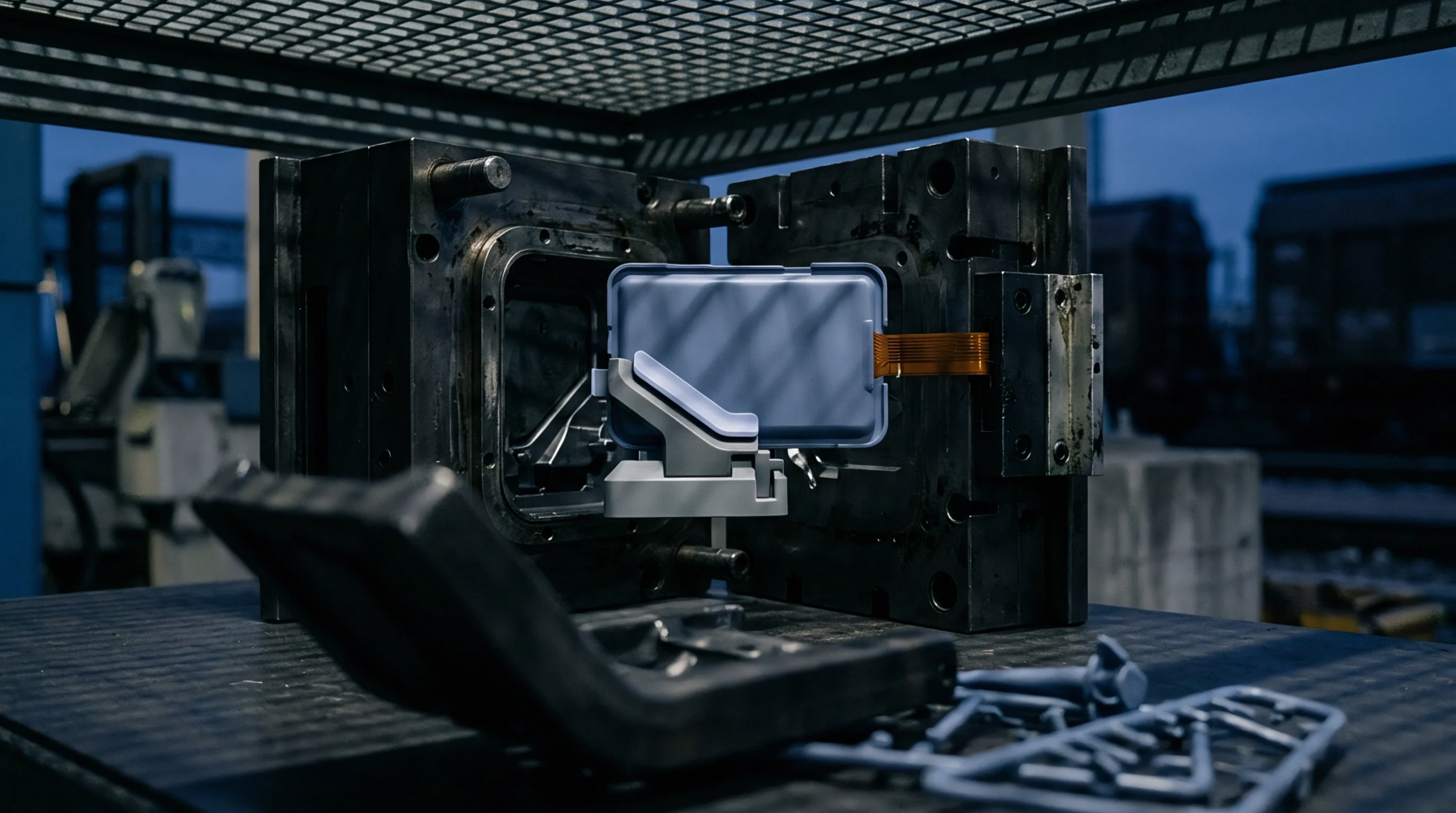
Heat levels present at the interface between the molten polymer and the steel surface of the mold dictate the cooling rate and final crystallinity of the part. This variable is managed through the flow rate and temperature of the coolant circulating in the mold channels. If the cavity wall temperature is too low, the resin may freeze prematurely, causing surface defects or hesitation.
Process Influence
Variations in this parameter change the shrink rate of the molded part. High temperatures allow the polymer chains more time to organize into crystalline structures. This results in higher density and greater mechanical strength but increases the total cycle time.
Monitoring Method
Thermocouples embedded within the mold steel provide real-time data on the thermal state of the cavity surface. The sensor is placed as close to the molding surface as possible to capture the fluctuations during each cycle. Data from these sensors allows the controller to adjust the heater or chiller settings to maintain stability.
Quality Correlation
Surface finish quality depends on maintaining a specific heat level until the pack phase is complete. When the cavity wall temperature drifts from the setpoint, the part may exhibit weld lines, sink marks or dull spots. Consistent thermal control ensures that the aesthetic and dimensional requirements of the specification are met across thousands of cycles.
It also prevents the warping that occurs when one side of the mold is hotter than the other.