Meaning
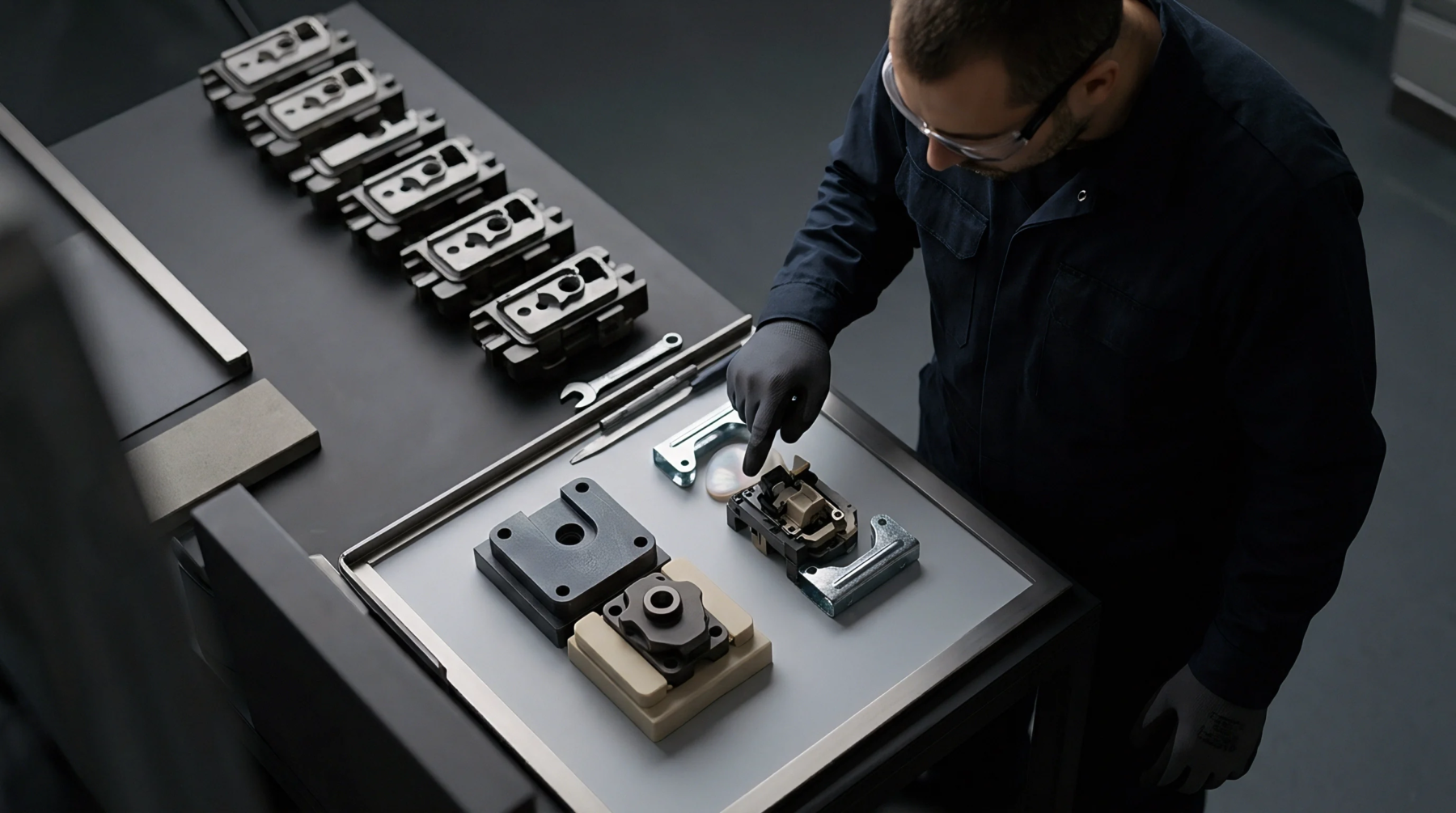
Physical barriers and engineered air gaps between tool assemblies reduce conductive heat transfer between adjacent zones operating at differing target temperatures. Processing engineers implement thermal isolation between hot runner manifolds, heated cavity inserts, and cold mould clamping plates to maintain tight thermal boundaries within injection tools. This restriction prevents heat from migrating into the machine platen, keeping molten runner passages at processing temperature while allowing moulded parts to cool rapidly in the cavity.
The application boundary ends at deliberate mechanical contact points, where structural support blocks necessarily bridge the thermal gap.
Engineering Mechanics
Tool builders employ low-conductivity composite insulation sheets, ceramic locator buttons, and precision air gaps to construct barriers around hot runner assemblies. Effective thermal isolation demands insulation boards capable of bearing high compressive clamping tonnages without crushing or creeping across millions of cycles. Crushed insulation boards reduce physical separation, causing direct metal-to-metal conduction that leaches heat into machine platens and warps clamping structures.
Air pockets surrounding hot runner nozzles must remain clean and unobstructed by degraded plastic drool or scale. Structural locator rings and dowel pins introduce conduction leaks if designed without minimal contact footprints or thermal breaks.
Moulding Stability
Maintaining stable thermal boundaries prevents cold spots within runner manifolds that induce premature polymer freeze-off and localized resin degradation. Inadequate thermal isolation allows uncontrolled heat soak into cooling circuits, extending cycle times and inducing asymmetric part shrinkage that warps flat plastic panels. Semicrystalline polymers like polyamide or polybutylene terephthalate demand consistent mould wall temperatures to achieve uniform crystalline morphology, which failing insulation compromises.
Hot spots near the cavity surface cause sink marks, burn marks, and post-mould part distortion that cannot be corrected by adjusting holding pressure. Energy consumption spikes sharply when cooling chillers and manifold heating elements continuously compete across uninsulated steel plates.
Material Resilience
Structural insulation boards must exhibit high thermal resistance, low water absorption, and high compressive strength under combined heat and pressure. Polymer sourcing teams verify insulation properties against manufacturer datasheets, balancing thermal conductivity coefficients against maximum continuous service limits. Regrind material processed through thermally unstable tools exhibits variable degradation rates because uneven plate temperatures create wide residential melt viscosity swings.
Worn insulation allows hydraulic cylinders and electrical actuation components to overheat, leading to seal failure and electrical actuator stall. Rigorous maintenance requires inspecting insulation plate thickness during scheduled mould teardowns to preempt thermal migration.