
Determining Shut off Land Relief and Contact Stress in Multi Cavity Tooling
Balancing shut-off land relief area against clamp force prevents steel hobbing while holding plastic melt seal across multi-cavity injection tooling.
Balancing shut-off land relief area against clamp force prevents steel hobbing while holding plastic melt seal across multi-cavity injection tooling.
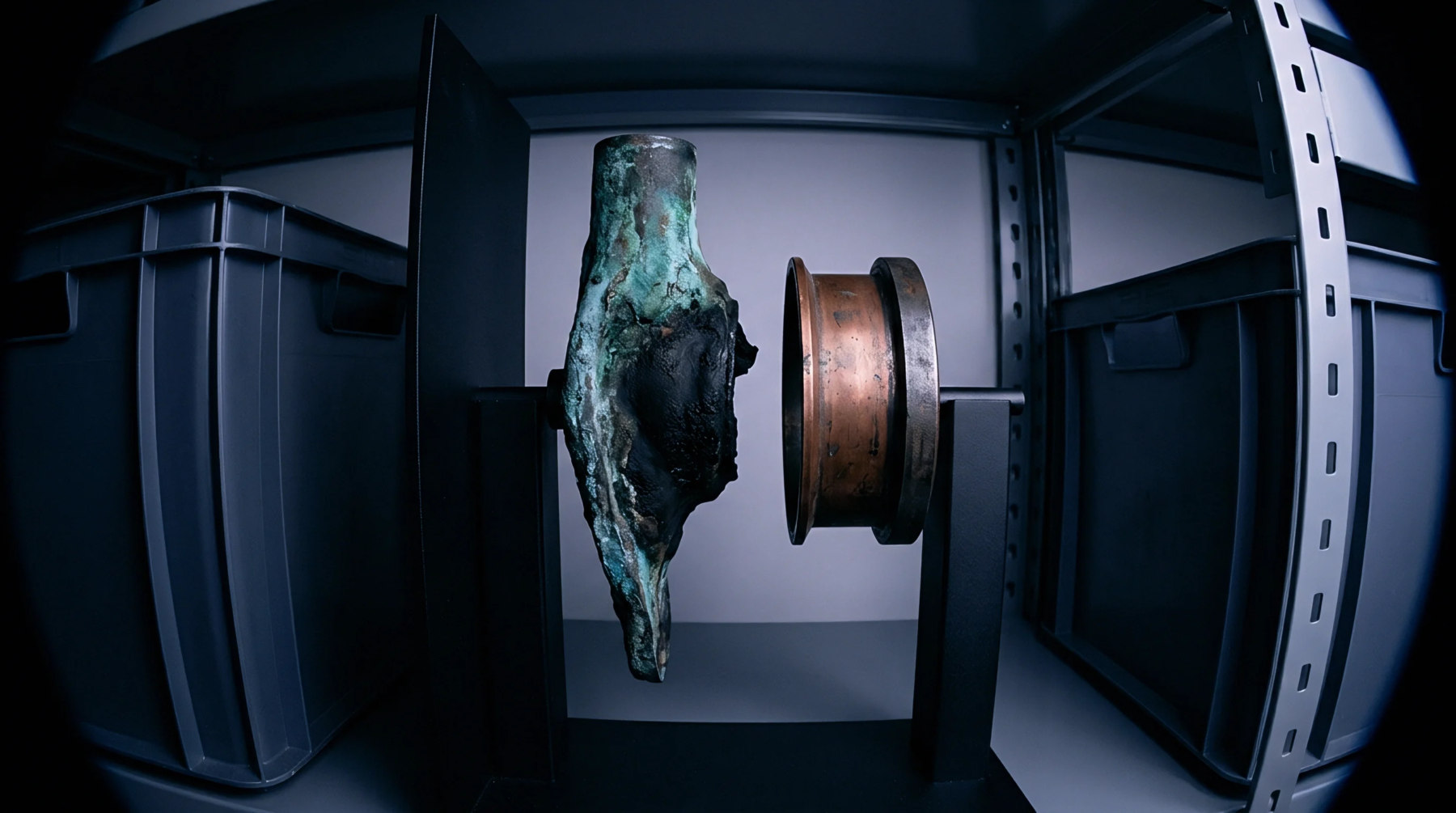
Shutoff micro hobbing occurs when localized lockup stress exceeds tool steel compressive yield strength, requiring controlled land area and high yield alloys.

Predicting multi-cavity shutoff fatigue using Weibull B10 modeling prevents parting line flash by scheduling pre-load insert replacement before steel spalling occurs.
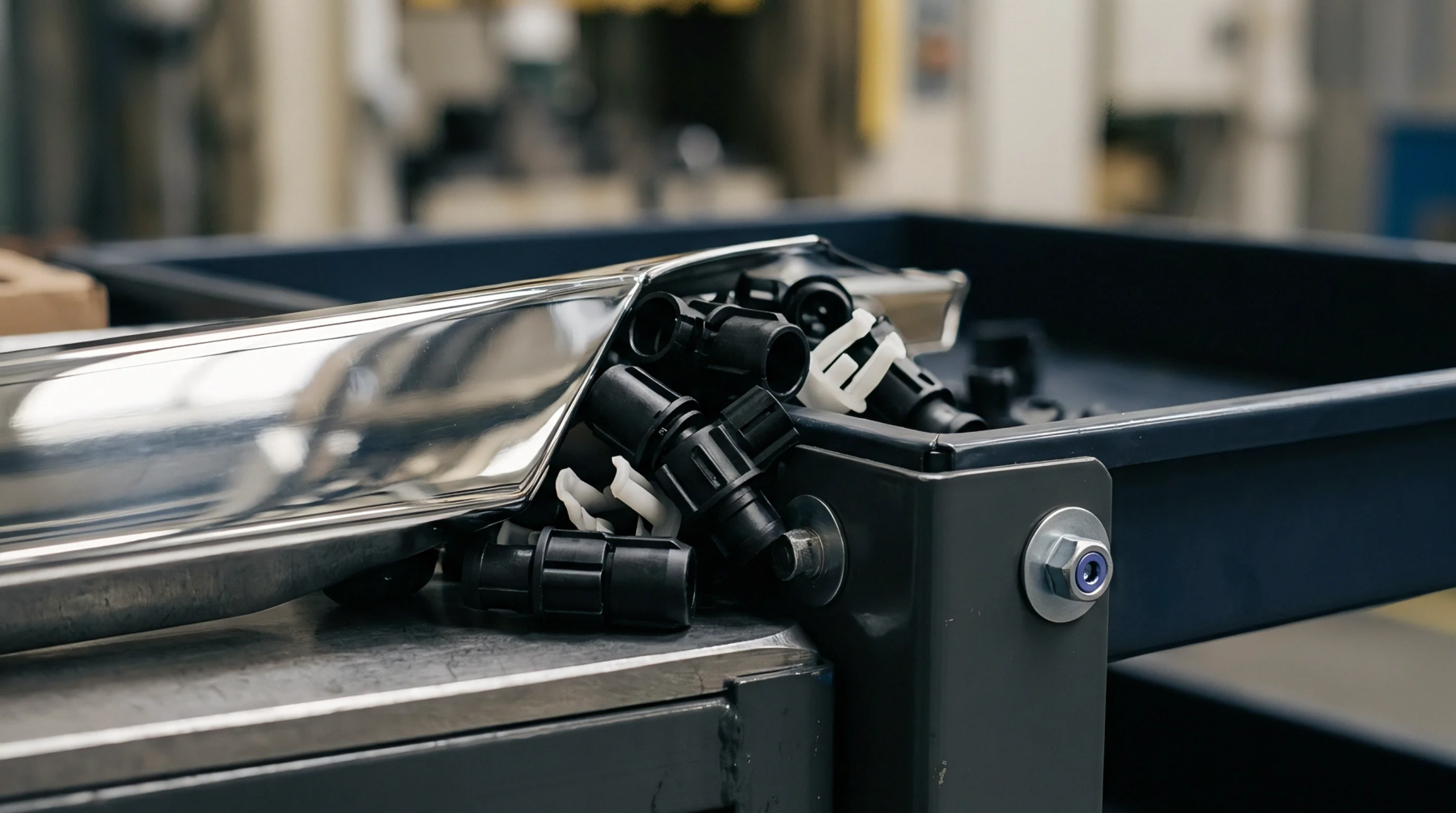
Differential thermal expansion on angled tool shut-offs demands precise cold-bench clearance relief to prevent parting line galling under clamp tonnage.

Evaluate differential thermal growth and land area stress to set accurate cold preload gaps and prevent parting line compression yield in high-cavitation tools.
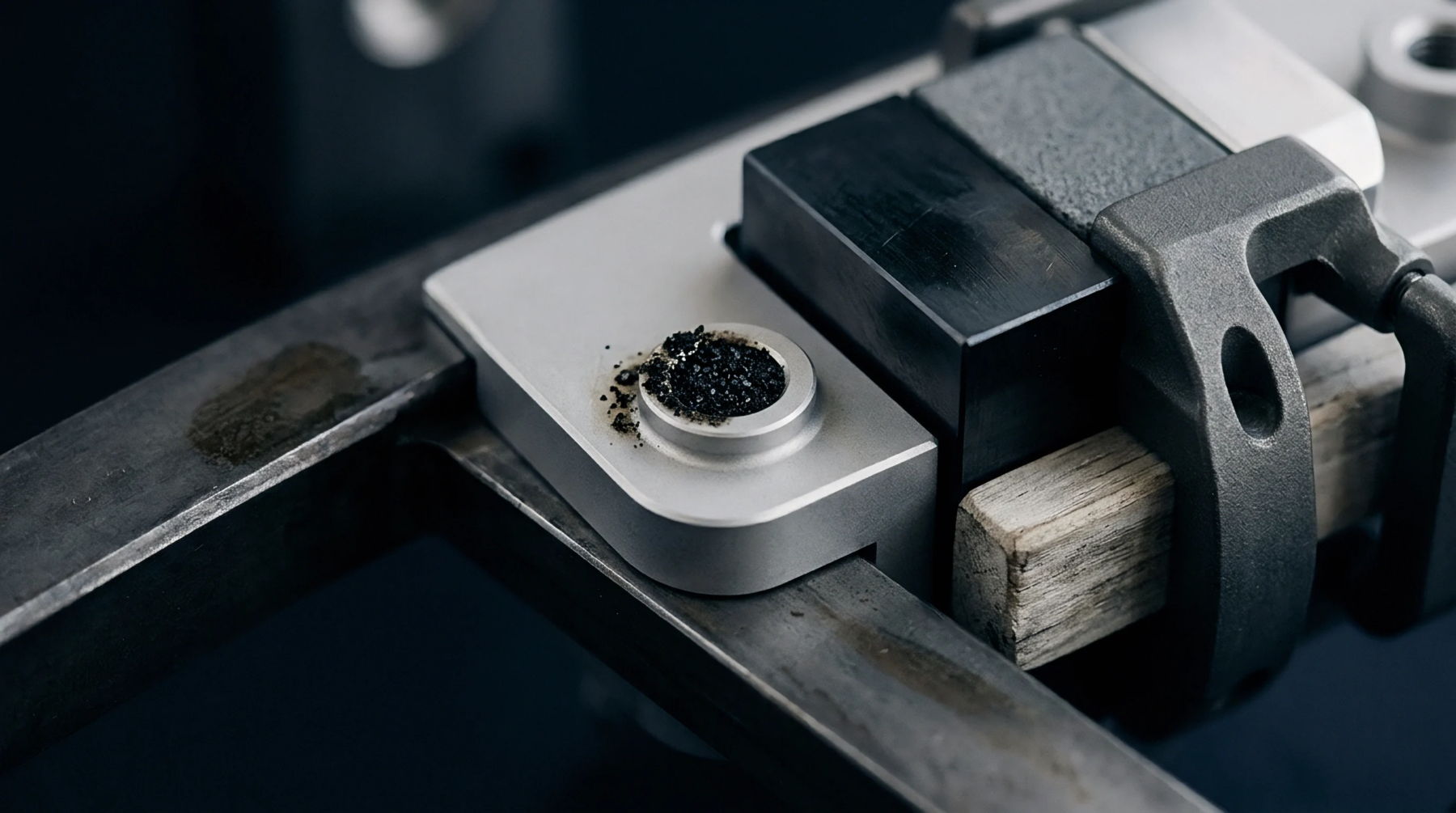
Inspect parting line wear using optical blueing and depth micrometer checks to catch shutoff hobbing before flash exceeds 0.03 mm.
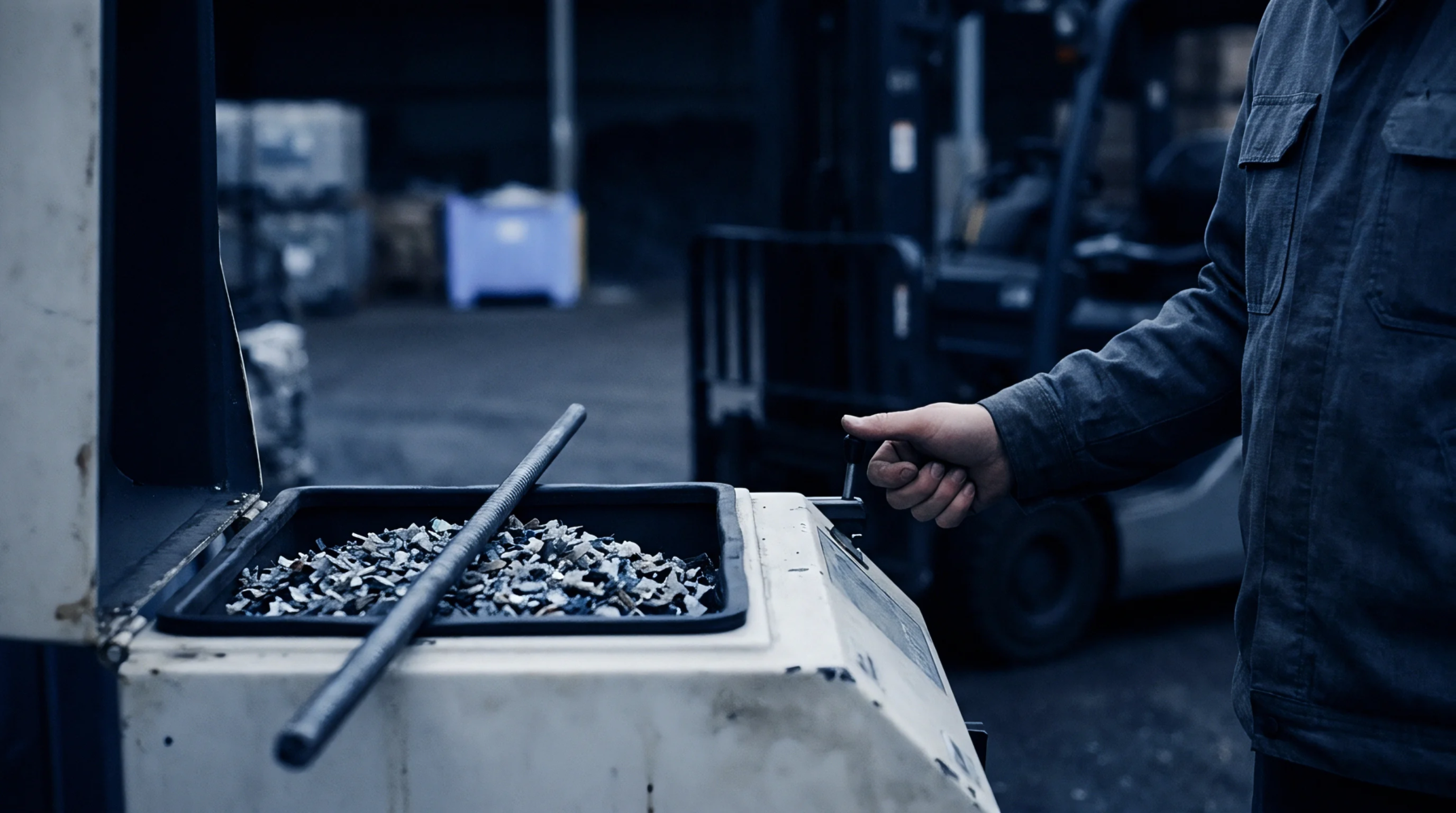
Statistical process control tracking of parting line wear prevents mold shutoff hobbing and reduces plastic part flash scrap.

Select initial tool cavitation against guaranteed first-year order volumes rather than unbacked sales forecasts to prevent balance sheet tooling write-downs.
Expertise is a utility, not a secret. sentiention™ publishes its working knowledge as open reference: intelligence layer covering the materials it sources, the markets it enters, and the reference that serves both.