Meaning
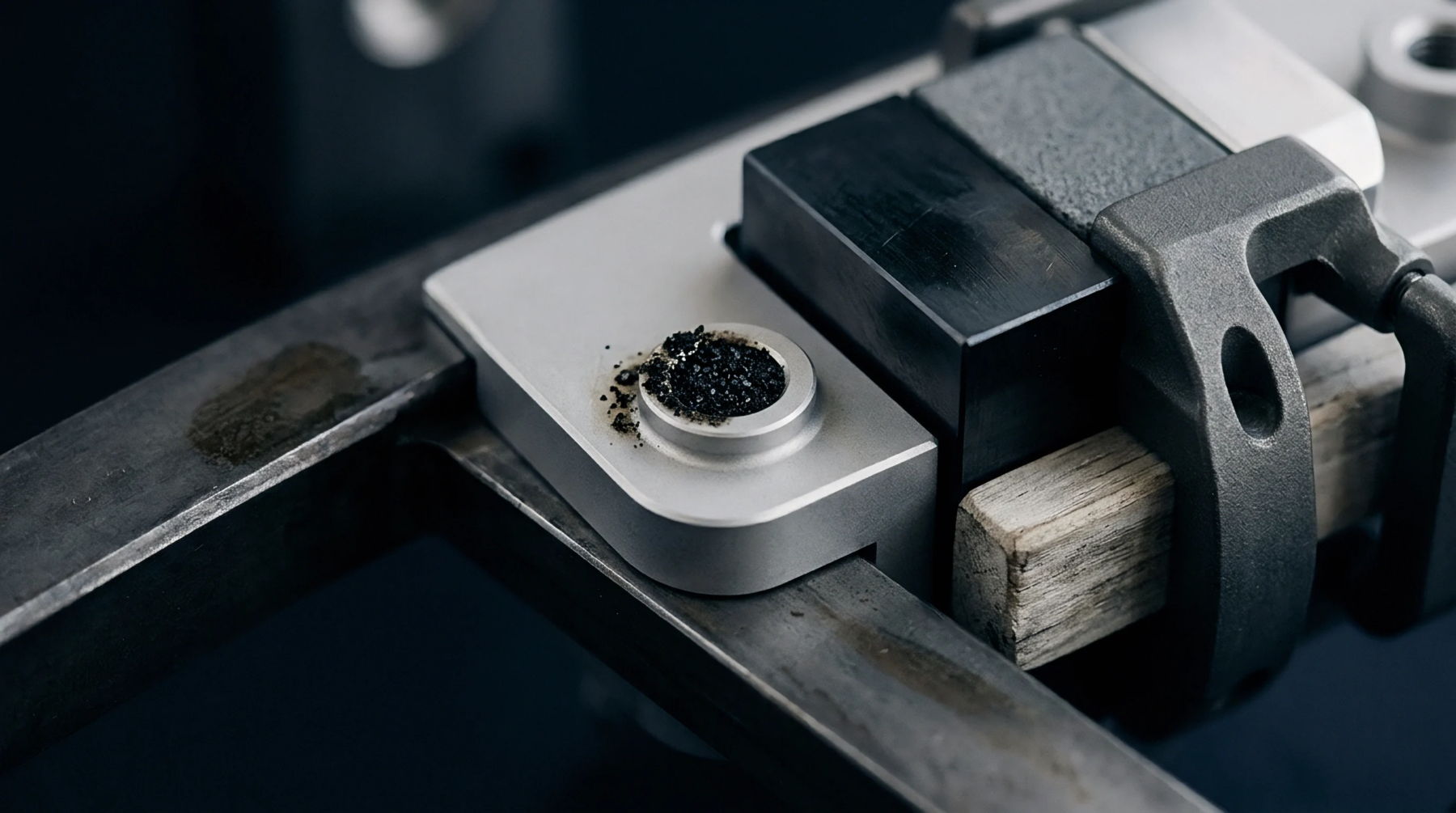
Physical degradation at the contact interface between two mould halves defines the structural boundary where molten resin escapes the intended cavity dimensions during high pressure injection cycles. Parting line wear originates from abrasive contact between mating steel surfaces or the repeated compression of solidified polymer fragments trapped during the clamp sequence. This condition alters the geometric precision of the moulded component by creating a protruding fin of plastic known as flash.
Advanced tool maintenance programmes monitor the gap progression to prevent the total failure of the shut-off surfaces. Precise measurements of the displacement determine the necessity for weld repair or the complete replacement of the core and cavity inserts. A specific mould cavity experiences this mechanical erosion when the clamping force fails to maintain a seal against the injection pressure.
Tooling Degradation
Cavity components endure cyclic mechanical stress when the injection process operates at pressures exceeding the yield strength of the steel grade at the mating edge. Each cycle pushes plastic into the minute gap created by thermal expansion or physical deformation, which hardens into a rigid obstruction. The next closing action traps this material between the faces, exerting intense force on the sealing surfaces until microscopic fracturing occurs.
Repeated impact causes a cumulative loss of metal, widening the clearance and allowing increasingly larger volumes of resin to migrate out of the cavity. Moulders control this mechanism by adjusting clamping tonnage and checking the alignment of guide pins to ensure the tool faces meet evenly. High hardness coatings like nitriding or chrome plating provide a barrier against this erosion, though the coatings eventually chip under persistent load.
Material Influence
Virgin resins behave differently under compression compared to high concentrations of regrind during the moulding cycle. Reinforced polymers containing glass fibres or mineral fillers accelerate the rate of material removal because these particles act as an abrasive slurry when caught in the gap. Soft grades of thermoplastic reach the threshold of failure earlier than stiff resins because the low viscosity allows the material to penetrate the parting line at lower pressures.
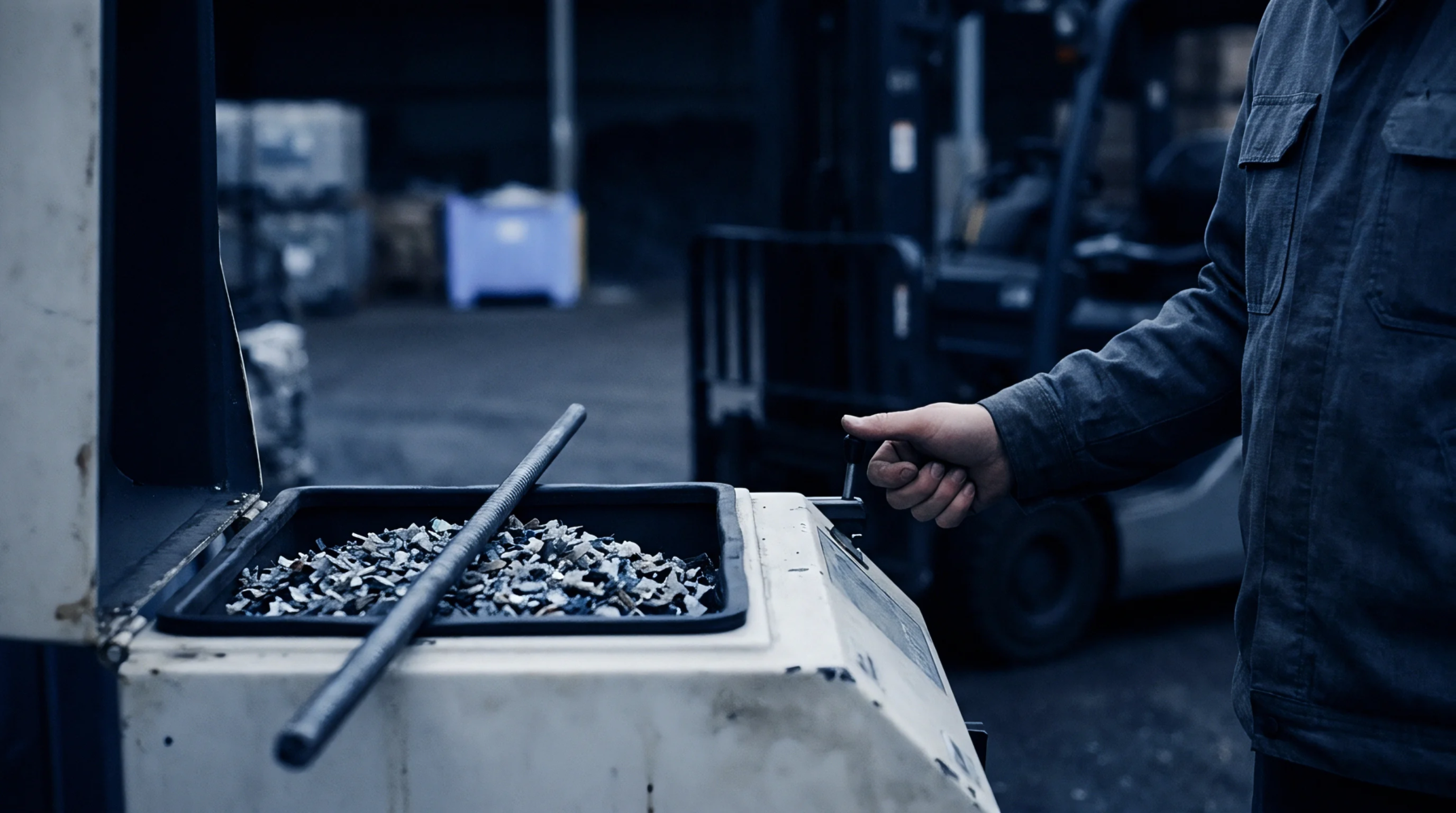
Processors maintain strict control over filler consistency to prevent unexpected damage to the cavity interface. Differences exist between a nominal datasheet value and the reality of a production run where excessive regrind degrades the surface finish of the tool.
Economic Impact
Total production costs rise as the moulding operation struggles with frequent tool downtime and the labour required to remove excess flash from the finished goods. High rates of wear necessitate constant manual inspection, which removes the possibility of fully automated light out manufacturing. Scrap rates climb when the flash size exceeds the specified tolerance for the component, rendering the batch noncompliant with quality standards.
Companies choose between constant tool refurbishment and the investment in hardened tool steels that resist the mechanical forces of the injection environment. Regular monitoring of the seal integrity reduces the risk of catastrophic cavity collapse.