
Tool Steel Recutting Strategies versus Process Window Optimization Dynamics
Recutting tool steel establishes a stable process window that lowers long-term scrap costs and cycle times compared to forced parameter tuning.
Recutting tool steel establishes a stable process window that lowers long-term scrap costs and cycle times compared to forced parameter tuning.
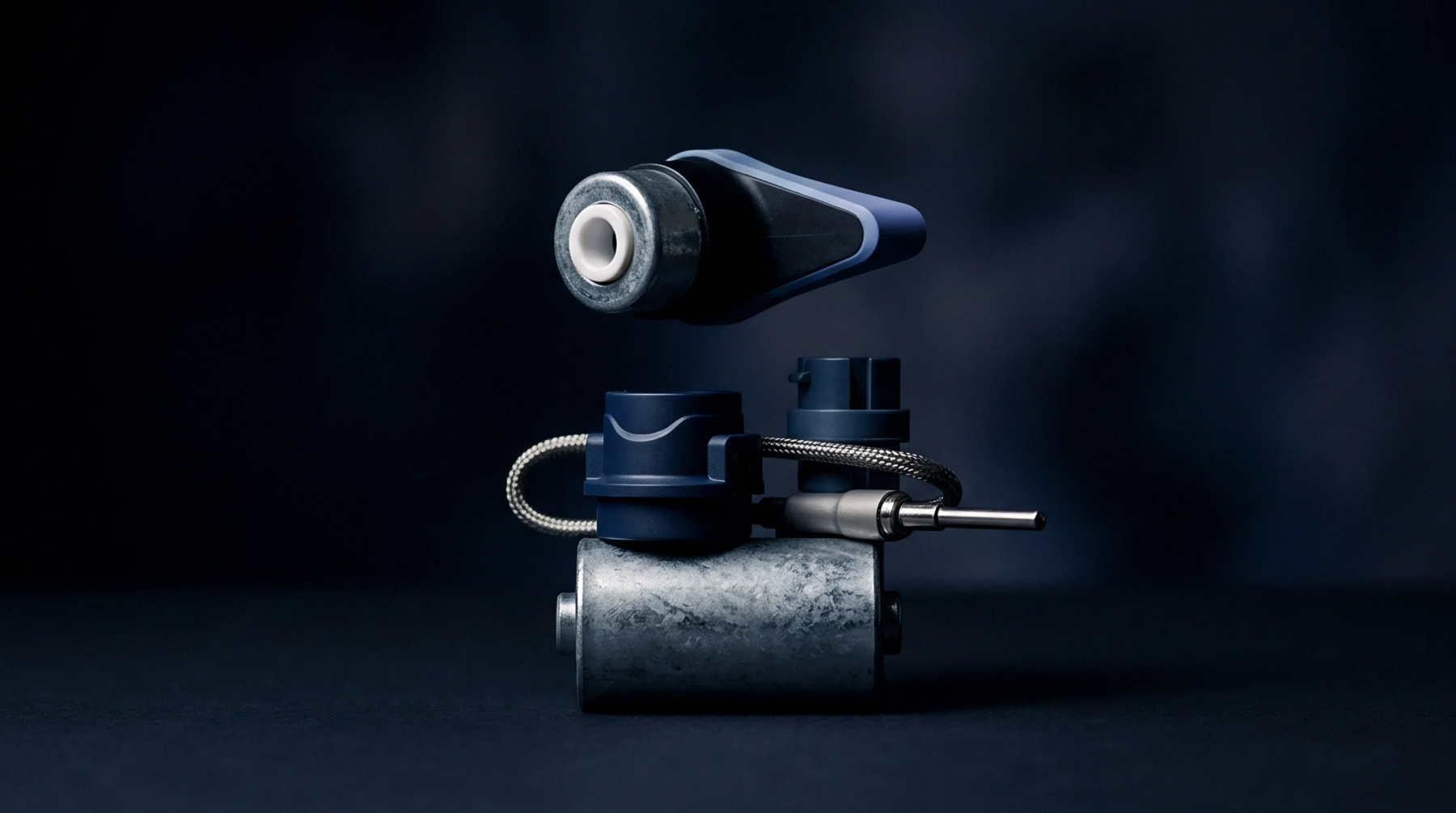
Recessed MI cable routing with thermal expansion loops prevents wire pinch, shields noise, and eliminates press downtime in high-temperature moulds.
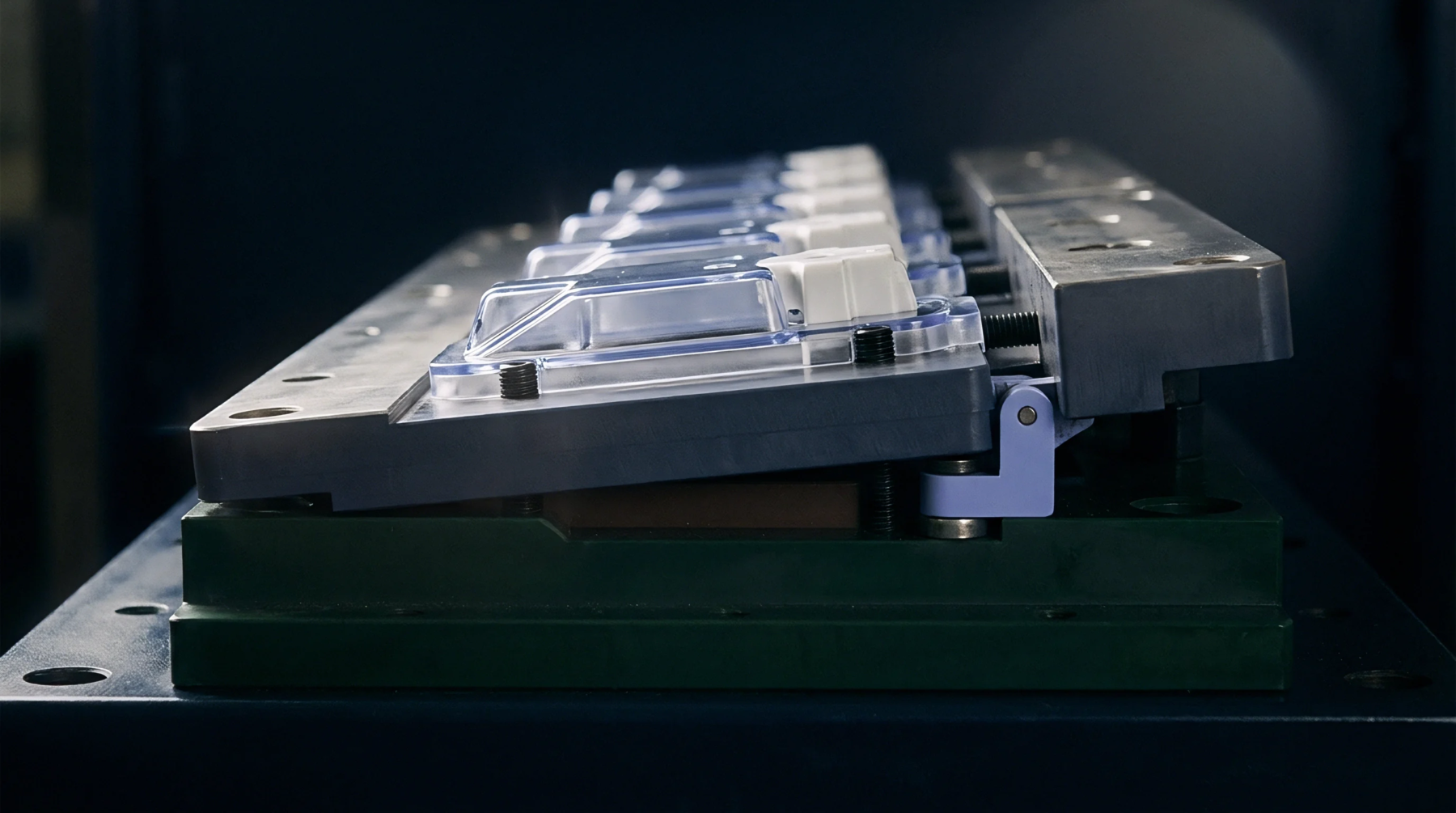
Direct piezoelectric cavity pressure sensing in micro injection moulding requires sub-micron bore tolerances, rigid preloading, and active thermal drift compensation.

Balancing shut-off land relief area against clamp force prevents steel hobbing while holding plastic melt seal across multi-cavity injection tooling.
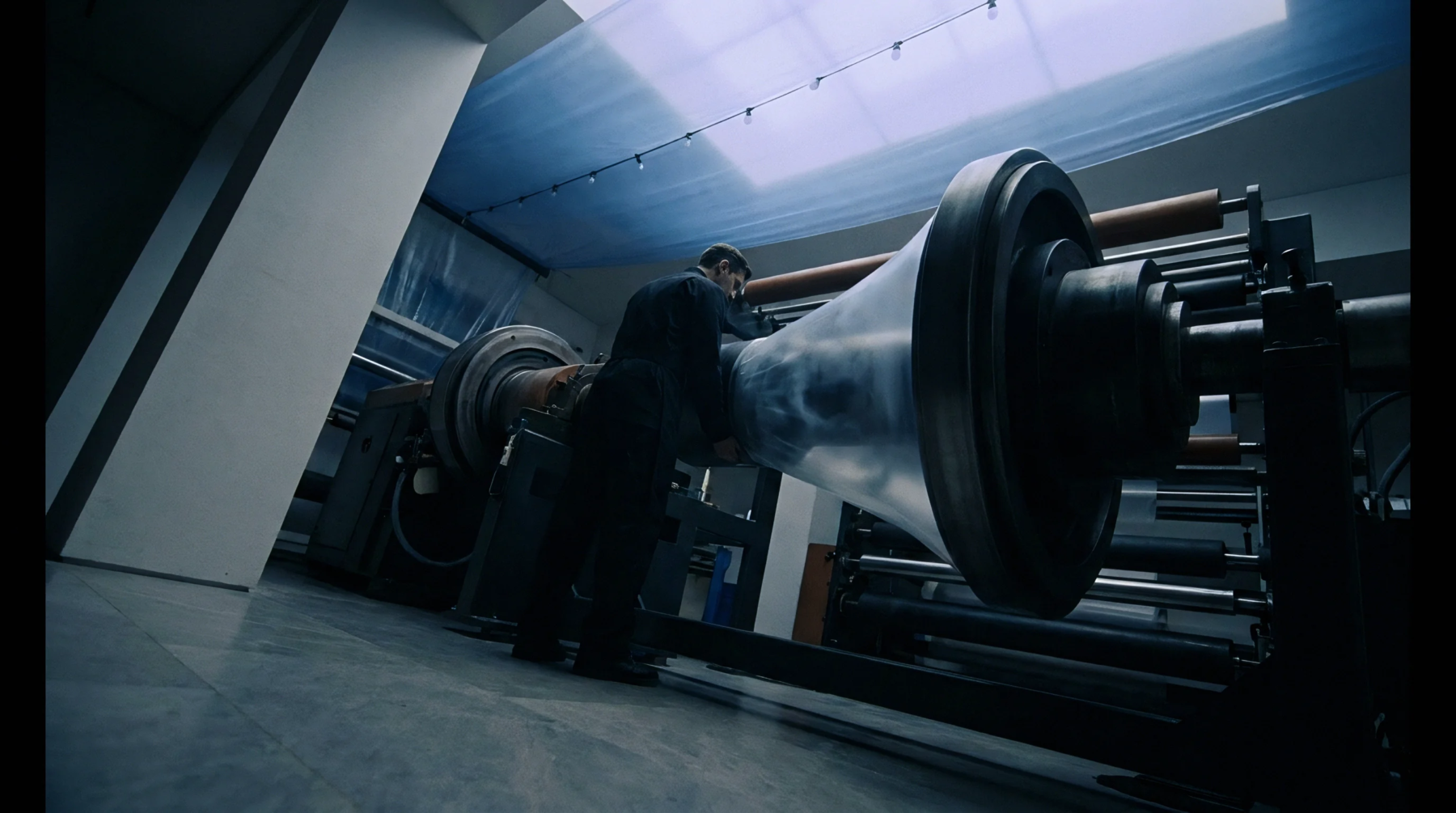
Auditing foreign tooling retention claims combines physical steel inspection, financial deconstruction of amortisation ledgers, and escrow settlement.
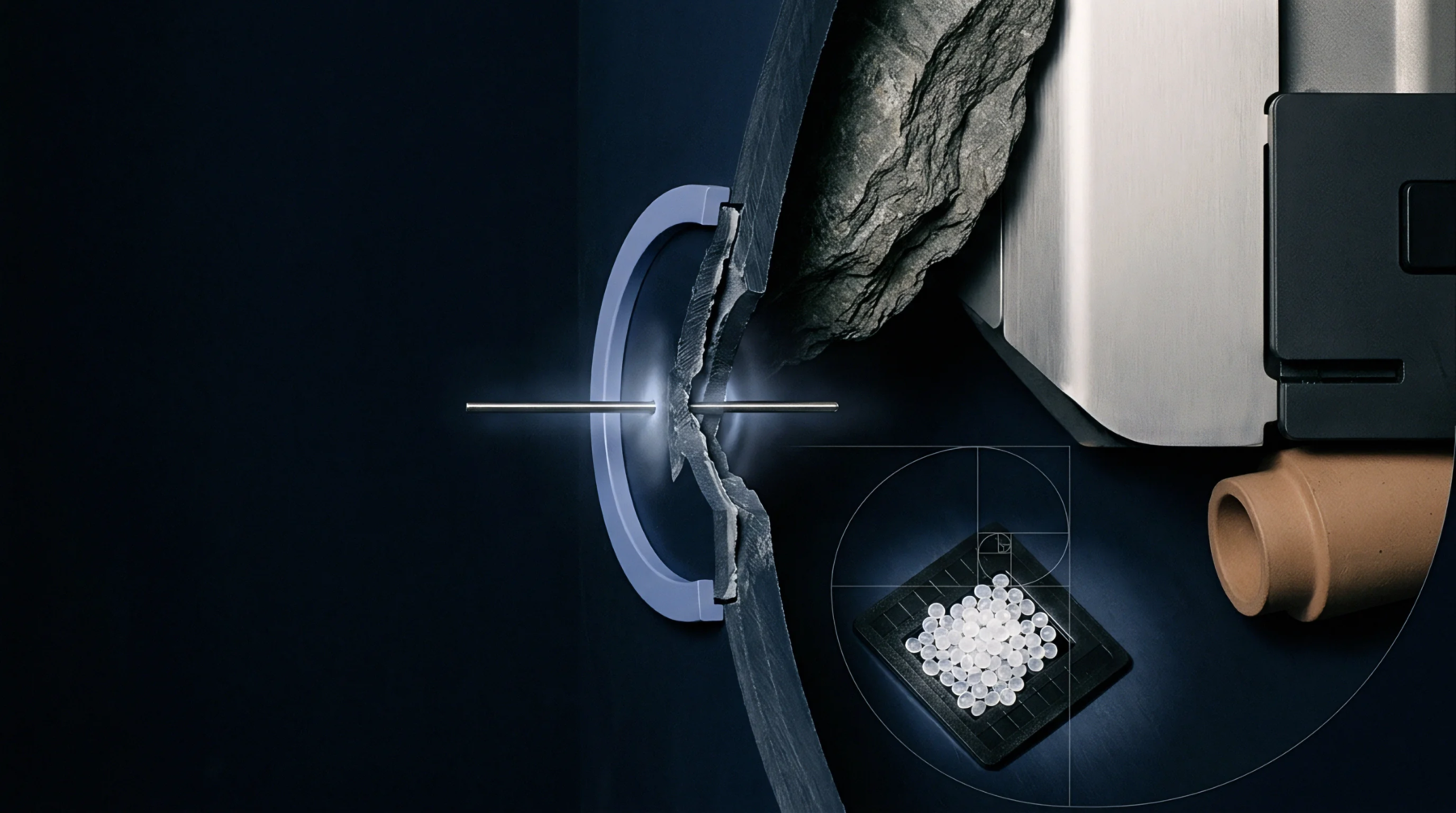
Closed loop ultrasonic drift compensation tracks phase angle shifts to decouple thermal steel expansion from polymer melt density during variothermal cycling.
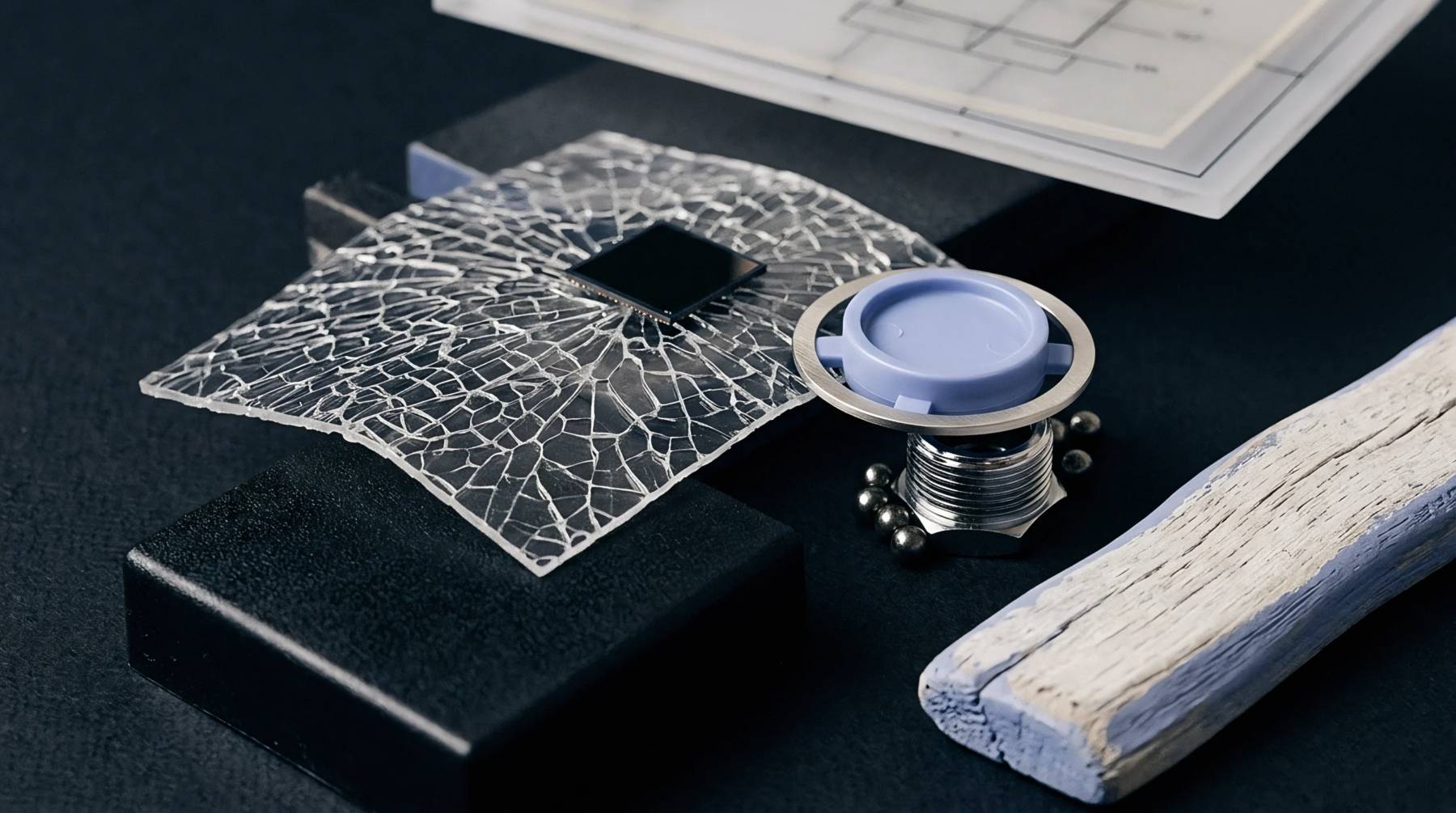
Polymer wall conductance on smooth tool steel peaks above 3500 W/m²K under packing pressure and drops below 600 W/m²K upon thermal gap detachment.
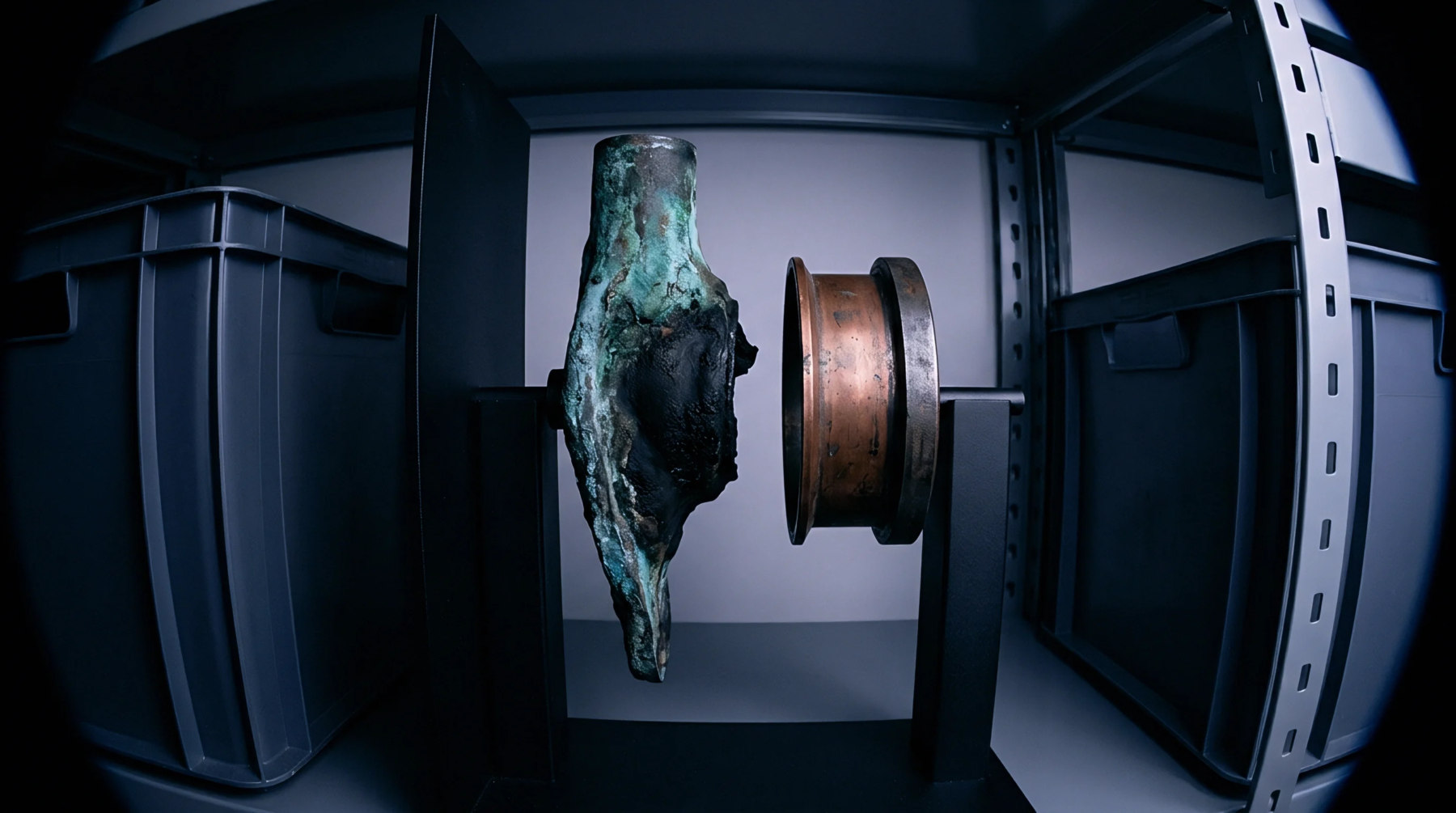
Shutoff micro hobbing occurs when localized lockup stress exceeds tool steel compressive yield strength, requiring controlled land area and high yield alloys.

Predicting multi-cavity shutoff fatigue using Weibull B10 modeling prevents parting line flash by scheduling pre-load insert replacement before steel spalling occurs.

Structure high-cavitation tooling capital through modular inserts and explicit true-up clauses to eliminate unamortized debt exposure during demand swings.

Cross-border injection mould bailment requires progressive title vesting, registered public security filings, and explicit lien waivers before moving steel.
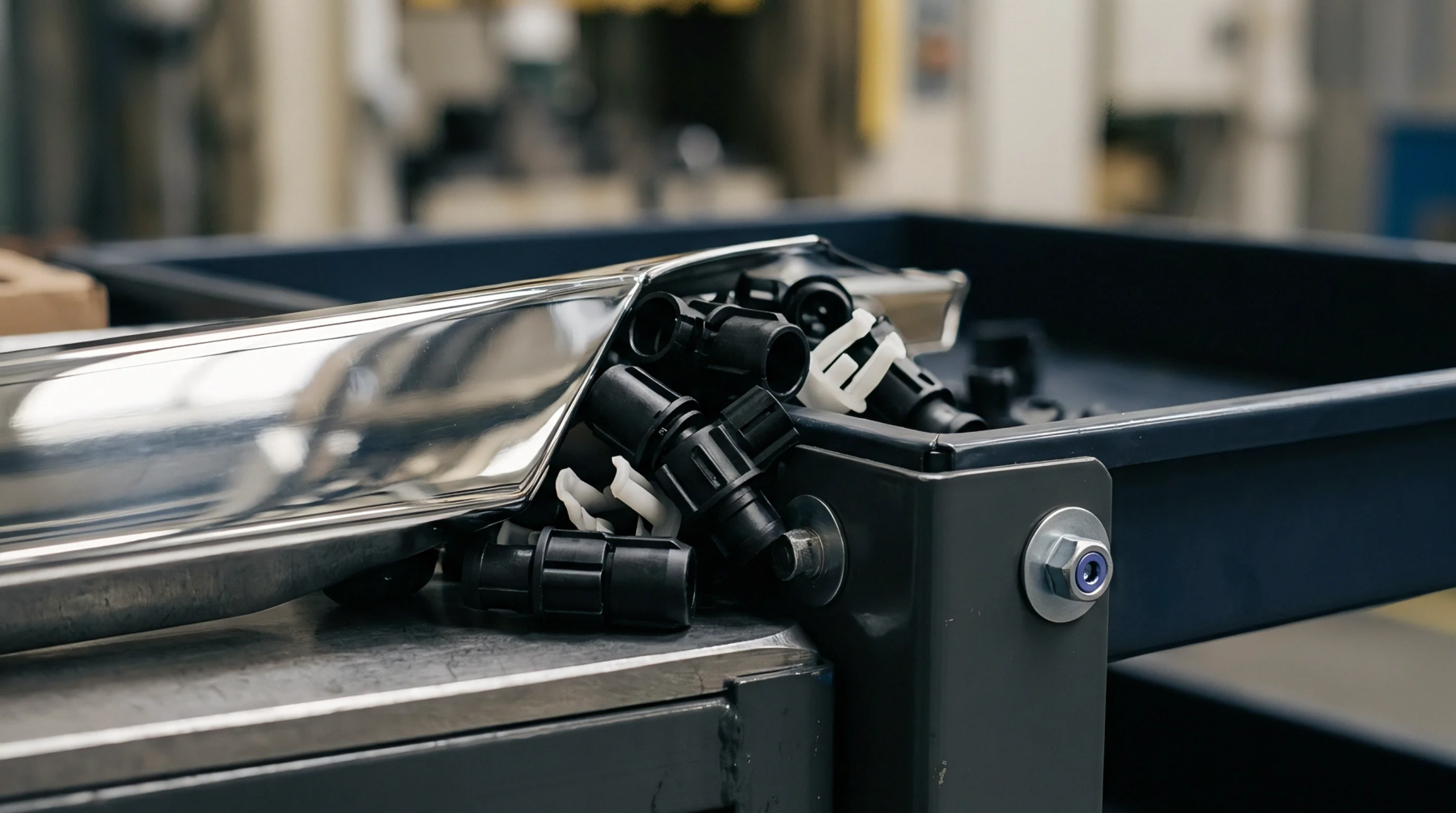
Differential thermal expansion on angled tool shut-offs demands precise cold-bench clearance relief to prevent parting line galling under clamp tonnage.
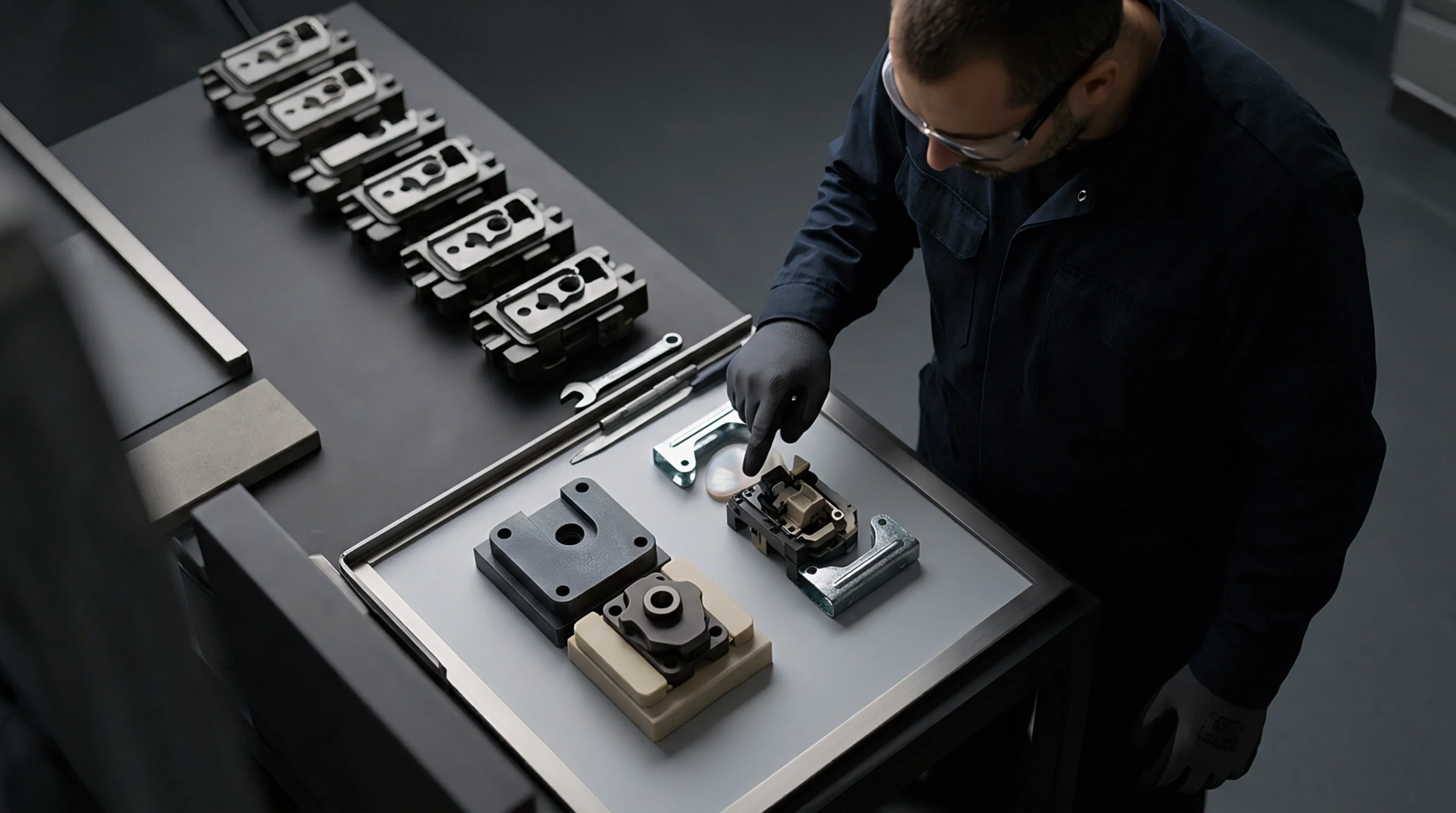
Verifying parting line shutoff lands under true press tonnage with bluing or foil prevents flash and stops premature tool crush.
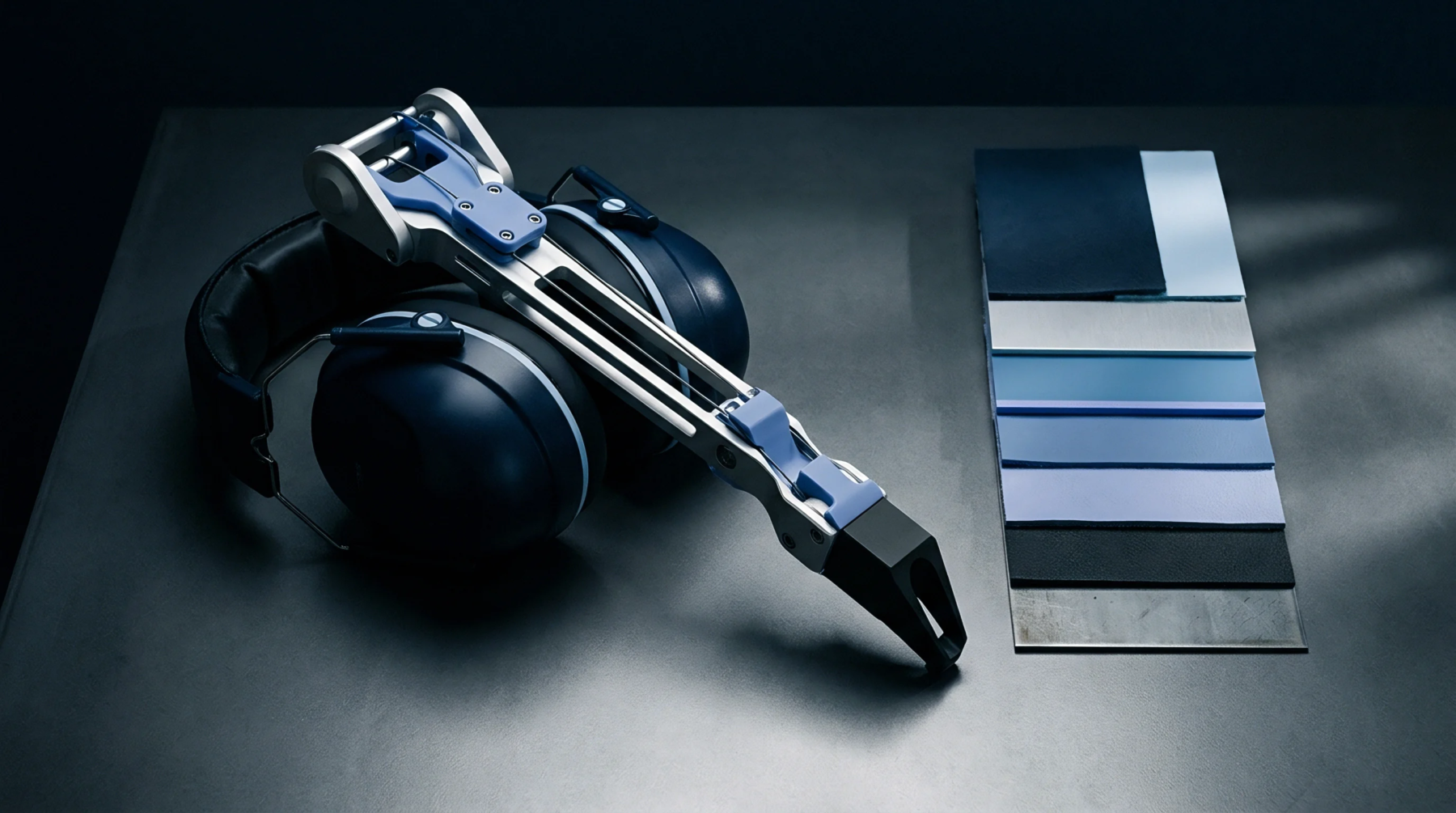
Implement press-side optical profilometry and statistical Cpk limits to track hardened shutoff land recession, triggering precision refurbishment before resin flash occurs.

Evaluate differential thermal growth and land area stress to set accurate cold preload gaps and prevent parting line compression yield in high-cavitation tools.
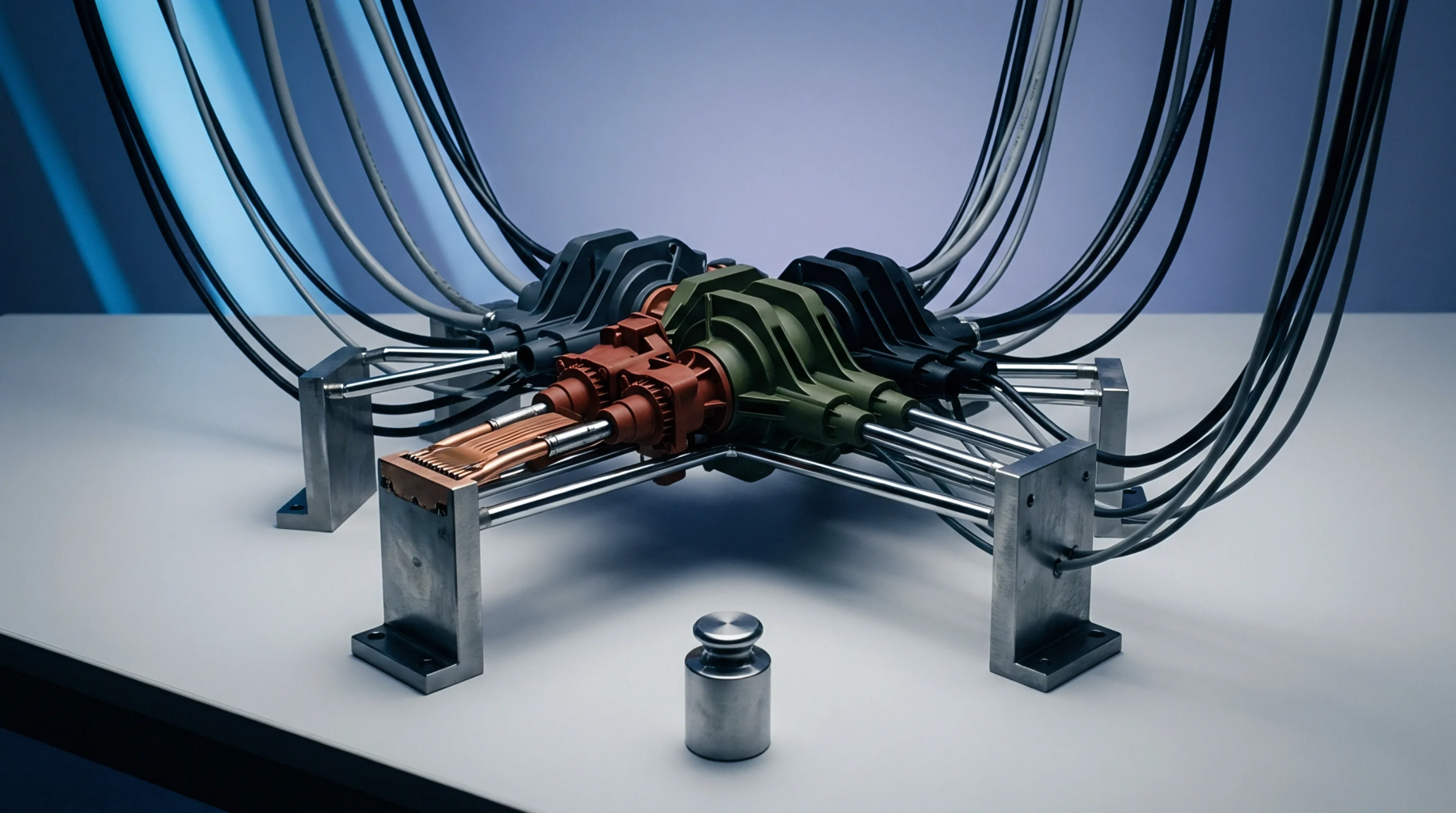
In situ CSI calibration for deep draft cavity sidewalls requires right-angle fold mirror optical path matching and verified local step height standards.
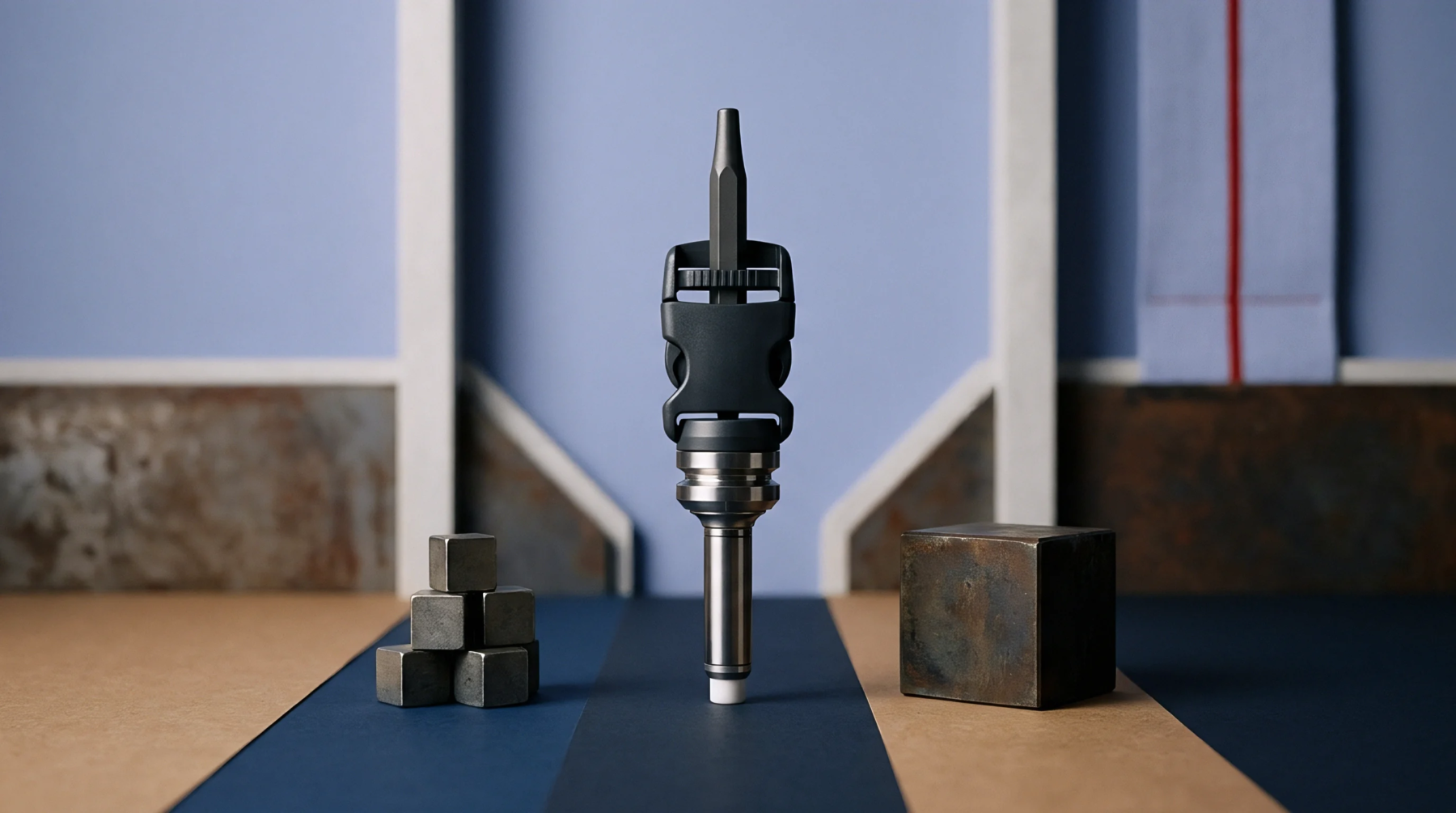
Precision thermal pitch compensation and strict alloy CTE matching eliminate alignment failures and shut-off land galling in high cavitation micro tooling.
ISO 25178 areal optical profilometry replaces subjective 2D stylus traces with quantitative 3D parameters that accurately govern tool wear and part demoulding.

ISO 25178 areal parameters like Ssk, Sku, and Vvc measured via optical profilometry quantify cavity wear, predicting ejection failures before part dimensions drift.

Predictive thermal resistance modeling balances multi-cavity heat extraction across textured tool inserts to hold tight DIN 16742 tolerances.
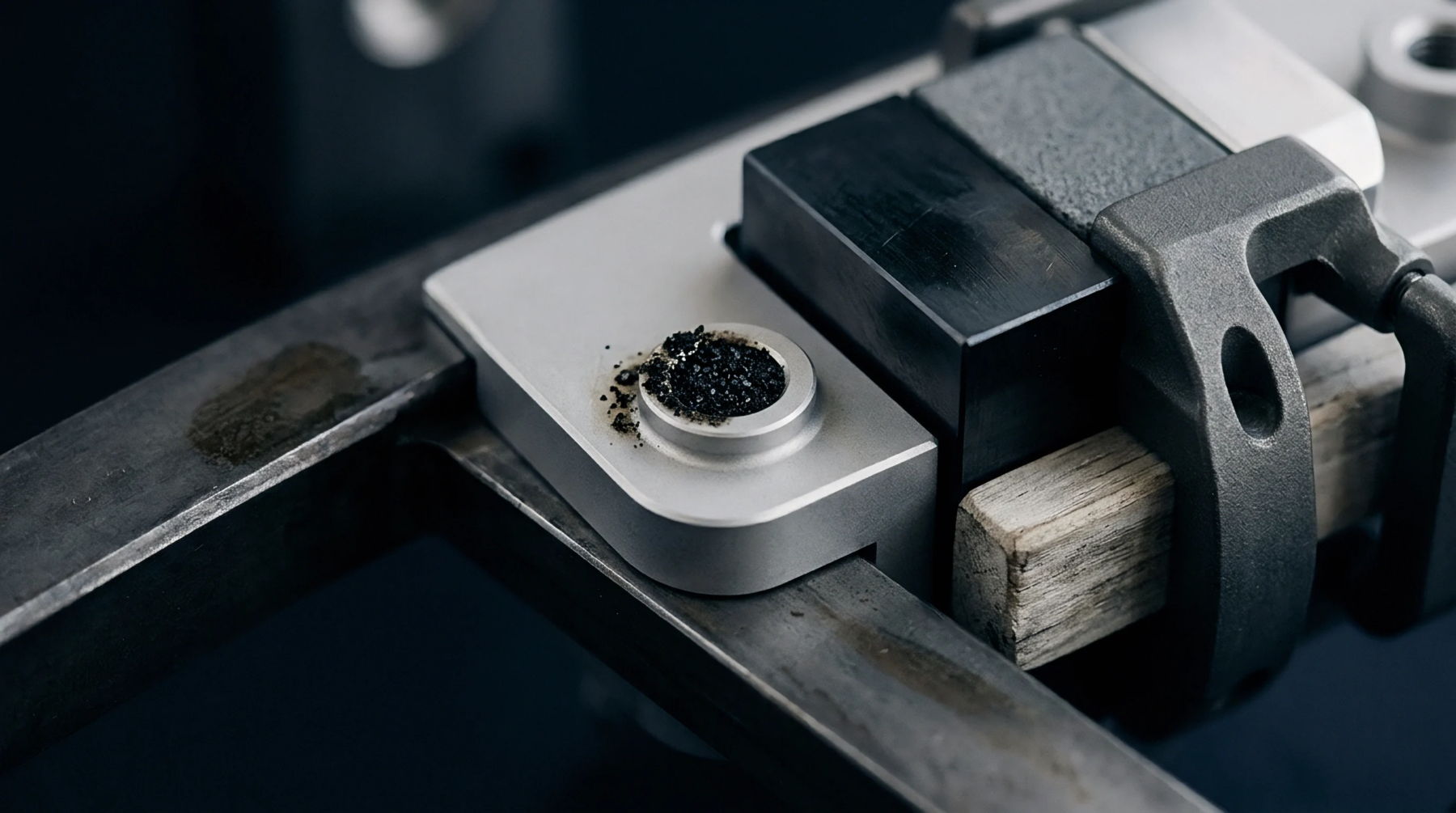
Inspect parting line wear using optical blueing and depth micrometer checks to catch shutoff hobbing before flash exceeds 0.03 mm.
Matching part geometry to the correct plastic manufacturing process early prevents costly tooling modifications and ensures dimensional stability under production.
Expertise is a utility, not a secret. sentiention™ publishes its working knowledge as open reference: intelligence layer covering the materials it sources, the markets it enters, and the reference that serves both.