Meaning
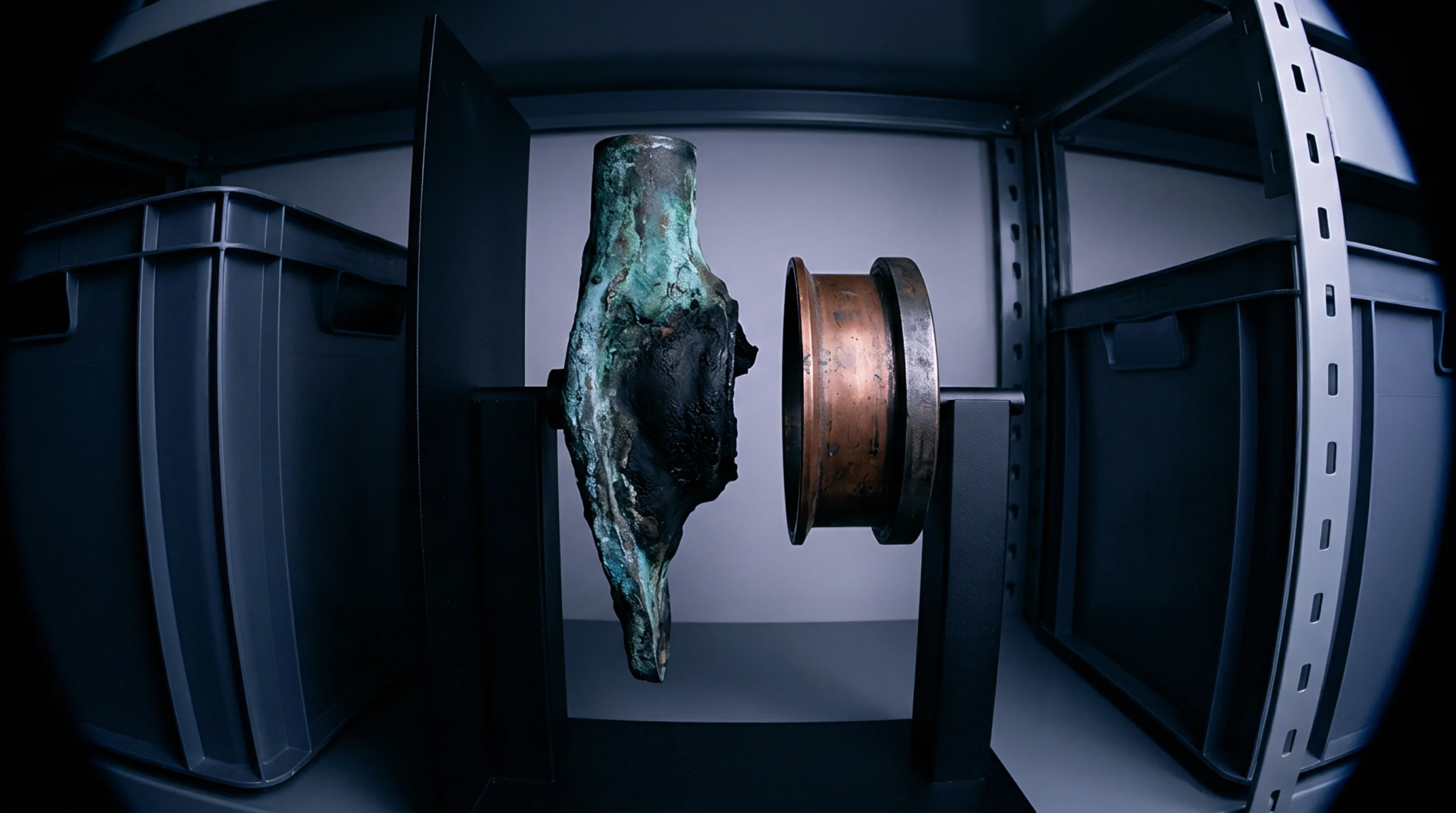
Material degradation mechanism characterized by surface pitting and crack initiation resulting from low-amplitude oscillatory slip between two tightly contacting surfaces under load. In injection moulding machinery, micro-fretting fatigue frequently occurs at the interfaces of high-pressure tooling components such as slide guides and ejector pins. The cyclic clamping and injection forces generate minute relative movements that wear down the protective coatings or steel substrates over time.
Surface Degradation
Friction and surface contact at the micron scale lead to localized stress concentrations that can initiate micro cracks. Within moulding tools, micro-fretting fatigue alters the tolerances of critical components, leading to issues like flash on the molded plastic parts. This degradation is often accelerated by the presence of abrasive fillers, such as glass fibers, in the polymer melt.
Regrind resins can also carry minute contaminants that increase the rate of abrasive wear between the sliding surfaces of the tool.
Operational Limit
Mitigating this type of wear requires the application of specialized surface treatments, such as physical vapor deposition coatings or nitriding, to increase surface hardness. Regular maintenance schedules must include cleaning and lubrication to prevent the accumulation of debris.
Component Longevity
The operational lifespan of mold inserts depends on minimizing these micro-oscillations through robust mechanical design. When the tool design permits too much deflection under the injection pressure, fretting is intensified. Engineers can monitor the onset of this fatigue by tracking changes in the parting line lockup or by using force sensors to detect shifts in sliding resistance.