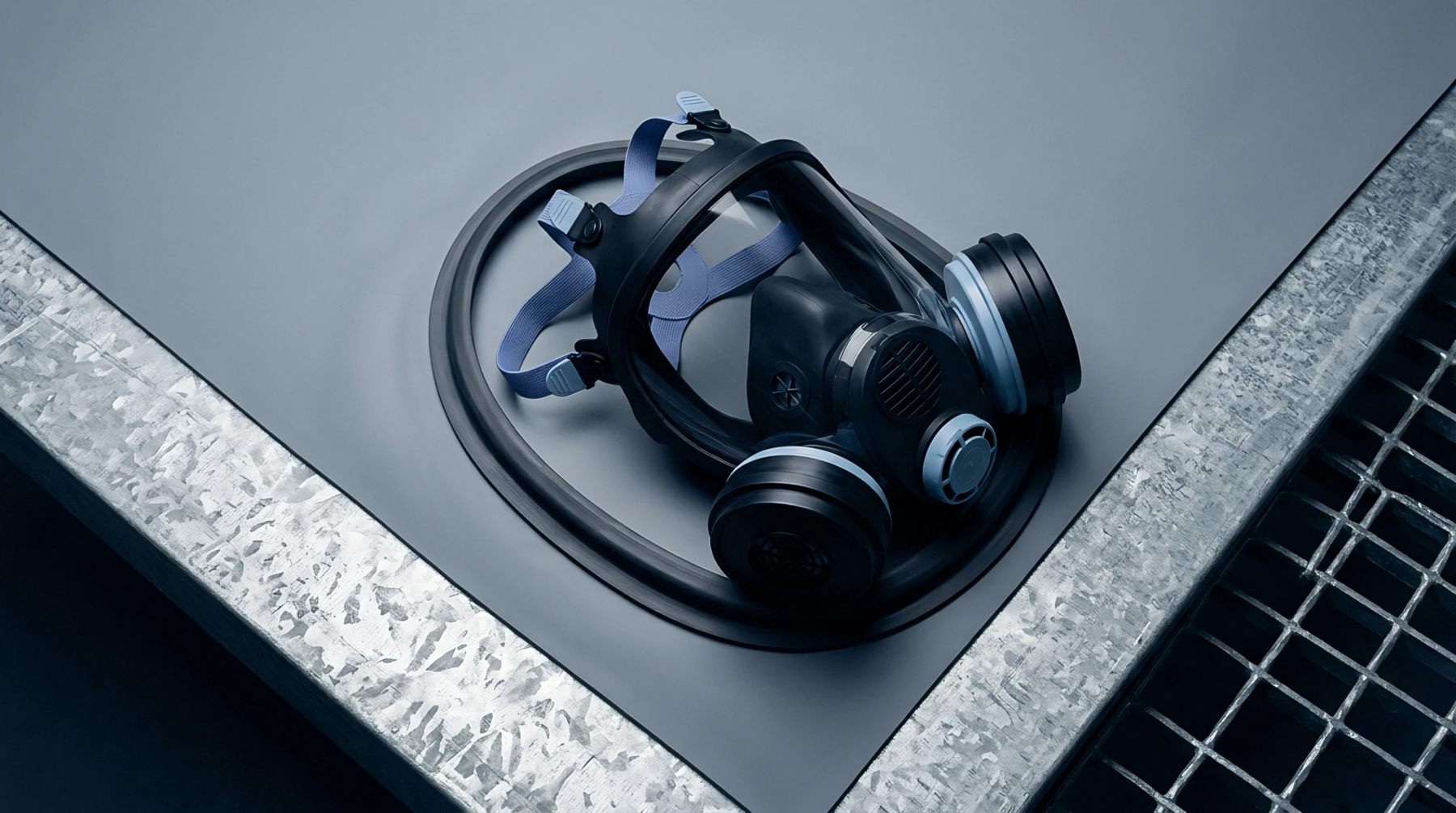
Injection Moulding Extrusion and the Other Ways Plastic Parts Are Made
Matching part geometry to the correct plastic manufacturing process early prevents costly tooling modifications and ensures dimensional stability under production.
Matching part geometry to the correct plastic manufacturing process early prevents costly tooling modifications and ensures dimensional stability under production.
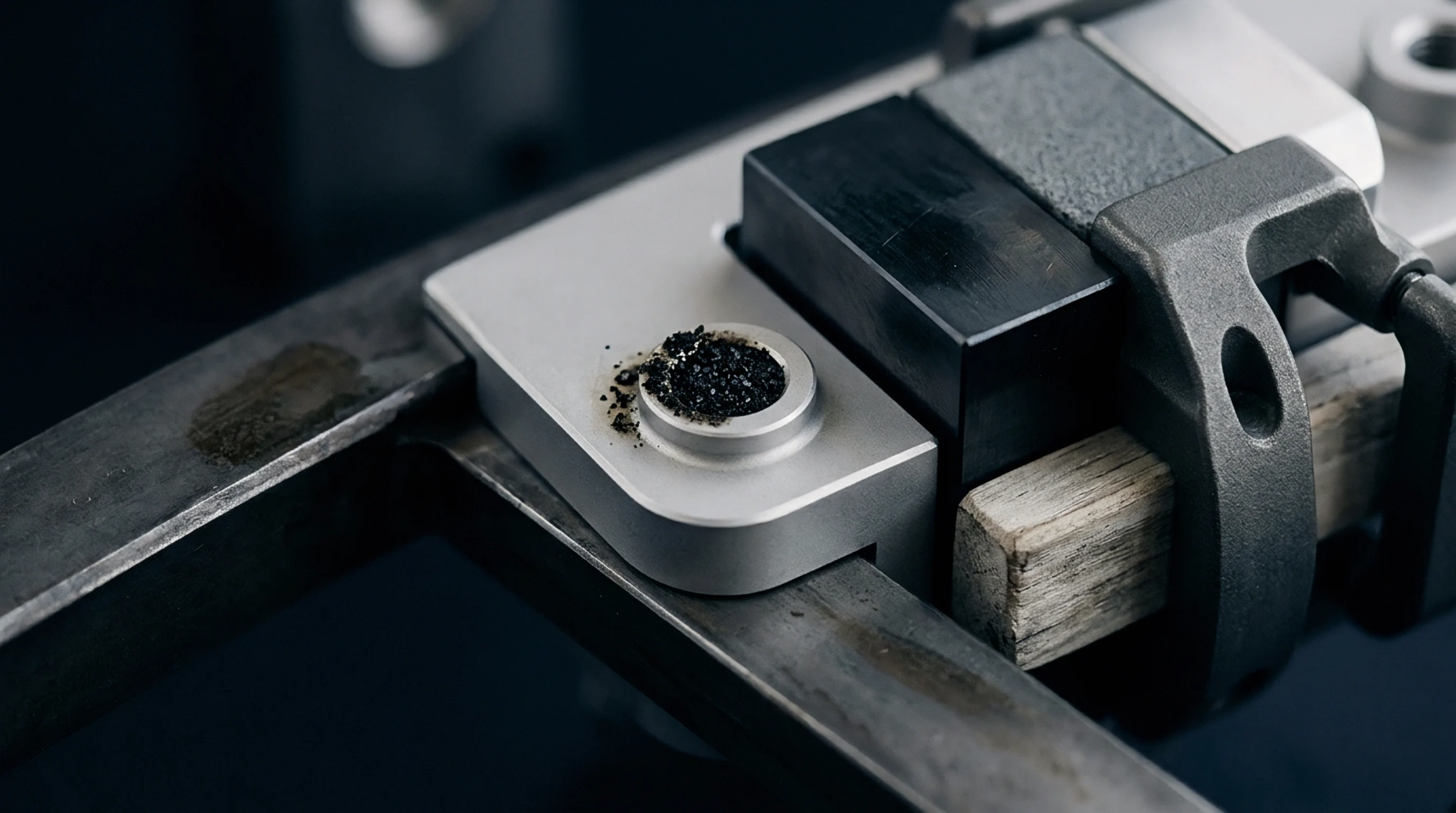
Inspect parting line wear using optical blueing and depth micrometer checks to catch shutoff hobbing before flash exceeds 0.03 mm.

Predictive thermal resistance modeling balances multi-cavity heat extraction across textured tool inserts to hold tight DIN 16742 tolerances.

ISO 25178 areal parameters like Ssk, Sku, and Vvc measured via optical profilometry quantify cavity wear, predicting ejection failures before part dimensions drift.

ISO 25178 areal optical profilometry replaces subjective 2D stylus traces with quantitative 3D parameters that accurately govern tool wear and part demoulding.
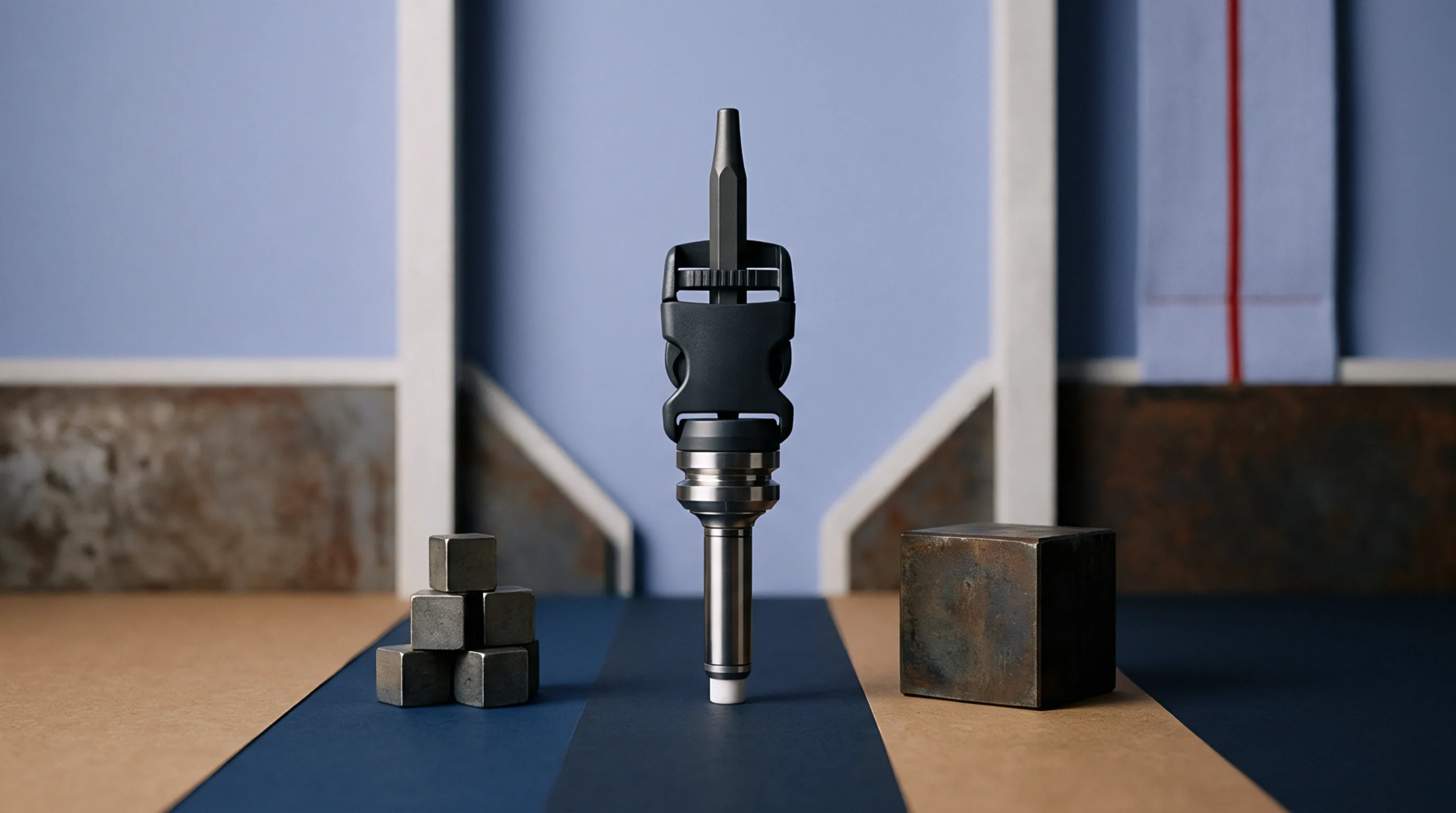
Precision thermal pitch compensation and strict alloy CTE matching eliminate alignment failures and shut-off land galling in high cavitation micro tooling.
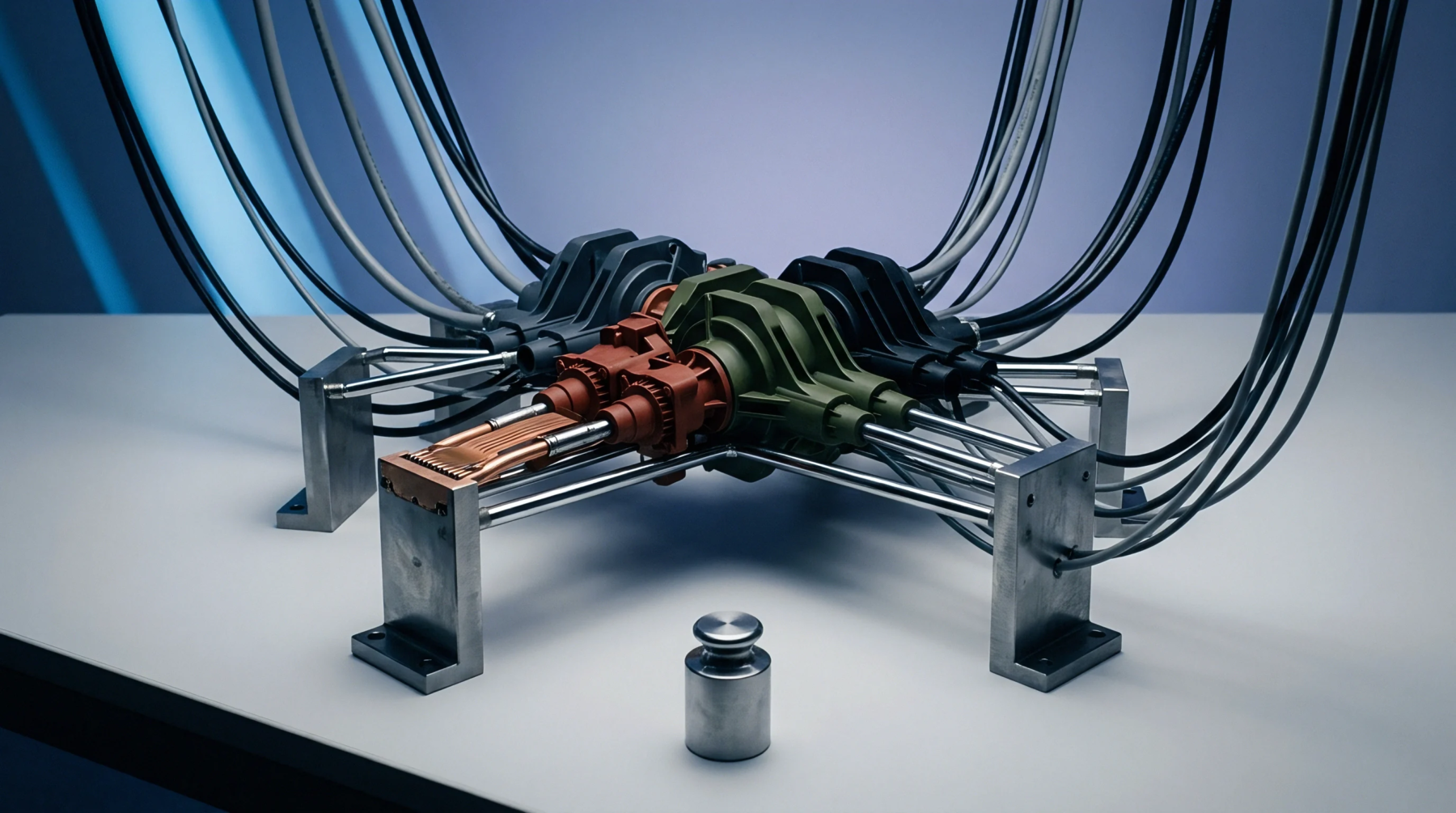
In situ CSI calibration for deep draft cavity sidewalls requires right-angle fold mirror optical path matching and verified local step height standards.

Evaluate differential thermal growth and land area stress to set accurate cold preload gaps and prevent parting line compression yield in high-cavitation tools.

Implement press-side optical profilometry and statistical Cpk limits to track hardened shutoff land recession, triggering precision refurbishment before resin flash occurs.
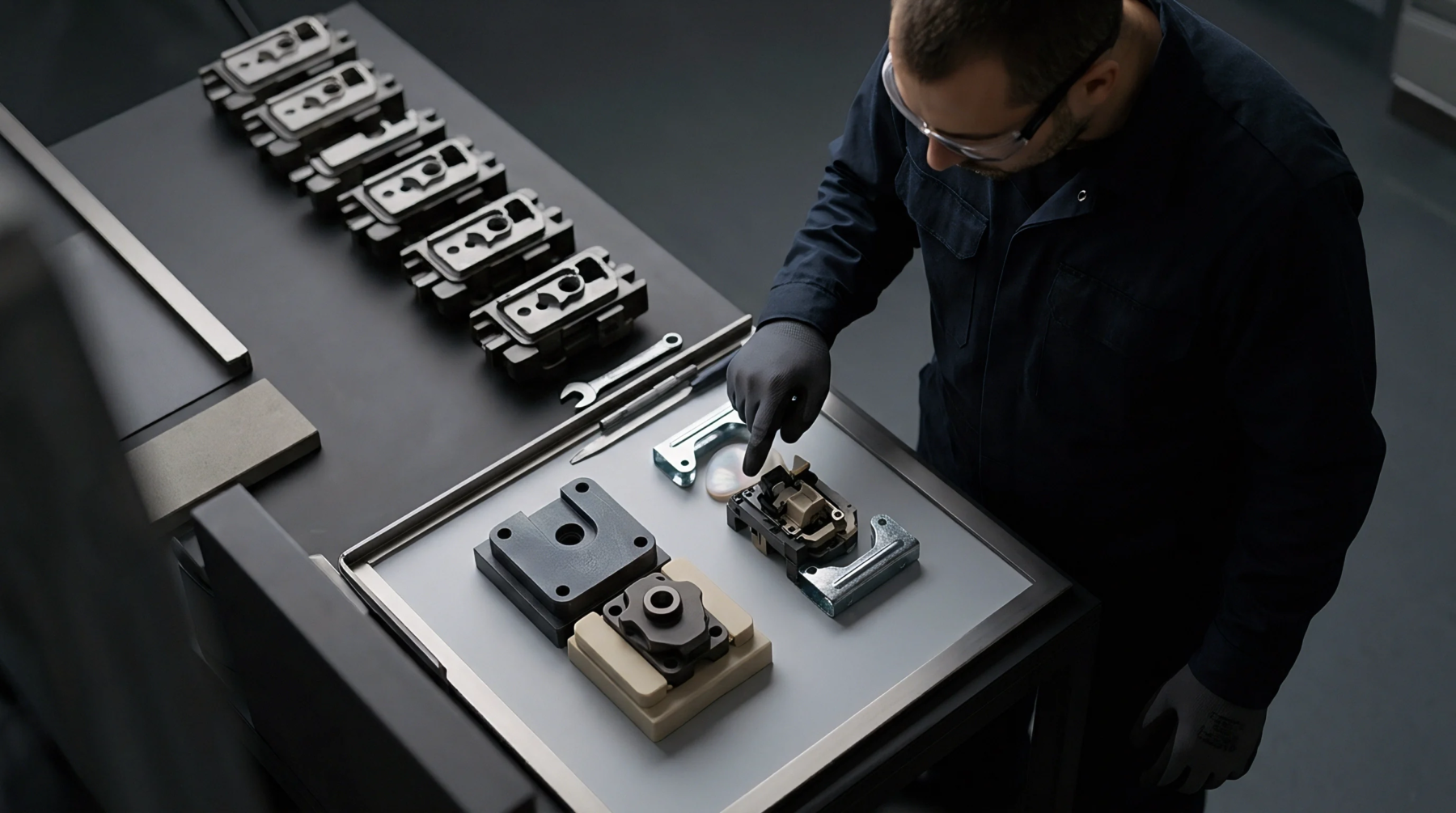
Verifying parting line shutoff lands under true press tonnage with bluing or foil prevents flash and stops premature tool crush.
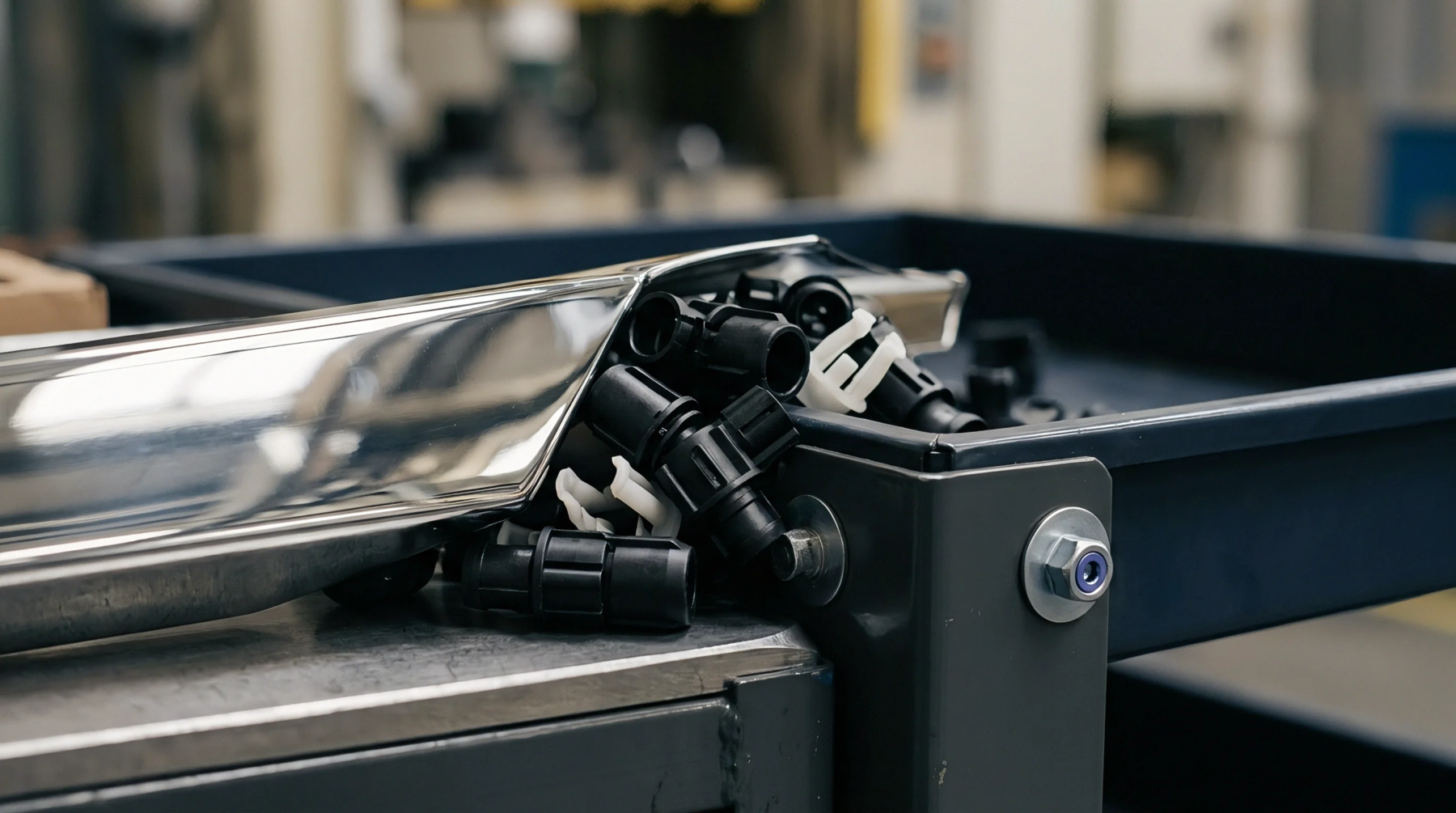
Differential thermal expansion on angled tool shut-offs demands precise cold-bench clearance relief to prevent parting line galling under clamp tonnage.

Cross-border injection mould bailment requires progressive title vesting, registered public security filings, and explicit lien waivers before moving steel.

Structure high-cavitation tooling capital through modular inserts and explicit true-up clauses to eliminate unamortized debt exposure during demand swings.
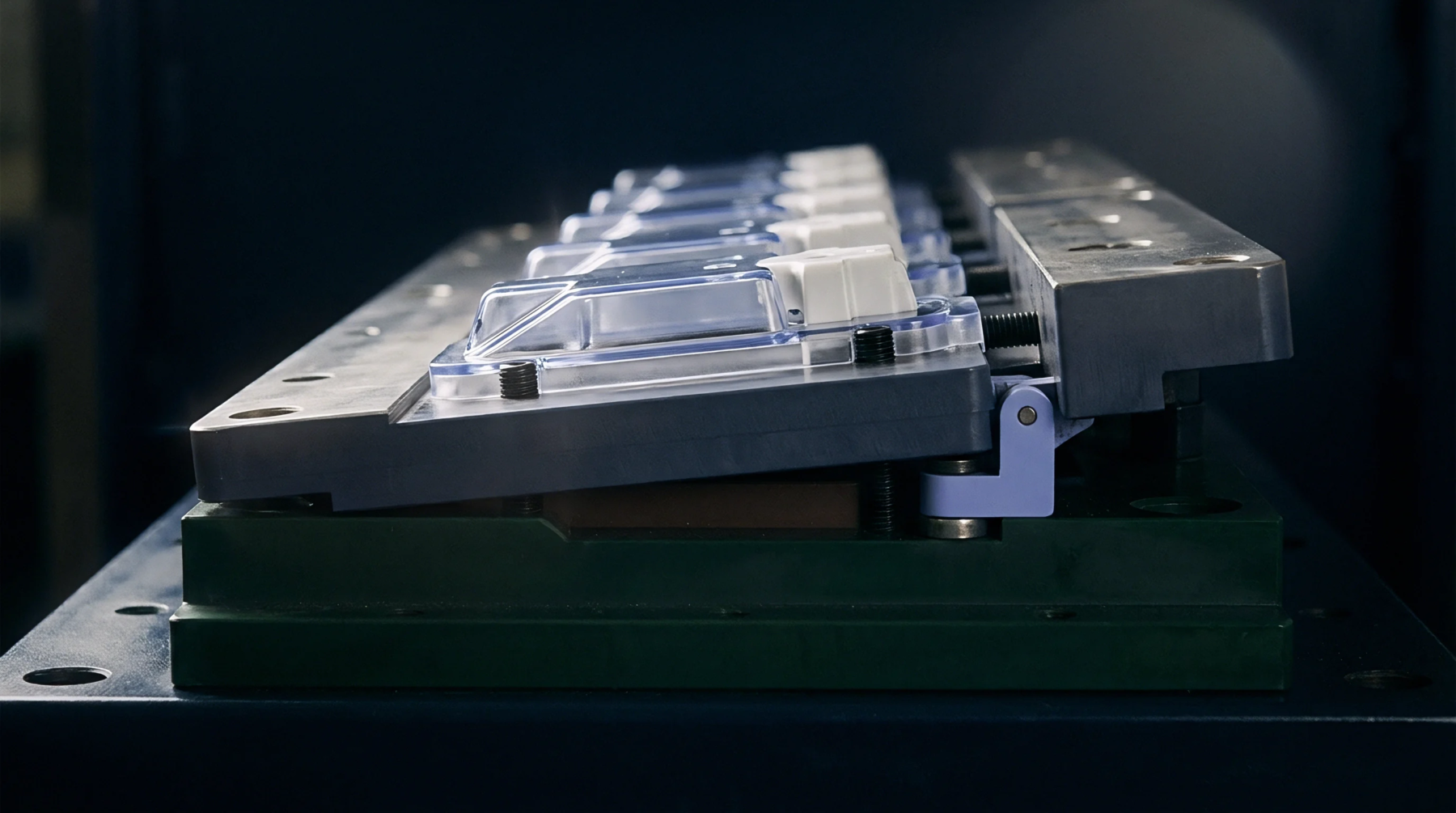
Predicting multi-cavity shutoff fatigue using Weibull B10 modeling prevents parting line flash by scheduling pre-load insert replacement before steel spalling occurs.
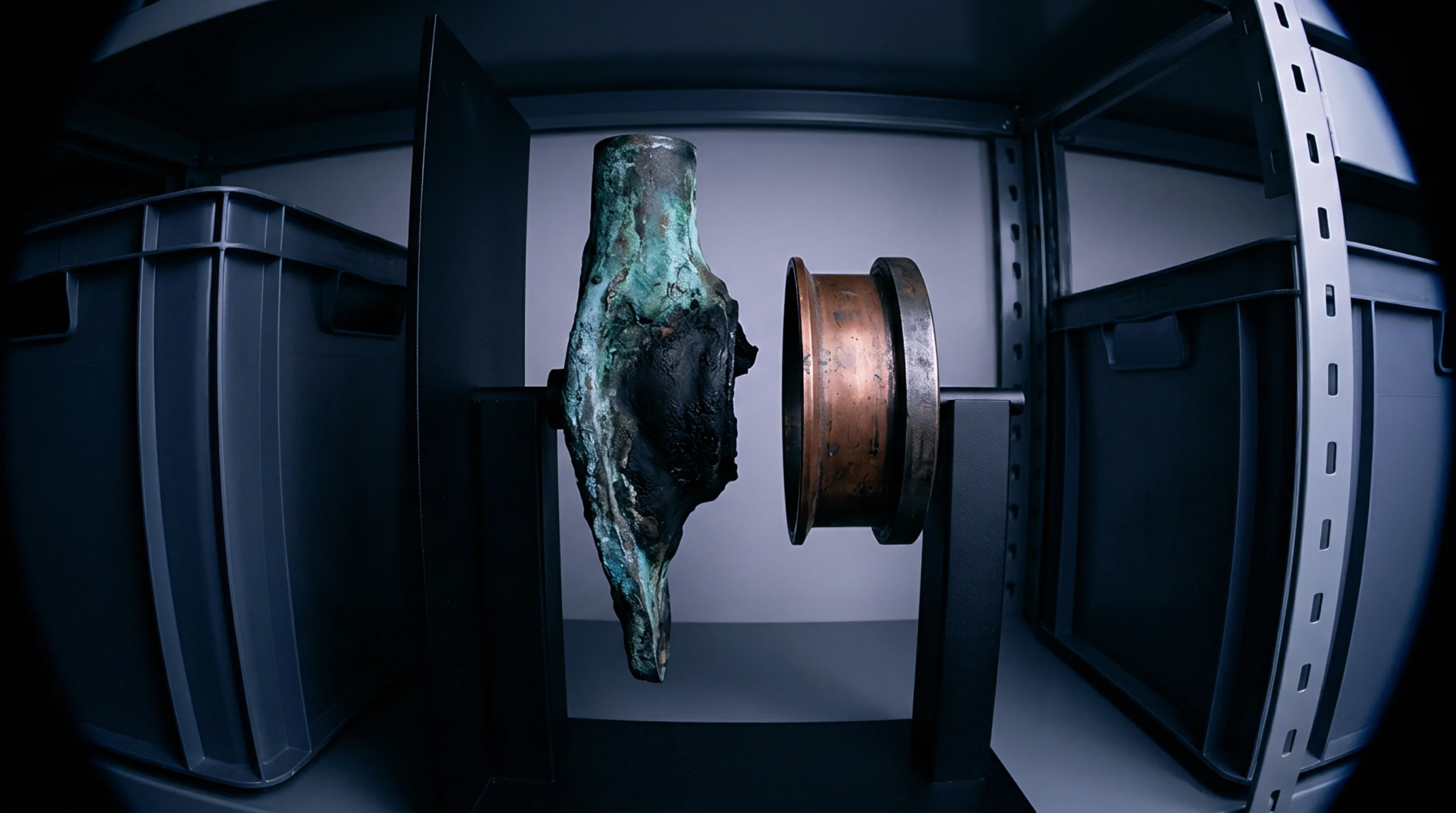
Shutoff micro hobbing occurs when localized lockup stress exceeds tool steel compressive yield strength, requiring controlled land area and high yield alloys.

Polymer wall conductance on smooth tool steel peaks above 3500 W/m²K under packing pressure and drops below 600 W/m²K upon thermal gap detachment.
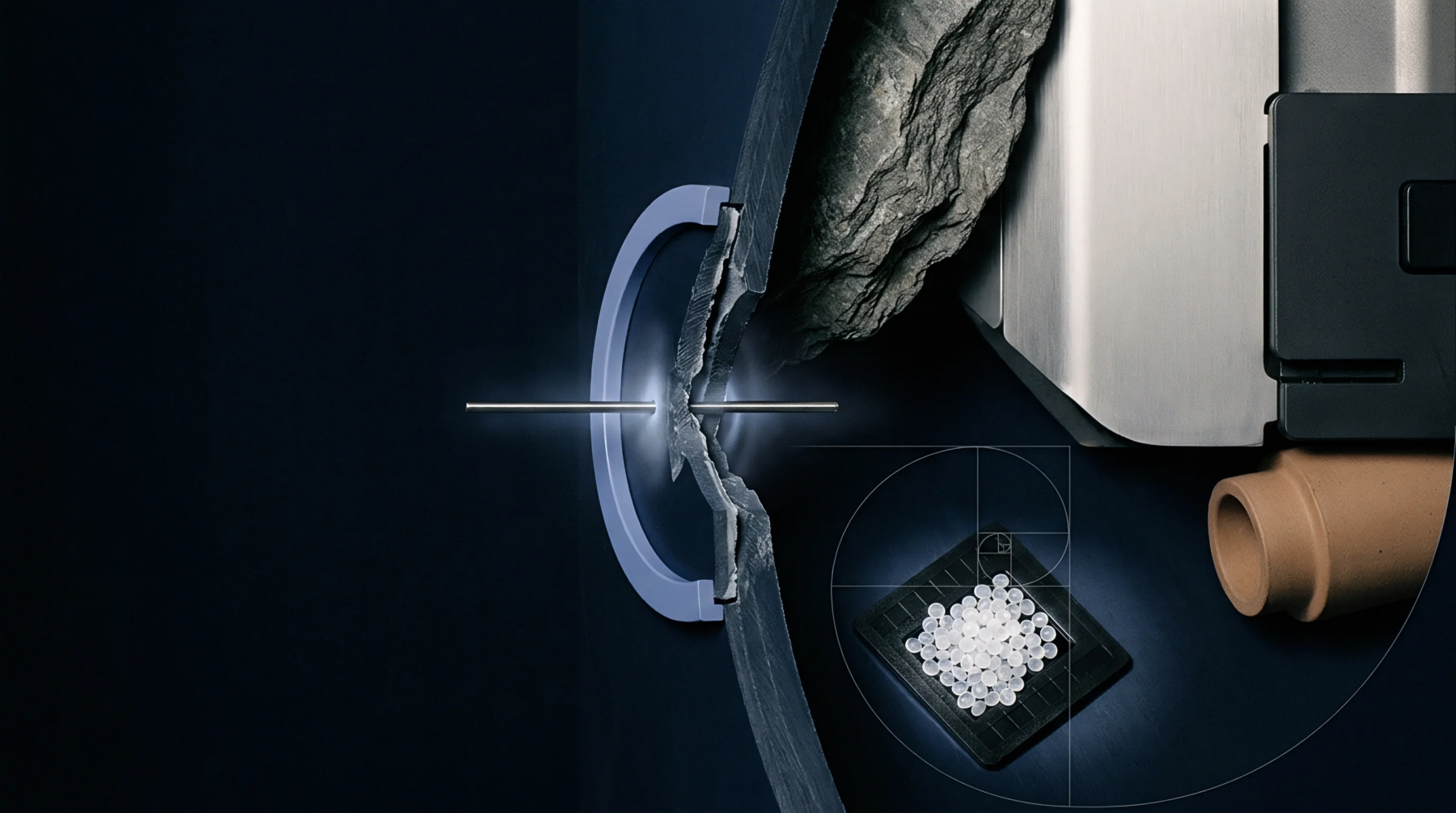
Closed loop ultrasonic drift compensation tracks phase angle shifts to decouple thermal steel expansion from polymer melt density during variothermal cycling.

Auditing foreign tooling retention claims combines physical steel inspection, financial deconstruction of amortisation ledgers, and escrow settlement.

Balancing shut-off land relief area against clamp force prevents steel hobbing while holding plastic melt seal across multi-cavity injection tooling.
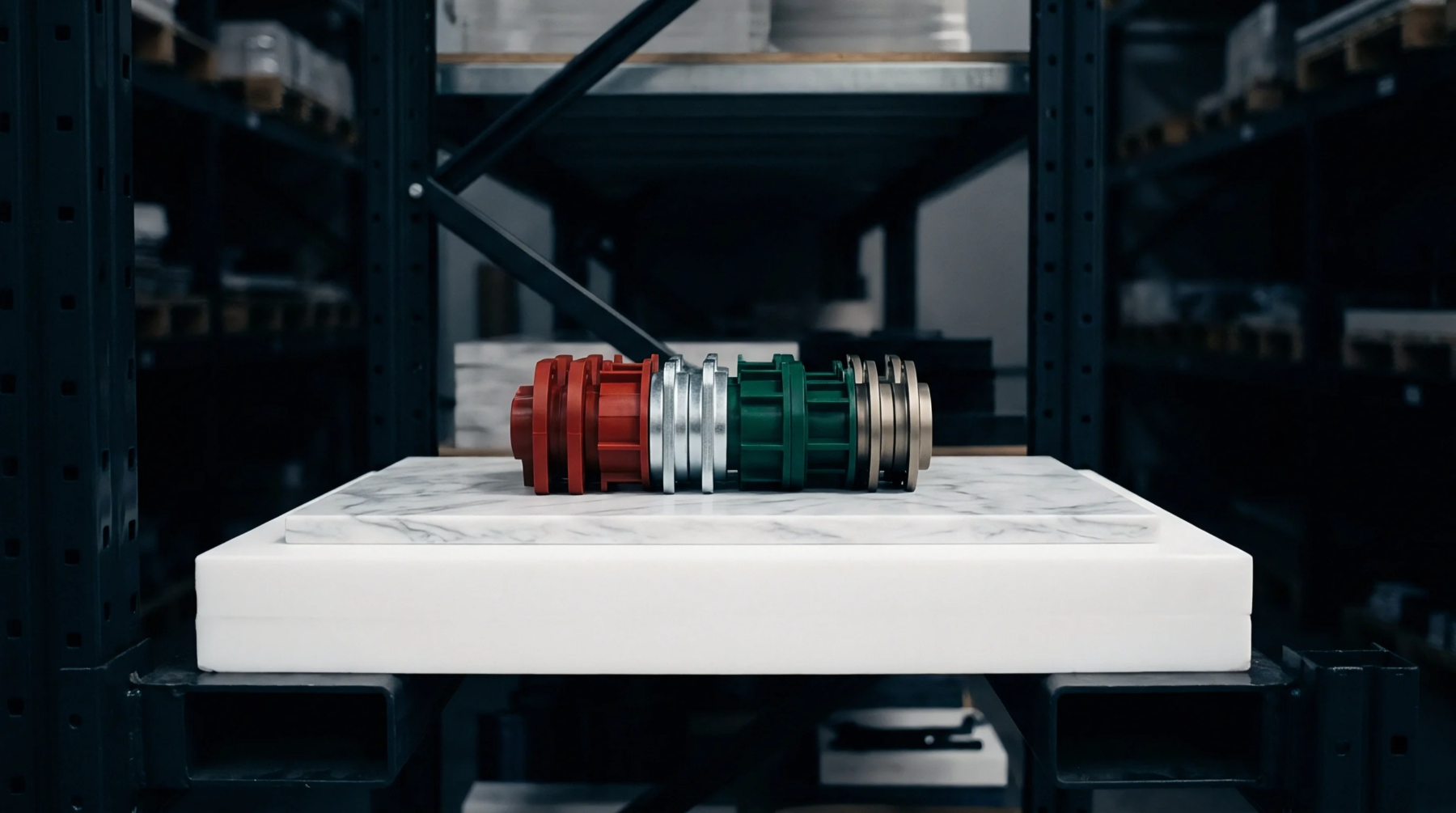
Direct piezoelectric cavity pressure sensing in micro injection moulding requires sub-micron bore tolerances, rigid preloading, and active thermal drift compensation.
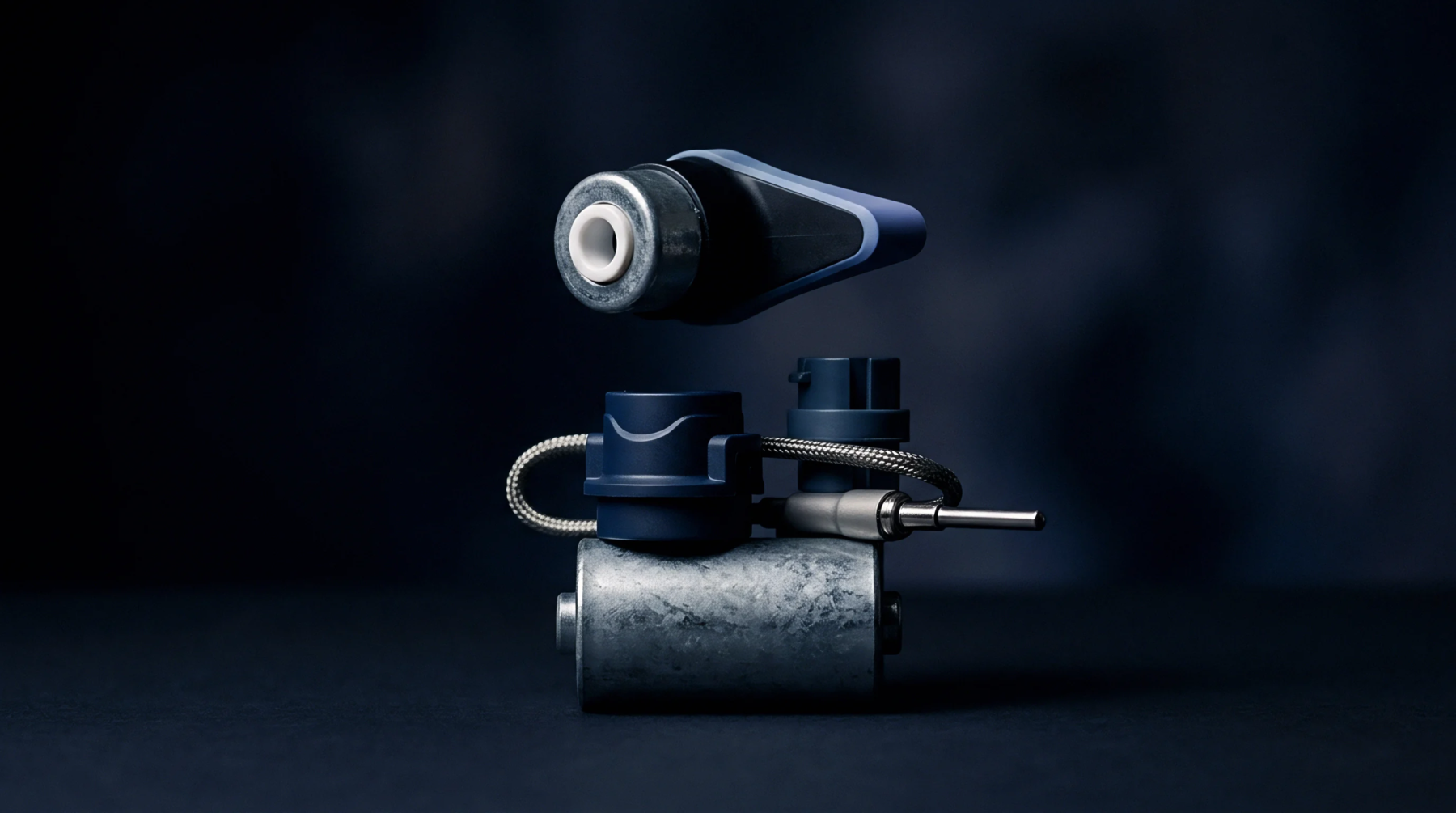
Recessed MI cable routing with thermal expansion loops prevents wire pinch, shields noise, and eliminates press downtime in high-temperature moulds.
Recutting tool steel establishes a stable process window that lowers long-term scrap costs and cycle times compared to forced parameter tuning.
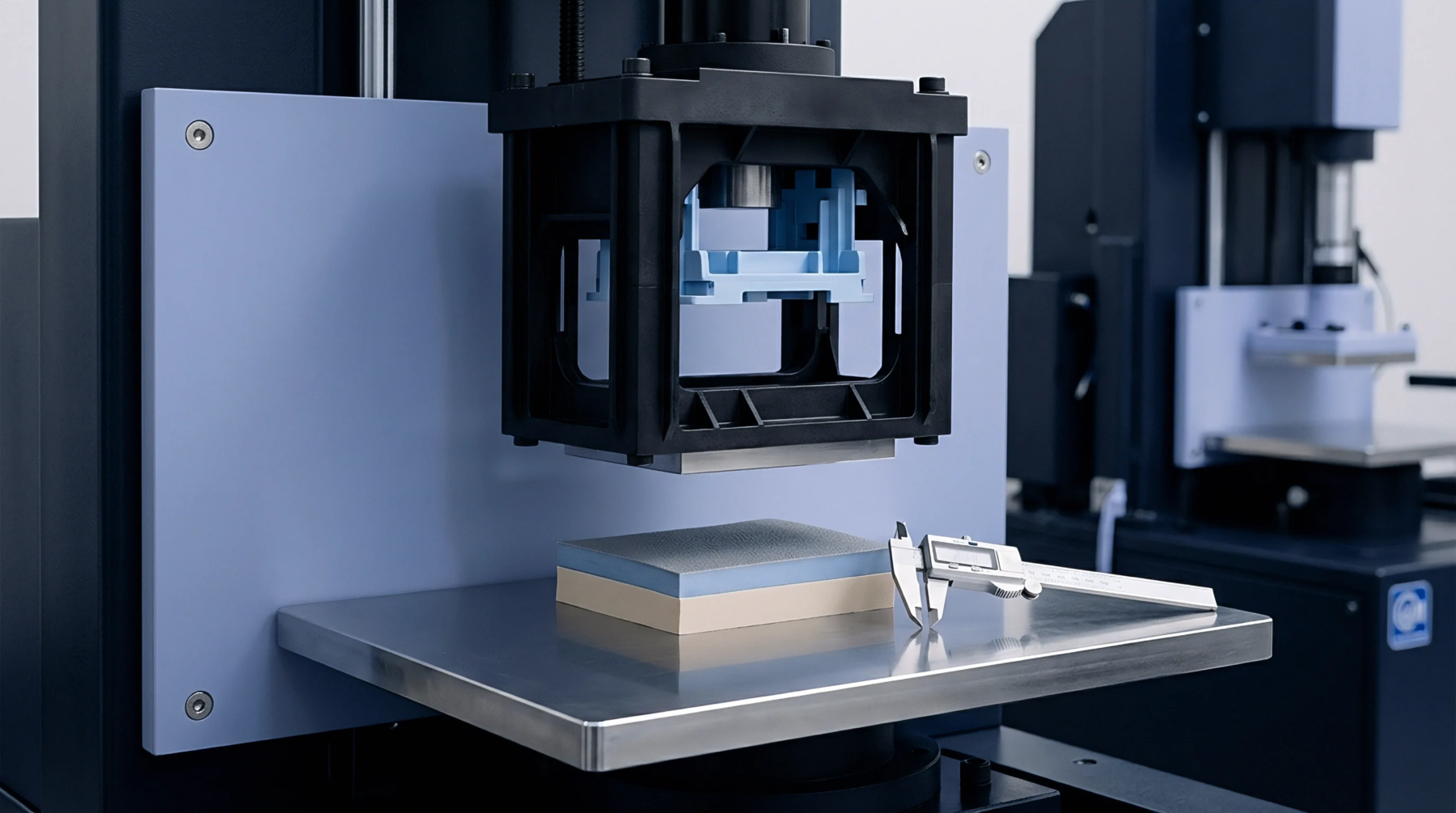
Optical coherence measurement uses broad-bandwidth infrared interference to capture deep cavity topographies without mechanical probe contact or lens clipping.
Prevent parting line flash by engineering shut-off lands to maintain compressive stress below 70 percent of steel yield strength under full clamp force.
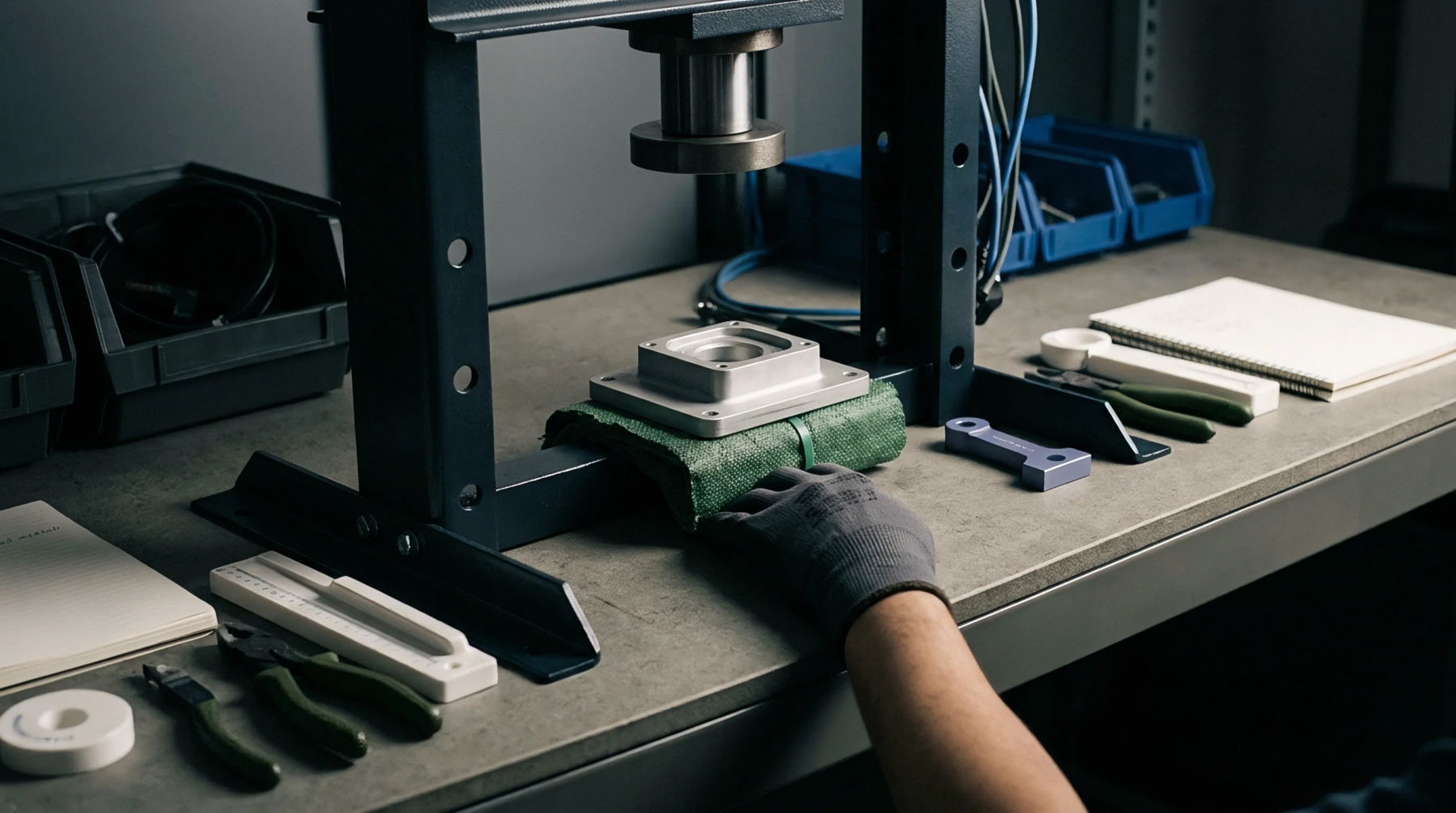
Predicting parting line wear and deflection requires balancing support pillar layouts, steel hardness, and thermal expansion gaps against resin flash limits.

Deterministic TDMA wireless telemetry across multi-cavity tooling eliminates fragile wiring harnesses while preserving sub-millisecond pressure curve tracking.

Perfection of cross-border offsite tooling requires local statutory registry filings, bilingual plates, bailment contracts, and customs documentation.

Maintain wall transitions below a three to one taper ratio while balancing packing pressure to counter thermal volume loss before gate freeze.
Trans-steel sensor arrays require dielectric waveguides or acoustic paths to bypass extreme RF loss, maintaining a 15 dB link margin under full clamp tonnage.
Angled hydraulic shutoffs demand deliberate cold clearances and mechanical preloads to balance thermal expansion against frame deflection and prevent flash.
Expertise is a utility, not a secret. sentiention™ publishes its working knowledge as open reference: intelligence layer covering the materials it sources, the markets it enters, and the reference that serves both.