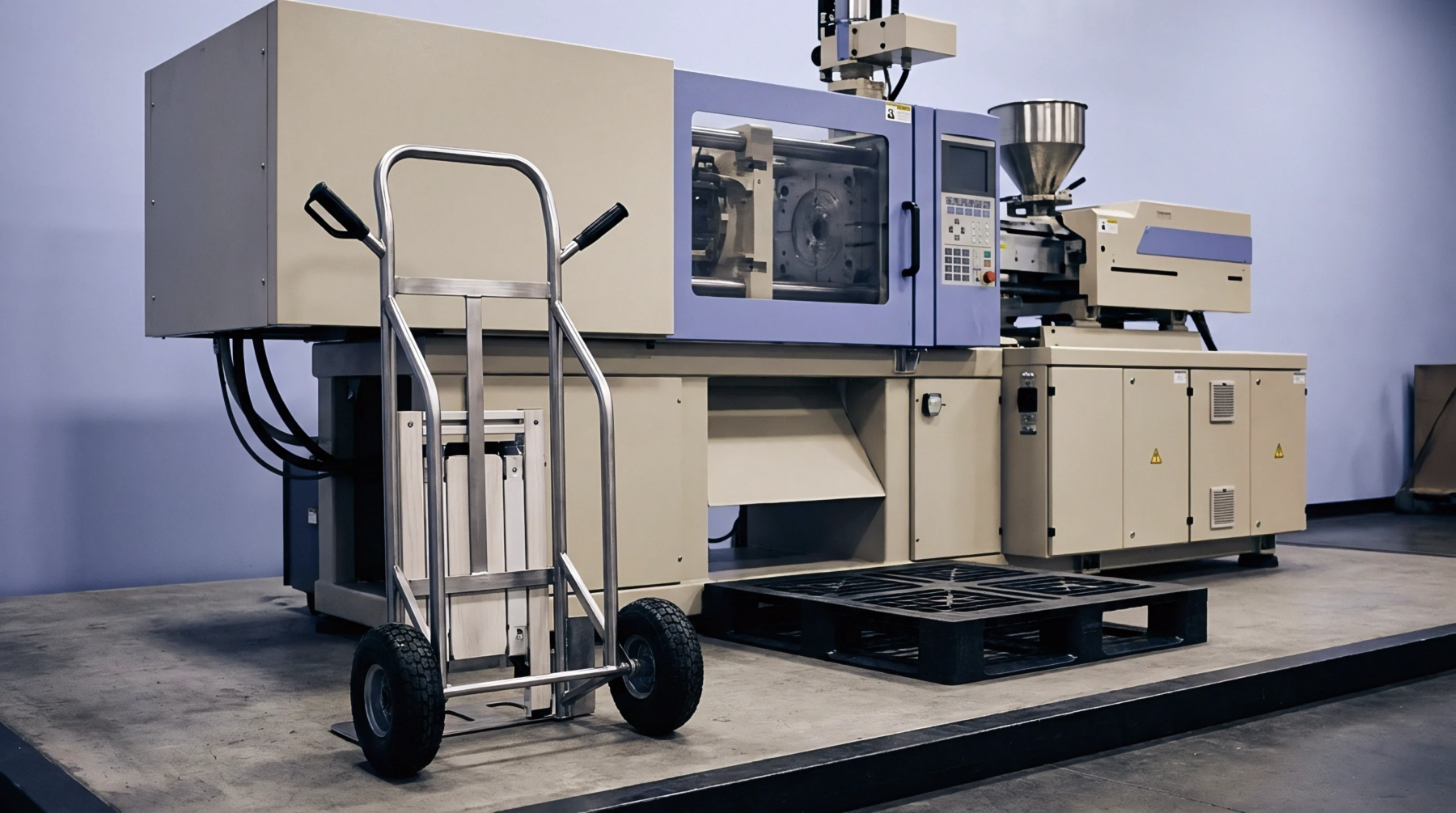
Active Core Micro Moulding Resonator Dimensional Control
Active core micro moulding controls resonator dimensions by displacing sub-micron pins during fill, suppressing volumetric sink and frequency drift.
Active core micro moulding controls resonator dimensions by displacing sub-micron pins during fill, suppressing volumetric sink and frequency drift.
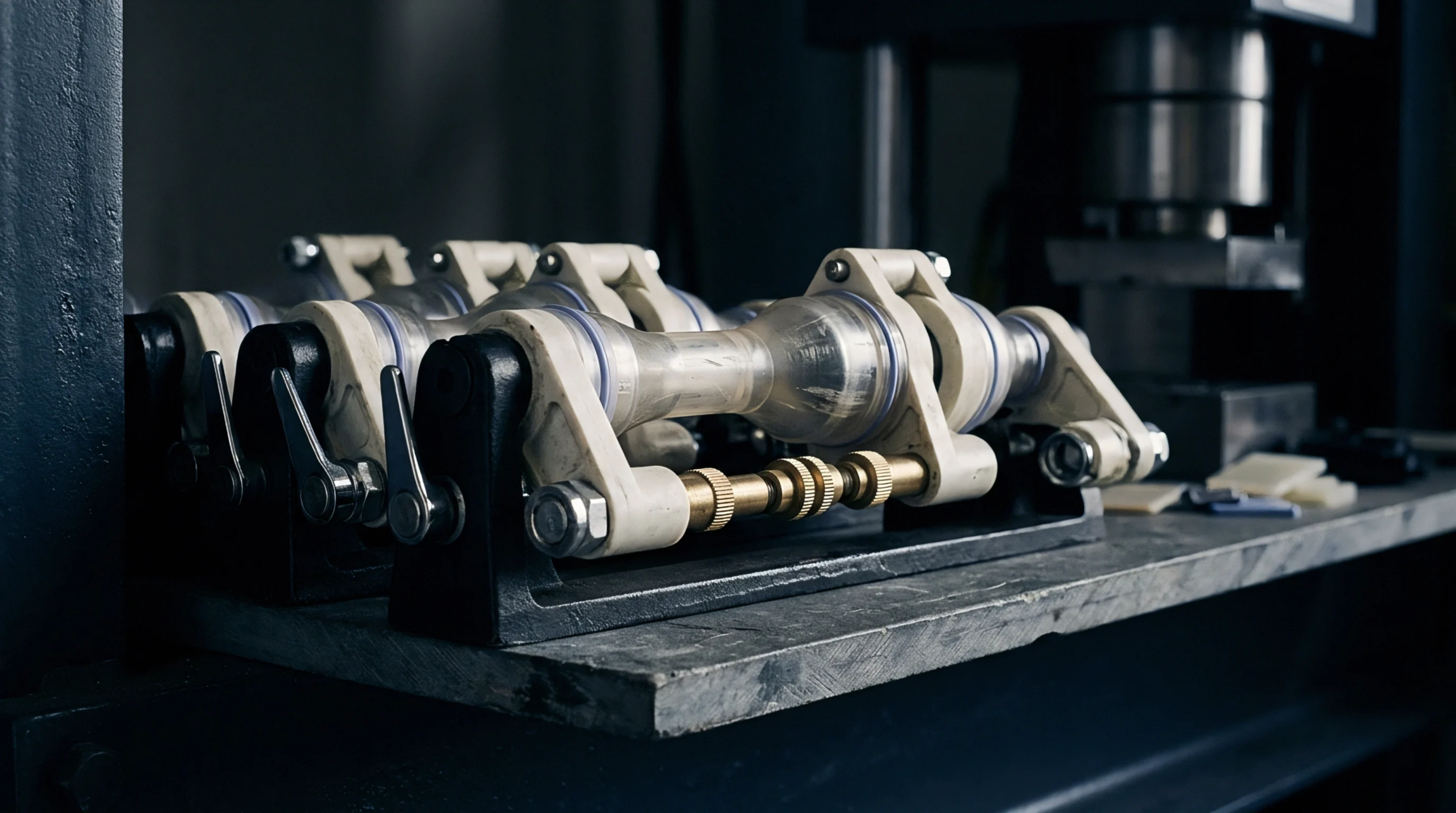
Cross-border bailment structures protect overseas injection tooling through explicit legal title separation, permanent asset marking, and enforceable repossession protocols.

Foreign tooling ownership relies on engraved asset tags, distinct bailment agreements, and prompt insolvency receiver filings to prevent asset liquidation.
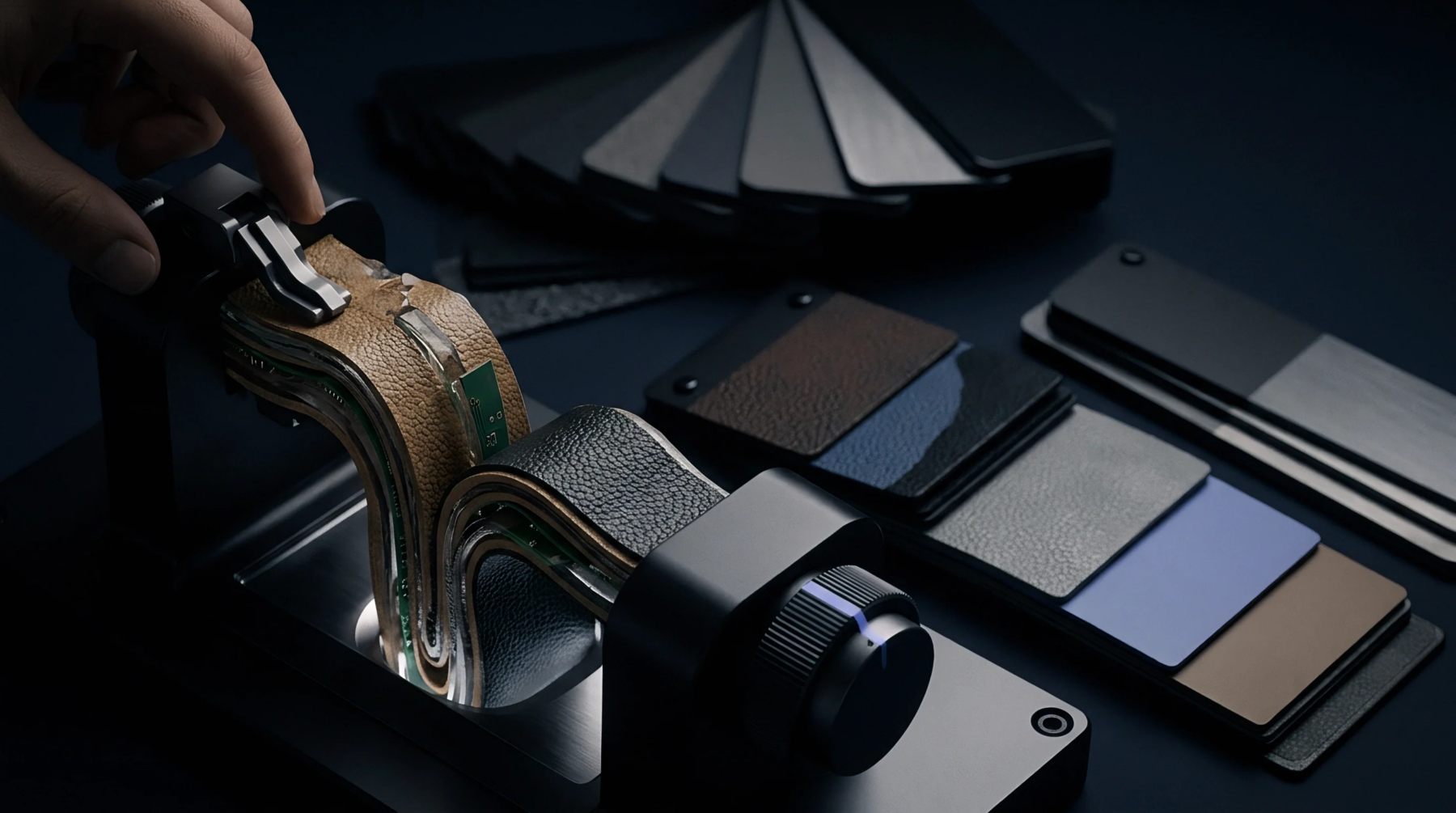
Microscopic air entrapment in textured molds stems from rapid melt front advancement trapping gas in surface valleys, manageable via controlled fill rates and porous micro-venting.
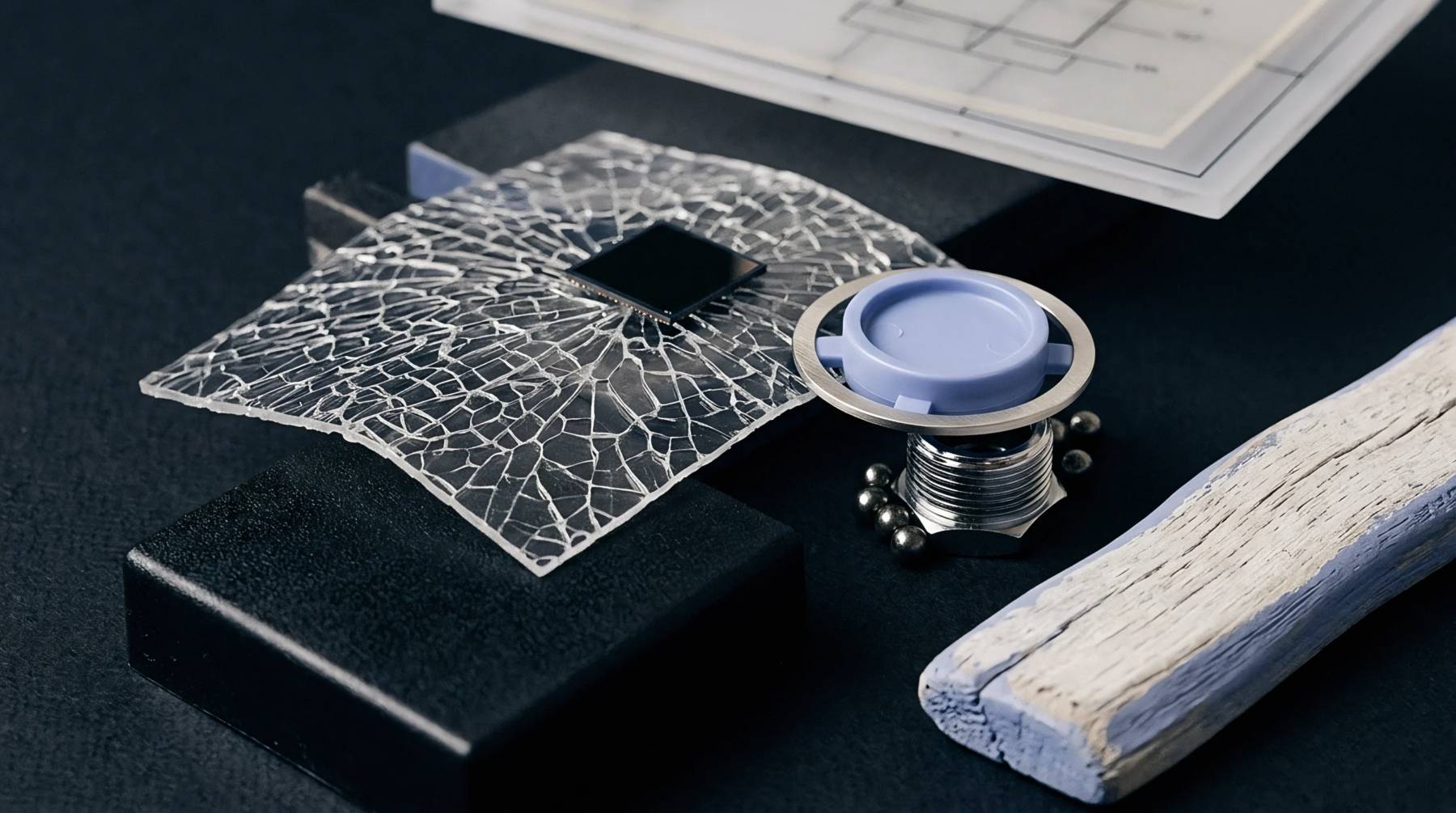
Polymer wall conductance on smooth tool steel peaks above 3500 W/m²K under packing pressure and drops below 600 W/m²K upon thermal gap detachment.
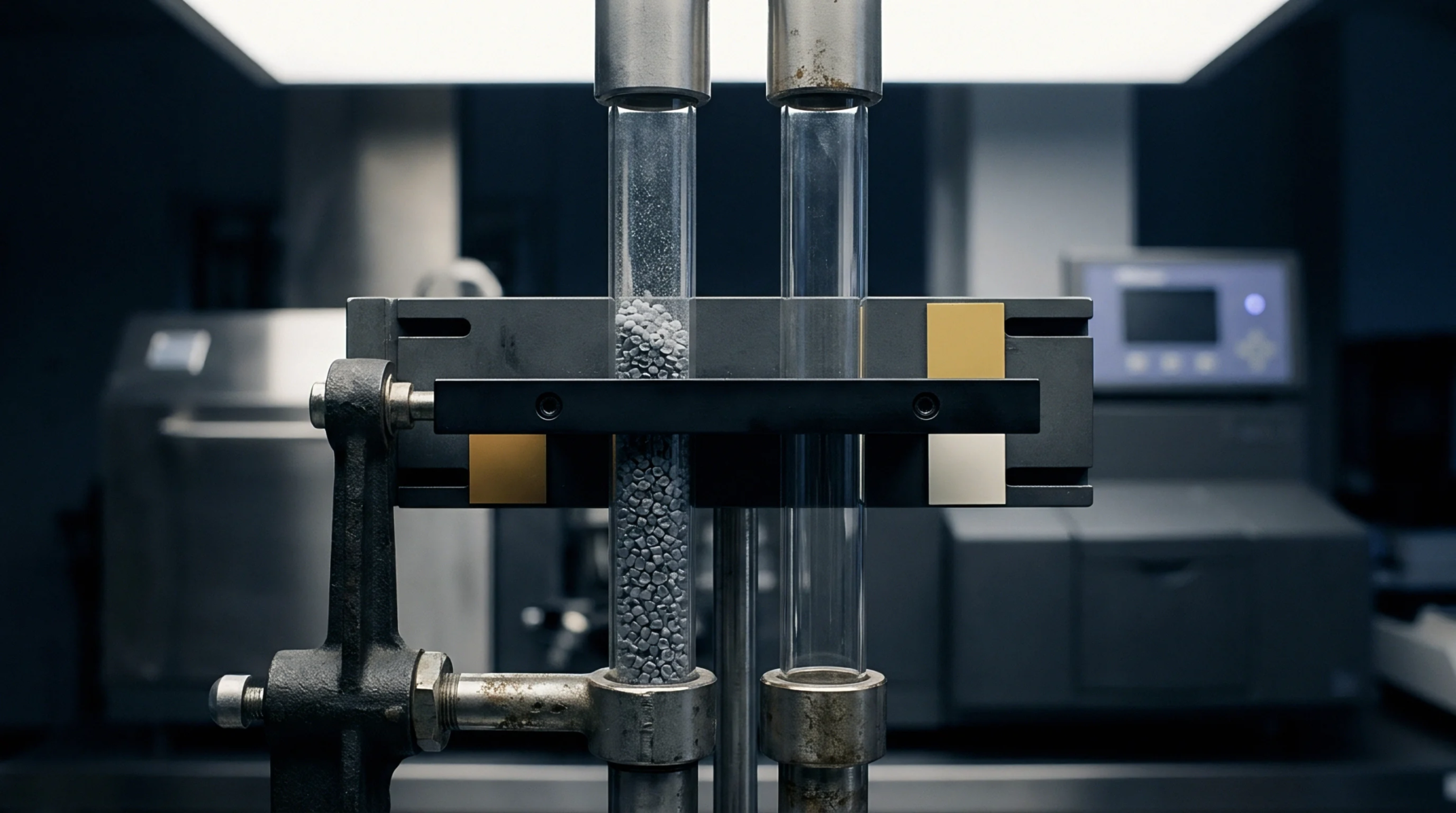
Predict boss torque retention by coupling anisotropic fiber orientation mapping with Prony series viscoelastic shift factors under thermal exposure.
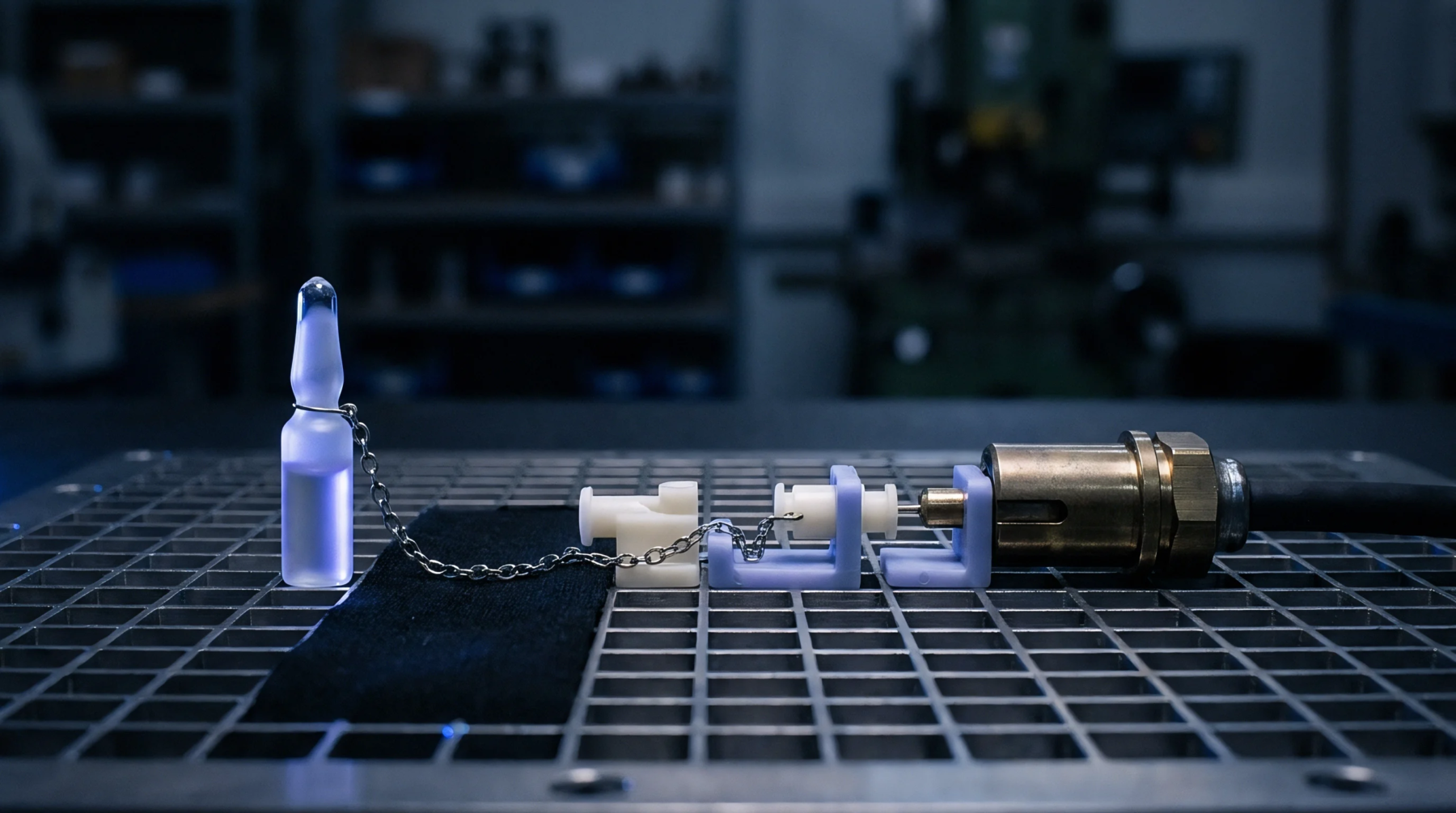
Quantifying polymer melt erosion across tool steels requires balancing matrix shear rate and substrate carbide fraction to extend insert operational life.
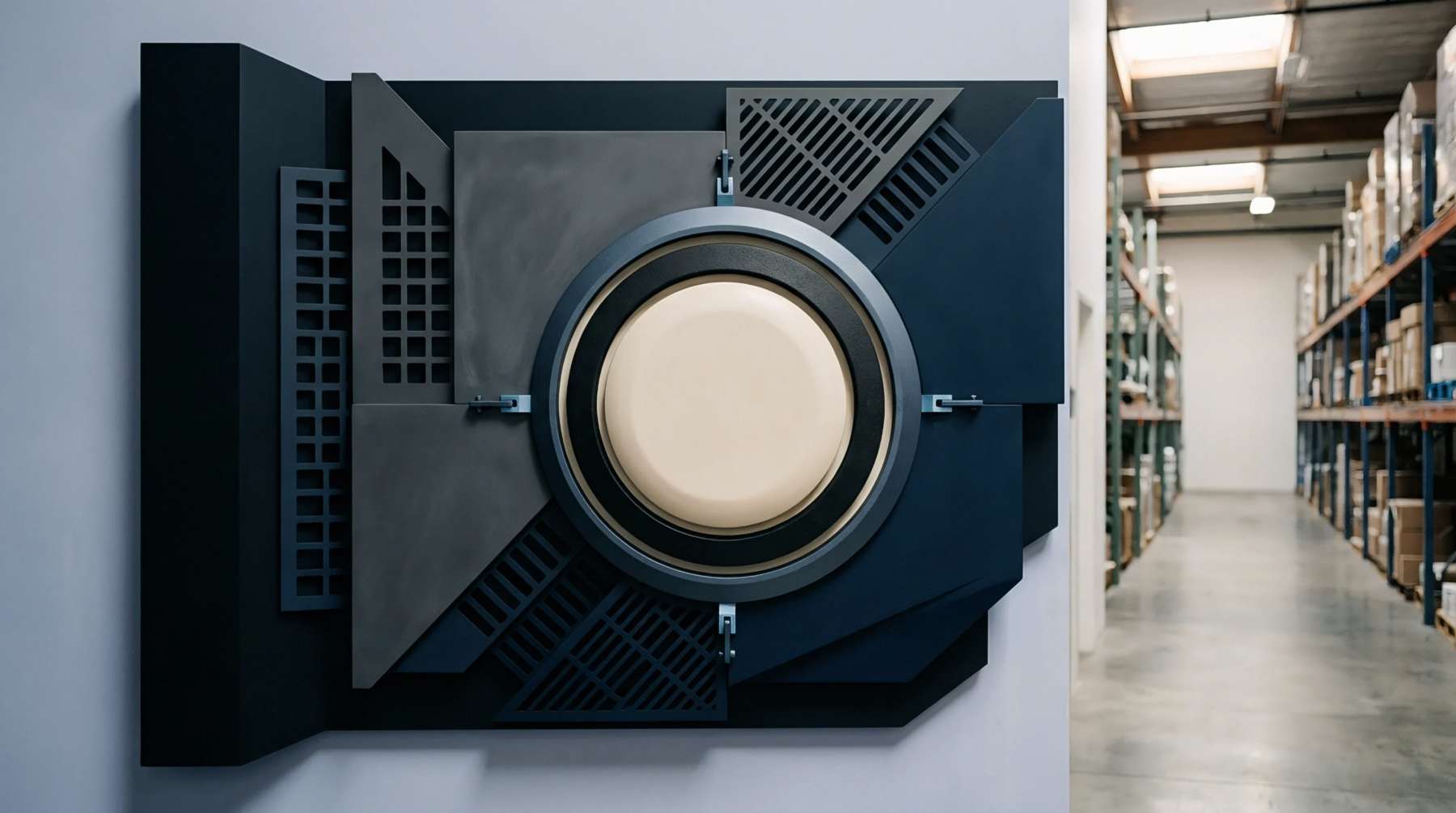
Plate flexure calculation and support pillar pre-charging prevent parting line flash by maintaining structural deformation below resin flow thresholds.

Predicting long-term tensile creep modulus drop requires combining ISO 899-1 creep data with time-temperature superposition and fiber orientation tensor modeling.
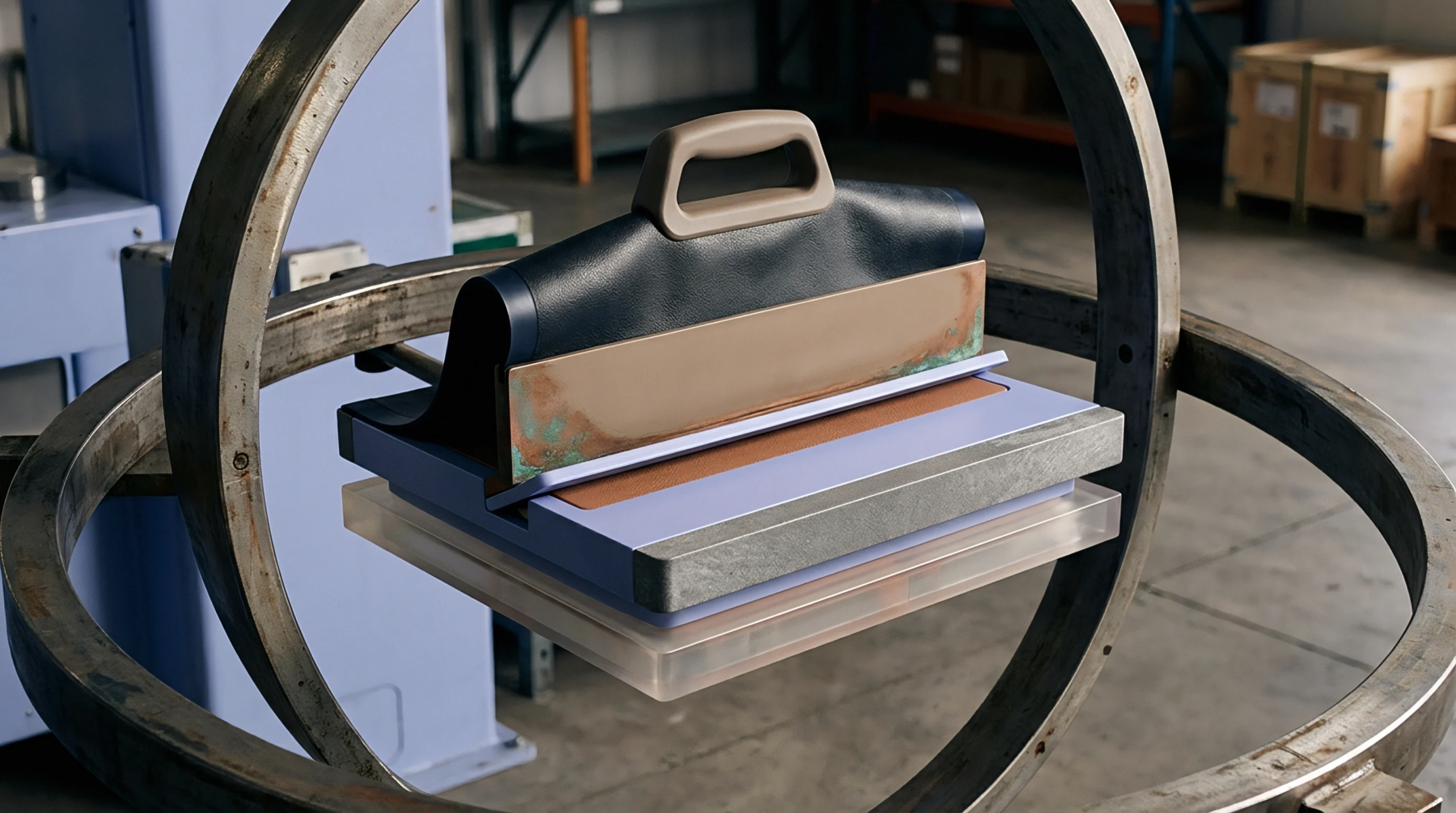
Standardizing cross-facility metrology on ultrasonic fixtures demands kinematic datum registration, thermal artifact scaling, and dynamic trigger force validation.
Press-side verification requires dynamic fill balance testing, telemetry pressure mapping, and individual cavity Cpk qualification before tool release.

Decoupled injection moulding decouples volumetric filling velocity from packing pressure to achieve tight tolerances and repeatable technical part production.
Cavity pressure directly controls polyamide crystallization and volumetric shrink, requiring precise transducer monitoring to hold DIN 16742 tolerances.
Precision thermal pitch compensation and strict alloy CTE matching eliminate alignment failures and shut-off land galling in high cavitation micro tooling.
Toolroom blueing shut-off verification proves metal contact under compression to eliminate plastic flash, protect tool steel, and validate parting line pre-load.
Matching part geometry to the correct plastic manufacturing process early prevents costly tooling modifications and ensures dimensional stability under production.
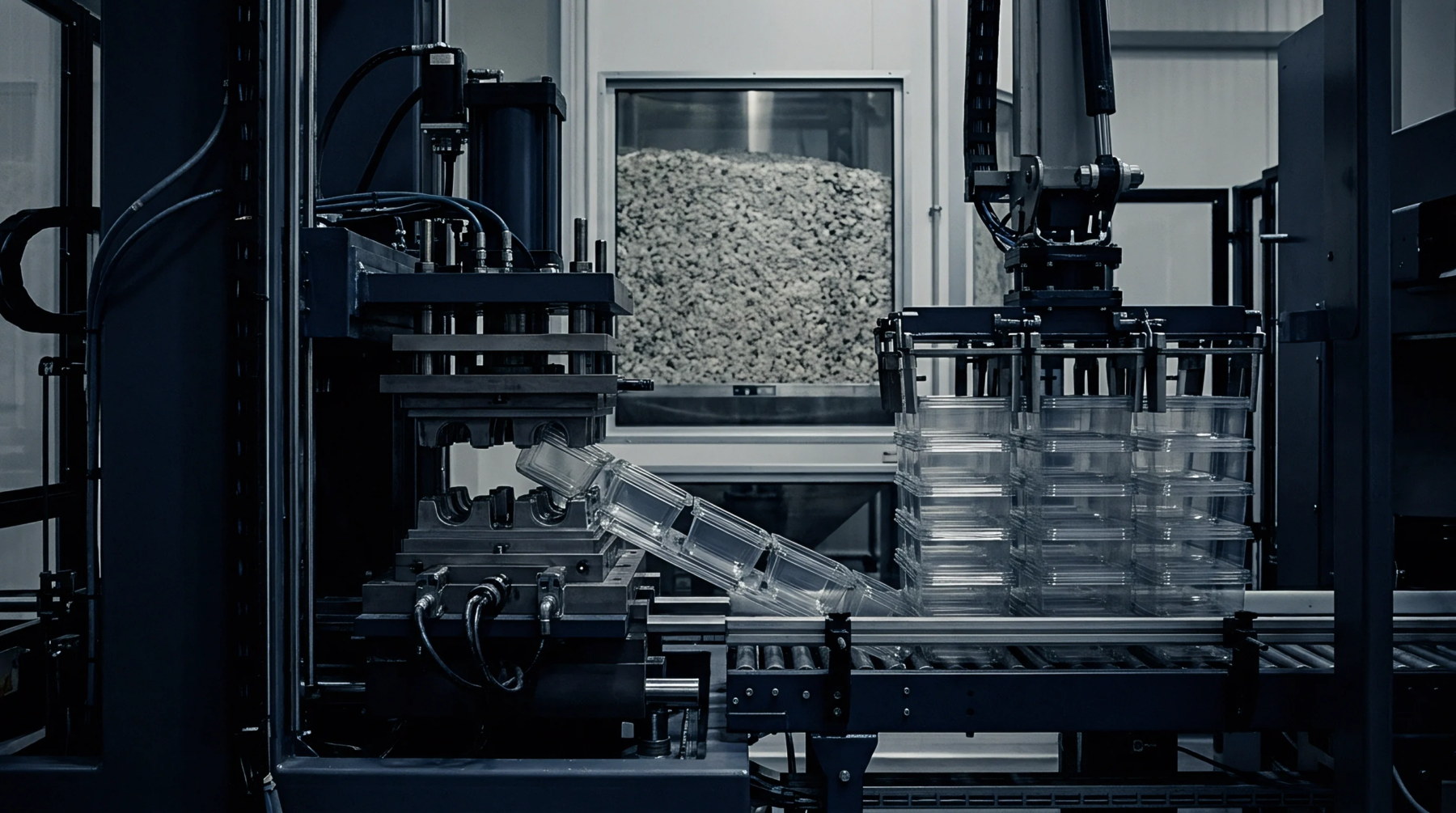
Thermoforming delivers lower total landed cost below fifteen thousand units by saving upfront tooling capital, beyond which injection piece price efficiency dominates.
Expertise is a utility, not a secret. sentiention™ publishes its working knowledge as open reference: intelligence layer covering the materials it sources, the markets it enters, and the reference that serves both.