Meaning
Dimensional specifications that require deviations to be kept below one thousandth of a millimeter are essential for high-performance optical and micro-fluidic components. Achieving a submicron tolerance demands exceptional control over tool manufacture and the injection moulding process.
Precision Moulding
Micro-moulding of parts like diffractive lenses or lab-on-a-chip devices requires the replication of nano-scale features with high fidelity. Maintaining a submicron tolerance requires extremely rigid tooling and ultra-precise positioning systems. Even minor fluctuations in melt pressure or screw position can cause the part dimensions to drift outside the allowed limits.
Machine controllers must use high-resolution encoders and closed-loop feedback systems to monitor every phase of the injection cycle.
Equipment Stability
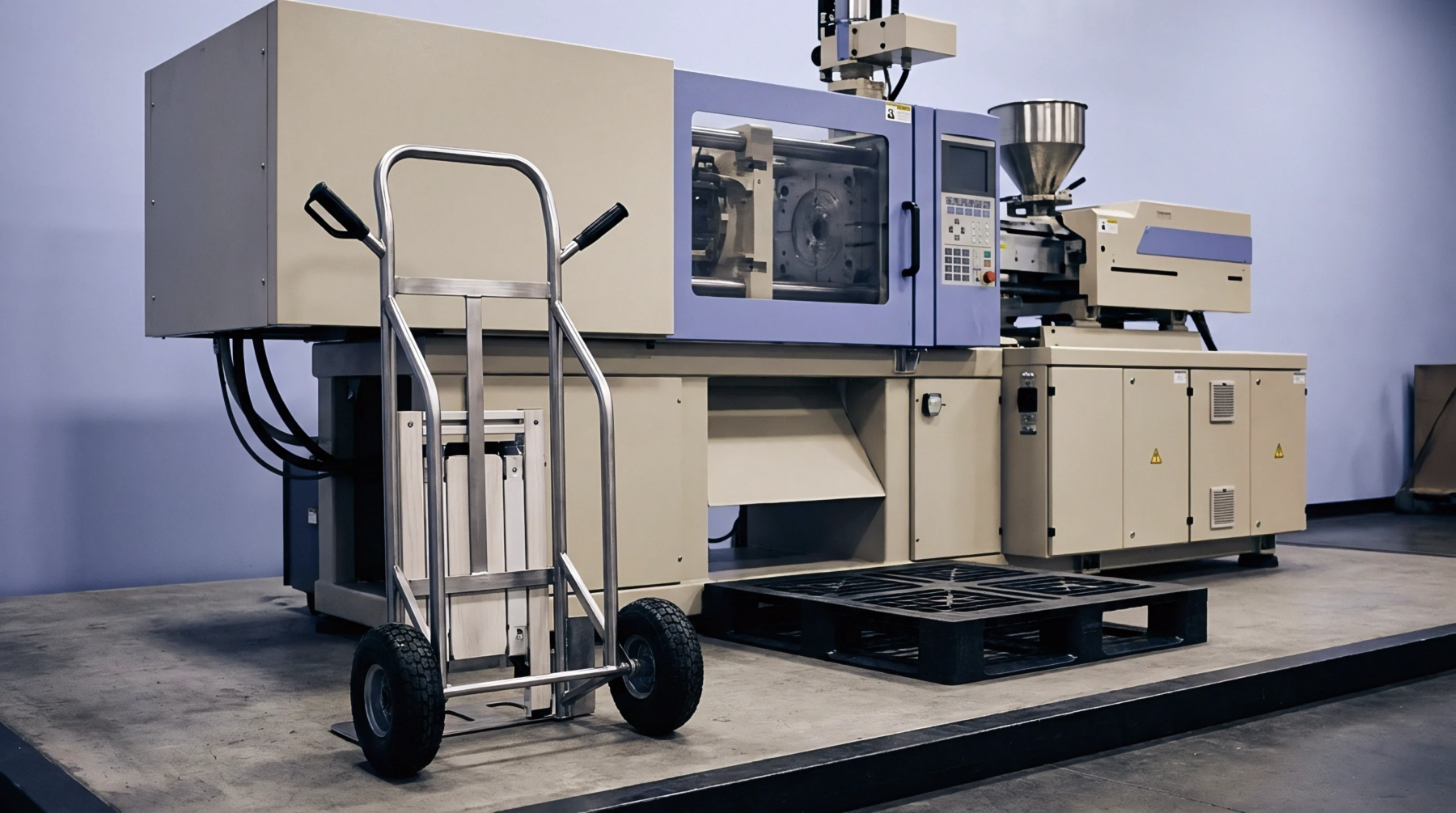
Environmental factors and machine temperature must be kept highly stable to achieve consistent part quality. Small changes in ambient temperature can cause the steel tool to expand or contract enough to violate a submicron tolerance specification. To prevent this, precision moulding machines are often housed in temperature-controlled cleanrooms and mounted on vibration-isolated foundations.
The cooling water temperature is also regulated to within a fraction of a degree.
Material Selection
Polymer selection is a primary factor when designing parts with extremely tight dimensional limits. The ability to hold a submicron tolerance depends on using low-shrinkage, amorphous resins like polycarbonate or cyclic olefin copolymer. Semi-crystalline polymers are generally avoided for these applications due to their high and unpredictable volumetric shrinkage.
The resin must also have high melt flow to fill the micro-features without requiring extreme pressures.