Meaning
Electrical discharge machining at a miniature scale removes material through thermal erosion induced by high frequency sparks between a tool electrode and a conductive workpiece. Micro edm operates within sub-millimeter tolerances to create complex geometries that traditional mechanical cutting tools cannot achieve. This process uses a dielectric fluid to flush away debris while maintaining the required insulation gap.
Consistent gap control governs the accuracy of the finished part.
Moulding Application
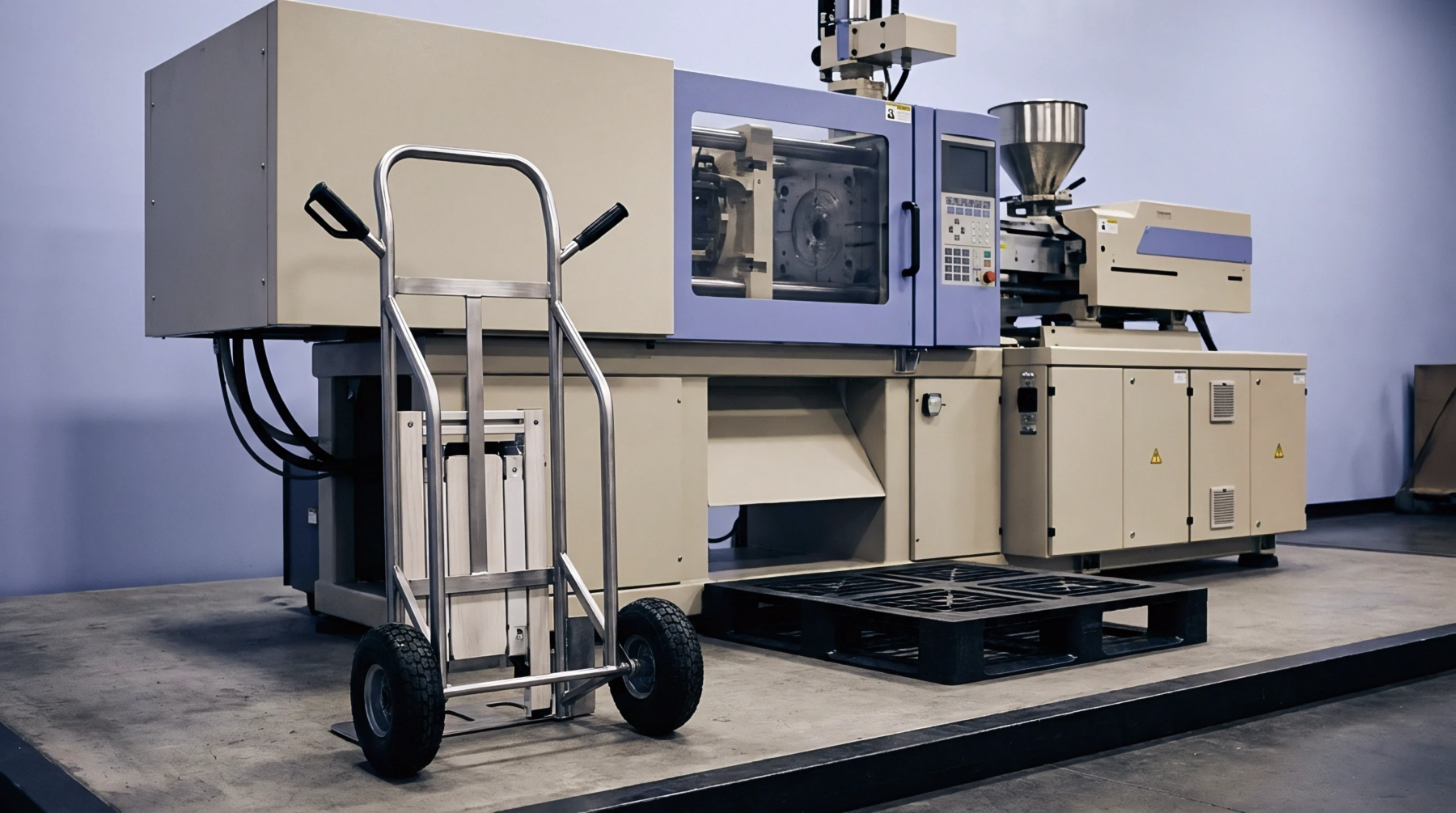
Tooling inserts for intricate polymer components often rely on this technique to produce sharp internal corners or deep ribs that exceed the limits of standard end mills. Mould designers specify these small features to accommodate snap fits or complex microfluidic channels. Material flow in the finished part improves when these precise features maintain strict geometry without burrs.
Tooling durability drops significantly if the spark energy settings remain too high during the roughing stage.
Operational Variable
Discharge energy and pulse duration determine the surface integrity and final dimensions of the metal cavity. Operators adjust these parameters to balance the rate of material removal against the desired surface finish quality. Small electrodes require frequent monitoring because wear alters the profile during long production runs.
A shift in these settings results in dimensional drift that exceeds the tolerance of the molded plastic geometry.
Component Specification
High precision polymer parts demand that the mold cavity matches the design intent across every individual cycle. Finished parts display flash or incomplete filling when mold features deviate due to improper spark control. Engineers review the deviation between the nominal cad model and the measured metallic insert to verify that production remains within the established limit.
Stable electrical control ensures that the mould produces uniform parts throughout the lifespan of the tool.