Meaning
Customs frameworks allow foreign goods, machinery, or materials to enter a nation’s borders duty-free for a limited duration on the condition that they are subsequently exported. Operating under a temporary import regime allows manufacturing firms to bring in high-value injection molds from international toolmakers for a specific production run without paying expensive customs duties.
Duty Suspension
Injection molds engineered overseas represent a massive capital expenditure. Paying standard import tariffs on these assets creates cash flow strains. This suspension removes the entry barrier.
Tooling Movement
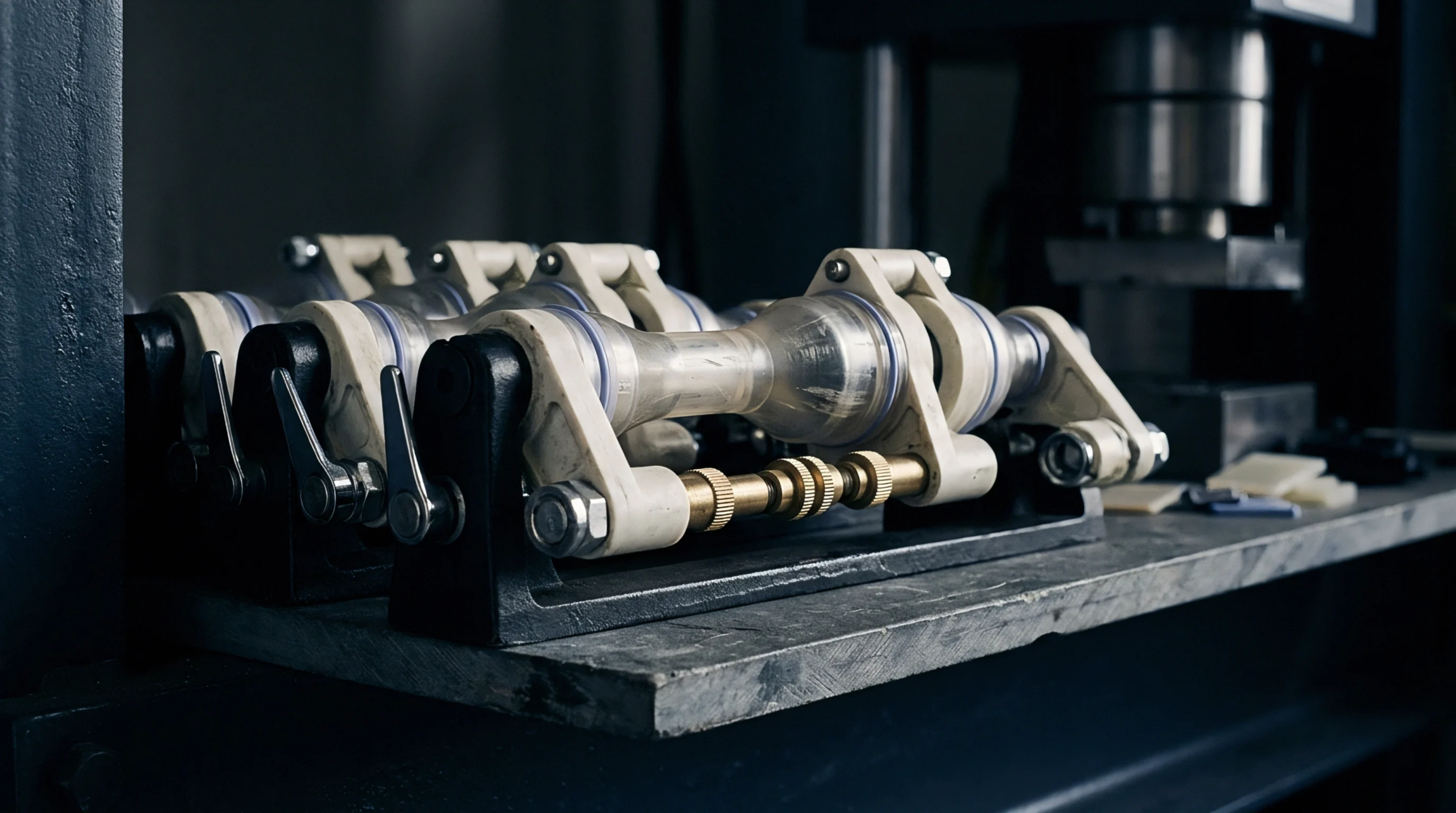
Multi-cavity tools can be brought in for a defined trial period or a limited manufacturing campaign before returning to their foreign owner. To qualify, the mold must be tracked using serial numbers and custom declarations that link its entry to its eventual export. This strict control ensures that the equipment is not sold or permanently retained within the importing country.
Regulatory Penalty
Failure to re-export the tooling before the approved duration expires triggers substantial fines and retroactive tariff liabilities. Molders must manage these expiration dates carefully to avoid severe financial penalties that would erase the margin of the molding run. Accurate record-keeping and formal extension filings are mandatory to maintain compliance with customs officials.