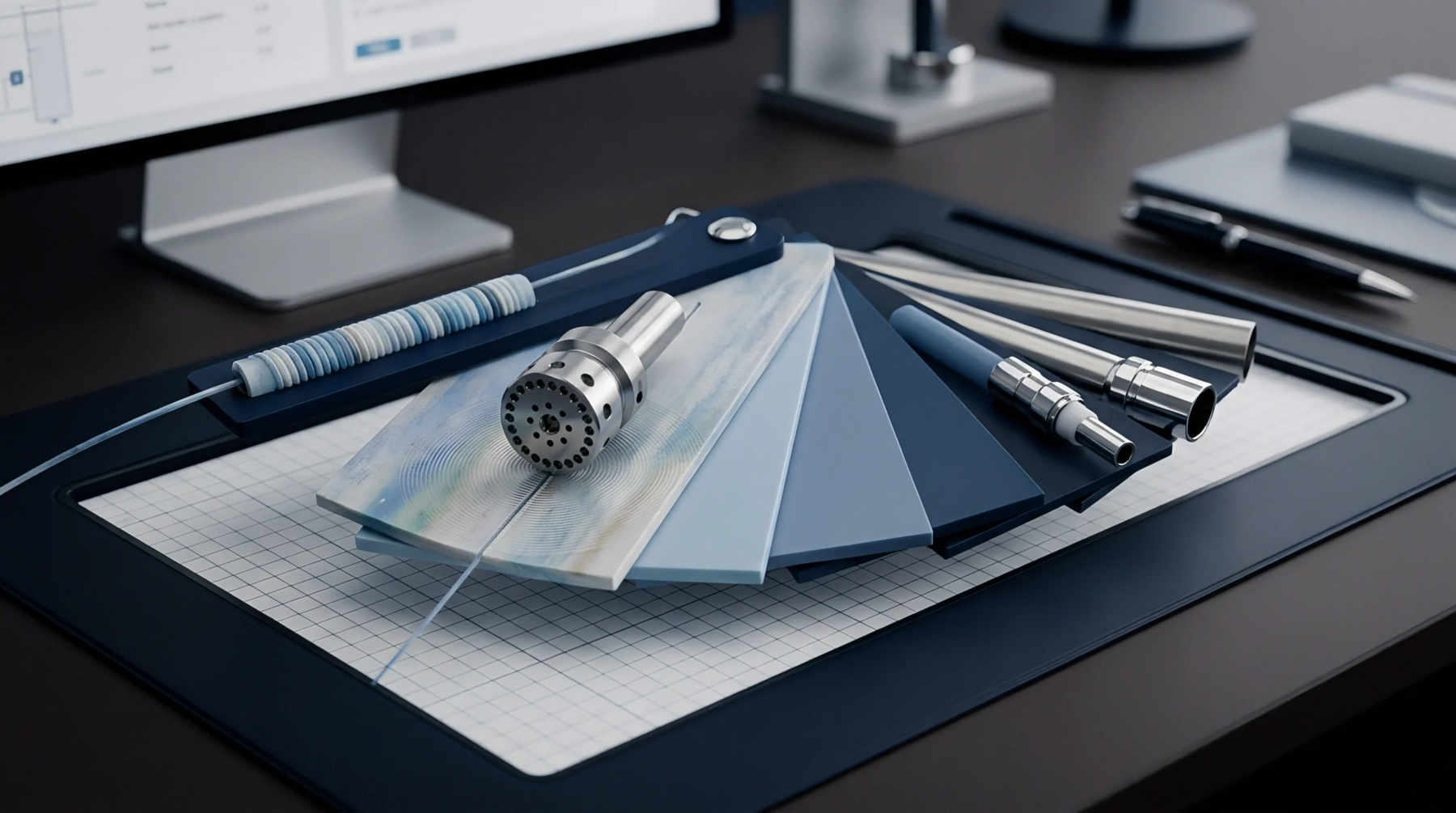
Toolroom Blueing Shut off Verification for Injection Moulding
Toolroom blueing shut-off verification proves metal contact under compression to eliminate plastic flash, protect tool steel, and validate parting line pre-load.
Physical vapour deposition layers consist of metallic thin films applied to tool surfaces to reduce friction and prevent material transfer during high pressure moulding operations. Manufacturers utilize pvd wear coating to alter the hardness and surface energy of metallic substrates, extending the cycle life of precision cavities. These ceramic-based structures form through vacuum chamber evaporation or sputtering, where atoms deposit onto a cooler part to create a dense, chemically inert barrier.
A tool protected by this treatment resists abrasive particles within glass-filled or abrasive resin compounds. The protective limit occurs when the substrate undergoes permanent elastic deformation, causing the brittle coating to crack under the load.
Application of pvd wear coating happens during the final stages of mould manufacture after heat treatment or nitriding achieves the desired core hardness. This hard layer functions to decrease the coefficient of friction between the plastic melt and the metal wall during injection, which prevents galling at sharp gates or narrow ribs. Because the film thickness usually stays below five micrometers, dimensional accuracy remains unchanged for most production tolerances.
Moulders apply this treatment to prevent adhesion of resin components onto the steel surface, a common defect caused by excessive shear heat near the feed points. The presence of the layer reduces the frequency of manual cleaning, as plastic residues do not bond strongly to the modified surface. Consistent control of the chamber temperature during deposition determines the final adhesion strength.
Process variables in polymer moulding dictate how pvd wear coating preserves the tool geometry across millions of cycles. Materials reinforced with minerals or glass fibres exert high abrasive pressure on the cavity edges, which degrades unprotected steel surfaces through mechanical stripping. The chemical composition of the coating, typically titanium nitride or aluminium chromium nitride, provides the hardness necessary to withstand this physical scrubbing.
Virgin resins containing specialized flame retardants sometimes produce acidic byproducts that corrode untreated metal, but the inert nature of the coating blocks this corrosive attack. Parts experience less surface marking when the mold surface remains smooth throughout the entire production run. Moulders monitor the surface roughness after long runs because the eventual loss of the coating through slow attrition signals the need for refurbishment.
A datasheet value for hardness on the tool steel does not account for the additional protection offered by these thin layers in a production environment.
Economic gains from pvd wear coating depend on the reduction of tool maintenance hours and the improvement of part consistency during high volume manufacturing. Frequent removal of a tool from the press for surface polishing introduces significant downtime, adding costs to every thousand cycles completed. A coated tool provides a higher number of parts between service intervals compared to bare steel, lowering the per-unit tool amortization cost.
This reduction in downtime offsets the initial investment required for the deposition process. The coating maintains the original finish of the cavity longer, ensuring consistent gloss levels on the final product. Reliable surface protection keeps production schedules stable.
Toolroom blueing shut-off verification proves metal contact under compression to eliminate plastic flash, protect tool steel, and validate parting line pre-load.
Expertise is a utility, not a secret. sentiention™ publishes its working knowledge as open reference: intelligence layer covering the materials it sources, the markets it enters, and the reference that serves both.