Meaning
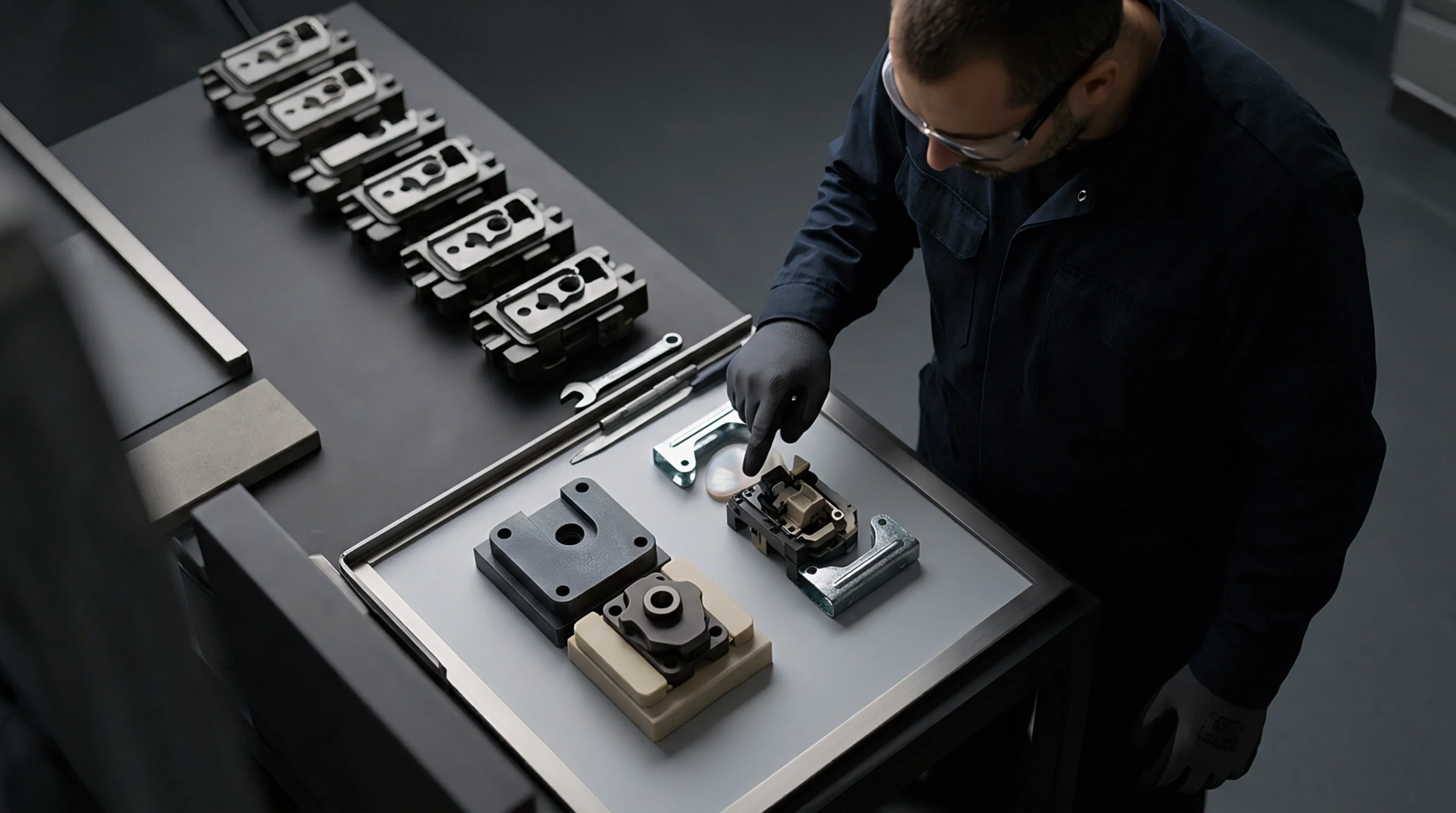
Diagnostic surface marking transfers visible pigment between mating tool faces under mechanical pressure to reveal physical contact patterns. Applying bluing ink transfer during mold maintenance shows maintenance technicians exactly where cavity shutoffs make contact and where gaps remain open. The ink deposits onto opposing steel surfaces in direct proportion to localized contact pressure, leaving uncolored areas where clearance exceeds ink film thickness.
This diagnostic method evaluates static mechanical fit but cannot measure dynamic resin deflection occurring during high injection pressures.
Pigment Layering
Application technique determines the accuracy of the contact pattern generated on the steel surfaces. Applying bluing ink transfer requires a film thickness under three micrometers, as excessive ink thickness creates false positive readings by bridging non-contacting clearances. Thin layers dry quickly while remaining sufficiently pliable to transfer under clamp pressure.
Shutoff Fitting
Precision bench fitting relies on repeated ink applications to guide manual metal removal. Hand grinding removes steel exclusively from high spots identified by dark pigment transfer. Iterative fitting cycles continue until ink transfers across eighty percent of the shutoff perimeter, ensuring proper seal integrity under clamp pressure.
Defect Prevention
Flash formation occurs when resin enters gaps left unmapped by incomplete ink transfer. Unmapped shutoff gaps allow low-viscosity resins like polyamide or liquid crystal polymers to escape the cavity under normal packing pressure. Identifying these gaps during mold assembly prevents post-molding secondary operations and costly scrap rates.