Printing Ink Set off onto the Food Contact Face
Uncured printing ink components transfer mechanically onto unprinted food contact surfaces under reel pressure, requiring strict migration testing against specific regulatory limits.


Reel
Winding printed flexible packaging webs onto tight core spindles generates contact pressures exceeding three bar within the inner wraps. Under these loads, uncured ink components, photoinitiators, slipping agents, and low-viscosity resin fractions transfer directly from the decorated surface to the inner unprinted layer. This transfer ~ known as pressure set-off ~ contaminates the precise surface designed to contact food.
Web conversion at hundreds of meters per minute compounds the issue if solvent evaporation is incomplete or UV lamps deliver insufficient radiant energy to crosslink acrylic monomers. Winding locks these two chemical faces together under high nip pressure, turning surface print into an active mass transfer interface.
Internal roll pressures stay high during storage. When master reels sit in warehouses over extended maturation periods, ambient temperature swings alter the viscoelastic properties of the printed film. Warmer conditions lower resin viscosity, letting low molecular weight compounds migrate across the interface even if winding nip pressure was kept under control.
Stacked sheets show the exact same failure mode, as gravity and handling equipment press the wet reverse side against the food contact face below. Static charges from high-speed corona treatment or web transport also draw in airborne ink mist and particulates, embedding them into the soft polyolefin sealant layer under pressure.

Mechanical Contact Mechanics in Stacked Web Materials
Compressive force across adjacent film layers drives mobile ink compounds straight onto the unprinted polymer face. How much transfers depends on the surface energy differential between the ink film and the sealant layer. Uncured photoinitiators like 2-isopropylthioxanthone, 4-methylbenzophenone, and ethyl 4-(dimethylamino)benzoate have high lipophilicity and low molecular mass, so they absorb rapidly upon contact.
If rewinding tension exceeds the mechanical yield limit of the soft sealant polymer, microscopic ink structures bite into the receiving film, leaving localized chemical deposits that will not wash off or volatilize later in conversion.
Wet set-off happens when liquid ink transfers before complete drying or radiation curing, causing visible surface defects along with heavy contamination. Dry set-off occurs after the ink feels solid to the touch, driven by pressure-assisted migration of unreacted additives across the contact boundary. Photoinitiators are prone to dry set-off because residual concentrations in cured UV inks routinely reach two to eight percent by weight.
When curing energy drops below forty millijoules per square centimeter, unreacted acrylates and photoinitiators stay unbound in the resin matrix, ready to migrate under normal reel tension.
Good manufacturing practice under Regulation (EC) 2023/2006 dictates that set-off contamination on the food contact surface shall not exceed applicable specific migration limits.
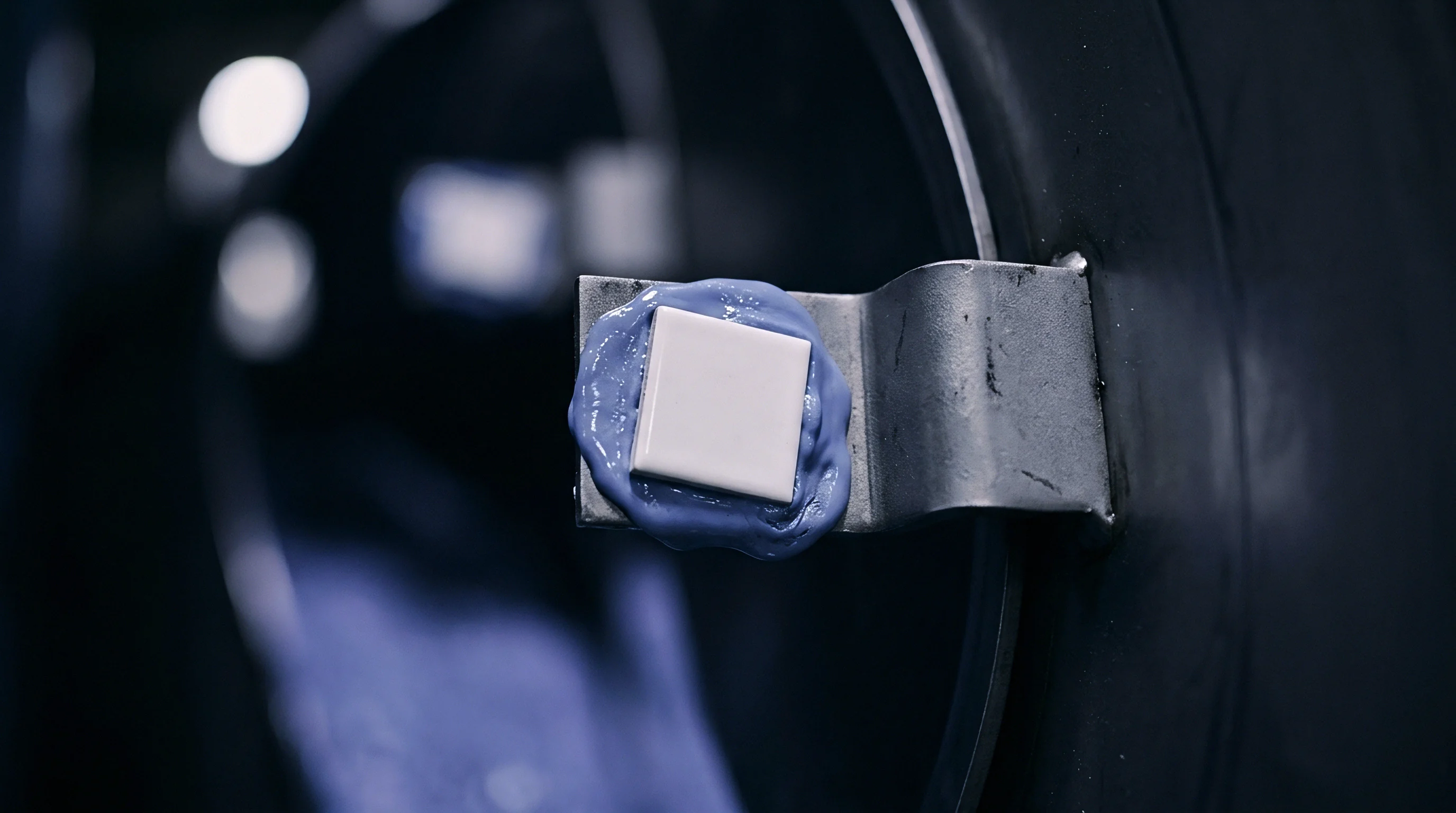
Pressure Gradient Effects across Web Rolls
High-speed winding tension creates an exponential gradient from the core to the outer diameter. Inner wraps endure compressive stresses up to five times higher than outer layers, concentrating heavy set-off within the first three hundred meters of a master reel. Web tensions exceeding eighteen Newtons per centimeter drive wet photoinitiator transfer onto adjacent contact layers.
Plants that do not modulate winding tension profiles end up with master rolls where core safety differs drastically from the outer wraps.
- Tension Profiling Defects cause severe core compression when winding tension stays constant as roll diameter grows, forcing tight contact between printed and unprinted faces.
- Insufficient UV Radiant Exposure leaves unreacted monomers and photoinitiators free within the ink layer, allowing immediate migration upon contact.
- Solvent Retention Traps hold volatile solvents inside the resin matrix, lowering the glass transition temperature of the print and speeding up chemical transfer.
- High Ambient Storage Temperature softens polyolefin sealant films in warehouse rolls, increasing tack and promoting set-off over long storage times.
- Excessive Nip Roller Pressure mechanically forces ink fragments into the micro-porous structure of adjacent sealant films during inline slitting and inspection.
Process control requires steady monitoring of cure kinetics, solvent retention, and roll winding dynamics. Solvent systems need residual solvents kept below three milligrams per square meter to prevent softening and blocking. UV-curable systems rely on online radiometers to track integrated UV-A, UV-B, and UV-C dosage across the entire web width.
Missing these controls leads to broad set-off contamination that ruins food contact compliance long before packaging reaches a filling line.
Minor transfers onto the unprinted sealant face during storage are sometimes treated as acceptable, under the premise that chemicals dissipate once volatile ink carriers evaporate during package forming.

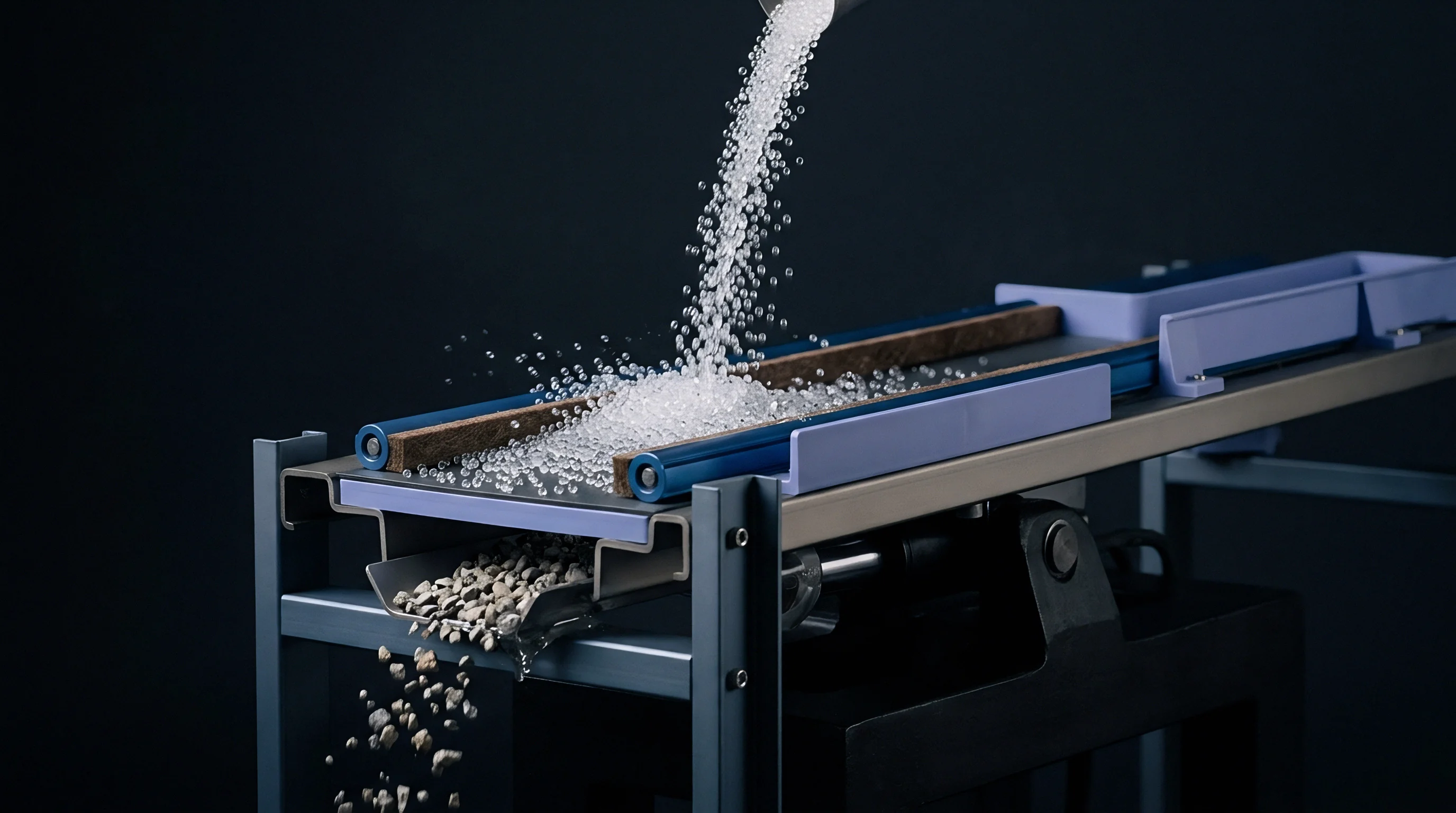
Kinetics
Diffusion coefficients for low molecular weight photoinitiators in polyolefin films range from 10-10 to 10-13 square centimeters per second at room temperature. When set-off deposits ink components directly onto the food contact face, they bypass the substrate barrier altogether. Sitting right on the inner surface, these compounds dissolve into packed food on contact.
Migration kinetics switch from bulk substrate diffusion to direct surface dissolution, shortening the time needed to reach equilibrium in the food matrix. Dry products, fatty emulsions, and aqueous foods extract these surface compounds at rates set mainly by contact area, time, and temperature during storage or processing.
Temperature accelerates mass transfer. Polyolefin sealants like low-density polyethylene and linear low-density polyethylene gain chain mobility rapidly above twenty degrees Celsius. As heat increases, free volume expands in the polymer’s amorphous regions, lowering the activation energy for migrants to move through the matrix.
Hot-fill and retort processes push temperatures above eighty degrees Celsius, causing near-instant extraction of surface photoinitiators, plasticizers, and acrylic oligomers straight into the food stream.

Fickian Diffusion Modeling in Multi-Layer Polymers
Mass transfer through thin plastic follows standard differential equations driven by concentration gradients. Fick’s Second Law describes how set-off migrants move from the sealant surface into both the packaging interior and the food over time. When set-off leaves high surface concentrations of a contaminant, initial flux into the food hits its peak immediately upon contact.
Modeling this dissolution requires partition coefficients between polymer and food phases, along with the migrant’s diffusion coefficient in the specific sealant resin.
Dry foods act as chemical sinks. Porous products like powdered milk, flour, and cereals readily absorb volatile and semi-volatile set-off compounds. Poly(2,6-diphenyl-p-phenylene oxide) ~ sold commercially as Tenax ~ serves as the official dry food simulant under Regulation (EU) 10/2011.
Testing with Tenax shows that photoinitiators such as benzophenone and 4-methylbenzophenone sublime across air gaps between the sealant layer and dry food granules, causing significant migration without any liquid contact.
Migration testing with Tenax at forty degrees Celsius for ten days simulates long-term storage of dry food products at ambient temperatures.

Partition Coefficients between Surface Inks and Food Matrix
Thermodynamic equilibrium sets the maximum concentration of a migrating compound in food at steady state. The partition coefficient ~ the ratio of migrant concentration in food to that in the polymer at equilibrium ~ determines whether set-off stays on the film or moves into the food. Lipophilic migrants show high partition coefficients toward fatty foods and vegetable oil simulants, drawing non-polar photoinitiators and plasticizers completely off the sealant surface.
| Chemical Compound | CAS Registry Number | Molecular Weight (g/mol) | Food Simulant & Exposure Profile | Measured Migration (mg/kg) | Specific Migration Limit (mg/kg) |
|---|---|---|---|---|---|
| 2-Isopropylthioxanthone (ITX) | 5495-84-1 | 254.35 | 95% Ethanol, 10 days at 40°C | 0.085 | 0.010 |
| 4-Methylbenzophenone (4-MBP) | 134-84-9 | 196.25 | Tenax (Modified Polyethylene Oxide), 10 days at 60°C | 0.420 | 0.010 |
| Ethyl 4-(dimethylamino)benzoate | 10287-53-3 | 193.24 | 3% Acetic Acid, 10 days at 40°C | 0.032 | 0.050 |
| Trimethylolpropane triacrylate (TMPTA) | 15625-89-5 | 296.32 | Isooctane, 2 days at 20°C | 0.110 | 0.010 |
| Acetyl tributyl citrate (ATBC) | 77-90-7 | 402.48 | Vegetable Oil, 10 days at 40°C | 1.250 | 60.000 |
Testing parameters have to reflect actual end-use conditions. Simulant D2 (vegetable oil) and substitute fatty simulants like ninety-five percent ethanol or isooctane measure migration into lipophilic foods. Simulant B (three percent acetic acid) covers acidic foods, and Simulant A (ten percent ethanol) is used for aqueous matrices.
When set-off deposits compounds with specific migration limits of 0.01 milligrams per kilogram, such as un-assessed photoinitiators or reactive acrylates, even minor surface transfers trigger regulatory failures during testing.
Subtle variations in sealant film crystallinity alter the long-term migration rate of heavy photoinitiator oligomers into liquid dairy products.


Spectra
High-resolution mass spectrometers running in full scan mode identify non-target ink constituents down to extraction limits of five micrograms per kilogram. Quantitative screening of set-off on food contact surfaces relies on gas chromatography-mass spectrometry for volatile and semi-volatile migrants, combined with liquid chromatography high-resolution mass spectrometry for non-volatile, high molecular weight species. Chemists rinse the contaminated sealant face with targeted solvents like acetonitrile or dichloromethane, keeping contact brief so the underlying polymer doesn’t dissolve.
This isolates surface set-off from additives embedded deeper in the resin core.
Photochemical curing of UV inks generates a complex mix of intentionally added photoinitiators, unreacted monomers, reaction byproducts, and non-intentionally added substances (NIAS). Cleavage-type photoinitiators like Irgacure 651 produce benzaldehyde and acetophenone fragments under radiation. These lightweight degradation products are volatile and move quickly across set-off contact points.
Mass spectrometry protocols must capture these byproducts, which often lack toxicological evaluations or specific regulatory limits.

Gas and Liquid Chromatography Extraction Protocols
Analytical labs split sample preparation between non-polar solvent refluxing and direct thermal headspace gasification. Gas chromatography with flame ionization detection or mass spectrometry (GC-MS) isolates volatile photoinitiators, monomeric acrylates, and residual solvents. Liquid chromatography coupled with tandem mass spectrometry (LC-MS/MS) or quadrupole time-of-flight mass spectrometry (LC-QTOF-MS) targets non-volatile amine synergists, polymeric photoinitiators, and acrylic oligomers above five hundred Daltons.
Applying a baseline signal-to-noise ratio cutoff of ten to one for non-target identification filters out noise while ensuring unlisted substances at microgram levels get accurately identified. Quantifying unknown NIAS peak areas against an internal standard like deuterated benzophenone or d10-phenanthrene yields semi-quantitative concentrations across complex set-off spectra.
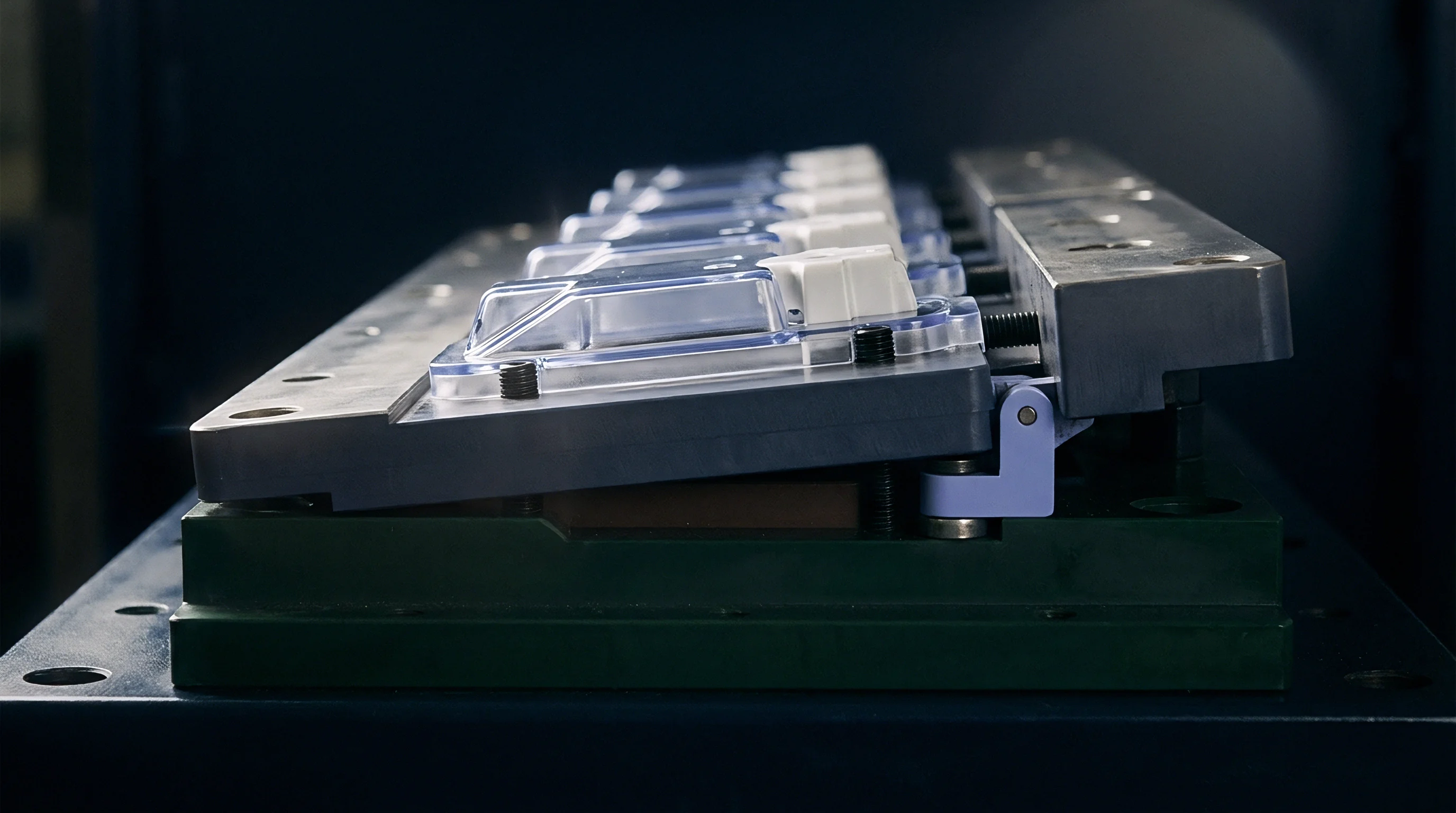
What Limits Mass Spectrometry Screening Accuracy?
Matrix suppression during electrospray ionization can cut signal intensities for polar photoinitiators by over sixty percent. Co-extracted polyolefin slip additives like erucamide or oleamide flood the ionization chamber, hiding lower-abundance migrant peaks that elute at similar retention times. Gas chromatography also suffers when acrylate oligomers thermally degrade in hot injection ports, creating artificial monomer peaks that skew quantitative set-off measurements.
Solid-phase microextraction and thermal desorption GC-MS eliminate solvent dilution, reaching lower detection limits for trace volatiles. Direct analysis in real time mass spectrometry provides ultra-fast surface screening without sample prep, though it cannot separate structural isomers like 2-isopropylthioxanthone and 4-isopropylthioxanthone. Choosing the right analytical sequence depends on the chemical class of the ink system used during conversion.
- Thermal Monomer Degradation inside gas chromatography injection ports creates false acrylate monomer peaks during set-off quantification.
- Ion Suppression from Erucamide reduces LC-MS sensitivity for amine synergists and unreacted UV photoinitiators eluting in late chromatographic windows.
- Incomplete Surface Solvent Extraction dissolves the underlying polyolefin film, flooding chromatograms with bulk resin oligomers that mask migrant targets.
- Lack of Reference Standards for complex NIAS degradation products limits mass spectrometry quantification to broad semi-quantitative estimates.
- Volatilization Losses During Sample Preparation cause under-reporting of light ink solvent residues and volatile aldehyde cleavage fragments.
Detection sensitivity dictates compliance reporting. Measuring set-off migration down to the default 0.01 milligrams per kilogram threshold under European packaging rules requires calibration against certified reference materials. Labs must demonstrate method linearity across three orders of magnitude and confirm recovery rates between eighty and one hundred twenty percent for all target photoinitiators.
| Target Migrant | Primary Analytical Method | Quantification Ion (m/z) | Limit of Detection (mg/kg) | Swiss Ordinance Annex 10 Listing |
|---|---|---|---|---|
| Benzophenone | GC-MS (Electron Ionization) | 182.07 | 0.002 | Part A (Evaluated, SML = 0.6 mg/kg) |
| 2-Ethylhexyl 4-(dimethylamino)benzoate | LC-MS/MS (ESI Positive) | 278.20 | 0.001 | Part A (Evaluated, SML = 0.05 mg/kg) |
| Irgacure 369 (2-Benzyl-2-dimethylamino-1-morpholinobutyrophenone) | LC-MS/MS (ESI Positive) | 367.24 | 0.002 | Part B (Non-evaluated, Limit = 0.01 mg/kg) |
| Tripropylene glycol diacrylate (TPGDA) | GC-MS (Selected Ion Monitoring) | 171.10 | 0.005 | Part A (Evaluated, SML = 0.01 mg/kg) |
| 4-Photo-initiator degradation fragments (Benzaldehyde) | Headspace GC-MS | 106.04 | 0.005 | Part B (Non-evaluated, Limit = 0.01 mg/kg) |
Identified migrants must be checked against regional positive lists. Swiss Ordinance 817.023.21 Annex 10 explicitly lists permitted ink substances, split into Part A (evaluated compounds with specific migration limits) and Part B (non-evaluated compounds). Any Part B substance detected on a food contact face via set-off cannot migrate above 0.01 milligrams per kilogram, verified at the analytical limit of quantification.
Substances lacking toxicological evaluations trigger automatic default non-detection limits across all European food contact compliance audits.
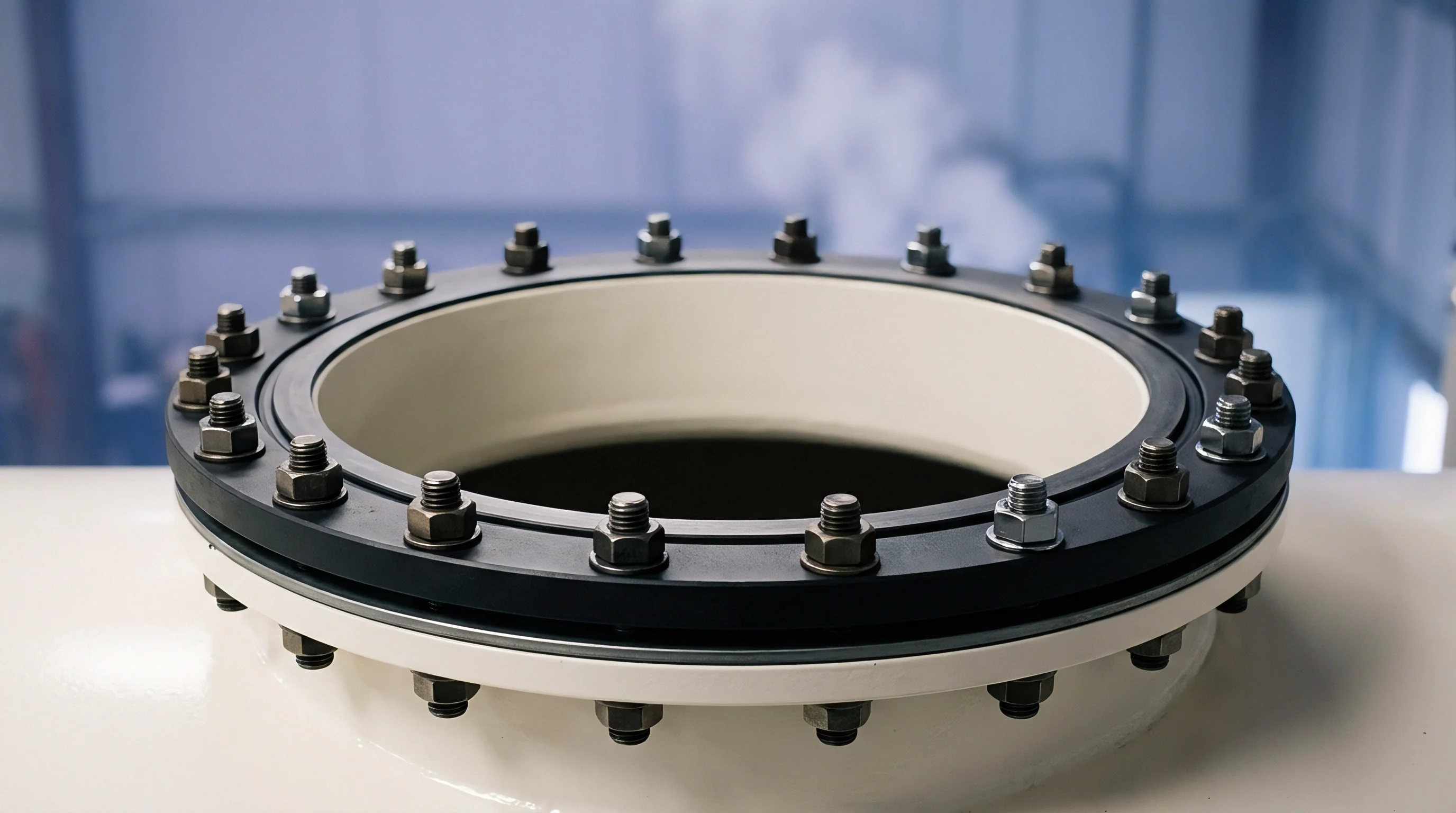

Substrate
Base polymer structures dictate whether an unprinted film layer retards mass transfer or acts as an open conduit. Polyolefins like low-density polyethylene and polypropylene have flexible polymer chains with high free volume, offering almost no resistance to low molecular weight photoinitiators. When set-off deposits ink onto a polyolefin sealant, compounds dissolve into the surface and diffuse either backward into the resin or forward into food.
Flexible packaging relying strictly on polyolefin sealant faces cannot prevent rapid migration once set-off occurs during winding.
Polymer networks swell when exposed to solvents. Contact with volatile ink solvents or liquid food components swells polyolefin matrices, speeding up migrant diffusion. By contrast, rigid polymers with high glass transition temperatures, dense crystalline structures, or strong inter-chain hydrogen bonding serve as partial functional barriers, slowing mass transfer significantly.

Inorganic Barrier Deposition and Polymeric Resistance
Vacuum-deposited aluminum coatings thirty nanometers thick drop permeation rates by three orders of magnitude. Solid aluminum foil above six microns forms an absolute barrier to chemical migration through the bulk substrate. Yet even an absolute barrier fails completely if set-off lands contaminants directly on the food contact face inside the barrier envelope.
Metallic coatings block substrate permeation, but they provide zero defense against set-off during web handling.
Ethylene vinyl alcohol (EVOH) copolymers and biaxially oriented polyethylene terephthalate (BOPET) films act as effective functional barriers against semi-volatile migrants at room temperature. Lag time ~ the duration required for a migrant to diffuse through a barrier layer ~ grows exponentially with thickness and inversely with the diffusion coefficient. Adding a thin EVOH or PET layer right behind the sealant face delays substrate cross-migration, though surface set-off deposits remain free to move straight into packed food.
Lag Time Calculations for Polyolefin Films
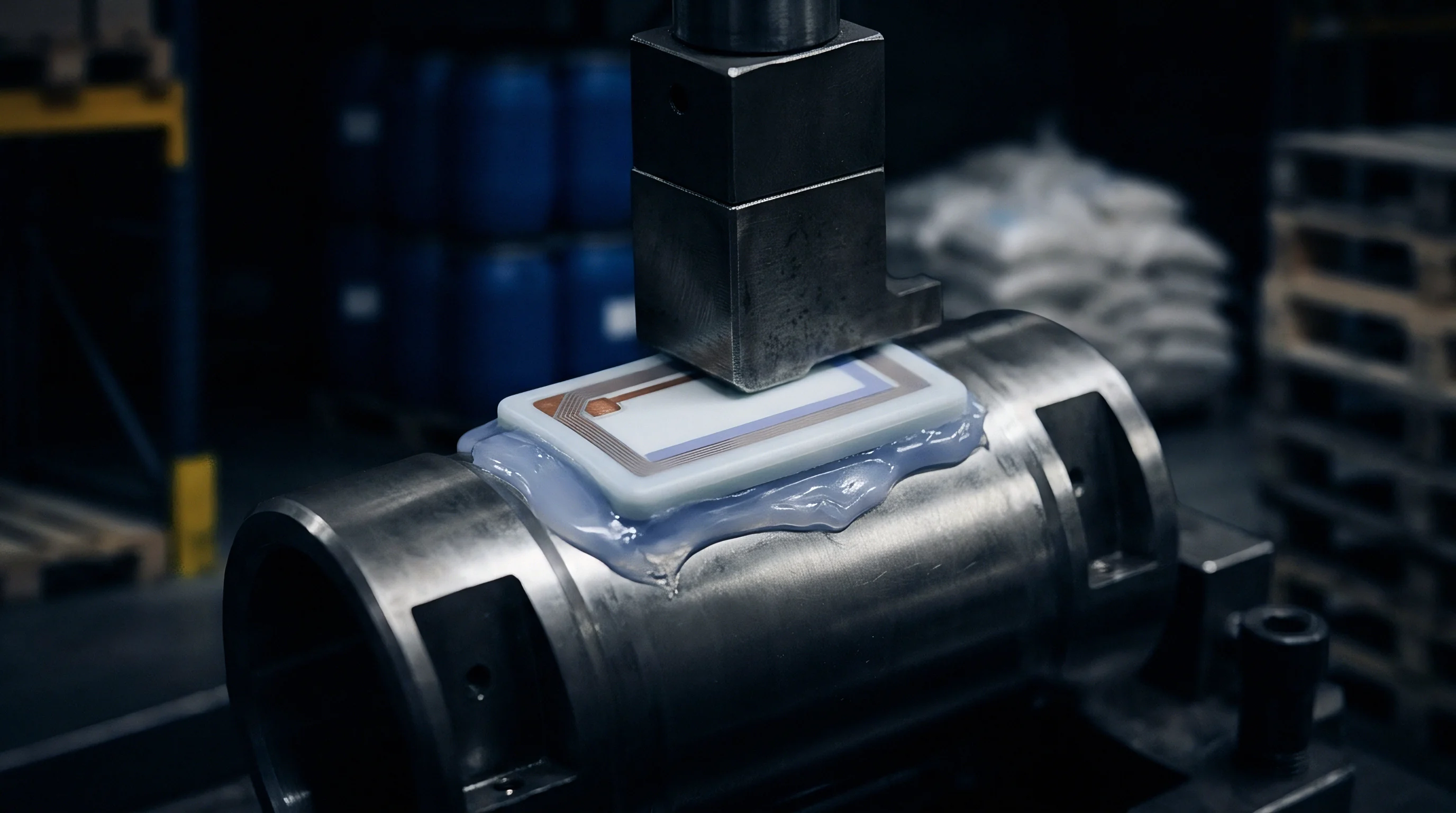
Calculating the time delay before a chemical crosses an inner seal layer relies on film thickness squared divided by six times the diffusion constant. For a twenty-micron polyethylene film with a photoinitiator diffusion coefficient of 10-11 square centimeters per second, calculated lag time is less than one hour. In high-volume production, isopropylthioxanthone penetration through twenty-micron polyethylene occurs within forty-eight hours of winding.
Polyolefin sealants offer no real lag time protection against set-off migrants.
- Evaluate Sealant Polymer Selection to determine whether the contact layer possesses inherent barrier capacity or open polyolefin diffusion pathways.
- Calculate Migrant Lag Times across inner film layers using verified diffusion coefficients and minimum material thickness parameters.
- Inspect Aluminum Coating Continuity to verify that pinhole density remains low enough to maintain theoretical substrate barrier performance.
- Measure Surface Energy Differentials between printed ink layers and sealant films to predict mechanical set-off tendencies during high-pressure reel storage.
- Audit Conversion Web Tension Controls to ensure winding nip pressure remains below the threshold that drives mechanical ink embedding.
Choosing packaging substrates requires balancing seal performance against barrier properties. Multi-layer coextrusions combining polypropylene, EVOH, and polyethylene deliver strong mechanical properties, but if converting allows ink set-off onto the polyethylene sealant face, the inner EVOH layer cannot protect the food. Functional barriers must be backed by strict conversion control to prevent set-off in the first place.
A major converting line lost three full master reels of laminated foil stock when uncalibrated nip rollers compressed wet solvent inks past the aluminum barrier layer, resulting in forty-two thousand Euros in scrap materials and emergency analytical re-testing.


Recovery
Tracing chemical compliance across a multi-tier conversion chain requires mapping every ink formulation to its lot certificate of analysis. Declarations of Compliance (DoC) accompanying flexible packaging must explicitly state that the finished material meets Regulation (EC) 1935/2004 Article 3 and Good Manufacturing Practice Regulation (EC) 2023/2006. When set-off occurs, standard chemical assessments of the raw resin become invalid because the food contact face no longer matches its baseline chemical profile.
Batch certificates need analytical backing. A DoC based solely on unprinted resin test reports ignores set-off introduced during printing and slitting. Auditing requires tracing every converted roll to its specific printing pass, confirming that application rates, drying tunnel temperatures, and UV curing energy were logged continuously within validated limits.

Declarations of Compliance and Chain of Custody
Documentation accompanying raw materials defines the boundary between evaluated food contact additives and un-assessed ink ingredients. Converters must give downstream food packers clear operating parameters covering worst-case contact conditions, thermal processing limits, and suitable food types. When set-off deposits un-assessed photoinitiators onto the sealant face, the converter’s DoC must disclose those specific chemical identities so the packer can verify migration stays within legal limits.
Certificates of analysis must match the precise resin lot numbers recorded on the container bill of lading before authorizing release. Gaps in documentation ~ such as missing ink certificates or non-accredited lab reports ~ invalidate the compliance dossier and expose the importer of record to immediate legal liability under national food safety statutes.

Batch Verification Sampling Procedures
Selecting representative samples from incoming converting lots follows statistical rules based on total reel count. Sampling under ISO 2859-1 establishes acceptable quality levels (AQL) for physical and chemical defects. Testing for set-off requires taking film specimens from the innermost core wraps, middle wraps, and outer wraps of selected master rolls to capture the pressure gradient across the lot.
- Quarantine the incoming flexible packaging consignment upon arrival at the conversion or packing facility.
- Extract film samples from the inner core, mid-roll, and outer wraps of five percent of total delivered master reels.
- Perform selective surface solvent extraction using HPLC-grade acetonitrile on a defined surface area of the food contact face.
- Analyze surface extracts via GC-MS and LC-MS/MS against a target library of photoinitiators, monomers, and residual solvents.
- Compare quantified peak concentrations against specific migration limits and the default non-detection threshold of 0.01 milligrams per kilogram.
- Issue a formal batch release certificate or rejection notice based on verified analytical test outcomes.
Establishing clear chain-of-custody protocols ensures laboratory test results match the actual packaging used in production. Supplier test reports must specify the exact simulant, contact duration, and thermal exposure profile. A report executed under mild conditions ~ like ten percent ethanol for two hours at forty degrees Celsius ~ cannot support compliance claims for long-term fatty food storage or high-temperature hot-fill operations.
| Packaging Laminate Structure | Total Sealant Thickness (µm) | Challenge Migrant Chemical | Breakthrough Lag Time (Days at 23°C) | Attenuation Efficiency (%) |
|---|---|---|---|---|
| BOPP (20µm) / LDPE (30µm) | 30 | Benzophenone | 0.12 | 12.5 |
| PET (12µm) / LLDPE (40µm) | 40 | 2-Isopropylthioxanthone | 1.50 | 45.0 |
| PET (12µm) / EVOH (5µm) / LLDPE (30µm) | 35 | 4-Methylbenzophenone | 180.00 | 99.2 |
| PET (12µm) / ALU (7µm) / LLDPE (40µm) | 40 | Acetyl tributyl citrate | Infinite (Absolute) | 100.0 |
| OPA (15µm) / CPP (50µm) | 50 | Tripropylene glycol diacrylate | 4.20 | 68.0 |
Supply contracts need explicit compliance criteria governing set-off management. Standard purchase orders should reference Regulation (EC) 2023/2006 Annex rules, mandating that converters maintain quality control systems tracking web tension, ink cure levels, and set-off on every production run.
Standard quality terms require that any detected set-off of non-listed ink ingredients exceeding 0.01 milligrams per kilogram triggers immediate lot rejection and mandatory supplier indemnity for all quarantine and analytical costs.

Remedy
Customs authorities and food safety inspectorates enforce batch rejections through detention notices and destruction directives under RASFF protocols. When surveillance detects unapproved photoinitiators or excessive migration in imported packaging, consignments are seized at the port of entry. The European Rapid Alert System for Food and Feed (RASFF) logs public notifications detailing the manufacturer, importer, chemical compound, and contamination level, causing severe brand damage and legal penalties across international markets.
National enforcement bodies, such as the German CVUA or French DGCCRF, regularly pull packaged foods from retail shelves for compliance monitoring. Finding photoinitiators like 4-methylbenzophenone or isopropylthioxanthone on food contact surfaces prompts immediate market withdrawals, forcing brand owners to recall millions of retail units at massive cost.
Regulatory Border Detentions and RASFF Alerts
European port health authorities routinely sample flexible packaging at entry points to audit compliance with specific migration limits. Containers arriving with incomplete documentation or failing initial screening face immediate customs blockages. Demurrage charges mount quickly while samples undergo confirmatory testing at reference labs, turning documentation gaps into major logistical bottlenecks.
Border detentions halt commercial distribution. Importers cannot clear shipments until analytical reports prove full compliance with specific migration limits. If testing confirms set-off contamination above legal thresholds, customs authorities mandate returning the goods to origin or incinerating the entire shipment at high temperature, billing all costs to the importer of record.

Contractual Indemnity and Landed Cost Allocation
Commercial supply agreements assign financial liability for set-off migration to the primary printing converter. Master service contracts must include strict indemnification covering direct costs like scrap value and freight, along with indirect losses including retail recall fees, third-party lab analysis, legal expenses, and lost margin. Landed cost calculations need to account for this compliance risk, factoring in routine testing expenses to protect lot integrity.
Calculating financial exposure means looking at the full distribution lifecycle. A flexible film roll costing five thousand Euros can ruin a packaged food inventory worth two hundred thousand Euros if set-off photoinitiators migrate into product on the shelf. Buyers must ensure supplier liability limits in purchasing agreements reflect the full commercial value of the finished food product, not just raw converting material cost.
Sample integrity governs legal proof. Resolving commercial disputes between food packers and converters requires retaining verified counter-samples from every delivered lot. Counter-samples must be stored in inert foil-laminated bags below twenty degrees Celsius to prevent migration or degradation before independent, court-admissible referee analysis.
Commercial arbitration panels rely on certified testing from independent accredited labs operating under ISO/IEC 17025 standards. The laboratory extracts retained counter-samples using validated methods, measuring target migrants against baseline certificates of analysis. If results confirm set-off contamination exceeding contractual limits, liability shifts entirely to the converter through warranty claims and professional liability insurance.
Border rejections triggered by unapproved photoinitiators force immediate container quarantine and complete destruction of the affected packaging lots.
Financial recovery depends on establishing clear causation between converter manufacturing defects and final food contamination. Converters defending set-off claims often argue that warehouse storage or heat at the packing facility drove chemical migration post-delivery. Detailed logs tracking temperature, humidity, web tension, and UV lamp irradiance during conversion provide the definitive evidentiary trail required to assign financial responsibility across international supply chains.