Chromatographic Mass Transfer Discrepancies between Real Food Mediums and Accelerated Organic Simulant Testing
Migration values in ethanol or isooctane simulants overestimate low-density polyolefin release by up to three hundred percent while underreporting polar NIAS transfer into emulsified foods.


Film
Mass transfer through flexible packaging follows mass conservation governed by concentration gradients, molecular diffusivity, and thermodynamic partition equilibria. Regulatory compliance frameworks like Regulation EU 10/2011 and US FDA 21 CFR 177.1520 rely on standardized food simulants to estimate how low molecular weight additives, oligomers, and non-intentionally added substances migrate into commercial foodstuffs. These standard test regimes replace complex heterophasic food matrices with homogeneous liquids such as ten percent ethanol, three percent acetic acid, fifty percent ethanol, vegetable oil, or synthetic porous polymers like poly(2,6-diphenyl-p-phenylene oxide).
In practice, accelerated testing with these organic simulants often yields mass transfer rates and specific migration quantities that diverge sharply from measurements taken on actual food products under equivalent thermal profiles.
In semi-crystalline polymers like low-density polyethylene, high-density polyethylene, and polypropylene, mass transfer is driven primarily by the migrant’s diffusion coefficient within the matrix’s amorphous fraction. Fick’s Second Law models this transport via a non-steady-state diffusion equation where flux over time depends on the concentration gradient. Real food systems involve multi-phase partitioning as lipophilic constituents, surface-active agents, and moisture interact simultaneously at the packaging boundary.
In contrast, when accelerated organic simulants such as isooctane, ninety-five percent ethanol, or solvent mixtures are used at elevated temperatures, the simulant acts as more than a passive sink. Organic solvents penetrate the polymer network, plasticizing the amorphous chains, lowering the glass transition temperature, and artificially inflating the internal diffusion coefficient. This swelling lowers the activation energy needed for migrant transport, driving mass transfer rates well beyond actual migration into non-swelling food mediums.
| Polymer Matrix | Migrant Compound | Contact Medium | Test Condition | Diffusion Coefficient (cm²/s) | Partition Coefficient (K_p/f) |
|---|---|---|---|---|---|
| Low-Density Polyethylene (LDPE) | Irganox 1010 (CAS 6683-19-8) | Simulant D2 (Olive Oil) | 10 days at 40°C | 1.2 × 10⁻¹¹ | 125 |
| Low-Density Polyethylene (LDPE) | Irganox 1010 (CAS 6683-19-8) | Whole Milk (3.5% Fat) | 10 days at 40°C | 2.4 × 10⁻¹³ | 1,480 |
| Low-Density Polyethylene (LDPE) | Irganox 1010 (CAS 6683-19-8) | 95% Ethanol (Alternative D2) | 2 days at 60°C | 4.8 × 10⁻¹⁰ | 18 |
| High-Density Polyethylene (HDPE) | Butylated Hydroxytoluene (BHT) | Simulant D1 (50% Ethanol) | 10 days at 40°C | 3.1 × 10⁻¹⁰ | 45 |
| High-Density Polyethylene (HDPE) | Butylated Hydroxytoluene (BHT) | Orange Juice (Cloudy) | 10 days at 40°C | 8.5 × 10⁻¹² | 620 |
| Polypropylene Homopolymer (PP) | Erucamide (CAS 112-84-5) | Isooctane (Alternative D2) | 2 days at 20°C | 1.9 × 10⁻⁹ | 8.2 |
| Polypropylene Homopolymer (PP) | Erucamide (CAS 112-84-5) | Mayonnaise (70% Fat Emulsion) | 10 days at 40°C | 5.4 × 10⁻¹¹ | 210 |
Boundary layer mechanics differ significantly between real foods and accelerated simulants. Static liquid testing with homogeneous simulants uses convective currents or mild agitation to maintain a near-zero migrant concentration at the fluid interface, maximizing the driving force of the concentration gradient. Real foods have heterogeneous microstructures.
Viscous liquids, emulsions, and solid foods form stagnant boundary layers against the polymer contact surface. The resulting transport resistance across this liquid film or solid-solid interface limits the exit flux of the migrant. Consequently, even if the partition coefficient favors the food phase, mass transfer is constrained by interfacial resistance rather than internal polymer diffusion.
Accelerated organic simulant tests omit this resistance, generating data that overestimates real-world migrant accumulation in high-viscosity products.
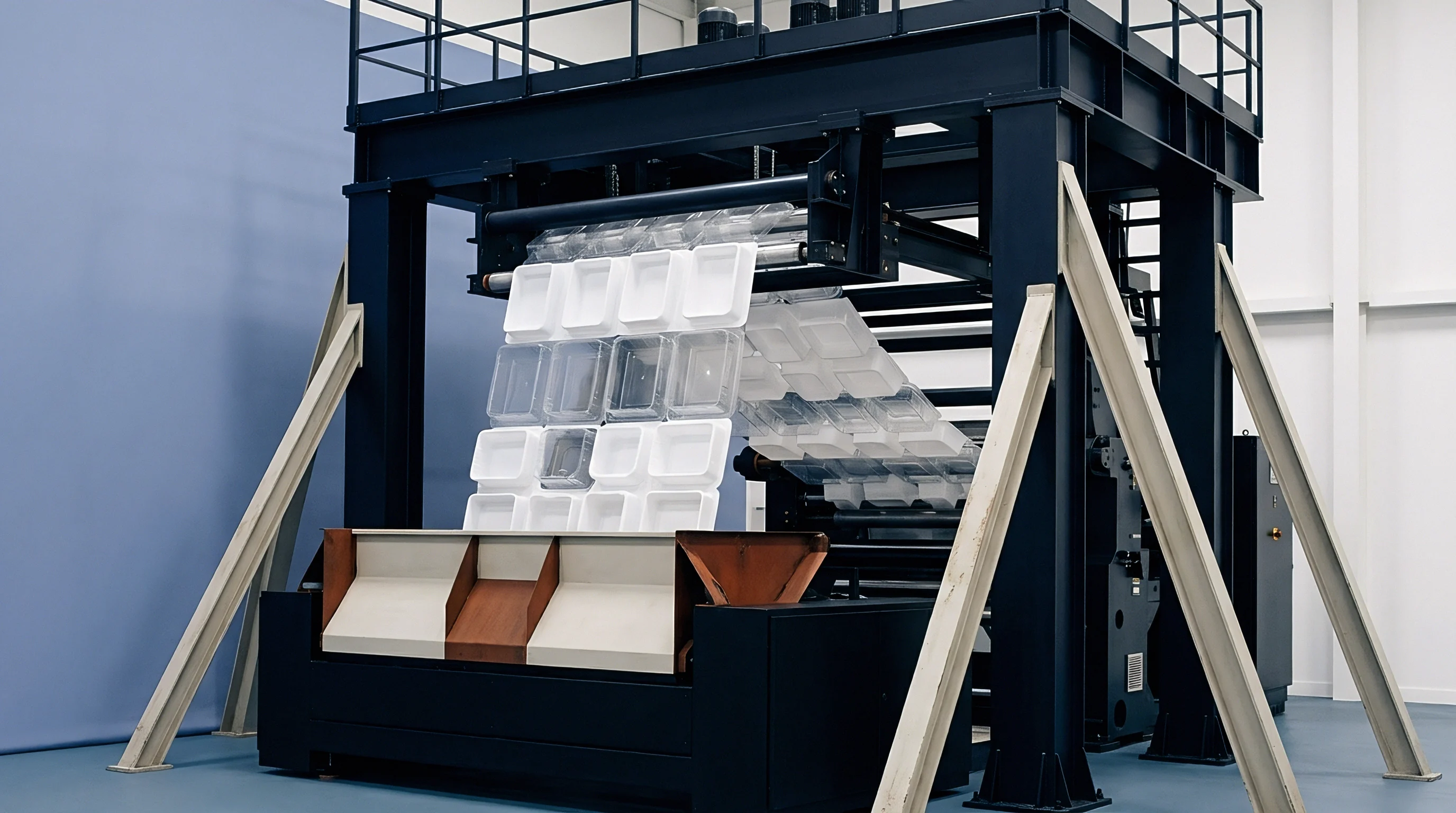
Fickian Mass Transfer Dynamics across Polymer Contact Boundaries
Mathematical models of Fickian diffusion assume constant transport coefficients throughout the migration period. When modeling specific migration into accelerated organic simulants, this assumption breaks down because the polymer matrix alters structurally. Small organic molecules like isooctane or ethanol rapidly diffuse into polyolefins, swelling the material and expanding the free volume of the polymer backbone.
As free volume grows, the activation energy for additive movement drops exponentially per Arrhenius transport relationships. In actual food contact ~ whether aqueous or lipid ~ water molecules and bulky triglycerides cannot meaningfully penetrate the dense, hydrophobic polyolefin structure. The polymer backbone stays unplasticized, keeping the diffusion coefficient low and constant throughout the packaged product’s shelf life.
Partitioning dynamics compound these discrepancies further. The partition coefficient KP,F represents the ratio of migrant concentration in the polymer matrix to that in the food or simulant medium at thermodynamic equilibrium. Organic simulants are chosen specifically as strong solvents for lipophilic additives, driving KP,F toward low values that favor total extraction.
Real foods ~ even fatty items like butter or cheese ~ consist of complex matrices of proteins, water, emulsifiers, and lipids. These constituents bind migrants via hydrophobic interactions, hydrogen bonding, or physical entrapment, altering their effective thermodynamic activity. High-fat emulsions often show lower apparent extraction capacities than pure organic simulants because the migrant dissolves into dispersed fat droplets stabilized by surfactant layers rather than a bulk organic solvent.
Simulant-induced polymer matrix swelling increases internal free volume and accelerates migrant diffusion far beyond the physical rates observed in unplasticized real food applications.
Thermally accelerated test protocols exacerbate these kinetic discrepancies when temperatures cross the polymer matrix’s physical relaxation thresholds. Standard compliance rules permit short, high-temperature tests ~ like two or ten days at sixty degrees Celsius ~ to simulate extended room-temperature storage. Heating semi-crystalline packaging polymers near or past their alpha-transition temperatures increases chain mobility in amorphous regions regardless of solvent swelling, opening transport pathways that simply do not exist at twenty or twenty-five degrees Celsius.
Combined with an aggressive simulant like ninety-five percent ethanol, thermal activation and solvent plasticization trigger a non-linear surge in mass transfer. Quantitative data from these accelerated regimes routinely overstate actual migration by one to two orders of magnitude relative to long-term ambient storage in real foods.
Non-intentionally added substances bring distinct analytical challenges under accelerated regimes. Primary antioxidant degradation products, oligomeric fragments from polyolefin synthesis, catalyst residues, and ink transformation products migrate according to their molecular weight, polarity, and steric structure. High solvent strength causes accelerated organic simulants to extract low molecular weight oligomers and polar degradation products indiscriminately.
Real food mediums show selective extraction profiles dictated by lipid composition, pH, and ionic strength. Testing polyolefin films with isooctane, for instance, can leach branched oligomers up to one thousand Daltons in molecular mass, generating broad chromatographic humps that obscure target analytes. Testing that same film with a real dairy emulsion yields virtually no oligomeric extraction above five hundred Daltons, illustrating the gap between simulant extraction capacity and actual transfer into food.
Analytical quantification must account for the physical state of the migrant within the contact medium. In organic simulants, migrants stay fully dissolved in a homogeneous phase, allowing direct liquid injection or simple dilution before gas or liquid chromatography. In real foods, target migrants must first be isolated from complex matrices of lipids, proteins, and carbohydrates.
Sample clean-up methods like liquid-liquid extraction, solid-phase extraction, or QuEChERS introduce recovery variables and matrix suppression effects that alter chromatographic response. Comparing a clean signal from an isooctane extract against a suppressed signal from a food matrix extract introduces measurement errors easily misattributed to migration kinetics rather than analytical recovery variance.
Evaluating compliance files involves measuring the mathematical divergence between worst-case empirical migration models and experimental values obtained from real food extractions. Structural overestimation in compliance modeling provides a safety margin for regulators, but it distorts technical risk assessments for packaging designers. When an organic simulant test flags a specific migration limit failure for an additive like Irganox 1010, real food testing often shows full compliance well within statutory thresholds.
Decisions made solely on accelerated simulant data frequently lead to unnecessary material substitutions, thicker barrier layers, or restricted shelf-life claims that fail to reflect actual performance.
Overestimating migrant transfer through aggressive simulant testing drives unnecessary resin reformulation, just as underestimating polar substance transfer into real emulsions creates unmanaged compliance exposure.

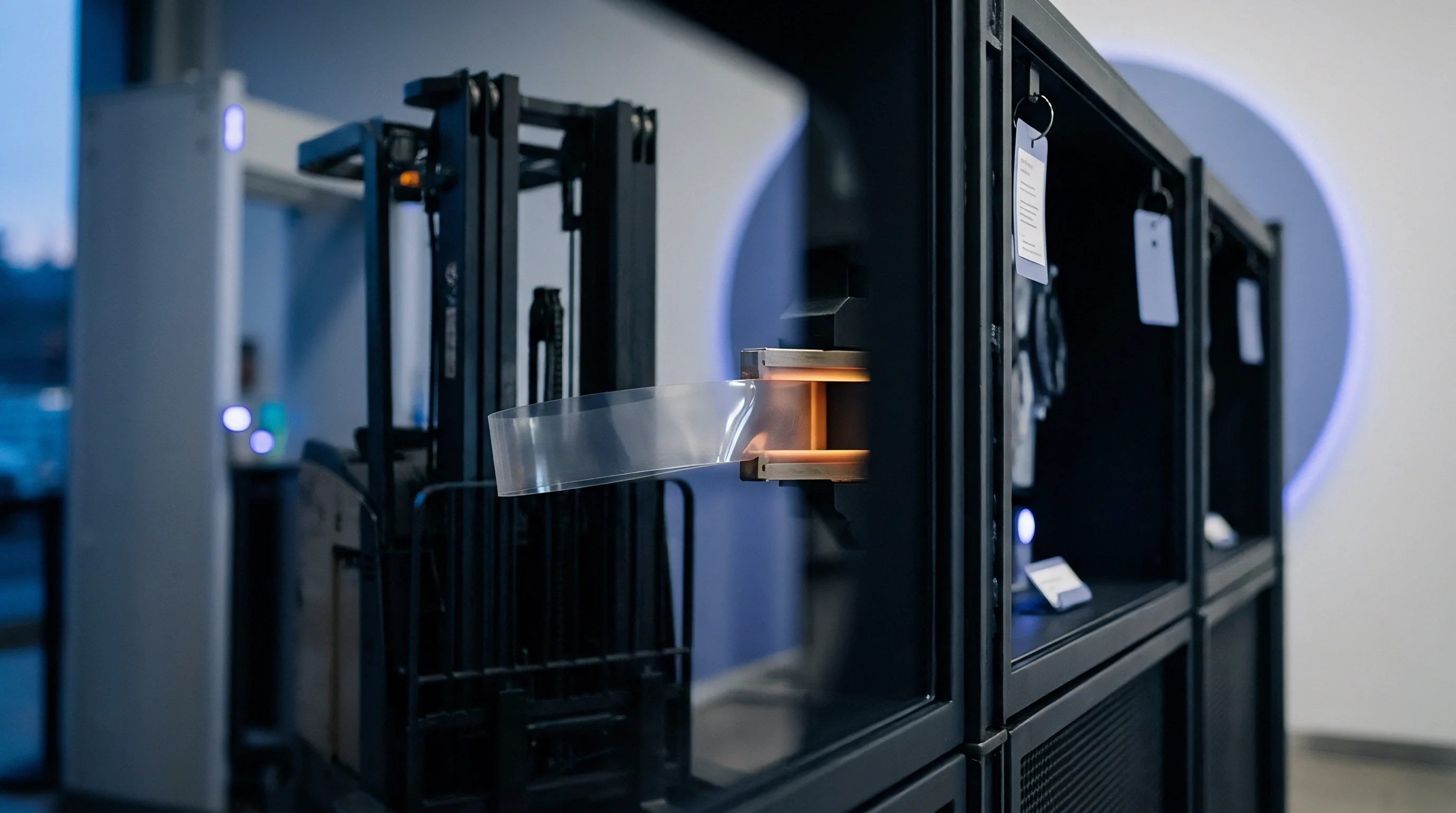
Bath
Liquid exposure testing requires maintaining precise thermodynamic equilibrium and physical contact between the packaging substrate and immersion fluid. Standard migration cells, such as the double-sided immersion or single-sided contact cells defined in EN 1186 standards, expose fixed substrate surface areas to controlled volumes of simulant. European regulatory frameworks standardize this ratio at six square decimeters per kilogram of simulant.
Keeping to this geometry during accelerated organic simulant testing becomes difficult when the fluid reacts chemically or physically with the test specimen. Organic solvents cause volumetric expansion, edge curling, and multilayer delamination, altering contact geometry while the test is underway.
Polymer plasticization during immersion alters both mechanical and barrier properties. Submerging low-density polyethylene in isooctane or concentrated ethanol solutions at elevated temperatures allows organic molecules to penetrate the amorphous inter-lamellar regions of the polymer network. This penetration causes visible dimensional changes, mass gain, and substrate softening.
Absorption rates depend on the solubility parameter distance between polymer and immersion medium. Polyolefins have low Hansen solubility parameters, leaving them vulnerable to swelling by non-polar solvents like isooctane and hexane. Polyesters and polyamides carry higher solubility parameters, resisting non-polar organics while reacting to polar aqueous media and low molecular weight alcohols.
| Substrate Material | Exposure Medium | Temperature (°C) | Mass Gain (%) | Thickness Swelling (%) | T_g Suppression (°C) |
|---|---|---|---|---|---|
| Low-Density Polyethylene (LDPE) | Isooctane | 40 | 14.2 | 11.5 | -18.5 |
| Low-Density Polyethylene (LDPE) | 95% Ethanol | 60 | 6.8 | 5.1 | -9.2 |
| Low-Density Polyethylene (LDPE) | Simulant D2 (Olive Oil) | 40 | 2.1 | 1.4 | -2.0 |
| Polypropylene Film (BOPP) | Isooctane | 20 | 8.4 | 6.2 | -12.1 |
| Polyethylene Terephthalate (PET) | 50% Ethanol | 60 | 0.3 | 0.1 | -0.5 |
| Polyamide 6 (PA6) | 3% Acetic Acid | 40 | 4.5 | 3.8 | -14.0 |
| Polyamide 6 (PA6) | Isooctane | 40 | 0.1 | 0.0 | 0.0 |
Organic simulant contact can alter the physical structure of multi-layer barrier laminates. Flexible packaging often relies on thin inorganic barrier coatings ~ such as aluminum oxide, silicon oxide, or vacuum-metallized aluminum ~ deposited on polymer carrier films. Submerging these laminates in simulants like ninety-five percent ethanol allows solvent to migrate through pinholes or microscopic coating defects.
Reaching the underlying adhesive or tie-layer, localized swelling generates interfacial shear stresses that delaminate the coating. This delamination degrades gas and moisture barrier properties, accelerating both inward simulant penetration and outward additive transfer. Testing the same laminate with real food matrices like dry cereals, oils, or aqueous sauces does not cause delamination, keeping barrier integrity intact.
- Swelling-Induced Chain Mobility accelerates the physical displacement of high molecular weight additives through relaxed inter-lamellar regions of polyolefins.
- Selective Ester Extraction removes internal lubricants and anti-static agents rapidly without reflecting equilibrium transfer limits into real lipid phases.
- Surfactant Boundary Depletion alters interfacial tension in emulsion contact tests, changing the effective contact surface area.
- Competitive Partition Equilibrium shifts the thermodynamic preference of polar non-intentionally added substances toward aqueous-organic simulant phases.
The presence of fat in real foods introduces extraction dynamics that single-phase liquid baths cannot replicate. During real food contact, fat components diffuse into the polyolefin surface layer while additives migrate out into the food fat. This bi-directional transfer creates a mixed boundary layer of polymer chains and absorbed fatty acids.
While absorbed fatty acids act as internal plasticizers, their high molecular weight prevents fast, deep penetration into the polymer matrix. Organic simulants like isooctane, by contrast, diffuse deep into the bulk plastic within hours to create a uniformly plasticized matrix. Real food contact causes localized surface swelling instead, preserving the barrier structure of the core polymer.

Solvent-Induced Swelling and Glass Transition Suppression
The glass transition temperature Tg dictates segment mobility within amorphous polymer domains. Below Tg, chain segments remain locked in a glassy state, keeping additive diffusion coefficients low. Swelling from organic solvents depresses Tg by increasing free volume and weakening intermolecular forces between chains.
If a test simulant depresses Tg below the operating test temperature, the polymer shifts from a glassy to a rubbery state while the test is running. This phase transition triggers a sudden jump in migrant diffusivity. Accelerated protocols that induce glass transition suppression yield migration rates belonging to a physical state completely different from the material’s actual operational state in packaging applications.
Transport resistance in complex emulsions produces non-Fickian transfer kinetics. In oil-in-water emulsions like milk, cream, or salad dressings, lipophilic additives leaving the polymer surface must dissolve into the aqueous continuous phase or transfer to dispersed oil droplets upon colliding with the packaging wall. The rate of these interfacial collisions, governed by Brownian motion and fluid viscosity, creates a kinetic bottleneck.
Accelerated simulants like fifty percent ethanol present a single homogeneous phase with high solvency for lipophilic migrants, removing this bottleneck entirely. Models calibrated on homogeneous simulant data fail to predict the step-wise transfer kinetics driven by droplet collisions in real emulsions.
Single-sided immersion cell testing under EN 1186 rules prevents edge-wicking artifacts but fails to eliminate solvent-induced glass transition suppression within the exposed substrate.
Solid food contact creates contact-area discrepancies that distort mass transfer calculations. Regulatory frameworks usually assume full physical contact between packaging and food, applying standardized surface-area-to-volume ratios. Real solid foods ~ like bread, cheese slices, sausage, or dry snacks ~ touch the packaging film only at macro- and micro-scale contact points, leaving air gaps across much of the interface.
Mass transfer across uncontacted areas requires volatilization into the headspace followed by sorption onto the food surface, a process governed by migrant vapor pressure rather than liquid-phase diffusion. In contrast, testing with substitute solid simulants like Tenax (poly(2,6-diphenyl-p-phenylene oxide)) presses fine porous polymer beads against the film face. This fine powder contact produces far greater surface contact than structured foods, overestimating transfer rates for low-volatility additives by orders of magnitude.
Surfactants in real foods alter interfacial mass transfer rates by changing surface wetting and solubilization dynamics. Food additives, proteins, and phospholipids concentrate at the packaging-food interface as surface-active agents, lowering interfacial tension and helping aqueous food phases wet hydrophobic polyolefin surfaces. Standard aqueous simulants like ten percent ethanol or three percent acetic acid have fixed bulk surface tensions.
Surface-active proteins in dairy products, for example, enhance localized solubilization of hydrophobic migrants at the boundary layer without causing the bulk structural swelling brought on by organic solvents. Standard simulant tests fail to capture this localized effect, underreporting migration for certain polar species while overreporting it for non-polar additives.
Accelerated organic simulant tests can dissolve structural coatings and induce non-Fickian extraction regimes that bear no physical relationship to how the package performs in market storage.


Signal
Quantifying migrants extracted into simulants and real food matrices relies on high-resolution separation and sensitive detection. Gas chromatography coupled with mass spectrometry or flame ionization detection, together with liquid chromatography using ultraviolet or mass spectrometric detection, forms the foundation of food contact compliance analysis. Signal strength, peak geometry, and retention time stability depend directly on sample purity and matrix complexity.
Standard organic simulants yield clean, low-background extracts suitable for direct analysis with minimal preparation. Real food extracts contain complex co-extractives ~ including lipids, fatty acids, pigments, and proteins ~ that cause severe matrix interference, baseline drift, and signal suppression.
Matrix suppression in LC-MS/MS occurs when co-eluting matrix components impair the target migrant’s ionization efficiency inside the electrospray source. In extracts from fatty food studies, residual triglycerides and free fatty acids co-elute alongside hydrophobic additives such as slip agents or primary antioxidants. These unseparated matrix components compete for charge on droplet surfaces during electrospray ionization, cutting the number of target ions entering the mass spectrometer interface.
Ion suppression can reduce the chromatographic signal by up to eighty percent compared to an equivalent standard in pure simulant. Without matrix-matched calibration or isotopically labeled internal standards, quantitative analysis of real food extracts systematically underreports migrant concentrations.
| Target Migrant | Analytical System | Extraction Medium | Sample Clean-Up Method | Recovery Rate (%) | Matrix Effect Factor (%) | LOD (mg/kg food) |
|---|---|---|---|---|---|---|
| Bisphenol A (CAS 80-05-7) | LC-MS/MS (ESI-) | 3% Acetic Acid | Direct Injection | 98.5 | -2.1 | 0.001 |
| Bisphenol A (CAS 80-05-7) | LC-MS/MS (ESI-) | Canned Tomato Paste | SPE (C18) | 72.4 | -38.5 | 0.008 |
| Irganox 1076 (CAS 2082-79-3) | GC-MS (EI) | Isooctane | Dilute and Inject | 101.2 | +1.4 | 0.010 |
| Irganox 1076 (CAS 2082-79-3) | GC-MS (EI) | Olive Oil (Simulant D2) | Alumina Column Chromatography | 64.8 | -15.2 | 0.080 |
| DEHP Plasticizer (CAS 117-81-7) | GC-FID | 95% Ethanol | Direct Injection | 99.1 | +0.5 | 0.050 |
| DEHP Plasticizer (CAS 117-81-7) | GC-FID | Grated Cheddar Cheese | QuEChERS + GPC | 58.3 | -42.0 | 0.250 |
| AA Monomer (CAS 79-06-1) | LC-MS/MS (ESI+) | 10% Ethanol | Direct Injection | 97.8 | -1.2 | 0.002 |
Gas chromatography systems face physical contamination when handling extracts from real food mediums or heavy simulant oils like olive oil. Analyzing target migrants in olive oil requires removing the non-volatile triglyceride matrix before injection. Clean-up methods ~ including gel permeation chromatography, solid-phase extraction, and liquid-liquid partitioning with acetonitrile ~ rarely achieve complete triglyceride removal.
Residual lipids injected into the chromatograph deposit in the inlet liner and column front end. During high-temperature injection, thermal degradation of these fatty acids creates volatile compounds that produce ghost peaks, elevated baselines, and active adsorption sites. Target analytes with polar functional groups, like amine antistatic agents or phenolic antioxidants, adsorb onto these sites, causing peak tailing and loss of quantitative signal.
Where Do Chromatographic Matrix Suppressions Bias Migration Yields?
Screening for non-intentionally added substances relies on full-scan high-resolution mass spectrometry to spot unexpected species migrating from packaging. In clean extracts from organic simulants, screening algorithms identify unknown peaks effectively via spectral library matching and exact mass fragmentation analysis. Real food extracts, however, contain thousands of endogenous compounds ~ lipids, terpenes, natural esters, and flavor molecules ~ that dominate the total ion chromatogram.
Weak signals from packaging non-intentionally added substances are easily masked by high-abundance food signals or misidentified as natural constituents. Resolution limits prevent full separation of synthetic oligomers from natural lipid isomers, causing false-negative reporting for unknown migrants in real food testing.
- Isolate target migrants from the raw food matrix using matrix-matched solvent extraction with deuterated internal standards added prior to homogenization.
- Perform gel permeation clean-up to remove high molecular weight lipids that cause inlet fouling and mass spectrometer source contamination.
- Evaluate ion suppression or enhancement by spiking known analyte concentrations into both blank food matrix extracts and pure simulant solvents.
- Calculate absolute recovery factors across three spike levels to correct raw chromatographic peak areas against procedural losses.
- Establish analytical limits of detection and quantification using matrix-matched blank samples subjected to the complete extraction workflow.
Peak broadening and retention time shifts occur when sample solvents mismatch the mobile phase dynamics of the chromatographic separation. In accelerated testing, extracts are often concentrated to boost sensitivity, leaving final sample solutions in pure organic solvents like hexane, dichloromethane, or ethyl acetate. Injecting large volumes of strong organic solvents into reversed-phase LC systems disrupts analyte focusing at the column head.
Analytes elute in broad, asymmetric peaks that degrade resolution and alter integrated peak areas. By contrast, extracts from aqueous food matrices are typically dissolved in polar mobile-phase mixtures, producing sharp, symmetrical peaks that allow accurate integration of trace migrants.
Thermal stability during gas chromatography varies across target migrants and matrix components. Organophosphite processing stabilizers (such as Irgafos 168) and their oxidized transformation products undergo thermal hydrolysis or oxidation inside hot injection ports if trace moisture or active catalytic sites are present. Clean simulants like isooctane maintain an inert environment during injection, preserving sensitive additives.
Real food extracts, however, often carry trace organic acids, moisture, or active lipid peroxides that catalyze the degradation of Irgafos 168 into tris(2,4-di-tert-butylphenyl) phosphite during injection. This inlet reaction skews the ratio of parent additive to transformation product, distorting conclusions about degradation kinetics within the packaging.
Co-extracted food lipids cause ion suppression in electrospray mass spectrometry that routinely reduces analyte signal intensity compared to clean simulant extractions.
Matrix-induced measurement divergence is quantified by comparing target additive concentrations from direct simulant injection against values derived from matrix-matched standard additions in real food extracts. In complex matrices like emulsified sauces, matrix effects can alter raw chromatographic responses by tens of percent without changing analyte retention times. When laboratories skip matrix-matched calibration, reported migration values reflect instrument suppression rather than physical mass transfer.
Establishing compliance requires verifying that recovery factors and matrix corrections have been applied directly to raw integration data before comparing results against statutory specific migration limits.
Uncertainty remains regarding the precise chemical identity of co-eluting oligomeric humps detected in high-temperature organic simulant extracts. Analysts cannot definitively separate synthetic polyolefin oligomers from complex natural lipid structures when testing fatty food matrices directly, forcing compliance dossiers to rely on worst-case simulant extraction data despite known overestimation.

Drift
Mathematical modeling of specific migration serves as an accepted screening tool under European regulatory frameworks, specifically Regulation EU 10/2011. Diffusion models based on Fick’s equations use semi-empirical parameters to estimate migration as a function of polymer type, contact duration, temperature, migrant molecular weight, and initial additive concentration. The Piringer model, central to regulatory software, uses polymer-specific upper-bound parameters (AP’) to calculate conservative diffusion coefficients (DP).
These parameters are calibrated to ensure calculated migration exceeds actual levels measured in food applications. When validated against accelerated organic simulant data, however, systemic discrepancies emerge between model predictions, simulant measurements, and real food migration values.
Regulatory diffusion models assume the contact medium acts as an infinite sink with zero mass transfer resistance at the polymer interface, maintaining a partition coefficient KP,F that strongly favors the food phase. While this assumption holds for aggressive organic simulants like ninety-five percent ethanol or isooctane, it fails for real food mediums where partition coefficients are significantly higher. Modeling lipophilic additives migrating from polyolefins into aqueous or low-fat foods with KP,F set to one overestimates real-world transfer by orders of magnitude.
The actual partition coefficient between low-density polyethylene and an aqueous acidic food phase for a hydrophobic additive like dioctyl phthalate can exceed ten thousand. Using standard regulatory parameters thus produces mathematical drift, generating predicted compliance failures for packages that maintain low migration levels in actual use.
- Verify Polymer Crystallinity by measuring actual density and thermal properties via differential scanning calorimetry prior to selecting diffusion model parameters.
- Audit Simulant Swelling Factors to determine whether accelerated test conditions alter the physical glass transition temperature of the packaging substrate.
- Apply Matrix Recovery Corrections to raw chromatographic signal peak areas obtained from real food extractions before establishing compliance files.
- Evaluate Multi-Layer Interdiffusion by calculating migrant concentration profiles across functional barrier layers using layer-specific diffusivity values.
Predictive accuracy degrades when diffusion models are applied to structured, high-density polymers or multi-layer barrier films. High-density polyethylene, oriented polypropylene, polyethylene terephthalate, and polyamide feature complex semi-crystalline morphologies whose high crystalline fractions act as impermeable obstacles to diffusion. The tortuosity factor in these materials increases the effective path length for migrating molecules.
Standard Piringer AP’ parameters do not fully account for variations in orientation, crystallinity, or thermal history introduced during conversion processes like biaxial stretching or blow molding. Accelerated organic simulant tests can also induce solvent cracking or chain swelling in highly oriented films, releasing trapped additives that would otherwise remain immobilized within the crystalline matrix during standard food contact.
Overestimation Mechanics in Regulatory Diffusion Models
The mathematical modeling of temperature dependence introduces non-linear divergence when extrapolating short-term high-temperature simulant data to long-term ambient storage. Diffusion coefficients vary with temperature according to the Arrhenius relationship, where activation energy Ea governs the slope of diffusivity versus inverse absolute temperature. Regulatory models assign standardized activation energies to specific polymer families to maintain mathematical conservatism.
If an accelerated test is conducted at sixty degrees Celsius in an organic simulant and the data is extrapolated back to twenty degrees Celsius using a standardized Ea, the calculated ambient migration rate incorporates both thermal activation and solvent swelling energy. The model treats the swollen, mobile state of the polymer as if it were the baseline physical state at room temperature, introducing systematic drift in shelf-life predictions.
Multi-layer structures with functional barriers present complex boundary-value problems that standard single-layer diffusion models handle poorly. A functional barrier ~ such as ethylene vinyl alcohol or thin polyamide ~ restricts migrant flux from recycled polymer substrates or inner printing inks. When these laminates are tested with aggressive organic simulants, solvent swelling can compromise the barrier by lowering its gas and vapor barrier properties.
The simulant penetrates to the inner core layer, extracting migrants directly and bypassing the protective barrier. Models calibrated on swollen multi-layer data report barrier failure, whereas real food testing demonstrates that the unplasticized functional barrier remains intact, preventing migrant transfer throughout commercial shelf life.
Regulatory diffusion modeling software overestimates real food migration by applying conservative upper-bound parameters that treat unplasticized polymers as fully plasticized systems.
Discrepancies between empirical model outputs and chromatographic food data become commercial liabilities during compliance audits. Importers and packaging converters relying exclusively on modeling software risk over-designing packaging materials ~ adding unnecessarily thick barrier layers or specifying expensive low-migration inks to pass conservative computational thresholds. Conversely, relying on accelerated simulant data that underestimates polar non-intentionally added substance transfer into aqueous emulsions creates compliance exposure during enforcement sampling.
Building a defensible technical dossier requires balancing conservative mathematical screening against rigorous, matrix-matched real food extraction data when model predictions approach statutory limits.
Selecting an inappropriate polymer parameter during mathematical modeling leads to packaging over-engineering, raising raw material costs and carbon footprints without improving food safety.

Filing
Conformity files for food contact materials must demonstrate compliance with specific migration limits, overall migration limits, and general safety requirements under applicable regulations. A complete technical dossier includes declarations of conformity from resin manufacturers, ink suppliers, and adhesive formulators, backed by accredited laboratory test reports. Regulatory authorities ~ including European national enforcement agencies and the US Food and Drug Administration ~ audit these dossiers to verify that products on the market meet health and safety standards.
Discrepancies between accelerated organic simulant test reports and real food mass transfer characteristics create friction during audits, customs clearance, and commercial qualification.
Declarations of conformity frequently state compliance based on standard simulant test conditions, such as ten days at forty degrees Celsius in Simulant D2 (vegetable oil) or substitute testing in isooctane. When an enforcement authority samples a finished package from a retail shelf and tests the food matrix directly, analytical results may differ from declaration claims. If the technical file relies on an aggressive organic simulant test that caused solvent swelling and additive over-extraction, the report may flag an apparent specific migration breach that does not occur in the actual food.
The brand owner or importer must then fund expensive real food migration studies to prove product safety and avoid recalls or distribution bans.
Technical dossiers must document the scientific justification for selecting specific test simulants, contact times, temperatures, and analytical methods. Under Regulation EU 10/2011, alternative organic simulants like isooctane or ninety-five percent ethanol are permitted only when testing with vegetable oil is technically impracticable. The compliance file must show that chosen alternative conditions represent a true worst-case scenario relative to intended food contact applications.
If an audit reveals that an alternative simulant test caused matrix degradation, polymer dissolution, or underreporting of polar migrants, the enforcement authority can reject the file, invalidate the declaration of conformity, and order market withdrawal.

Legal Declarations and Test Report Alignment
Supply chain contracts between packaging converters, food processors, and retail brand owners must clearly define the protocols used to substantiate declarations of conformity. Procurement contracts often specify that packaging must comply with specific migration limits under worst-case simulant conditions. Contracting parties should recognize that accelerated organic simulant testing can trigger false-positive failures for heavily additivated polymers like low-density polyethylene or polypropylene.
Including contractual mechanisms that allow verification testing with actual food matrices or matrix-matched analytical procedures resolves compliance disputes before they lead to rejected shipments or financial penalties.
Batch-to-batch variability in resin synthesis, masterbatch dosing, and film conversion introduces further complexity into compliance filings. A test report in a technical file represents only a static snapshot of a single production lot. Variations in molecular weight distribution, antioxidant dosing, slip agent concentration, or corona treatment intensity across manufacturing runs alter mass transfer kinetics.
Accelerated simulant tests are sensitive to these physical variations because solvent penetration amplifies differences in amorphous free volume and additive mobility. Quality assurance programs must apply statistical process control to additive dosing and establish routine verification cycles to ensure production lots remain within the boundaries set by initial compliance filings.
Importing packaged food across international borders exposes supply chains to divergent regulatory regimes. US FDA regulations under 21 CFR specify extraction testing protocols using solvents like n-hexane, water, and ethanol at designated temperatures, evaluating total extractives rather than individual migrants. European regulations focus on specific migration limits for individual chemical substances quantified via validated chromatographic methods.
A material compliant under US FDA extraction protocols may fail European specific migration limits when tested with Simulant D1 or D2 due to differences in contact severity, solvent strength, and analytical thresholds. Importers must assemble technical dossiers that satisfy the specific analytical and legal frameworks of their destination market.
Auditing technical dossiers requires tracing the complete chain of custody for analytical data from raw resin to the finished converted article. Declarations of conformity from raw material vendors cover only the base resin under standard processing conditions. Converting processes ~ such as extrusion coating, lamination, flexographic printing, and heat sealing ~ introduce new chemical species, including ink degradation products, adhesive breakdown compounds, and oxidation products.
The final compliance filing must cover the packaging structure in its converted state. Relying on resin-level documents without testing the finished article under appropriate simulant or real food conditions leaves brand owners exposed to regulatory enforcement and product liability claims.
Standard supply contracts should include specific provisions stipulating that where accelerated organic simulant testing yields specific migration limit failures, comparative testing using actual food matrices under real-world shelf-life conditions shall serve as the definitive benchmark for legal product compliance.