Meaning
This chemical substance functions as the primary reference standard for measuring the knock resistance of petrol fuels in internal combustion engines. Known scientifically as 2,2,4-trimethylpentane, isooctane serves by definition as the one hundred point on the octane rating scale. Researchers utilize this branched alkane to provide a stable baseline for engine testing because the molecule resists premature ignition under high compression pressures.
Pure samples exhibit a consistent resistance to auto-ignition across varied thermal environments. Performance standards require high purity grades to ensure that variations in composition do not skew the resulting knock ratings of commercial fuel blends. The boundary for this application remains fixed at the point where combustion knock becomes audible in a standardized knock test engine.
Fuel Calibration
Engine designers rely upon isooctane to calibrate the sensors that detect pressure spikes within the combustion chamber. When testing fuel performance, technicians mix this isomer with n-heptane to create a reference liquid that matches the anti-knock properties of the fuel under evaluation. Because n-heptane detonates easily, the blend allows for a wide range of adjustment across the octane spectrum.
A sample containing high levels of the trimethylpentane isomer absorbs heat during the compression stroke without detonating before the spark plug fires. Adjustments to the intake manifold temperature or the compression ratio move the engine closer to the point where fuel combustion becomes unstable. Precise control over these conditions allows the operator to assign a numerical grade to unknown samples based on the volume percentage of the primary component.
Polymer Synthesis
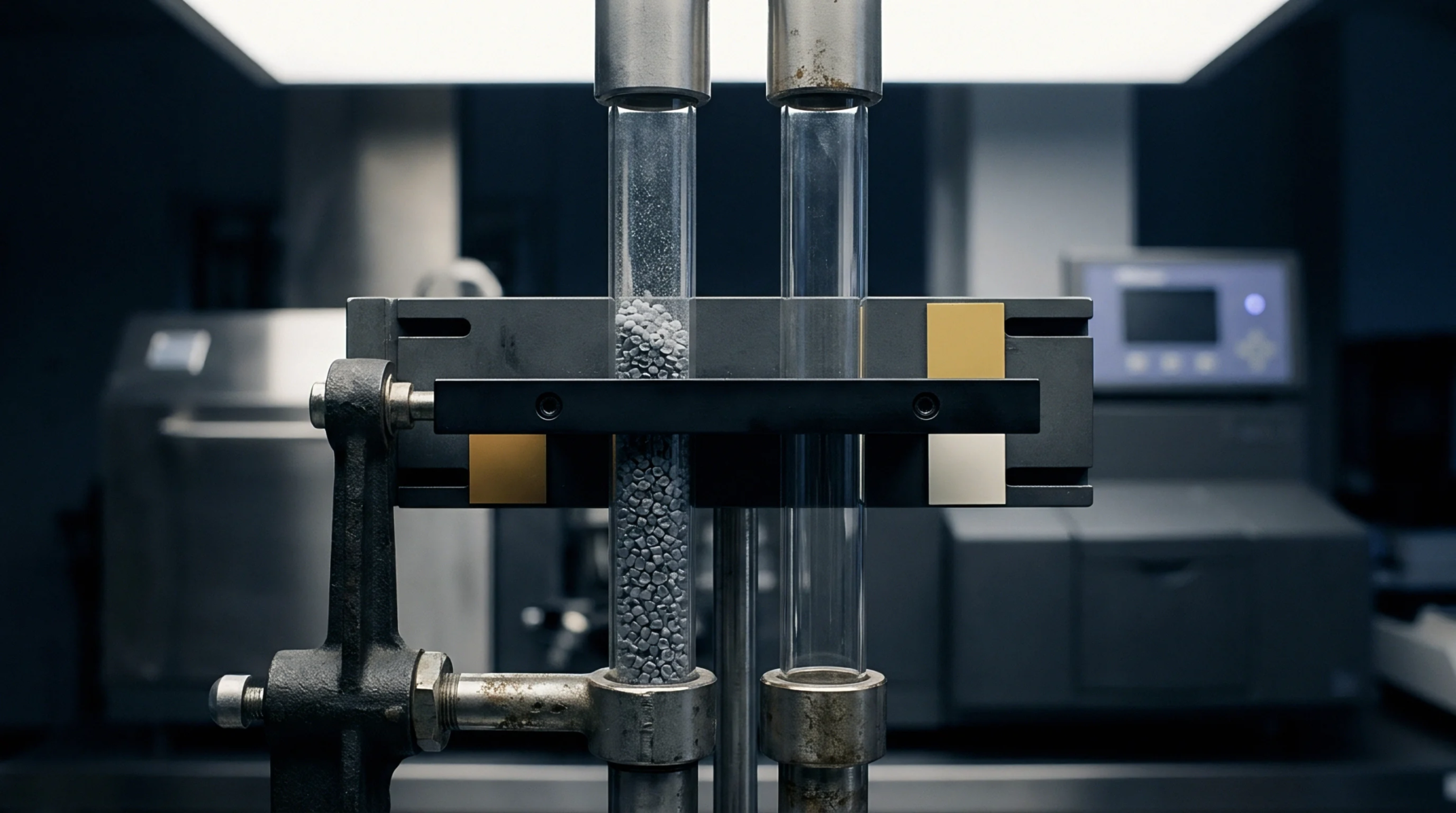
Plastics manufacturers deploy isooctane as a carrier solvent during the production of specialized resins where precise chain length control determines the final mechanical properties. During the polymerization of certain monomers, the liquid acts as a diluent that dissipates the heat of reaction. Low viscosity and high chemical stability prevent interference with the catalyst site during the chain growth phase.
Moulders often find that regrind material contains residual solvent levels that alter the flow rate of the melt. Virgin resin batches remain free of such contaminants, yet the heat history of a process often necessitates the addition of cleaning agents. Process variables such as injection speed require constant adjustment when the concentration of low molecular weight alkanes drifts within the feed stream.
Deviations from the target solvent profile increase the risk of surface defects or brittle failures in the finished moulded part.
Production Economics
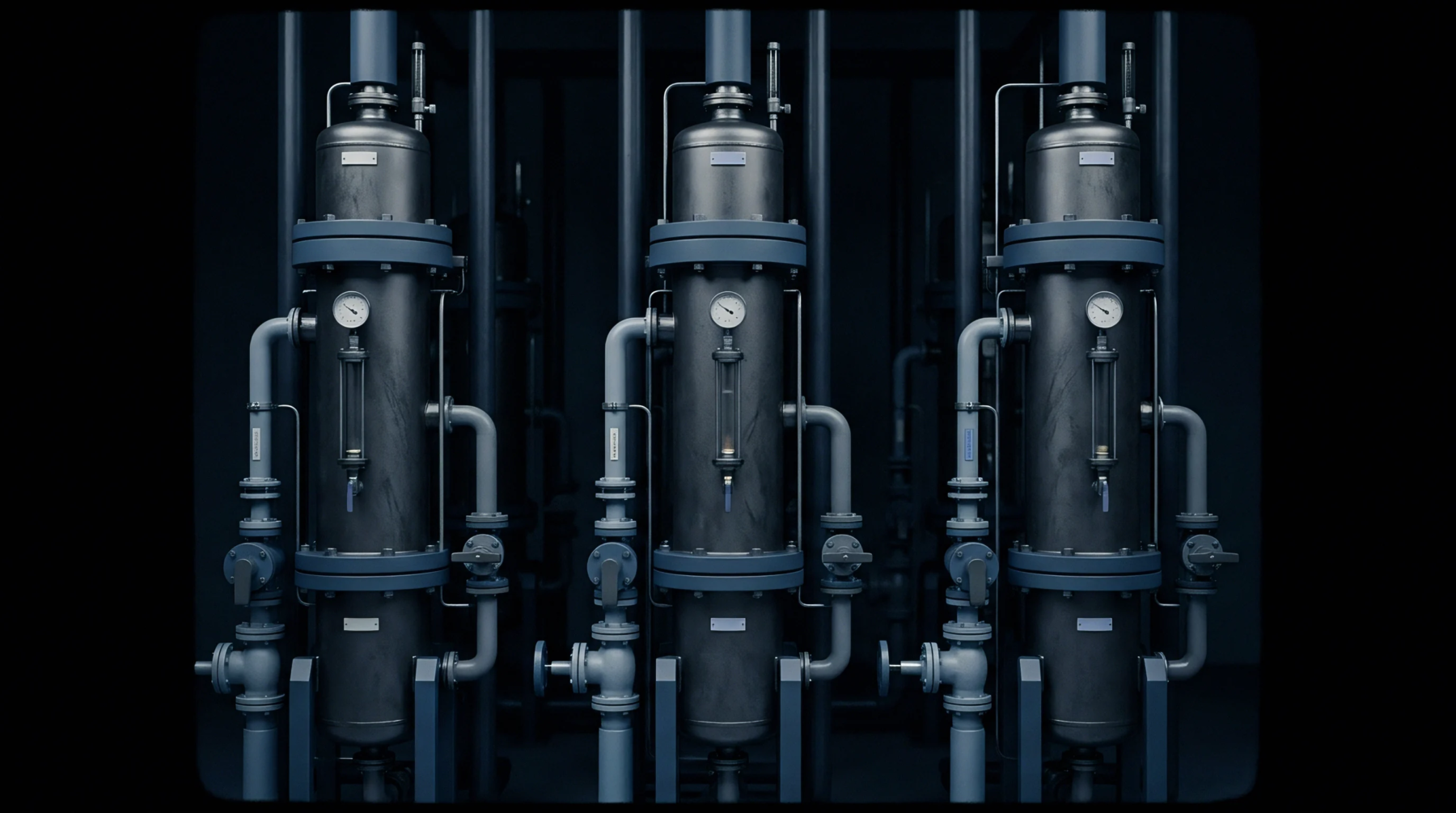
Cost calculations for industrial solvents depend on the extraction efficiency of the cracking process. Distillation columns separate the target molecule from refinery streams through controlled pressure changes. When global demand for high performance fuels rises, supply constraints drive the price of this standard upward.
Producers evaluate the economic viability of recovery systems that capture and recycle the solvent from exhaust vents. Efficiency gains arise when automated systems balance the recovery rates against the cost of fresh replenishment. High purity requirements limit the reuse cycles for specific polymer processes, as accumulated trace contaminants eventually lower the dielectric strength of the final plastic product.
Market volatility in the petrochemical sector influences the operational margins of facilities dependent on a constant supply of high grade alkanes. Consistency in the supply chain remains the most reliable method for maintaining stable production output.