Meaning
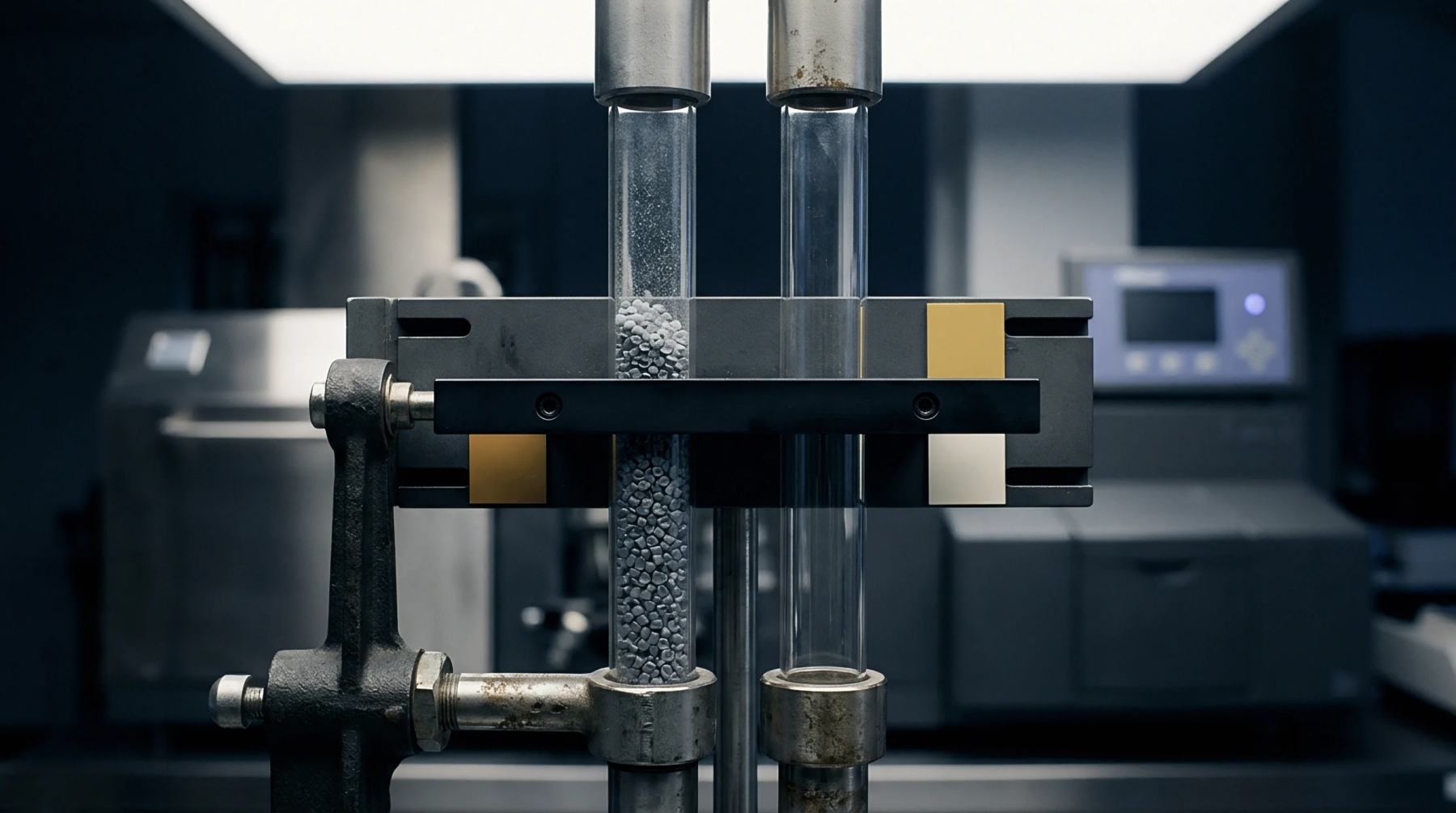
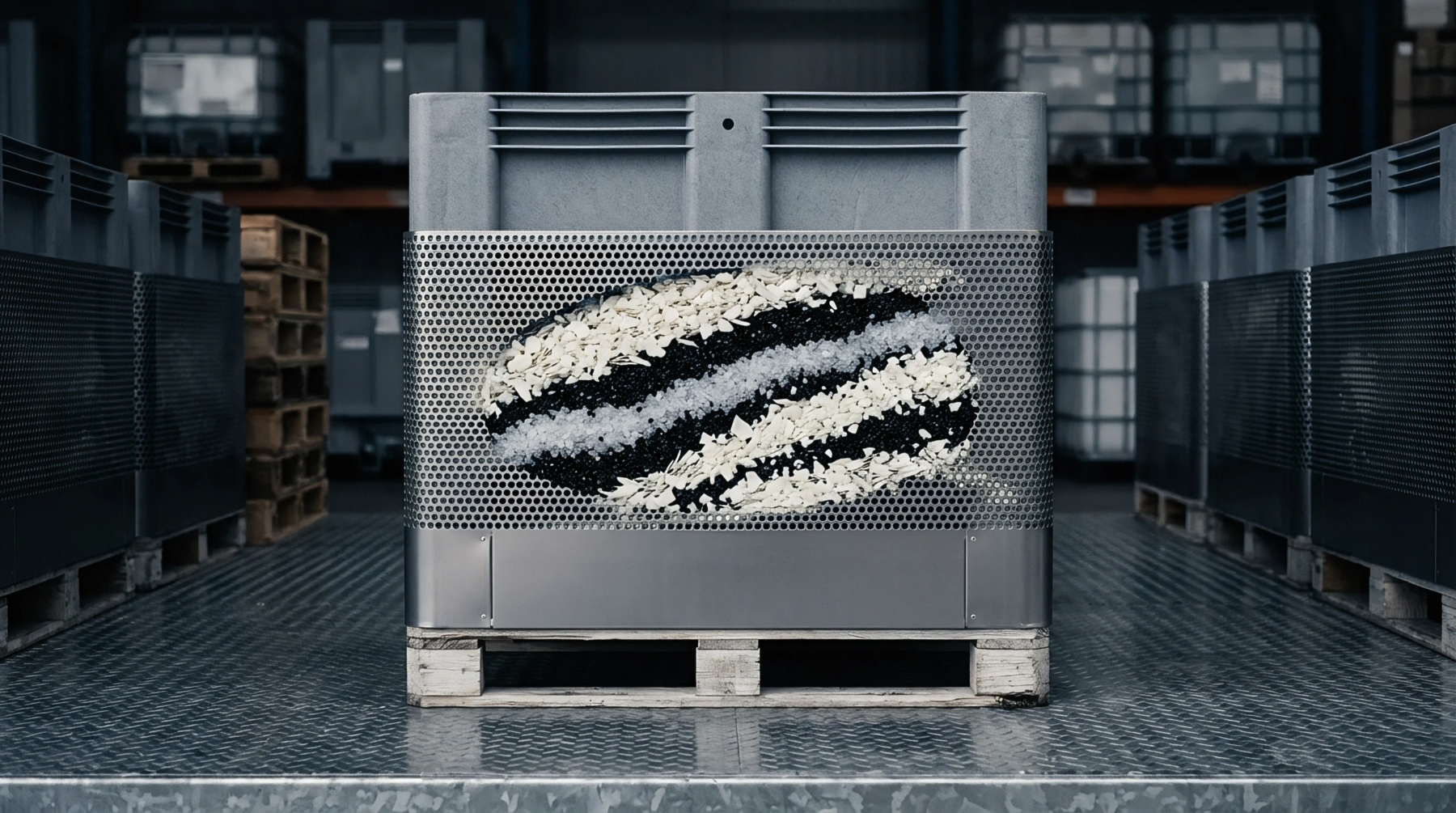
Secondary resin feedstock consists of reprocessed polyethylene containers gathered from post-consumer or industrial waste streams that are sorted, cleaned, and granulated for manufacturing. Recycled high density polyethylene functions as a sustainable alternative to virgin resins in applications like blow-molded bottles, crates, and piping. Contamination from labels, adhesives, or incompatible plastics often forces mechanical recycling facilities to maintain strict sorting protocols to preserve melt flow indices.
Final purity levels depend entirely on the efficacy of wash lines and sensor-based optical sorting hardware.
Polymer Economics
Virgin material cost tracks directly with global crude oil and natural gas prices whereas price volatility for the reprocessed version follows regional collection rates and waste management policy shifts. Reprocessed pellets show a reduced carbon footprint compared to primary resin synthesis through the bypass of polymerization steps. Processors integrate these materials to lower total part costs but must accept higher variance in molecular weight distribution.
Process Variables
Melt flow rate determines how the polymer behaves inside the barrel and dictates the required clamping pressure during injection molding. Consistency across batches defines the difference between a stable production run and a cycle filled with flash or short shots. Variation in viscosity requires operators to adjust injection speed and cooling times to account for flow resistance.
Thermal degradation occurs if the resin spends too much time inside the hot barrel or remains exposed to excessive shear forces at the nozzle.
Tooling Impacts
Shrinkage rates change when the chemical structure of the supply shifts from homogenous virgin grades to heterogeneous secondary stocks. Molds designed for prime resins often require modification in cooling line placement to accommodate the inconsistent heat dissipation of recycled materials. Wall thickness stability depends on the uniformity of the granules fed into the extruder.
Stable part dimensions remain elusive when batch density fluctuates during high speed manufacturing.