Resolving Interlaboratory Polyethylene Specific Gravity Arbitration Disputes through Controlled Thermal Conditioning Annexes
Controlled thermal conditioning annexes erase thermal history variations to resolve interlaboratory polyethylene density arbitration disputes.

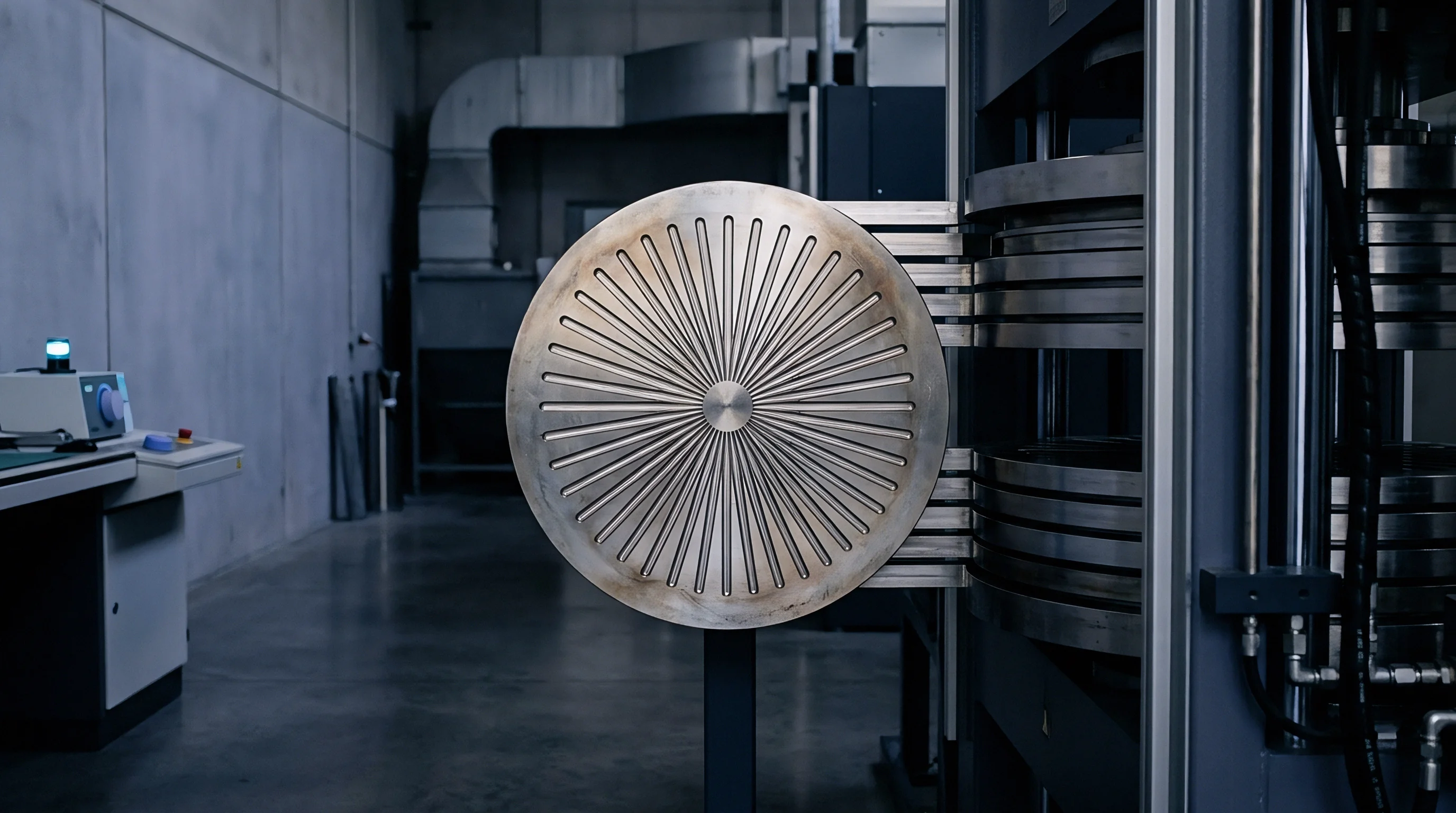
Packing
Polymer morphology in polyethylene depends directly on the thermal trajectory experienced during cooling from the melt phase. Fast quench rates trap amorphous entanglements, yielding lower density values. Slow cooling permits polymer chains to fold into thick lamellar crystals, elevating specific gravity.

Density Shifts across Cool Rates
Solidification speed defines crystalline fraction. Density determines final part stiffness. A linear low-density polyethylene resin cooled at 15 degrees Celsius per minute reaches a density of 0.9185 grams per cubic centimeter under ISO 1183-1 immersion testing.
The identical lot cooled at 0.5 degrees Celsius per minute achieves 0.9212 grams per cubic centimeter. Compression molding cooling protocols under ASTM D4703 define distinct thermal procedures that yield measurable discrepancies when testing laboratories use different cooling rates on incoming resin samples.
| Cooling Schedule | Nominal Cooling Rate (C/min) | HDPE Density (g/cm3) | LLDPE Density (g/cm3) | Crystallinity Index (%) |
|---|---|---|---|---|
| Procedure A (Slow) | 1.5 | 0.9620 | 0.9220 | 68.5 |
| Procedure B (Medium) | 15.0 | 0.9580 | 0.9190 | 62.1 |
| Procedure C (Quench) | 200.0 | 0.9520 | 0.9150 | 54.3 |
| Procedure D (Standard) | 5.0 | 0.9600 | 0.9205 | 65.2 |
Density shifts by 0.0020 grams per cubic centimeter when cooling rates drop from 15 degrees Celsius per minute to 0.5 degrees Celsius per minute under ISO 1183 immersion testing.
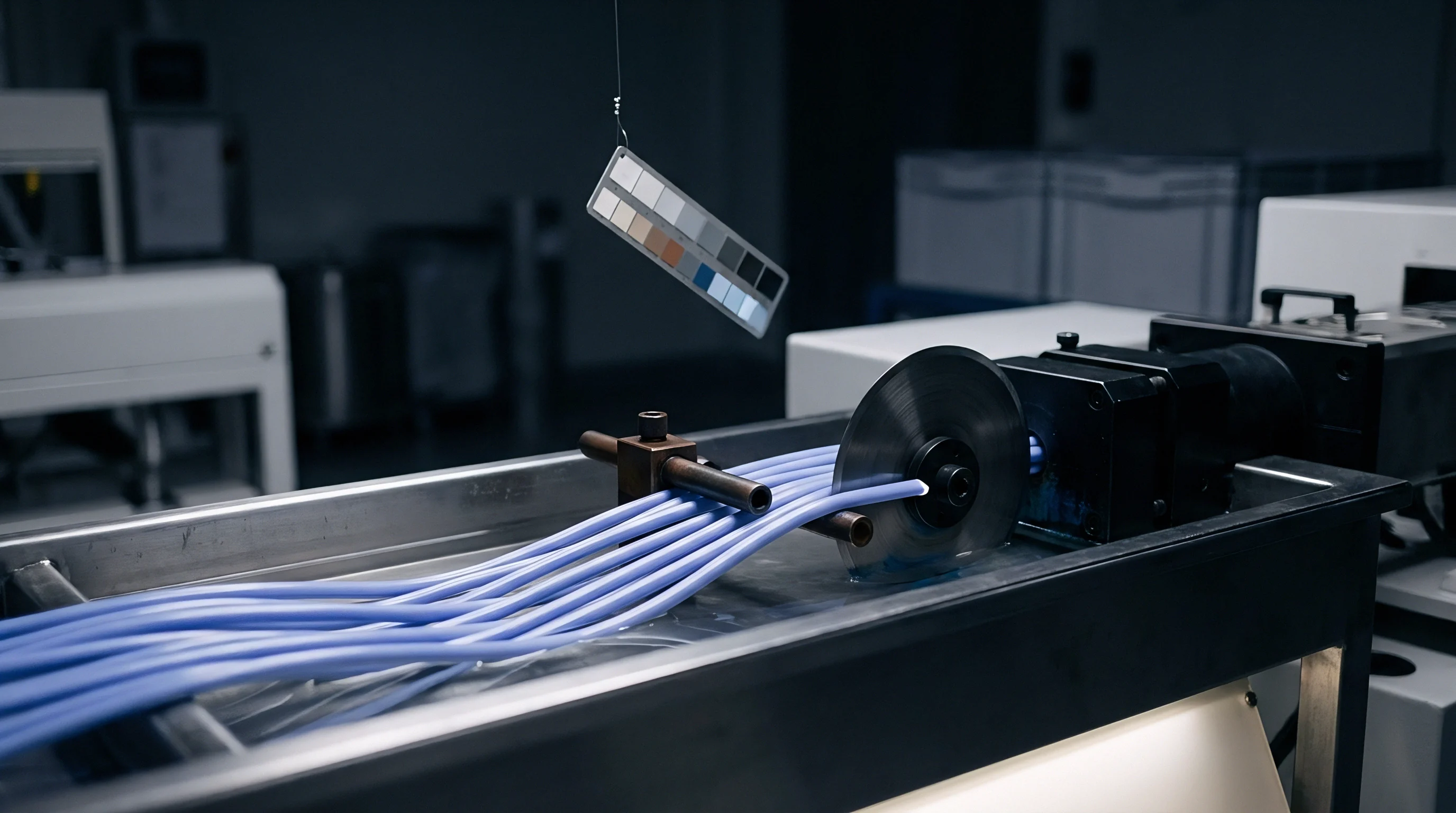
Spherulite Growth and Unit Cell Microstructure
Polyethylene chains align during cooling. High-density polyethylene resins exhibit high crystallization sensitivity, where small temperature fluctuations in press platens alter lamellar thickness. Variations in platen chiller water flow across different laboratory presses alter local cooling rates across a single compression plaque, resulting in density gradients within the same test specimen.
Failing to standardize thermal history prior to density verification leads to unresolvable resin rejections, where sound polymer lots are returned at substantial freight expense based on artificial testing discrepancies.
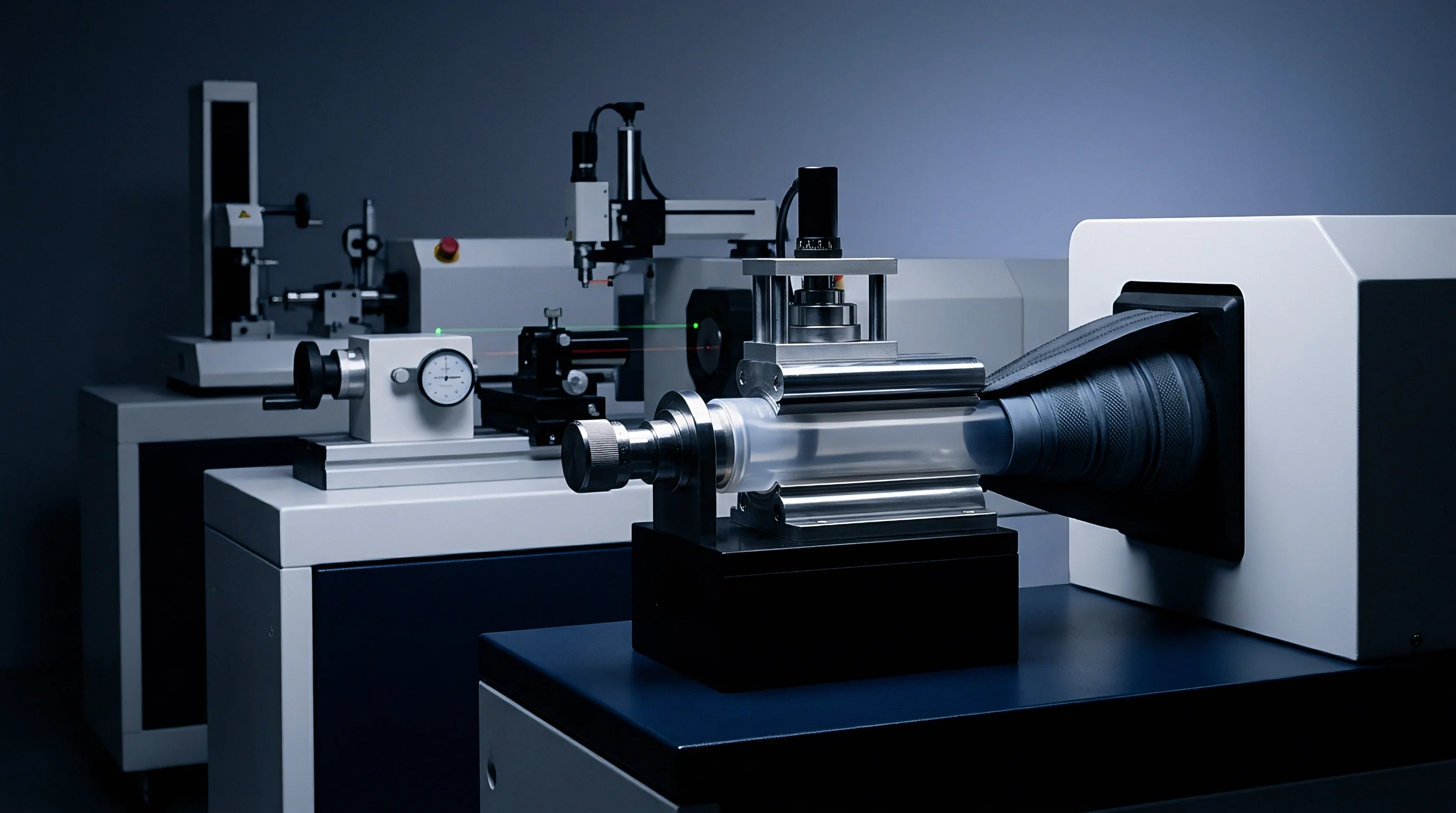

Bath
Liquid displacement testing and density gradient columns offer high accuracy for solid polymer characterization, provided specimen preparation remains pristine. Immersion fluids maintain constant temperature within 0.05 degrees Celsius to eliminate convective currents and buoyancy drift inside density gradient columns conforming to ASTM D1505 or ISO 1183-2.
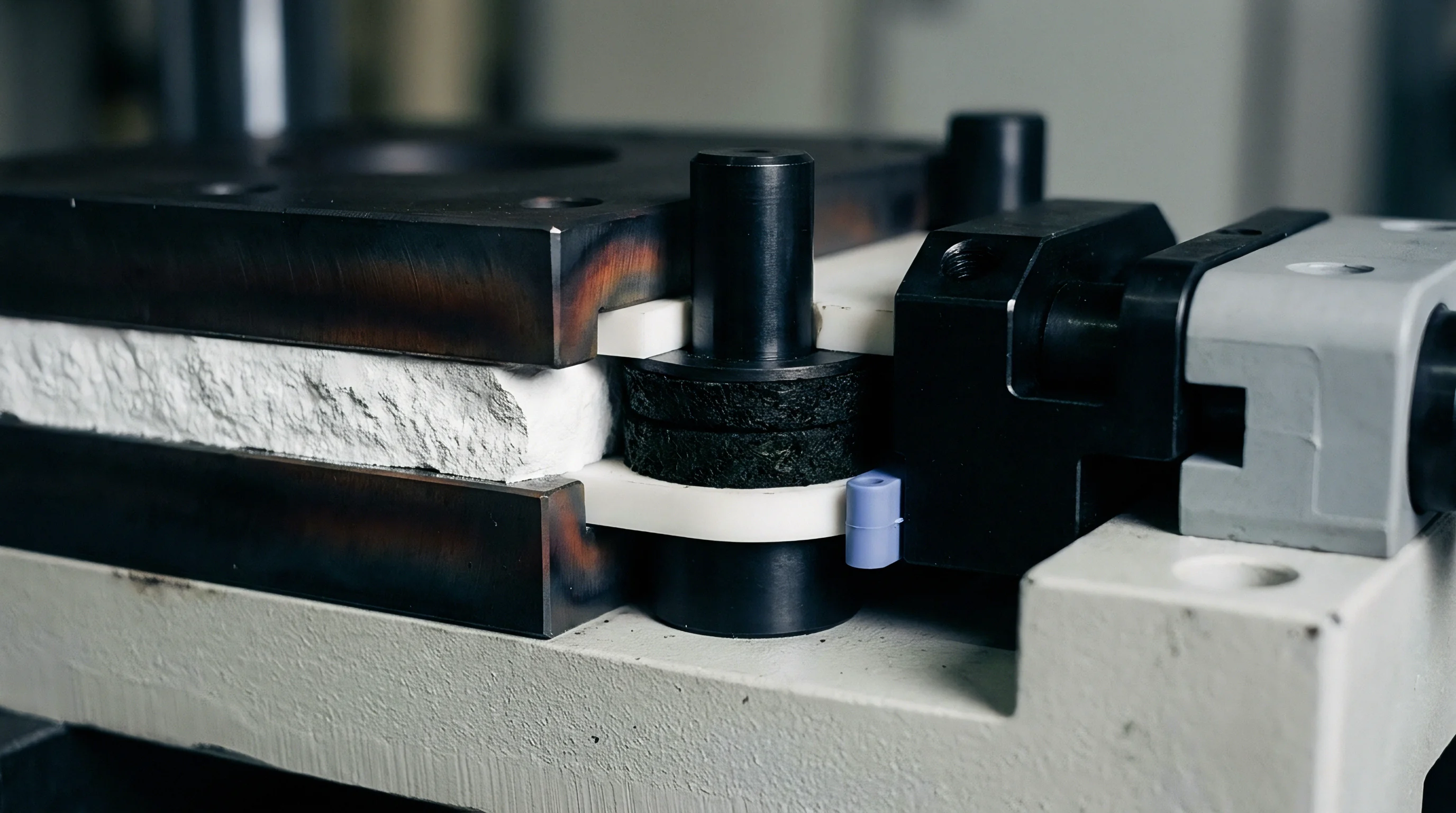
Fluid Medium Dynamics and Gradient Calibration
Bubbles skew sink float measurements. Specimen voiding introduces measurement bias. Microscopic air bubbles adhering to the surface of punched polymer plaques create artificial buoyancy, depressing the apparent specific gravity calculation during hydrostatic weighing.
- Surface bubble entrapment reduces apparent sample mass in liquid immersion testing, creating an artificial downward shift in reported specific gravity.
- Solvent absorption by low molecular weight fractions alters specimen weight during prolonged immersion in organic gradient column media.
- Thermal gradient distortion inside column tubes occurs when ambient laboratory temperature fluctuates beyond specified equilibrium limits.
- Plaque void formation during rapid press cooling creates microscopic internal cavities that distort sink-float hydrodynamics.
Testing technicians often attribute density mismatches to column calibration error without examining specimen surface wetting protocols or fluid drag effects during float release.
Resin producers frequently assert that incoming rejection findings stem entirely from improper laboratory column maintenance and specimen wetting technique rather than polymer property shortfalls.

Variance
Discrepancies in measured resin properties frequently emerge from unaligned thermal preparation equipment between manufacturing facilities and receiving sites. A supplier Certificate of Analysis reflecting Procedure A slow cooling will not match a buyer receiving check performed on plaques quenched under ambient air.

What Mechanisms Drive Interlaboratory Density Divergence?
Improper annealing generates false rejections. Density column calibrations drift over time. Cooling rate shifts density rapidly.
Uncontrolled ambient cooling converts high-density resin into false off-spec material before the sample reaches the testing station. Interlaboratory comparative studies indicate that sixty percent of density arbitration disputes stem directly from unrecorded differences in compression mold platen cooling profiles rather than chemical variations in the polymer backbone.
Uncontrolled ambient cooling converts high-density resin into false off-spec material before the sample reaches the testing station.

Cooling Apparatus Calibration Drift
Ambient conditions in processing plant laboratories fluctuate across seasonal shifts, affecting press cooling platen heat exchanger performance and introducing systematic offsets between test sites. Standardized thermal conditioning annexes establish identical thermal trajectories, neutralising environmental discrepancies before arbitration measurement.
When two testing facilities report conflicting specific gravity figures for the same polyethylene lot, the discrepancy lies in specimen thermal history until proven otherwise by thermal conditioning.

Annex
Standardized supplemental procedures establish a neutral thermal baseline by destroying existing crystalline structures and reforming them under strictly regulated thermal profiles. Heating compression plaques above the peak melting transition unlocks molecular entanglements and erases prior thermal history.
ASTM D4703 Annex A1 cooling compliance invalidates supplier density certificates when compression molding press platen temperatures vary during solidification.
Standard Thermal Reset Execution Protocols
Re-equilibrating specimens in oil or nitrogen-flushed ovens at elevated temperatures enables uniform lamellar growth across samples from different production sources.
- Punch representative test specimens measuring two millimeters by two millimeters from compression molded plaques prepared according to standard molding parameters.
- Heat the specimens in an inert nitrogen environment or suitable heat transfer oil bath to one hundred sixty degrees Celsius and maintain temperature for thirty minutes to erase past thermal history.
- Cool the specimens at a controlled rate of five degrees Celsius per hour down to forty degrees Celsius to allow maximum equilibrium crystallization.
- Transfer specimens directly into a temperature-controlled conditioning bath maintained at twenty-three degrees Celsius for twenty-four hours prior to specific gravity testing.
- Perform density column or liquid immersion testing within two hours of removing specimens from the thermal conditioning environment.
| Parameter | Primary Method | Arbitration Thermal Annex | Acceptable Tolerance |
|---|---|---|---|
| Erasure Temperature | Unregulated | 160.0 C | +/- 0.5 C |
| Isothermal Hold Time | 10 to 15 min | 30.0 min | +/- 0.5 min |
| Conditioning Cooling Rate | Ambient air quench | 5.0 C/hour | +/- 0.1 C/hour |
| Conditioning Atmosphere | Ambient air | Dry Nitrogen (>99.9% pure) | N/A |
| Arbitration Repeatability | 0.0020 g/cm3 | 0.0004 g/cm3 | +/- 0.0002 g/cm3 |
Standardized baths prevent local thermal drift. Thermal equilibrium dictates final crystal volume. Implementing standardized thermal conditioning annexes tightens interlaboratory repeatability to within 0.0004 grams per cubic centimeter, removing ambient cooling as a source of commercial friction.
Incorporating ISO 17855-2 Annex A thermal conditioning as the sole binding referee procedure into resin purchase agreements legally replaces supplier Certificate of Analysis values with standardized thermal reset test results during formal quality arbitrations.

Redress
Financial adjustment mechanisms for out-of-specification resin shipments require unambiguous technical criteria to survive legal scrutiny. Polyethylene grades ship on tight density windows, where a deviation of 0.0015 grams per cubic centimeter alters processability, film dart impact, and stress crack resistance in blow-molded containers.

Commercial Penalty Calculations and Specification Boundaries
Tolerances bind commercial settlement payouts. Resin buyers demand absolute repeatability. Procurement contracts tie density compliance claims strictly to referee annex test results rather than raw incoming inspection logs.
Polyethylene price adjustments hinged on specific gravity tolerances fail in commercial dispute tribunals without documented conditioning history.
Contractual Specification Annex Drafting
Clear contractual terms protect resin buyers from paying prime polymer prices for sub-grade materials while protecting compounders from frivolous rejection claims caused by flawed incoming sample preparation. Establishing standard thermal conditioning annexes inside supply contracts aligns financial settlement protocols with polymer physics.
- Mandatory thermal reset execution obligates both buyer and seller laboratories to apply identical controlled conditioning before logging official density rejection figures.
- Tolerance band boundaries define allowable specific gravity variances, establishing a neutral zone of plus or minus 0.0005 grams per cubic centimeter before price penalties trigger.
- Independent referee laboratory selection designates an accredited third-party testing facility equipped with certified Annex-compliant thermal conditioning apparatus.
- Cost allocation terms stipulate that the party whose test results diverge furthest from the referee annex benchmark absorbs all arbitration and freight expenses.
When arbitration testing confirms an authentic specific gravity defect under controlled conditioning, the buyer applies pre-negotiated credit adjustments per metric tonne or enforces lot return obligations at the compounder expense.