Meaning
Pentaerythritol tetrakis(3-(3,5-di-tert-butyl-4-hydroxyphenyl)propionate) functions as a sterically hindered phenolic antioxidant that neutralizes free radicals generated during polymer processing and long-term thermal exposure. In plastics manufacturing, irganox 1010 prevents thermo-oxidative degradation, discolouration and embrittlement in polyolefins, polyoxymethylene and polyurethanes across their operating service life. The additive acts as a primary radical scavenger in solid and molten polymer matrices.
Operational performance stops when matrix temperatures exceed additive decomposition limits above three hundred degrees Celsius.
Radical Termination
Autoxidation reactions in plastic chains produce active peroxy radicals that extract hydrogen atoms and cause rapid polymer chain cleavage. The phenolic hydroxyl groups on irganox 1010 donate reactive hydrogen atoms to terminate peroxy radicals, forming resonance-stabilized phenoxy radicals that do not propagate degradation. This chemical mechanism protects mechanical tensile strength and elongation in exposed plastic parts.
High molecular weight prevents the additive from rapidly volatilizing out of hot melt streams. Radical termination guarantees stable long-term part durability.
Compounding Practice
Resin compounders incorporate primary antioxidants into virgin base polyolefins during compounding to establish baseline thermal resistance. Pairing irganox 1010 with secondary phosphite processing stabilizers provides synergistic protection across multiple thermal heat histories. Processors verify additive concentration using high-performance liquid chromatography to ensure levels meet technical specifications.
Inadequate stabilizer dosing causes yellowing, surface crazing and premature mechanical failure in outdoor applications. Masterbatch additives balance cost against expected product lifespan requirements.
Recycling Performance
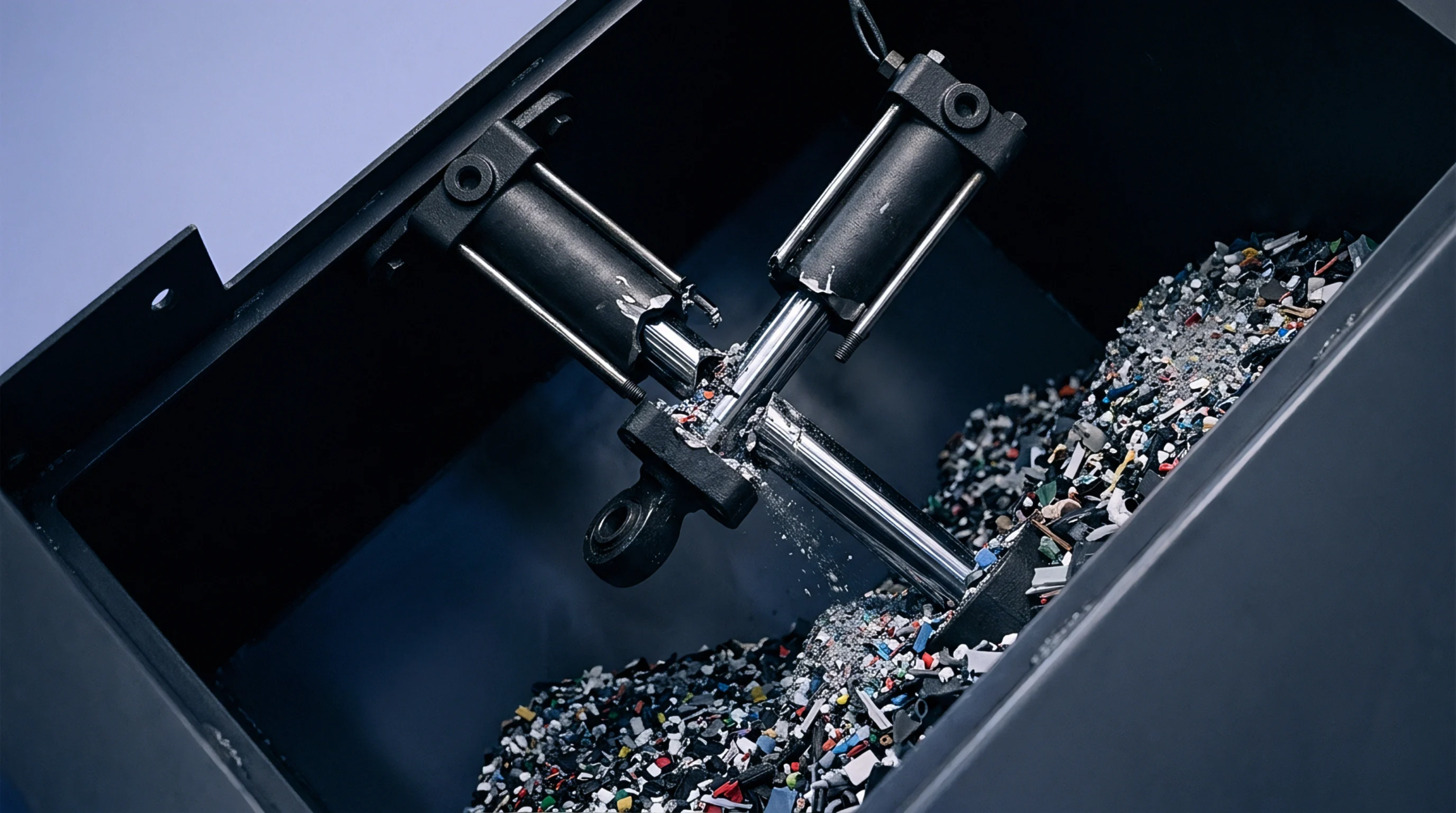
Mechanical recycling cycles expose secondary polymer flakes to repeated thermal degradation that depletes initial stabilization reserves. Introducing fresh irganox 1010 into post-consumer recycled polyolefins halts ongoing thermal degradation and restores resin stability for moulding applications. Re-stabilized recycled polymers withstand secondary injection moulding cycles without experiencing severe melt index shifts.
Unstabilized recycled material develops bad odours and brittle failure points during product assembly. Re-stabilization extends the practical lifespan of recycled resin streams. Hindered phenolic antioxidants represent the primary defence against thermal degradation in plastics.