Steam Cracker Co-Processing Mass Balance Basics
Co-processing plastic pyrolysis oil in steam crackers requires yield-based mass balance attribution under ISCC PLUS rules to substantiate circular claims.
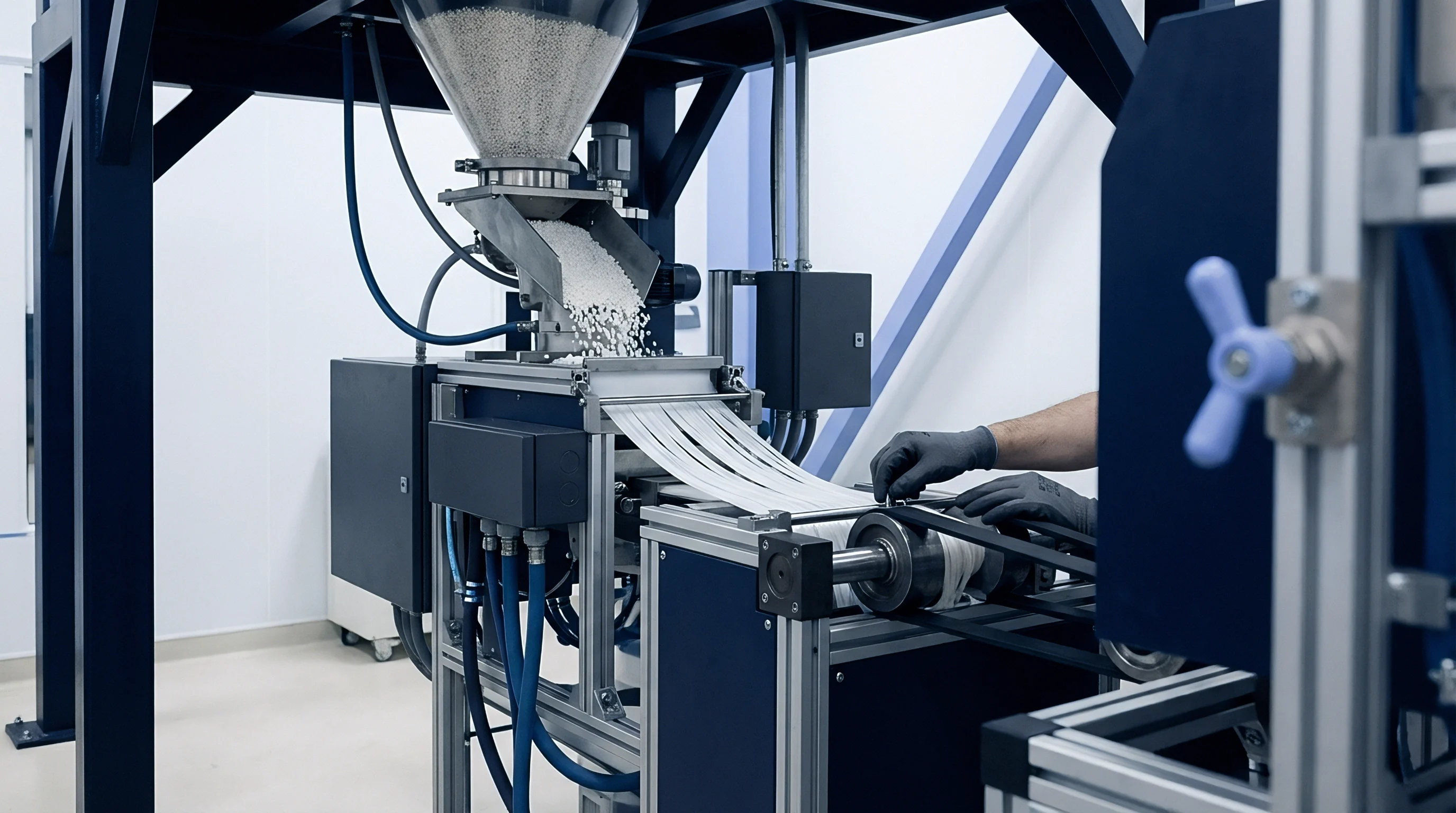

Feed
Crude pyrolysis liquid derived from mixed olefinic waste streams presents a distinct chemical profile compared to virgin straight-run naphtha. Thermal conversion of post-consumer polyolefins yields a hydrocarbon mixture rich in alkenes, conjugated dienes, and paraffinic fractions. Introducing this secondary liquid into steam cracker feedstreams requires strict operational blending controls to maintain plant integrity.
Commercial petrochemical complexes typically limit raw plastic pyrolysis oil, commonly termed PyOil, to blend ratios between one percent and ten percent by volume relative to conventional fossil naphtha. Higher substitution rates alter the distillation profile, viscosity, and thermal cracking behavior inside high-temperature furnace coils.
Liquid pyrolysate contains significant concentrations of non-hydrocarbon impurities that do not exist in conventional fossil feedstocks. Organic chlorides, organosilicon compounds, iron, calcium, sodium, and heavy conjugated dienes accumulate during unrefined pyrolysis operations. Silicon deposits foul quench oil systems, while organic halides decompose into hydrogen chloride gas within radiant coils, pitting stainless steel.

Pyrolysis Oil Characterization and Furnace Entry
Thermal cracking of post-consumer polyolefins generates high concentrations of dienes, heavy wax fractions, and organochlorine species. Standard virgin naphtha displays an initial boiling point near 35 degrees Celsius and a final boiling point below 200 degrees Celsius. In contrast, unrefined PyOil exhibits a broad boiling curve extending past 350 degrees Celsius, carrying heavy waxes that fail to vaporize in standard convection sections.
These heavy boiling fractions deposit carbonaceous residue on internal pipe walls, creating localized hotspots and restricting heat transfer.
Contaminant levels dictate whether secondary pyrolysate can enter the primary naphtha header or requires dedicated hydrotreating beforehand. Silicon compounds, originating from polydimethylsiloxane adhesives and anti-foaming additives in waste plastics, decompose at high cracking temperatures to form amorphous silica. This silica plates out on downstream compressor blades and catalytic beds.
Iron and calcium act as thermal coking catalysts inside furnace tubes, while other impurities poison catalysts.
At a five percent volume blend of raw pyrolysis oil, organic chloride levels exceeding ten milligrams per kilogram induce pitting corrosion in cold-box stainless steel exchangers.
The table below details typical physical properties and impurity thresholds comparing standard fossil naphtha against unrefined and hydrotreated plastic pyrolysis oils.
| Parameter | Virgin Straight-Run Naphtha | Unrefined Plastic PyOil | Hydrotreated PyOil |
|---|---|---|---|
| Boiling Range (Degrees Celsius) | 35 to 180 | 40 to 450 | 35 to 240 |
| Diene Value (g Iodine per 100g) | 0.1 to 0.5 | 8.0 to 25.0 | 0.2 to 1.0 |
| Silicon Content (mg per kg) | Less than 0.1 | 5.0 to 120.0 | Less than 0.5 |
| Organic Chlorides (mg per kg) | Less than 1.0 | 10.0 to 300.0 | Less than 3.0 |
| Total Nitrogen (mg per kg) | Less than 1.0 | 50.0 to 800.0 | Less than 5.0 |
| Iron plus Calcium (mg per kg) | Less than 0.05 | 2.0 to 45.0 | Less than 0.2 |
Pretreatment Constraints for Waste Plastic Streams
Catalytic hydrodeoxygenation and dechlorination remove harmful heteroatoms prior to introducing recycled liquids into cracking coils. Raw PyOil undergoes fixed-bed hydroprocessing over nickel-molybdenum or cobalt-molybdenum catalysts operating at temperatures between 300 and 380 degrees Celsius and hydrogen pressures above 40 bar. This hydrotreating step saturates olefins, eliminates dienes, and converts organochlorines into hydrogen chloride gas for subsequent caustic scrubbing.
Hydrotreating elevates the paraffinic content, improving light olefin production yields during thermal cracking.
Unrefined pyrolysate processing creates immediate failure modes across standard plant equipment:
- Organochlorine Decomposition Hydrolysis of organic chlorides inside radiant coils releases hydrochloric acid, inducing stress corrosion cracking in downstream austenitic stainless steel heat exchangers.
- Silicon Accumulation Decomposition of silicone polymers forms silica fouling layers on quench exchangers, reducing heat recovery efficiency and lowering steam generation rates.
- Diene Polymerization High diene concentrations trigger premature fouling in preheat exchangers and convection tubes prior to reaching thermal cracking zones.
- Nitrogen Poisoning Basic nitrogen species pass through thermal furnaces and poison acid sites on downstream selective hydrogenation catalysts used in acetylene converters.
Sustained operation with unrefined liquid pyrolysate accelerates exchanger fouling and triggers unscheduled unit shutdowns before reaching planned turnaround intervals.

Furnace
Co-processing liquid plastic pyrolysate alters thermal cracking kinetics inside high-temperature radiant coils. Hydrocarbon molecules split via free-radical mechanisms at coil outlet temperatures ranging from 800 to 860 degrees Celsius. Naphtha cracking chemistry relies on predictable steam-to-hydrocarbon mass ratios between 0.4 and 0.6.
Introducing secondary pyrolysate alters fluid dynamics and heat absorption rates within convective and radiant furnace passes. Higher aromatic and naphthenic content in unrefined plastic oil reduces overall conversion efficiency to light olefins.
Ethylene yields drop when processing feeds high in substituted aromatics or cycloparaffins because PyOil substitution alters thermal kinetics. To maintain desired severity levels, plant operators adjust furnace firing rates or alter residence times inside the radiant section. Micro-second radiant coils operating at high thermal fluxes face accelerated coke accumulation when processing unrefined secondary feeds.

Thermal Cracking Yield Shifts and Quench Mechanics
Paraffinic components generate light alkenes while conjugated dienes promote coking within transfer line exchangers. Steam crackers co-processing hydrotreated plastic pyrolysate exhibit slight shifts in product selectivity compared to pure virgin naphtha runs. Paraffin-rich pyrolysate enhances ethylene and propylene output, whereas naphthenic pyrolysate shifts yield balances toward pyrolysis gasoline and heavy aromatics, increasing losses in heavy fractions.
The table below summarizes yield distributions obtained from cracking pure virgin naphtha versus a ten percent hydrotreated plastic PyOil blend under identical coil outlet temperatures and residence times.
| Product Stream | 100 Percent Virgin Naphtha (wt %) | 90/10 Naphtha/PyOil Blend (wt %) | Yield Variance (Absolute %) |
|---|---|---|---|
| Ethylene | 28.5 | 28.1 | minus 0.4 |
| Propylene | 15.2 | 15.4 | plus 0.2 |
| Butadiene | 4.5 | 4.6 | plus 0.1 |
| Pyrolysis Gasoline (C5 to C9) | 18.0 | 18.8 | plus 0.8 |
| Fuel Gas (Methane and Hydrogen) | 13.5 | 13.2 | minus 0.3 |
| Heavy Fuel Oil / CNO | 3.8 | 4.2 | plus 0.4 |
| Coke and Unaccounted Losses | 16.5 | 15.7 | minus 0.8 |
Transfer line exchangers immediately downstream of the radiant coils rapidly cool effluent gases from 830 degrees Celsius to below 400 degrees Celsius to freeze reaction kinetics. Heavy waxy molecules present in un-hydrotreated plastic oils pass through the radiant coils uncracked. These heavy molecules condense on internal exchanger tube surfaces, accelerating thermal insulation build-up and increasing pressure drops across the furnace outlet header.
Higher concentrations of conjugated dienes in plastic pyrolysate accelerate coil coking and shorten furnace run lengths between decoking cycles.
Contaminant Poisoning and Coil Maintenance Schedules
Organic chlorides decompose and hydrolyze into hydrochloric acid inside radiant tubes, accelerating corrosion and fouling downstream compressors. Simultaneously, trace alkali metals like sodium and calcium lower the softening point of internal tube oxide scales. Accelerated spalling of oxide layers exposes raw nickel-chromium metallurgy to direct carburization.
High-temperature cracking coils operate near 850 degrees Celsius under severe mechanical stress, utilizing nickel-chromium alloys comparable to those developed for jet engine turbine blades where creep resistance dictates component life. Operating these coils with contaminated pyrolysate compromises metallurgical stability far faster than thermal stress alone.
Decoking schedules shorten significantly when processing contaminated secondary feeds. Standard furnace operating runs between decoking cycles average 60 to 90 days on virgin naphtha. Introducing raw PyOil containing elevated iron and diene levels can reduce run lengths to under 30 days due to rapid pressure build-up.
Decoking requires taking the furnace off-line, purging with steam and air at elevated temperatures to burn off internal carbon deposits, resulting in direct operational output losses.
Exceeding metal and halogen contamination boundaries inside radiant coils causes rapid tube metallurgical failure, costing operators millions in unbudgeted replacement expenses and lost ethylene production.
Balance
Determining recycled output quantities relies on conservation equations accounting for every mass fraction exiting the separation train. In steam cracker co-processing, physical separation of circular molecules from fossil-derived molecules is chemically impossible once feeds enter the furnace manifold. Synthetic ethylene produced from cracked plastic oil mixes completely with ethylene generated from fossil naphtha.
Consequently, mass balance accounting frameworks serve as the required verification mechanism to assign circular properties to outgoing product batches.
Physical accounting follows strict boundaries defined by the physical site envelope of the petrochemical plant to track mass units. Verification auditors establish explicit physical balances around single units or complex multi-plant sites. Input mass from certified secondary feedstocks must equal the calculated output mass assigned to circular products plus documented conversion losses.
Mass Conservation across Co-Processing Boundaries
Accounting rules track total incoming chemical tonnage against outgoing ethylene, propylene, aromatics, and heavy residue streams. Total system mass balance requires recording incoming secondary feedstocks via verified weigh scale receipts and laboratory mass flowmeters. Physical inventory changes inside storage tanks must enter monthly accounting ledgers to reflect inventory shifts and losses.
Plant operators execute mass balance verification through a series of sequential tracking steps:
- Quantify incoming plastic pyrolysis oil tonnage using calibrated mass flowmeters adjusted for density and temperature.
- Sample and analyze each incoming feedstock lot to establish carbon content, moisture levels, and non-hydrocarbon fraction deductions.
- Deduct heavy residues, solids, and aqueous phases separated during pre-treatment or storage settling.
- Apply documented thermal cracking yield factors to convert net hydrocarbon input mass into calculated output product potential.
- Credit calculated product yields to certified output credit accounts within an enterprise resource planning ledger.
- Deduct allocated mass credits upon issuance of official Sustainability Declarations during product dispatch.
Rolling average windows govern how long credit balances remain active within the plant balance. Industry standards like ISCC PLUS allow plants to maintain credit balances on a rolling monthly or three-month balance window. Credits accumulated during peak co-processing runs can be allocated to sales orders fulfilled during subsequent operational periods when the plant runs exclusively on fossil naphtha.

Can Pyrolysis Oil Allocation Surpass Mass Yields?
Standard voluntary verification systems restrict attributed recycled polymer credits to the stoichiometric chemical yield derived from alternative feedstocks. An operator cannot claim 100 tonnes of recycled polyethylene output from 100 tonnes of PyOil input if the cracker only achieves a 30 percent mass yield to ethylene. Fuel gas production, pyrolysis gasoline, heavy fuel oil, and internal thermal energetic losses consume the remaining 70 percent of input mass.
Under ISCC PLUS System Document 203, mass balance credit balances carried past twelve months expire automatically and forfeit circular packaging eligibility.
Controversy remains regarding energetic loss attribution across output streams. Some verification standards permit operators to assign process losses proportionally across all output fractions, whereas stricter frameworks require deducting the exact energetic gas fraction consumed for furnace combustion. If 15 percent of total mass combusts internally to generate furnace heat, that mass fraction cannot be converted into circular polymer credits.
Yield figures rest on plant mass balance studies conducted under steady-state operating conditions at verified coil outlet temperatures. Altering plant cracking severity from high to medium shifts ethylene-to-propylene yield ratios by up to five percentage points, directly moving the available mass credit balance for downstream polymers.
No universal loss attribution factor exists for steam cracker fuel gas off-gases because energy integration varies drastically between standalone crackers and integrated refinery complexes. Site-specific energy balances dictate actual loss deductions. A buyer must inspect the auditor-approved Mass Balance System Document for the specific cracker facility to confirm whether internal fuel consumption was deducted prior to credit allocation.
The industry continues to debate whether physical carbon mass conservation or economic yield equivalency provides the sounder regulatory basis for assigning chemical credits to downstream packaging polymers.

Attribution
Assigning circular claims to targeted olefin cuts relies on defined bookkeeping systems that govern credit transfers. In chemical manufacturing, mass balance models establish how credits move from raw secondary inputs to final commercial products. ISO 22095 defines chain of custody models ranging from physical segregation to mass balance attribution.
Voluntary schemes like ISCC PLUS and REDcert2 enforce detailed rules on how mass credits may be transferred, aggregated, or assigned to specific output chemicals.
While auditors trace mass credits, free attribution models permit site operators to concentrate incoming secondary credits onto specific high-value chemical products while assigning zero circular claims to low-value co-products like heavy fuel oil or pygas. Proportional attribution models enforce equal distribution of credits across every output stream based on actual chemical mass yields.
Proportional and Free Attribution Bookkeeping Rules
Voluntary certification schemes permit plant managers to assign recycled credits directly to specific high-value chemical products. Free attribution allows a plant co-processing 1,000 tonnes of PyOil to assign the entirety of usable chemical credits exclusively to ethylene and propylene, leaving fuel oil, methane, and pygas uncredited. This concentration mechanism enables commercial viability for high-purity packaging applications but requires strict audit oversights to prevent over-allocation.
To demonstrate credit attribution mechanics, consider the following worked example based on a standard commercial cracker operating model.
Assume a steam cracker processes 50,000 tonnes of total liquid feedstock per month, incorporating a 2,000-tonne co-feed of hydrotreated plastic pyrolysis oil (a 4.0 percent mass blend ratio). Assume thermal cracking at 825 degrees Celsius yields the following product breakdown: 28.0 percent ethylene, 15.0 percent propylene, 4.0 percent butadiene, 18.0 percent pyrolysis gasoline, 13.0 percent fuel gas, 12.0 percent heavy residue, and 10.0 percent thermal losses and coke.
Under a strict proportional allocation model, the 2,000 tonnes of PyOil input yields credits distributed exactly across all product streams according to their yield percentages:
- Ethylene credit: 2,000 tonnes multiplied by 28.0 percent equals 560 tonnes of certified circular ethylene.
- Propylene credit: 2,000 tonnes multiplied by 15.0 percent equals 300 tonnes of certified circular propylene.
- Butadiene credit: 2,000 tonnes multiplied by 4.0 percent equals 80 tonnes of certified circular butadiene.
- Fuel Gas and Heavy Fuel Oil fractions receive 500 tonnes of credits, which are lost to chemical polymer production because fuel streams cannot be sold as circular packaging polymers.
Total usable polymer monomer credit under proportional allocation equals 940 tonnes (a 47.0 percent chemical conversion efficiency from input PyOil).
Under an ISCC PLUS free allocation model with yield-based chemical attribution, the operator deducts non-chemical fractions (fuel gas, coke, heavy residue totaling 35.0 percent) first. The remaining 65.0 percent represents total high-value chemical yield (1,300 tonnes). The operator can allocate this entire 1,300 tonnes of circular mass credit exclusively to ethylene, generating 1,300 tonnes of 100 percent certified circular ethylene credits while assigning zero credits to propylene, butadiene, or pygas.
The table below compares key mass balance attribution models applied in commercial chemical plant accounting.
| Attribution Model | Credit Allocation Basis | Usable Polymer Credit Efficiency | Fuel and Off-Gas Credit Treatment | Regulatory Acceptance Risk |
|---|---|---|---|---|
| Strict Proportional | Mass yield percentage across all output streams | Low (40% to 50% of input mass) | Credits assigned to fuel gas are permanently lost | Lowest risk; universally accepted by EU regulators |
| Chemical Yield Attribution | Total chemical yield excluding energy off-gases | Moderate (60% to 70% of input mass) | Energy fraction deducted prior to allocation | Accepted under ISCC PLUS and REDcert2 schemes |
| Free Allocation (Unrestricted) | Concentrated on selected chemical outputs | High (up to 100% of input carbon mass) | Fuel mass converted to chemical equivalent credits | High risk; restricted under emerging EU packaging rules |
Loss Factors and Gas Fraction Deductions
Unconverted heavy ends and off-gases burned for process heating cannot carry circular polymer credentials into market declarations. Certification guidelines dictate that any mass fraction converted to thermal energy for steam generation or furnace firing must be subtracted from the credit ledger, narrowing usable margins. If laboratory GC-MS analysis reveals that three percent of incoming PyOil consists of moisture and non-hydrocarbon ash, this mass must be written off immediately upon tank receipt.
A structured compliance verification checklist governs attribution ledger audits:
- Mass Flow Verification Validate that physical mass flowmeters at the furnace manifold maintain current calibration certificates traceable to national measurement standards.
- Moisture Deduction Check that analytical laboratory testing quantifies water content in raw pyrolysate and deducts it from gross input weight.
- Energy Loss Accounting Confirm that methane and hydrogen off-gases burned in radiant furnaces are excluded from chemical product credit ledgers.
- Conversion Yield Calibration Verify that plant yield factors match actual steady-state material balances rather than theoretical design parameters.
- Credit Expiration Monitoring Ensure mass credits active longer than twelve calendar months are automatically purged from accounting databases.
Thermal cracking erases molecular identity, meaning any output chemical stream carries equivalent circular value once input mass enters the furnace manifold.

Certification
Third-party audit schemes verify accounting ledgers to validate sustainability claims across chemical manufacturing chains. Without independent certification, mass balance claims lack legal standing for regulatory compliance, such as meeting national recycled packaging targets or claiming exemptions from plastic packaging levies. Systems like ISCC PLUS, REDcert2, and the European Chemical Industry Council (CEFIC) guidelines set standardized protocols for mass balance auditing.
To establish required audit trails for recycled claims, auditing firms execute annual on-site inspections, evaluating physical mass receipts, distributed control system plant logs, enterprise resource accounting databases, and outgoing Sustainability Declarations. Auditor approval validates that credit issuing never exceeds physical secondary input balances.
Audit Documentation and Mass Credit Reconciliation
Verification bodies examine incoming weight tickets, laboratory mass spectrometer reports, and plant inventory ledgers. Chain of custody verification requires traceable documentation linking every batch of secondary polymer back to certified waste collectors. If a collector lacks valid certification, the downstream cracker operator cannot log input credits into certified accounts.
A complete mass balance compliance dossier for certified polyolefins contains four primary regulatory elements:
- Proof of Sustainability Document issued by the secondary feedstock supplier detailing waste origin, greenhouse gas emissions data, and chain of custody registration numbers.
- Mass Balance Ledger Report Monthly reconciliation statement listing opening credit balances, added input credits, allocated output credits, loss deductions, and closing balances.
- Sustainability Declaration Official sales document accompanying physical product shipments, declaring the exact tonnage of certified circular mass credits transferred to the buyer.
- Third-Party Audit Certificate Valid facility certificate issued by an accredited certification body confirming compliance with ISCC PLUS or equivalent standards.
Because unverified credits forfeit compliance, auditors perform physical inventory reconciliations to confirm that credit ledgers reflect actual physical operations. If plant downtime reduces overall furnace throughput, credit generation must drop proportionally.
Food Contact Compliance for Mass Balanced Polyolefins
Under Regulation EU 10/2011, polymers produced through thermal cracking of waste plastic retain virgin chemical purity profiles. Mechanical recycling of post-consumer plastics introduces non-intentionally added substances (NIAS), requiring specialized decontamination testing and challenge tests under Regulation EU 2022/1616. In contrast, steam cracker co-processing breaks down complex polymers into basic monomer building blocks (ethylene and propylene).
Subsequent distillation and polymerization regenerate pure polyolefins that are chemically indistinguishable from virgin fossil resins.
Polymer molecules produced via steam cracker co-processing are chemically identical to virgin fossil polyolefins and meet food contact migration limits without additional barrier testing.
Migration testing on mass balanced polyethylene or polypropylene produced via steam cracking yields identical results to standard virgin resins. Overall migration into food simulants (10 percent ethanol, 3 percent acetic acid, and rectified olive oil or Tenax) remains well below the statutory European ceiling of 10 milligrams per square decimeter of plastic surface area. Specific migration limits for heavy metals and primary aromatic amines pass comfortably because thermal cracking and fractionation strip out legacy additives, heavy metals, and pigments present in original waste plastics.
Under ISCC PLUS Scheme Requirement Clause 4.3.2, mass credit transfers between legal entities depend on simultaneous issuance of a valid Sustainability Declaration containing the exact site registration number.
Obligation
Regulatory mandates impose substantial financial penalties on packaging suppliers failing to demonstrate verified post-consumer recycled origin. Across European markets, packaging laws enforce mandatory recycled content thresholds while levying direct taxes on non-recycled plastic packaging waste. National authorities enforce strict evidentiary standards regarding what constitutes valid post-consumer recycled content under mass balance frameworks.
Reflecting tax penalties on unevidenced packaging, the European Union non-recycled plastic packaging waste levy charges member states 800 Euros per metric tonne of non-recycled plastic packaging placed on the market. National implementation varies, with the United Kingdom Plastic Packaging Tax levying 217.85 Pounds per tonne on plastic packaging containing less than 30 percent post-consumer recycled content. Importers and packaging converters relying on mass balanced resins must hold fully audited chain of custody files to claim tax relief.
Tax Exposure and Recycled Claims Verification
National levies penalize non-recycled plastic packaging, creating strict financial incentives for verified circular polymer sourcing. Tax authorities require direct documentary proof that mass balance credits claimed on resin orders match real secondary feedstock consumption at the chemical manufacturing site. Relying on self-declarations without accredited third-party certification leads to immediate claim rejections and retroactive tax assessments.
Customs agencies and tax inspectors inspect shipping records against ISCC PLUS Sustainability Declarations. If an importer claims a batch of polypropylene film contains 50 percent mass-balanced recycled content, the supporting dossier must trace from the converting facility back through the polymer producer to the steam cracker audit record. Discrepancies between physical resin delivery dates and credit issuance dates trigger immediate tax audits.
Contractual Risk Allocation in Circular Credit Sourcing
Commercial purchase agreements state exact credit delivery timelines, audit dispute mechanisms, and financial clawback provisions. Resin buyers paying premium prices for mass-balanced circular polymers require contractual guarantees that credits will survive regulatory scrutiny. If a third-party auditor revokes a chemical plant’s mass balance certificate due to accounting errors, downstream buyers face immediate tax liabilities and greenwashing liability exposure.
Contracts specify indemnification clauses covering potential tax penalties, regulatory fines, and brand damage resulting from invalid mass balance claims. Supply agreements establish explicit conditions governing credit availability:
Because credit ledgers balance annually, contracts define whether the buyer receives cash compensation or credit roll-overs into subsequent production cycles when a cracker operator experiences feedstock supply interruptions and fails to deliver agreed mass credits. Furthermore, contracts specify whether mass credit pricing remains fixed or fluctuates alongside raw pyrolysis oil spot market indices.
Failure to audit the mass balance dossier leaves the downstream buyer fully liable for unpaid plastic packaging levies and public enforcement actions.