Verifying Synthetic Chemical Origins of Chemically Recycled Mass Balance Polyolefin Imports
Verifying imported mass balance polyolefins demands yield-adjusted attribution ledgers and chemical contaminant screening to validate chain of custody claims.

Pyrolysis
Pyrolysis oil derived from mixed post-consumer polyolefin waste contains chemical markers that distinguish it from virgin straight-run naphtha. Thermal and catalytic cracking break down waste polypropylene and polyethylene into liquid hydrocarbon streams rich in alkanes, alkenes, and aromatics. Steam crackers process this py-oil co-fed with fossil naphtha at 2% to 10% mass ratios.
Because thermal cracking relies on free-radical mechanisms, raw pyrolysis oil retains molecular structures uncommon in straight-run petroleum ~ specifically dienes, internal olefins, branched conjugated species, and oxygenated degradation products. Hydrotreating py-oil removes these heteroatoms and saturates the olefins, yielding a feed clean enough for olefin furnaces and downstream reformer catalysts.
When upstream purification falters, impurities bleed directly into the steam cracker yield. Trace silicon from silicone packaging adhesives and defoamers breaks down into volatile siloxanes, which coat furnace tubes with silica, impairing heat transfer and blinding downstream hydrogenation catalysts. Organochlorides from residual PVC form hydrochloric acid in quench towers, driving stress corrosion cracking across stainless steel pipework.
Meanwhile, nitrogen compounds from polyamide films alter catalyst acidity in polymerization units, causing unpredictable melt flow rates in the final resin.
| Target Contaminant | Analytical Method | Detection Limit | Critical Threshold | Operational Impact |
|---|---|---|---|---|
| Silicon (Organosilicon) | ICP-OES / GC-AED | 0.05 mg/kg | 1.0 mg/kg | Steam cracker catalyst poisoning and tube fouling |
| Organochlorides | TX/Microcoulometry | 0.10 mg/kg | 3.0 mg/kg | Quench tower corrosion and acid gas formation |
| Conjugated Dienes | Py-GC-MS / NMR | 1.00 mg/kg | 50.0 mg/kg | Fouling in compression stages via gum formation |
| Total Nitrogen | Chemiluminescence | 0.20 mg/kg | 2.0 mg/kg | Ziegler-Natta catalyst deactivation during synthesis |
Even in virgin-like pellets produced under mass balance rules, sub-optimal hydrotreating leaves telltale structural markers. High-resolution gas chromatography with atomic emission detection can isolate organosilicon species down to 0.05 milligrams per kilogram, while Py-GC-MS detects multi-ring aromatics and long-chain alkylbenzene isomers that survive cracking temperatures. These molecular artifacts provide direct chemical evidence of synthetic origin when verifying content claims.
Chemical recycling feedstocks alter steam cracker deposit chemistry.
Chemical Fingerprints of Plastic Pyrolysis Oil Feedstocks
Pyrolysis oil carries a wider boiling point distribution than straight-run naphtha. Random scission during thermal cracking generates an even carbon spectrum from C5 to C50, whereas catalytic cracking pulls the range down toward light gasoline fractions while raising aromaticity. NMR spectroscopy measures the ratio of aliphatic to olefinic and aromatic protons, identifying the specific cracking route used upstream.
Infrared spectroscopy spots residual carbonyl peaks at 1715 inverse centimeters, pointing to oxygenated species from oxidized polyolefins or PET contamination.

Steam Cracker Integration and Stream Dilution Limits
Plant operators maintain strict feed acceptance limits to guard against furnace coking and catalyst deactivation. Co-feeding raw py-oil above 5% by mass causes fast fouling in convection sections, though hydrotreated oil blends smoothly up to 20% without shifting ethylene and propylene yield ratios. Heat transfer drops when unhydrotreated dienes polymerize in preheat zones, and unremoved impurities foul reformer beds downstream.
Furthermore, trace chloromethanes in monomer streams broaden molecular weight distributions and raise yellowing index values measured under ASTM E313.
- Organosilicon Compounds Volatile siloxanes from silicone adhesives breakdown into silicon dioxide inside ethylene cracking furnaces, fouling heat exchange surfaces and poisoning palladium catalysts.
- Conjugated Dienes Reactive 1,3-butadiene derivatives form insoluble polymers inside compression systems, requiring plant shutdowns for physical removal.
- Halogenated Hydrocarbons Thermal decomposition of trace polyvinyl chloride releases hydrochloric acid, driving high-temperature chloride stress corrosion in austenitic stainless steel equipment.
- Heavy Metals Trace iron, copper, and zinc from sorting hardware accelerate coke formation on furnace walls, shortening decoking cycles from sixty days to fifteen.
When analytical testing uncovers heavy dienes in imported resin, suppliers frequently point to proprietary processing trade secrets. Although thorough hydrotreating is described as removing all trace indicators of waste plastic origin, unrefined py-oil fractions remain detectable by advanced mass spectrometry regardless of downstream dilution.

Allocation
Mass balance accounting provides the administrative framework for tracking recycled content through complex chemical plants. Because synthetic pyrolysis oil mixes directly with fossil naphtha in shared storage, tracking individual recycled carbon atoms through cracking and polymerization is impossible. ISO 22095 chain-of-custody rules define how to convert the mass of incoming py-oil into equivalent credits assigned to finished polymer lots, requiring ledgers to adjust for process yield losses across furnaces, distillation columns, and reactors.
Accounting models differ across certification schemes, with ISCC PLUS and RSB applying distinct rules for transferring attribute credits across plant boundaries and requiring that yield losses directly reduce available credit balances. For example, when a facility processes 1,000 metric tonnes of py-oil through a cracker running at a 78% net light olefin yield, only 780 tonnes of attributable ethylene and propylene credits can be generated. Claiming the remaining 220 tonnes of process losses as recycled resin violates core mass balance rules and creates false claims.
| Accounting Rule | ISCC PLUS Scheme | RSB Standard 20-001 | ISO 22095 Framework |
|---|---|---|---|
| Attribution Limit | Stoichiometric yield cap | Lower heating value cap | Physical mass conservation |
| Credit Rollover Window | Maximum 12 months | Maximum 3 months | Defined by site agreement |
| Cross-Site Transfer | Allowed within national border | Prohibited across boundaries | Allowed with mass balance link |
| Fuel Attribution Exemption | Energy outputs excluded | Fuel outputs strictly excluded | Determined by system boundary |
Consider an integrated site co-processing 50,000 tonnes of standard naphtha and 2,000 tonnes of hydrotreated py-oil over a thirty-day balance period. If the cracker yields 30% ethylene, 15% propylene, 10% C4 hydrocarbons, 20% py-gasoline, and 25% energy off-gases by weight, strict stoichiometric allocation restricts the 2,000 tonnes of py-oil feed to a maximum of 600 tonnes of recycled ethylene credits and 300 tonnes of recycled propylene credits.
Without yield adjustments, an operator using a free allocation model might try to apply the full 2,000 tonnes of input as recycled credits to a single premium resin line. This artificially inflates recycled content by shifting energy losses and low-value co-products onto the main grade ~ a practice verification auditors uncover by applying furnace yield factors directly to input mass and stripping unearned credits from final Certificates of Analysis.
Attribution ledgers balance physical input mass against yield-adjusted product outputs.

Bookkeeping Models for Chemical Yield Credit Transfer
Credit attribution systems track mass balances across defined temporal and spatial boundaries. Physical sites maintain inventory ledgers that log incoming certified feedstocks, internal processing losses, and outgoing resin shipments carrying mass balance claims. Credit balances must be reconciled within specified timeframes, typically twelve months under ISCC PLUS rules.
Exceeding the reconciliation window forces the cancellation of unused credits, preventing historical accumulation from inflating market supply during low-processing quarters.

Loss Factors across Cracker Furnaces and Purification Steps
Cracking operations consume a portion of the feedstock mass to supply process heat. Furnace combustion converts between 15% and 25% of input hydrocarbons into low-value methane and off-gases used for fuel. Mass balance calculations exclude material diverted into site energy production from polymer credit attribution allocations.
Purification distillation columns separate target monomers from unreacted heavy fractions, incurring an additional 2% to 5% mass loss through heavy ends bottoms disposal. Summing these losses fixes the total mass conversion ceiling for recycled polymer credits.
- Verify raw material transfer tickets and weight bridge documentation for incoming pyrolysis oil deliveries at the site receiving manifold.
- Confirm chemical composition analysis reports to ensure incoming oil meets the definition of post-consumer advanced recycling feedstock.
- Apply furnace-specific yield conversion factors to raw input mass to establish net available olefin monomer credits.
- Deduct non-polymer co-products including pyrolysis gasoline and process fuel gases from the available credit balance.
- Log output resin sales invoices against the site mass balance credit ledger, ensuring total claims do not exceed net available credits.
Standard commercial supply contracts incorporate ISCC PLUS System Document 203 clause 4.2 to restrict credit transfers between unrelated corporate entities without physical feedstock shipment. Incorporating this clause prevents trading desks from arbitraging mass balance credits across international borders without moving corresponding resin volumes.


Isotopes
Verifying mass-balance recycled polyolefins through direct physical testing poses clear analytical limits. Because chemically recycled ethylene and propylene are identical to fossil-derived monomers, the resulting polyethylene and polypropylene show no inherent differences in molecular weight distribution or crystallinity. Radiocarbon C14 testing under ASTM D6866 measures carbon-14 relative to carbon-12 to spot modern biological carbon in bio-plastics.
Since post-consumer waste plastic comes from ancient fossil petroleum, its carbon-14 is completely depleted, leaving C14 analysis unable to distinguish py-oil-derived polyolefins from those made from straight-run naphtha.
Stable carbon isotope ratio mass spectrometry (IRMS) offers a potential analytical pathway for differentiating py-oil attributes. The thermal cracking of polymers during pyrolysis induces kinetic isotope fractionation, slightly altering the 13C/12C delta values in the resulting olefins compared to straight-run petroleum fractions. Straight-run naphtha exhibits delta 13C values between -28 and -31 per mil relative to Vienna Pee Dee Belemnite standards.
Pyrolysis oil derived from commercial polypropylene packaging shows subtle enrichments, yielding delta 13C values between -25 and -27 per mil due to preferential breaking of light carbon bonds during secondary cracking reactions.
Radiocarbon testing identifies bio-based carbon but registers fossil waste plastic as conventional petroleum.

Can Radiocarbon Dating Distinguish Pyrolysis Feedstock from Fossil Naphtha?
Radiocarbon testing fails to differentiate chemically recycled fossil plastics from virgin fossil plastics. Both feedstocks exhibit total carbon-14 decay due to their geological age. Standard liquid scintillation counting and accelerator mass spectrometry register less than 0.05 disintegrations per minute per gram of carbon in both streams.
Analytical laboratories confirm that ASTM D6866 testing yields a 0% bio-based carbon result for both virgin polyethylene and mass balance chemically recycled polyethylene. Physical origin claims for mass balance fossil polymers rely on chain of custody documentation rather than carbon-14 measurement.

Stable Carbon Isotope Ratios and Artificial Tracer Technologies
Tracer technologies insert physical markers into synthetic pyrolysis oil before furnace co-feeding. Chemical companies deploy deuterated hydrocarbons, fluorinated organic compounds, or rare earth organometallic complexes at concentrations between 10 and 100 parts per billion. These tracer compounds survive steam cracking temperatures or yield unique thermal breakdown products that pass selectively into the output polymer.
High-resolution gas chromatography time-of-flight mass spectrometry detects these unique breakdown fragments in finished pellets, confirming physical co-processing of the tagged py-oil batch.
- Stable Isotope Ratio Mass Spectrometry Measures subtle shifts in carbon-13 to carbon-12 ratios resulting from thermal bond scission during waste plastic pyrolysis.
- Chemical Tracer Identification Detects sub-ppm concentrations of fluorinated or deuterated marker molecules added to upstream pyrolysis oil storage tanks.
- High-Resolution Py-GC-MS Isolates trace multi-ring aromatic fragments that persist through cracking furnaces when hydrotreating operates at reduced severity.
- Differential Scanning Calorimetry Trace Analysis Identifies residual micro-contaminants that alter crystallization kinetics and peak melting temperatures under controlled cooling rates.
The persistence of synthetic tracer compounds through high-temperature steam cracking furnaces without altering final resin degradation profiles remains under active laboratory investigation.


Discrepancy
Cross-border shipments of mass balance polyolefin resin encounter significant tariff classification and regulatory compliance hurdles. Customs authorities classify imported polyolefin resins under standard Harmonized System (HS) codes based on physical chemical composition rather than administrative sustainability credits. Virgin polypropylene homopolymer falls under HS code 3902.10, carrying specific import duty rates regardless of whether the lot carries a mass balance sustainability certificate.
Importers attempting to reclassify mass balance resin under recycled plastic scrap codes like HS 3915 face immediate customs rejections, seizure of goods, and severe financial penalties for tariff misdeclaration.
Import duties and local packaging tax rules introduce commercial exposure when documentation lacks clear audit trails. Under the European Union Plastic Packaging Tax regulations, plastic packaging containing less than 30% recycled content incurs a tax rate of €800 per tonne. Regulatory agencies enforce strict requirements on credit validation, rejecting mass balance claims that rely on unverified international credits.
Taxes apply to virgin resin. Importing polyolefin resin declared as 100% chemically recycled via unapproved mass balance schemes results in retroactive tax assessments and penalty interest charges.
| HS Heading | Material Description | Customs Basis | Standard Duty Rate | Mass Balance Eligibility |
|---|---|---|---|---|
| 3901.10 | Polyethylene (density < 0.94 g/cm³) | Physical Polymer Form | 6.5% | Classified as Virgin Resin |
| 3901.20 | Polyethylene (density ≥ 0.94 g/cm³) | Physical Polymer Form | 6.5% | Classified as Virgin Resin |
| 3902.10 | Polypropylene (Homopolymer) | Physical Polymer Form | 6.5% | Classified as Virgin Resin |
| 3915.10 | Ethylene Polymer Waste and Scrap | Physical Waste Form | 0.0% – 3.0% | Ineligible for Pellets |
Because tariff audits carry severe penalties, importers paying standard 6.5% duties on high-density polyethylene pellets under HS 3901.20 cannot apply tariff exemptions intended for scrap waste under HS 3915.10. For instance, a buyer importing 500 metric tonnes of mass balance polypropylene at $1,400 per tonne owes $45,500 in standard duties. Misclassifying the shipment under scrap codes to evade those duties triggers audits that result in back-payments and administrative fines often exceeding 100% of the evaded tariff.
Double counting of recycled mass balance credits presents severe financial and reputational liabilities. When an overseas resin manufacturer sells a lot of polypropylene pellets with mass balance claims to an import trader, the manufacturer must retire the corresponding credits from their national balance registry. If the supplier retains those credits to sell separately to a domestic customer, the imported resin carries false credentials.
Regulatory bodies invalidate the importer’s compliance claims, exposing the downstream packaging producer to consumer fraud litigation and statutory penalties.
European packaging tax regulations charge €800 per tonne on plastic containing under 30% verified recycled content.

Customs Code Classification and Tariff Line Misdeclarations
Customs agencies examine physical properties rather than administrative certificates when assigning tariff classifications. High-density polyethylene pellets produced via chemical recycling display identical density, melt flow rate, and molecular weight distribution to virgin fossil resin. Laboratory analysis conducted at border inspection points confirms the material meets the technical specification of primary form polymers under HS Chapter 39.
Declaring primary form pellets under waste headings creates legal exposure under international customs laws.

Financial Risk in Cross Border Credit Double Counting
Cross-border mass balance transactions create credit tracking vulnerabilities across differing national regulatory schemes. Without unified global registries, credits retired in the exporting country can be fraudulently re-issued in the destination market. Importers safeguard their operations by requiring suppliers to provide ISCC PLUS Sustainability Declarations linking every shipment lot code directly to a unique retired credit serial number within the central ISCC database.
Failing to establish verified chain of custody links prior to customs clearance leaves the importing party liable for full statutory plastic tax obligations and mandatory customs administrative fines.


Seal
Securing the integrity of imported chemically recycled mass balance polyolefin shipments requires continuous physical and documentary inspection protocols. Receiving facilities examine container seals, verify physical batch numbers against shipping manifests, and execute targeted incoming laboratory analysis before discharging material into storage silos. Physical verification begins at the unloading dock, where inspectors confirm the presence of untampered, high-security bolt seals carrying unique serial numbers matched precisely to the bill of lading.
Damaged or mismatched seals indicate potential cargo substitution or contamination during ocean transit.
Physical sampling follows strict statistical guidelines to ensure representative testing of imported pellet lots. Sampling technicians draw primary samples from 10% of total bags or from dedicated sampling ports on bulk container trucks using stainless steel sampling probes. Melt mass-flow rate (MFR) testing performed according to ISO 1133-1 under specific conditions ~ 2.16 kg load at 230 °C for polypropylene or 2.16 kg load at 190 °C for polyethylene ~ establishes baseline rheological properties.
Deviations in MFR exceeding ±10% from the Certificate of Analysis indicate lot blending anomalies or thermal degradation incurred during maritime transport.
Differential scanning calorimetry (DSC) testing conducted per ISO 11357-3 measures melting enthalpy and peak crystallization temperatures. DSC thermograms detect contamination from non-target polymers, such as trace polyethylene in polypropylene resin, down to 0.1% by weight. Oxidation induction time (OIT) measurements performed at 200 °C under pure oxygen evaluate the residual antioxidant package in the imported resin.
Depleted antioxidant levels signal excessive thermal history or exposure to oxygen during long-distance bulk shipping, compromising long-term thermo-oxidative stability during final product conversion.
Because pellets carry physical batch tags, verification personnel audit incoming documentation packages directly against physical container markings. A complete verification dossier includes the primary Certificate of Analysis, ISCC PLUS Sustainability Declaration, Proof of Sustainability document, clean bill of lading, and verified customs entry summary. Any discrepancy between physical lot numbers on pellet bags and registration codes on sustainability declarations invalidates the mass balance claim.

Incoming Container Sampling and Chemical Testing Protocols
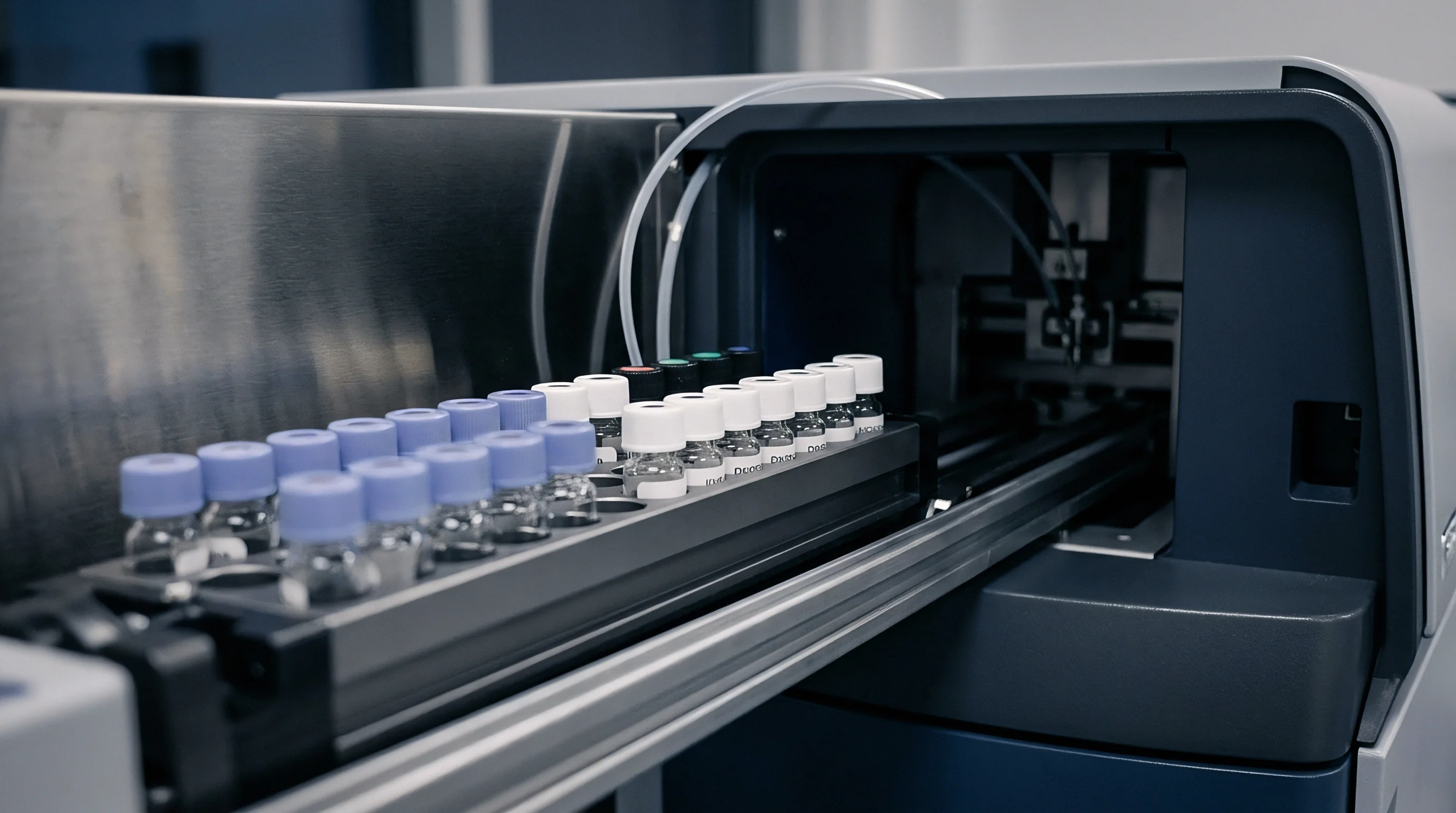
Systematic sampling prevents contaminated or non-compliant resin lots from entering manufacturing streams. Technicians capture 500-gram composite samples across top, middle, and bottom sections of bulk sea-bulk containers using purged pneumatic sampling tubes. Laboratories perform Fourier-transform infrared (FTIR) spectroscopy to confirm polymer identity and screen for functional groups associated with degradation or foreign additive packages.
Moisture content testing via Karl Fischer titration verifies levels remain below 0.02% by weight, preventing hydrolytic degradation during injection moulding or extrusion operations.
Site Level Audit Trails for Physical Pellet Verification
Factory-level traceability matches physical inventory movements directly to verified attribute ledgers. Plant management software logs incoming resin batches upon silo discharge, tracking material flow through automated convey systems to specific processing machines. Regular physical inventory reconciliations compare consumed polymer mass against generated finished product weight and scrap records, ensuring mass balance accounting numbers reflect actual production floor conversion figures.
Documentary audit trails must link container seal numbers directly to sustainability credit retirement receipts to survive regulatory compliance inspections.