Establishing Multi-Party Supply Chain Dispute Protocols for Transit Moisture Ingress in Granular Polymers
Multi-party moisture disputes depend on ISO 15512 Method C baseline sampling at loading and container dew point tracking before silo transfer.
Breach
Containerized ocean transport exposes bulk granular polymers to continuous relative humidity fluctuations, forcing moisture through micro-perforations in flexible intermediate bulk containers. Day-night temperature cycling ~ from solar heating on steel container roofs to nighttime marine cooling ~ causes sharp spikes in internal humidity. Relative humidity inside a sealed forty-foot dry container often hits the dew point, producing the condensation known in logistics as container rain.
As water drops fall onto palletized resin packaging, vapor pressure differentials push moisture through polyethylene film micro-pinholes, compromised heat seals, and unsealed valve sleeves.
Thermal Breathing Mechanics in Maritime Containers
Day-to-night temperature shifts inside closed ocean freight containers drive these humidity cycles. As a cooling container’s internal atmospheric pressure drops at night, saturated sea air is drawn through door gaskets. Come daytime, roof temperatures can reach sixty degrees Celsius, evaporating trapped bilge and pallet moisture and spiking internal vapor pressure.
Granular polymers in standard twenty-five kilogram paper-polyethylene valve bags absorb this ambient vapor over multi-week ocean voyages. While non-hygroscopic polyolefins retain the moisture purely on their surfaces, engineering thermoplastics pull water deep into their amorphous polymer matrix.
Container rain hits upper tiers hardest. Standard stretch-wrap around pallet loads cannot create a hermetic barrier against runoff, so dripping water collects on octabin caps or top bag tiers, pooling until gravity pulls it through seam gaps. Desiccant pouches inside shipping containers often saturate within seven to ten days of transit, leaving cargo exposed across subsequent legs and port storage delays.
Barrier Package Integrity and Desiccant Saturation
Multi-layer aluminum foil laminates maintain low water vapor transmission rates as long as heat seals hold. Specs requiring aluminum foil barriers that meet DIN 55531 or MIL-PRF-131K standards isolate hygroscopic resins like polyamide 66, polybutylene terephthalate, and polycarbonate from maritime vapor. However, pinholes destroy these vacuum seals; mechanical flexing during transit creates micro-fractures in foil thinner than twelve microns, giving moisture direct access through the barrier.
- Aluminum foil seal delamination occurs when inadequate heat-sealing temperature leaves unbonded channels along bag corners, permitting vapor intrusion during high-humidity transit legs.
- Desiccant packet overload occurs when container condensation exceeds the absorption capacity of calcium chloride pouches, releasing liquid brine back onto pallet bases.
- Valve sleeve migration allows ambient moisture to penetrate unsealed twenty-five kilogram bags when pneumatic loading vents fail to close completely.
- Container floor rot and condensation drip damages lower octabin tiers when wooden pallets absorb seawater runoff and release high humidity into sealed containers.
Octabin bulk containers constructed from corrugated heavy-duty fiberboard suffer structural degradation under high humidity. Moisture uptake weakens fiberboard compression strength, causing lower octabin sidewalls to bulge under structural stack loads. Bulging stretches interior polyethylene liners, thinning plastic walls and accelerating water vapor permeability.
Failing to specify DIN 55531 foil thickness tolerances above twelve microns allows moisture vapor transmission rates to triple under tropical container transit conditions.
Hydration
Moisture uptake in solid-state resin granules follows Fickian diffusion dynamics driven by ambient vapor pressure and polymer chain polar affinity, interacting differently depending on backbone chemistry. In polyolefins such as high-density polyethylene and polypropylene, water remains restricted to pellet surfaces due to non-polar hydrophobic chains. In condensation polymers containing amide, ester, or carbonate linkages, water molecules diffuse into interior amorphous regions, hydrogen-bonding to polar sites within the polymer structure and accelerating chain scission.
Hydrolytic Scission and Viscosity Degradation
Polyesters and polyamides undergo rapid depolymerization when melted with trapped water. Processing temperatures during extrusion or injection molding supply the activation energy needed to hydrolytically cleave polymer backbone esters and amides. Each cleaved chain lowers molecular weight, shifting the overall distribution and dropping melt viscosity, which causes melt flow rate to jump sharply.
Processing wet polyamide six-six at two hundred eighty degrees Celsius with a water content of zero point one5 weight percent reduces intrinsic viscosity by thirty to forty percent relative to dry baseline resin, degrading melt strength. Tensile strength, impact resistance, and elongation at break drop significantly in molded parts made from this degraded resin. As wet pellets bubble during extrusion, steam generated inside processing barrels produces surface splay, internal voids, and venting burn marks on finished components.
Analytical Method Selection for Water Determination
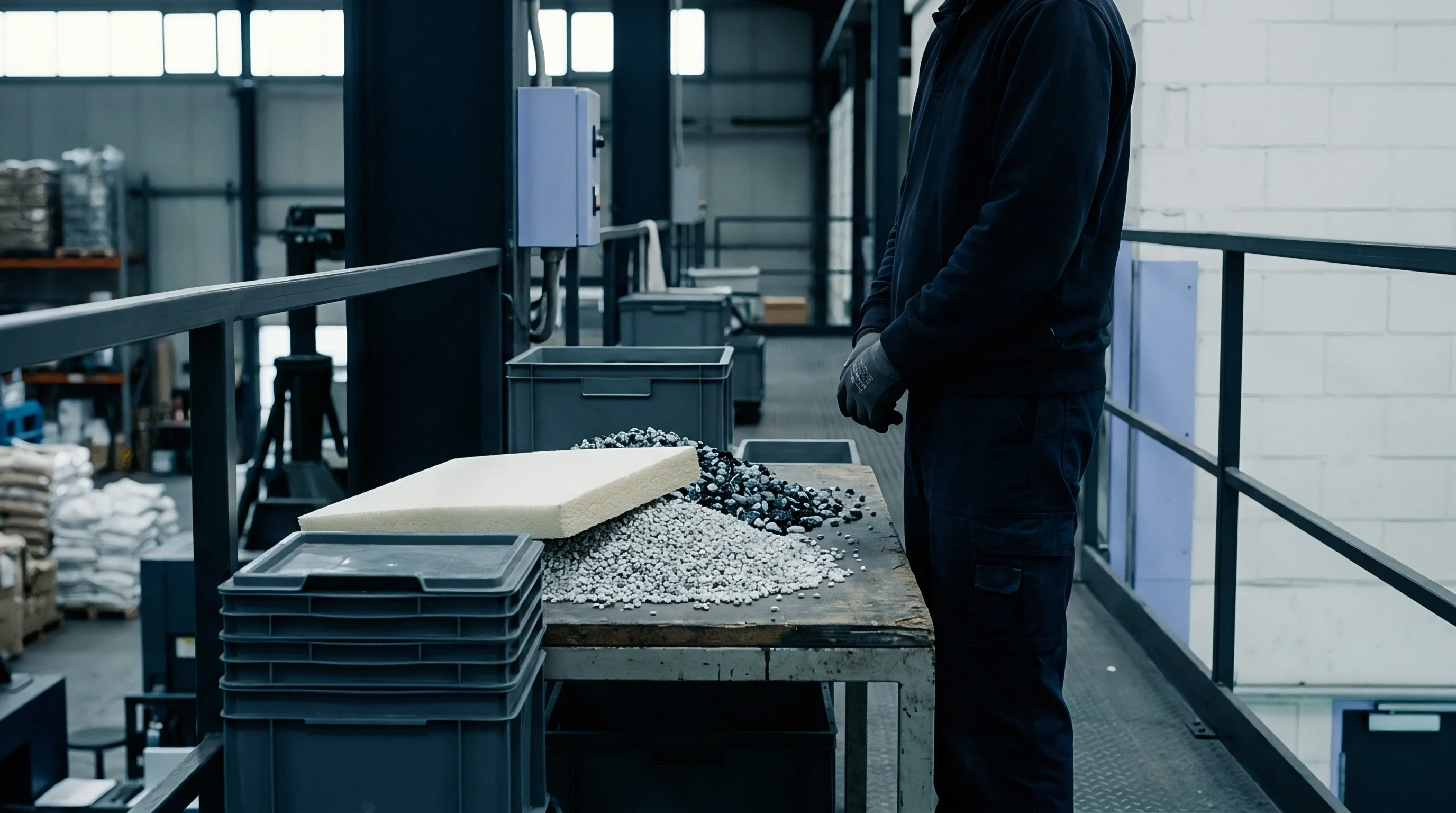
Selecting the right laboratory instrumentation determines whether measured water figures represent actual moisture. Loss-on-Drying methods using thermal balances per ASTM D6980 heat polymer samples to evaporate volatile substances, but thermal loss methods overestimate water content in compounded resins containing volatile additives, low-molecular-weight plasticizers, or flame retardants, where non-water volatiles register falsely as moisture loss.
Karl Fischer coulometric titration with a vaporization oven per ISO 15512 Method C isolates water content accurately. Sample pellets are heated inside a sealed glass tube under dry nitrogen carrier gas at temperatures between one hundred seventy and two hundred twenty degrees Celsius, depending on resin melting point. Evaporated moisture sweeps directly into an electrolytic cell, where Karl Fischer reagent oxidizes sulfur dioxide in the presence of water.
Electro-chemical measurement quantifies absolute water mass down to zero point zero zero one weight percent, providing clean test evidence for multi-party dispute resolution.
| Polymer Grade | Baseline Moisture Spec (wt%) | Hydrolytic Limit (wt%) | Standard Test Method | Degradation Mechanism |
|---|---|---|---|---|
| PA66 Unfilled Injection Grade | 0.020 | 0.030 | ISO 15512 Method C (200 °C) | Amide cleavage, MFR jump, impact loss |
| PET Bottle / Sheet Grade | 0.005 | 0.008 | ISO 15512 Method C (180 °C) | Ester hydrolysis, intrinsic viscosity collapse |
| Polycarbonate Optical Grade | 0.010 | 0.020 | ISO 15512 Method C (210 °C) | Carbonate link scission, splay, haze buildup |
| PBT 30% Glass Filled | 0.015 | 0.020 | ISO 15512 Method C (190 °C) | Fiber matrix debonding, tensile drop |
| HDPE Film Grade | 0.050 | 0.100 | ASTM D6980 Loss-on-Drying | Surface steam bubbles, die deposit accumulation |
Measuring water content via loss-on-drying instruments overstates actual moisture in flame-retarded compounds because volatilized additive fractions register as water weight loss.
Sampling
Validating moisture ingress across multi-modal transport chains relies on sealed retain specimens collected immediately at point-of-handover locations. Dispute resolution protocols fail when receiving facilities delay testing until pellets enter storage silos, where ambient atmosphere inside bulk hoppers rapidly alters surface moisture levels and destroys physical evidence of transit ingress. Establishing clear sample extraction procedures according to ISO 582 or ASTM D1898 ensures test data reflects true delivered cargo conditions.
Core Extraction and Hermetic Sealing Protocols
Obtaining representational material from octabins or bulk sea containers requires specialized stainless steel double-tube thief probes. Surface sampling yields inaccurate water figures because moisture concentrates along outer package boundaries and top container tiers. Inserting a concentric double-tube probe diagonally across octabin depths captures pellets from upper, middle, and lower packaging strata simultaneously.
- Inspect container door seals and record security seal serial numbers before opening container doors at the receiving terminal dock.
- Take relative humidity and air temperature readings inside the container atmosphere before removing any pallet wrap or barrier packaging.
- Extract three distinct pellet specimens from top, middle, and bottom depths of target octabins using a double-tube stainless steel thief probe.
- Transfer extracted granules into laminated aluminum foil pouches within five minutes of sampling, purging headspace with dry nitrogen before heat sealing.
- Log specimen serial numbers onto the joint inspection certificate alongside marine surveyor signature, forwarder counter-signature, and receiver seal codes.
Atmospheric exposure during sampling compromises analytical accuracy. Granular polyamide six samples exposed to fifty percent relative humidity at twenty-three degrees Celsius absorb zero point zero one weight percent water within six minutes of ambient exposure. Technicians must place extracted pellets immediately into flexible aluminum laminate pouches, purge container headspace with dry nitrogen gas, and apply a hermetic thermal impulse seal.
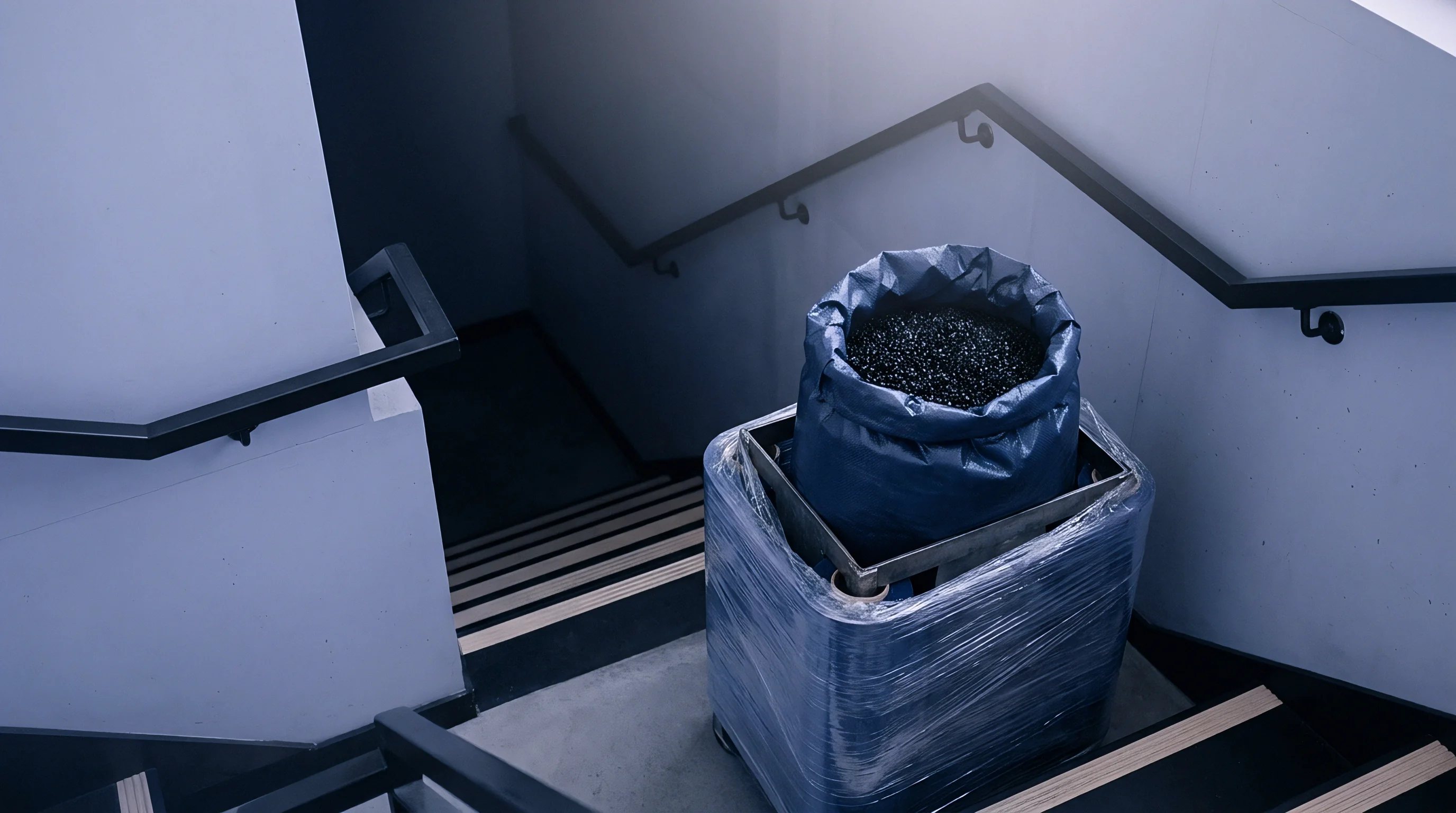
Retain bags carry tamper-evident security tape showing lot numbers, container identification, and extraction timestamps.
Karl Fischer titration per ISO 15512 Method C at two hundred degrees Celsius yields an analytical precision of plus-minus zero point zero zero two percentage points moisture content when executed on nitrogen-purged retain specimens within two hours of unsealing.

Whose Responsibility Is Maritime Dock Inspection?
The marine surveyor standardizes container inspection at port entry gates before freight forwarders release cargo to domestic drayage operators, as seal records establish legal timing. When container seals remain intact at receiving docks, physical package damage or condensation accumulation inside the container establishes marine carrier liability under ocean cargo carriage contracts.
Joint inspection teams comprising representatives from the receiving plant, logistics provider, and independent marine surveyor prevent unilateral evidence rejection. Opening sealed barrier bags without third-party witness documentation routinely invalidates subsequent moisture claims. To settle commercial claims, receiving plants retain three sealed foil specimens per lot: one for incoming laboratory testing, one held for supplier verification, and one reserved for binding third-party arbitration analysis.
Inserting standard claim-window language into bill of lading terms shortens the notice period for moisture claims from thirty days to seventy-two hours following sea-container seal verification.

Apportionment
Assigning financial liability among resin suppliers, ocean carriers, and packaging vendors relies on isolating the transport leg where barrier containment failed. Multi-party supply contracts delineate transfer of risk using International Commercial Terms (Incoterms 2020). Under Delivered Duty Paid (DDP) terms, the supplier retains risk until cargo arrives at the buyer warehouse door; under Free on Board (FOB) terms, risk transfers to the buyer once container cranes lift cargo over the vessel rail at loading ports.

Incoterms and Risk Transfer Benchmarks
Commercial shipping agreements and freight contracts establish the exact physical point where legal risk transitions from seller to buyer. When moisture ingress occurs during ocean transit under FOB terms, the buyer pursues compensation from ocean carriers or marine cargo insurers rather than the resin manufacturer. Freight forwarders assume liability only when documented dock storage delays exceed agreed transit schedules, exposing cargo to extended environmental weathering in port yards.
Proving pre-shipment drying failures requires analyzing baseline Certificates of Analysis (CoA) issued at supplier compounding lines. If supplier CoA documents show resin loaded at zero point zero four weight percent moisture for a grade specifying a zero point zero two weight percent limit, compounder liability is absolute. Conversely, dry CoA records backed by sealed plant retain samples shift investigation toward transit packaging damage and container environment history.
Worked Allocation Arithmetic for Degraded Polyamide Lots
Consider a forty-tonne shipment of unfilled polyamide six-six arriving at a port destination with elevated moisture levels. Specification targets maximum moisture at zero point zero two weight percent. Incoming Karl Fischer testing reveals an average moisture content of zero point one four weight percent across thirty percent of octabins located under container roofs.
Processing resin at this moisture level causes hydrolytic scission, dropping intrinsic viscosity from one point four five to one point zero two deciliters per gram and reducing part tensile strength from eighty-five megapascals to sixty-one megapascals.
Remediation requires forced dehumidifying drying ~ which consumes significant electrical power ~ along with labor allocation and laboratory verification. Calculate total remediation expenditure across the forty-tonne lot using operational cost parameters:
| Cost Parameter | Unit Rate Metric | Quantity Applied | Total Financial Impact (€) | Responsible Entity |
|---|---|---|---|---|
| Dehumidifying Drying Energy | €0.18 per kg resin | 40,000 kg | 7,200.00 | Packaging Vendor / Carrier |
| Nitrogen Hopper Purge Gas | €35.00 per cylinder | 40 cylinders | 1,400.00 | Packaging Vendor / Carrier |
| Pellet Fines / Dust Scrap Loss | €3.40 per kg resin | 320 kg (0.8% fines) | 1,088.00 | Packaging Vendor |
| Independent Lab Arbitration | €450.00 per sample | 4 samples | 1,800.00 | Losing Party in Arbitration |
| Demurrage & Container Storage | €150.00 per container/day | 4 storage days | 600.00 | Freight Forwarder |
Total remediation expenditure equals twelve thousand eight hundred eighty-eight Euros. Laboratory packaging audits reveal micro-pinholes along heat-seal seams caused by defective impulse sealer jaw alignment during packaging manufacture. Liability apportionment assigns sixty percent of direct costs to the packaging vendor due to defective heat seals, thirty percent to the ocean carrier for unventilated container stowage, and ten percent to the freight forwarder for port terminal storage delays under high humidity.
Delays in un-bagging containerized loads on humid receiving docks shift legal moisture liability from carrier insurance to buyer warehouse operations.
Misidentifying ocean transit dew-point condensation as compounder pre-shipment drying failure forfeits carrier insurance recovery while burdening receiving plants with uncompensated re-drying energy costs.
Drying
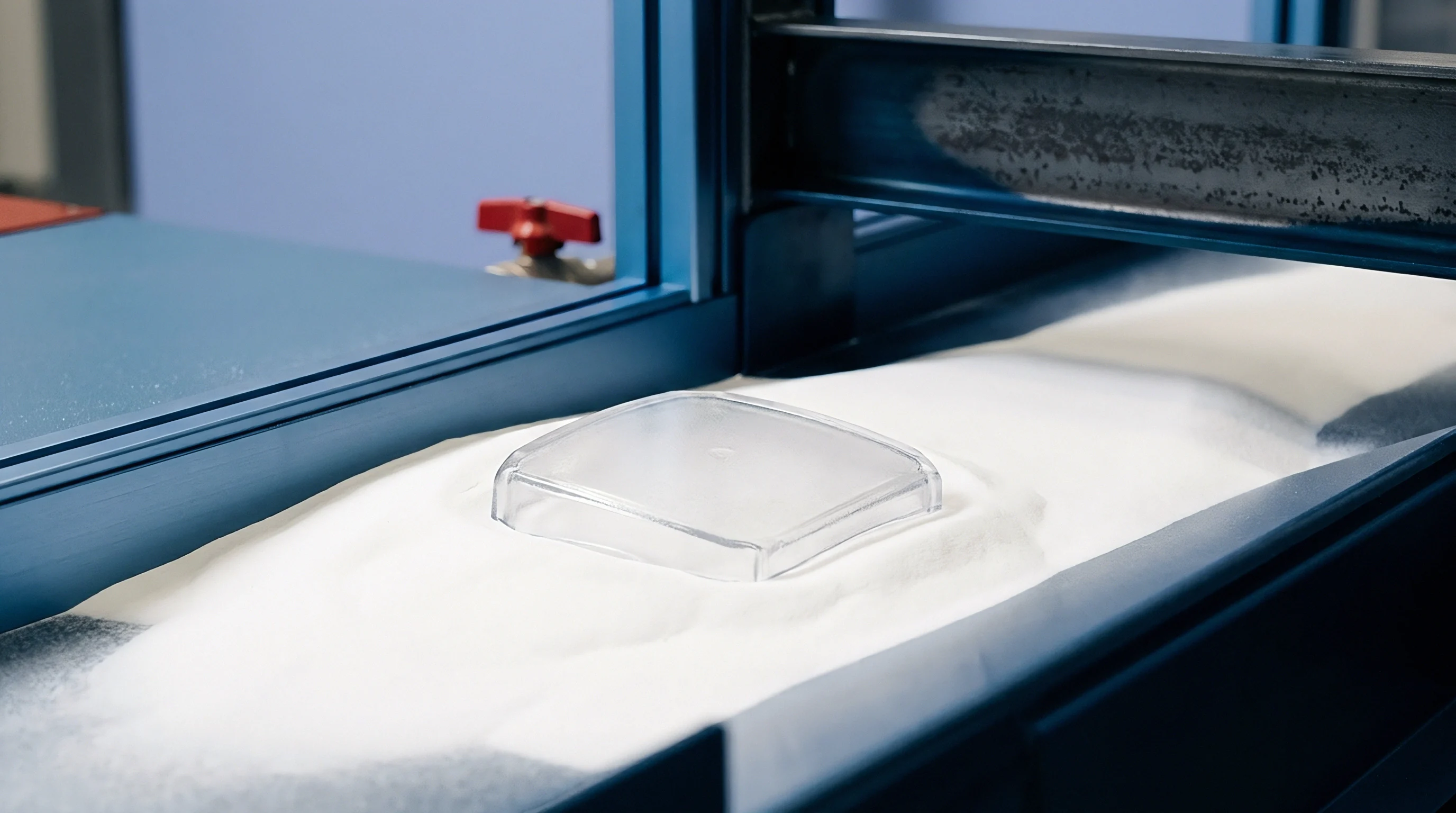
Dehumidifying wet polymer pellets requires balancing vapor pressure differentials against the thermal budget of the polymer matrix. Remediation by forced desiccation removes surface and absorbed moisture before melt processing; dry air circulating through desiccant beds absorbs vapor released from heated granules, restoring water content below critical hydrolytic processing thresholds.
Dehumidification Kinematics and Dew Point Dynamics
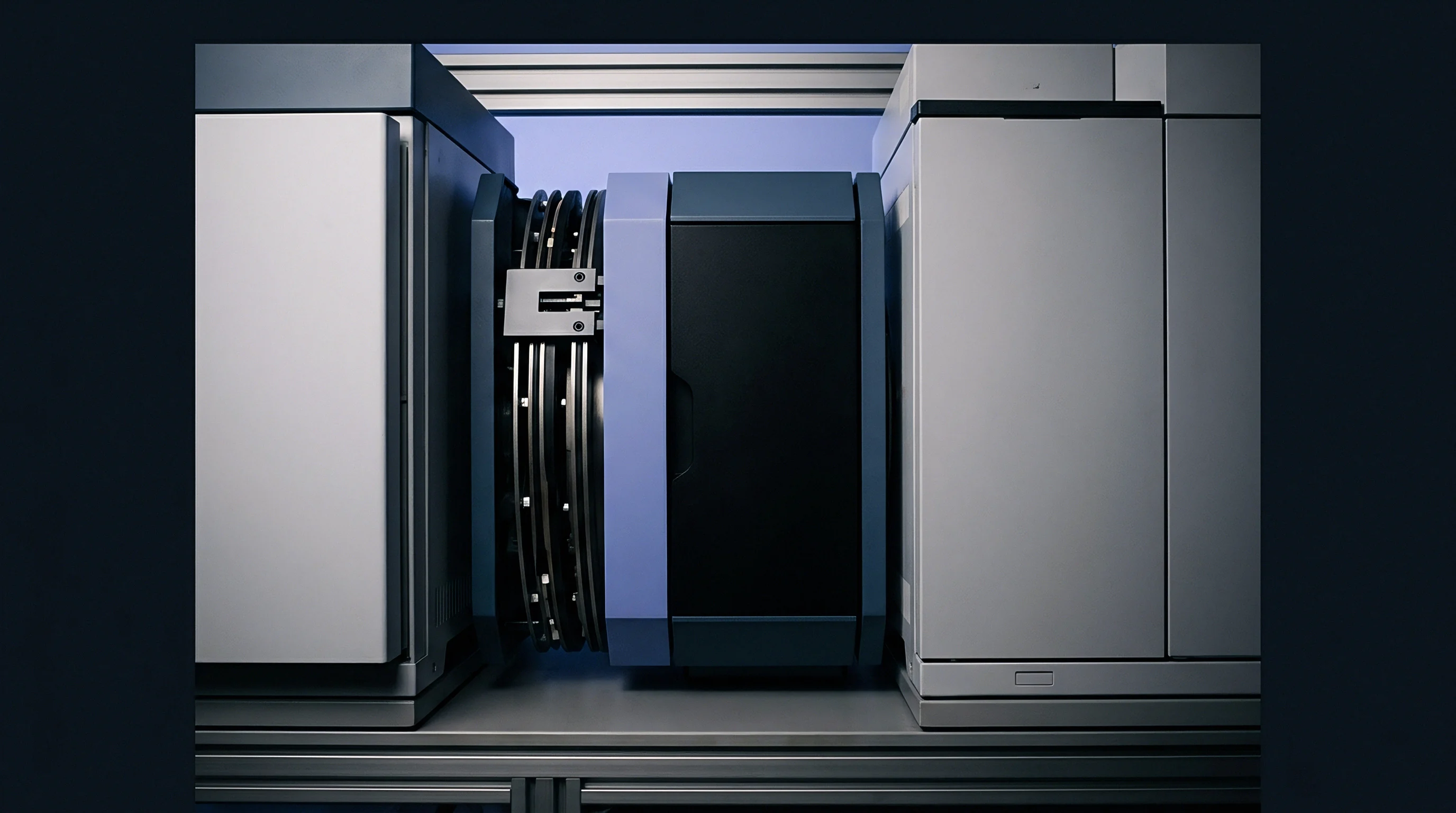
Desiccant wheel hoppers strip internal pellet moisture by circulating air conditioned to low relative humidity. Effective drying of hygroscopic engineering resins demands process air dew points maintained strictly at minus forty degrees Celsius or lower, as heat expands polymer free volume and accelerates water diffusion from internal pellet cores outward to granule surfaces.
Drying parameters change by polymer chemistry. Polyamide six-six requires drying temperatures between eighty and ninety degrees Celsius for four to six hours to reduce water content from zero point one5 to zero point zero two weight percent. Polyethylene terephthalate demands higher thermal input, reaching one hundred sixty to one hundred eighty degrees Celsius for four hours under a minus forty degree dew point air stream to protect part mechanical performance.
Thermal History Accumulation and Additive Depletion
Subjecting hygroscopic polymers to extended heat residence drives out moisture while threatening polymer stabilizer packages, as heat oxidizes vulnerable chains. Extended drying cycles consume primary hindered phenolic antioxidants such as Irganox 1010 and secondary phosphite processing stabilizers such as Irgafos 168. Oxidative Induction Time (OIT) testing per ISO 11357-6 quantifies remaining active antioxidant content following post-transit desiccation treatments.
- Dew point verifications validate that dry air entering dehumidifying hoppers maintains a constant temperature below minus forty degrees Celsius throughout recovery cycles.
- Oxidative induction time testing confirms that extended heat residence has not consumed primary phenolic antioxidants necessary for downstream injection molding processing.
- Color index measurement checks for polymer yellowing or thermal discoloration against fresh retain specimens using standard spectrophotometric color scales.
- Fines screening analysis quantifies pellet attrition and dust generation caused by thermal embrittlement during aggressive vacuum desiccation steps.
Aggressive re-drying risks solid-state pellet sintering. When drying temperatures approach polymer softening points, amorphous resin regions stick together, forming clumped agglomerates that block hopper throat feeders. Thermal exposure during re-drying also drives yellowing, measured via Yellowness Index (YI) per ASTM E313.
If re-drying consumes over fifty percent of baseline antioxidant capacity, the resulting resin exhibits degraded long-term thermal stability during finished product service life.
How compounders can reliably differentiate between hydrolytic chain cleavage incurred during ocean transit and molecular degradation caused by aggressive post-arrival desiccation remains an unresolved analytical challenge in multi-party claims.
Remedies
Resolving transit moisture claims requires pre-established commercial procedures that dictate lot disposition, testing costs, and credit allocations. Master Supply Agreements (MSAs) incorporating precise dispute framework clauses prevent operational delays when moisture ingress occurs. Standardizing notice periods, sampling rules, and accredited laboratory binding options creates a structured legal path for commercial recovery.
Arbitration Clauses and Independent Laboratory Binding
Master sales contracts specify designated third-party testing facilities whose analytical results bind all commercial parties. ISO/IEC 17025 accredited polymer laboratories perform referee testing when incoming buyer inspections contradict supplier Certificates of Analysis.
Arbitration terms dictate fee allocation based on analytical outcome. If third-party Karl Fischer testing confirms water content exceeding contract specification limits, the resin supplier or responsible carrier pays all laboratory testing costs, container storage fees, and sampling charges. If referee analysis shows resin moisture within specification boundaries, the buyer absorbs testing fees and accepts the shipment without commercial discount.
Commercial Lot Disposition Options and Credit Notes
When incoming raw materials fall outside acceptable moisture boundaries, buyers select from defined operational paths. Severely degraded resin undergoing hydrolytic scission cannot serve in structural molding applications. Buyer procurement teams execute one of three standardized settlement mechanisms:
First, complete shipment rejection forces the supplier to replace wet lots within agreed lead times while absorbing return freight and disposal expenses. Second, conditional lot acceptance allows receiving plants to re-dry resin using supplier-funded utility allowances, provided thermal history accumulation does not compromise end-use mechanical specifications. Third, material downgrade protocols reclassify degraded engineering resins for non-critical applications, applying commercial credit notes reflecting market price spreads between prime and off-spec wide-specification grades.
Independent laboratory verification of moisture content under ISO 15512 Method C eliminates subjective baseline disputes between resin brokers and freight forwarders.
Standardized contract terms that mandate joint dock sampling, clear Karl Fischer testing standards, and pre-agreed re-drying cost schedules provide the legal infrastructure necessary to resolve multi-party moisture ingress disputes before cargo rejection halts molding plant production schedules.