Bulk Packaging Verification Protocols against Pre Production Test Certificates
Verify bulk plastic packaging against pre-production certificates using lot-specific AQL dock sampling, ATR-FTIR screening, and full DoC dossier traceability.


Divergence
A pre-production test certificate records how a hand-picked, low-volume specimen performed under idealized laboratory conditions. When a converter moves that exact formulation from a single-cavity prototype mold to an automated multi-cavity tool running thirty units per minute, the physical and chemical baseline shifts. Factory scale-up brings variable residence times, higher shear stress, inconsistent melt temperatures, and localized thermal degradation that never happen on a pilot line.
Sourcing managers who accept a pre-production certificate as proof of bulk compliance assume scale preserves resin purity. That assumption breaks down at the loading dock when commercial containers show unexpected additive migration, altered mechanical performance, or unannounced resin substitutions.
A test certificate for a pre-production sample proves only that the laboratory tested that prototype correctly. It gives no guarantee that a subsequent fifty-ton production run will match the chemical or physical profile of the tested piece. In commercial plastic packaging, discrepancies between pre-production paperwork and bulk deliveries stem from four main causes: raw material batch drift, processing thermal history, masterbatch dilution errors, and the unrecorded introduction of regrind resin.
Because high-speed lines alter thermal histories, catching these shifts takes active verification protocols that evaluate production lots against initial baselines before goods leave the factory floor.

Pre Production Test Certificates as Snapshot Claims
A qualification certificate records analytical data from an isolated moment in a product’s lifecycle. Laboratory-scale molders run clean polymer. When a resin supplier or custom molder submits a prototype container for migration testing under Regulation EU 10/2011 or US FDA 21 CFR 177.1520, the test article is produced under tight process controls.
Barrel temperature profiles are optimized, screw speeds remain low to minimize viscous shear heating, and the raw polymer consists of virgin resin drawn directly from an unopened octabin. The resulting test report reflects an ideal scenario ~ the upper boundary of packaging quality rather than an average bulk production unit.
Bulk production demands rapid cycle times and maximum machine utilization. To hit unit-cost targets, processors increase screw rotation speeds, shorten cooling cycles, and operate multi-cavity hot runner molds where melt temperature variations across cavities reach up to fifteen degrees Celsius. These process adjustments alter the crystalline structure of semi-crystalline polymers like polypropylene and high-density polyethylene.
Higher shear rates break down high-molecular-weight polymer chains, generating low-molecular-weight oligomers that migrate far more rapidly into liquid contact media. Laboratory qualification reports omit these operational adjustments because the production tooling did not exist when the sample was tested.
Pre-production laboratory test specimens molded on pilot equipment experience different shear stress profiles than commercial production containers.
Verification protocols must account for the reality that a pre-production certificate covers a design formulation rather than a physical supply stream. Auditing pre-production laboratory paperwork against incoming container shipping manifests catches lot discrepancies early. When the document chain shows that test samples were produced six months prior on a single-cavity machine using resin lot A, while the shipping manifest identifies bulk goods manufactured from resin lot F on a seventy-two-cavity press, the original test report becomes an analytical reference rather than a legal release document.
The pre-production certificate establishes what the material can achieve, while bulk verification establishes what the production lot actually delivers.

Thermal History and Molecular Drift in Scaled Processing
Thermal degradation during commercial extrusion alters the polymer matrix at a molecular level. When polyolefins spend extended residence times in an extruder barrel at temperatures above two hundred and twenty degrees Celsius, thermal-oxidative degradation cuts the main polymer chains and cross-links adjacent fragments. Chain scission lowers the average molecular weight, increasing the melt flow index and producing volatile cleavage products.
These small molecules include aldehyde species, unsaturated ketones, and branched hydrocarbons that alter the taste and odor profile of packaged contents while elevating overall migration values beyond statutory limits.
Primary antioxidants such as hindered phenols and secondary antioxidants such as phosphites are added to resins to prevent this degradation. In a pre-production run, these additives remain largely unconsumed because the processing conditions are mild. In full-scale bulk production, severe thermal exposure consumes these stabilizing chemicals much faster.
The antioxidant levels in the finished bulk package drop below the concentrations present in the original test sample, leaving the package vulnerable to premature embrittlement and increased additive migration during storage.
The table below summarizes the operational drift observed when transferring polypropylene packaging formulations from prototype test lines to high-speed commercial production runs.
| Parameter | Pre-Production Prototype | Commercial Bulk Production | Analytical Impact |
|---|---|---|---|
| Screw Rotation Speed | 40 RPM | 180 RPM | Increased shear rate elevates polymer melt temperature by 18°C. |
| Barrel Residence Time | 1.8 Minutes | 4.5 Minutes | Thermal degradation increases low molecular weight oligomer fraction by 24%. |
| Primary Antioxidant Residual | 92% of Initial Charge | 58% of Initial Charge | Accelerated depletion reduces long-term oxidative thermal stability. |
| Overall Migration (Simulant A) | 2.1 mg/dm² | 7.8 mg/dm² | Migration value approaches statutory EU limit of 10 mg/dm². |
| Regrind Content | 0% Virgin Only | 15% Internal Scraps | Introduces degraded polymers and unknown thermal history cycles. |
Converters frequently adjust additive dosing to compensate for processing defects on commercial lines. If a multi-cavity mold exhibits part ejection issues at high speed, technicians increase the concentration of slip additives like erucamide or oleamide. While erucamide reduces the coefficient of friction to facilitate rapid ejection, it blooms to the surface of the container over seventy-two hours.
An over-dosed slip agent increases specific migration into fatty food simulants, causing a bulk shipment to fail regulatory thresholds even though the pre-production test certificate reported slip additive levels well within safe boundaries.
Even when a pre-production test sample uses identical raw materials and processing temperatures, that alone does not make secondary analytical screening unnecessary if a commercial lot fails migration testing.


Resin
Base polymer integrity governs the physical and chemical safety of bulk packaging. Suppliers produce resin in discrete batches called lots, ranging from twenty to two hundred metric tons. While virgin resin lots comply with published technical datasheets, subtle lot-to-lot variations in catalytic residuals, molecular weight distribution, and comonomer distribution alter chemical migration dynamics.
A pre-production test certificate cleared on resin lot X does not cover packaging produced from resin lot Y, even when both lots carry the same trade name from the same petrochemical manufacturer.
Commercial packaging lines consume huge quantities of material, often forcing molders to blend raw material lots or source secondary resin supplies mid-run. Masterbatch additives, colorants, and processing aids are blended at the molding machine throat. A two percent volumetric dosing error on a black or white color concentrate shifts the specific migration profile of heavy metals, phthalate plasticizers, or polycyclic aromatic hydrocarbons.
Bulk verification protocols must test the incoming resin and colorant blend continuously rather than relying on historical polymer vendor data.

Additive Degradation and Volatile Byproduct Generation
Antioxidants, light stabilizers, nucleating agents, and antistatic additives undergo chemical transformations under thermal stress. Irganox 1010 and Irgafos 168 are standard antioxidant packages used in food-grade polyolefins. During high-temperature processing, Irgafos 168 oxidizes to its phosphate form, tris(2,4-di-tert-butylphenyl)phosphate, and can further hydrolyze into 2,4-di-tert-butylphenol.
This hydrolysis product possesses a low odor threshold and high migration potential. A pre-production test carried out under mild processing conditions may show minimal Irgafos 168 oxidation, whereas a bulk production run operating near thermal limits generates significant concentrations of 2,4-di-tert-butylphenol.
Colorants and pigments present another chemical divergence vector. Phthalocyanine blue and green pigments contain bound copper and organic ring systems that can break down under severe shear conditions, releasing trace aromatic amines or free copper ions. In pre-production testing, short heating cycles keep these pigments stable.
In commercial runs, hot-runner stagnation zones hold molten pigmented polymer for extended periods, accelerating thermal breakdown. Specific migration verification for primary aromatic amines must be conducted on finished production items, as raw pigment certificates cannot predict thermal degradation within specific mold hot-runner systems.
- Virgin Resin Lot Drift Chemical variation between synthesis batches alters melt viscosity, oligomer generation rates, and specific migration limits across long production runs.
- Masterbatch Dosing Variance Volumetric feeder errors at the machine throat alter pigment and additive concentration, invalidating pre-production migration dossiers.
- Thermal Degradation Byproducts Breakdowns of primary and secondary antioxidants generate volatile compounds like 2,4-di-tert-butylphenol that alter taste, odor, and migration profiles.
- Internal Regrind Contamination Re-introducing sprues and runner systems exposes polymer matrices to repeated heat cycles, accelerating chain scission and low-molecular-weight generation.
Scale shifts processing window dynamics. When verifying bulk packaging against pre-production reports, analysts must evaluate the total additive package, including processing aids like fluoroelastomers used to eliminate melt fracture in film blowing. These fluoroelastomers contain per- and polyfluoroalkyl substances (PFAS) or short-chain fluorinated compounds subject to strict environmental limits under REACH Annex XVII and state-level US regulations.
A pre-production test certificate issued two years ago may not screen for newly restricted fluorinated processing aids present in current commercial resin formulations.

Regrind Ratios and Polymer Chain Scission
Economic realities drive packaging converters to recycle internal scrap back into the production stream. Sprues, edge trims, and rejected containers are ground into flakes and blended with virgin resin pellets at ratios ranging from five to thirty percent. While clean internal regrind is permitted under many packaging frameworks, every heat history cycle degrades the polymer chains.
Polymer chains subjected to multiple extrusion passes show shortened chain lengths, higher polydispersity indices, and lower oxidation induction times.
The introduction of regrind directly impacts migration behavior. Shortened polymer chains move through the matrix with higher diffusion coefficients than long-chain polymers. A container molded with twenty percent regrind exhibits higher overall migration rates than an identical container molded from virgin resin.
Pre-production samples rarely contain regrind because prototype molds generate minimal scrap and are tested using virgin material to ensure clean pass results. Sourcing specifications must establish an explicit ceiling on regrind percentages and mandate re-verification testing whenever regrind ratios increase.
Masterbatch carrier resin melting points must match or sit below the base polymer melting point to prevent un-melted gel pockets that trap volatile additives.
A three percent shift in overall migration occurs when the cooling cycle drops by six seconds during high-speed blow molding. This reduction in cooling time decreases the overall crystallinity of the polyethylene container walls from fifty-eight percent to fifty-one percent. Lower crystallinity creates larger amorphous regions within the polymer matrix, allowing migratory molecules like slip agents and antioxidant degradation products to diffuse into the contents at higher speeds.
Commercial molders alter cooling cycles to boost machine yield, unaware that changing polymer morphology invalidates pre-production migration test reports.
How can a quality manager verify whether a delivered lot of packaging containers contains unrecorded post-industrial regrind without running expensive gel permeation chromatography on every shipment?


Boundary
Verification protocols operate along precise chemical and physical boundaries. Migration tests do not measure total chemical content. They measure the quantity of chemical species that transfer from the packaging material into a liquid or solid food simulant under standardized conditions of time, temperature, and contact area.
A pre-production test certificate provides valid compliance data only when the testing boundaries match the actual end-use conditions of the bulk commercial packaging.
Testing parameters are established by regulatory frameworks including EN 1186 for overall migration and EN 13130 for specific migration. The choice of simulant, exposure duration, and thermal regime sets the boundary for analytical validity. A pre-production test certificate that demonstrates compliance using ten percent ethanol for two hours at seventy degrees Celsius cannot justify using that package for long-term ambient storage of fatty foods.
Sourcing practices must systematically audit pre-production test conditions against real-world filling, retort, and storage conditions.

Simulant Selection and Worst Case Temperature Profiles
European Regulation EU 10/2011 defines standardized food simulants that model specific extractive capabilities. Simulant A (10% ethanol) models aqueous foods; Simulant B (3% acetic acid) models acidic foods; Simulant C (20% ethanol) models alcoholic foods; Simulant D1 (50% ethanol) models dairy products and oil-in-water emulsions; Simulant D2 (vegetable oil) models fatty foods; and Simulant E (Tenax, poly(2,6-diphenyl-p-phenylene oxide)) models dry foods. Pre-production testing frequently utilizes Simulant A or B because water-based simulants are easier and cheaper to process in an analytical laboratory than vegetable oil or Tenax.
Selecting an easier simulant invalidates the certificate for broader commercial use. Vegetable oil (Simulant D2) extracts hydrophobic additives like organophosphites, slip agents, and low-molecular-weight polyolefins at rates orders of magnitude higher than ten percent ethanol. When a pre-production test certificate reports compliance based solely on Simulants A and B, a buyer placing fatty food products into those bulk containers faces regulatory non-compliance.
Verification protocols must check that pre-production testing evaluated the exact simulant matching the finished product’s physical property profile.
The analytical matrix below details standard verification screening conditions across various food simulants, specifying target analytes, test durations, exposure temperatures, and minimum detection limits required for bulk lot validation.
| Food Simulant | Target Analytes | Exposure Conditions | Analytical Method | Detection Limit | Regulatory Boundary |
|---|---|---|---|---|---|
| Simulant A (10% Ethanol) | Overall Migration, Heavy Metals | 10 Days at 40°C | Gravimetric, ICP-MS | 1.0 mg/dm² | 10 mg/dm² (EU 10/2011) |
| Simulant B (3% Acetic Acid) | Metal Ions (Ba, Co, Cu, Fe, Li, Mn, Ni, Zn) | 10 Days at 60°C | ICP-OES / ICP-MS | 0.01 mg/kg | Specific Limits per Metal |
| Simulant D2 (Vegetable Oil) | Overall Migration, Slip Agents, Phthalates | 10 Days at 40°C | Gravimetric, GC-MS | 2.0 mg/dm² | 10 mg/dm² (EU 10/2011) |
| Simulant E (Tenax) | Non-Intentionally Added Substances (NIAS) | 10 Days at 60°C | TD-GC-MS, LC-QTOF-MS | 0.01 mg/kg | 10 ppb threshold for unassessed species |
| Iso-octane (Substitute) | Polyolefin Oligomeric Saturated Hydrocarbons (POSH) | 2 Days at 20°C | Online HPLC-GC-FID | 0.5 mg/kg | Screening Limit |
Thermal test conditions must reflect worst-case processing and storage scenarios. Test condition OM2 (10 days at 40°C) covers long-term storage at ambient temperature. Test condition OM3 (2 hours at 70°C) covers hot-filling or heating up to 70°C for up to 15 minutes.
If a bulk packaging line runs a hot-fill beverage process at eighty-five degrees Celsius, a pre-production certificate tested under OM2 or OM3 is legally invalid. Testing must execute under OM5 (2 hours at 100°C) or OM6 (4 hours at 100°C). Sourcing protocols must verify that thermal test parameters match real-world process boundaries.

Why Do Interlaboratory Migration Results Drift between Facilities?
When a bulk packaging lot is re-tested upon delivery, laboratory results frequently differ from the values recorded on the pre-production test certificate. Interlaboratory drift occurs because migration testing involves delicate physical operations: sample cutting, surface area measurement, simulant volume dosing, extraction cell sealing, evaporation handling, and gravimetric weighing. Small procedural variations between laboratories compound into measurable discrepancies, particularly when evaluating overall migration where mass changes are measured in tenths of a milligram.
Surface-area-to-volume ratio calculations represent a primary source of analytical disagreement. Regulation EU 10/2011 sets a standard conventional surface-area-to-volume ratio of six square decimeters per kilogram of food. However, when testing actual containers, the laboratory measures the physical contact area of the container and divides it by the volume of simulant held within the part.
If Laboratory A measures total inner surface area including corners and ribs, while Laboratory B calculates surface area using simplified nominal container dimensions, the calculated migration per square decimeter varies by fifteen to twenty-five percent. Standardizing surface measurement methodologies is necessary to align verification results across testing sites.
- Cut representative specimens from three distinct locations along the sidewalls and base of the production packaging unit to capture wall thickness and orientation variations.
- Measure specimen dimensions using calibrated digital calipers, calculating total surface area contacting the simulant to an accuracy of plus or minus zero point zero one square decimeters.
- Immerse the specimens in double-distilled food simulant using total immersion extraction cells, maintaining a surface-area-to-volume ratio of exactly two square decimeters per hundred milliliters of liquid.
- Seal the extraction cells and place them in a calibrated climate chamber set to the target temperature profile for the specified exposure duration.
- Extract the simulant liquid post-exposure, evaporate the solvent in pre-weighed platinum dishes under controlled vacuum, and dry the residue at one hundred and five degrees Celsius until reaching constant mass.
- Weigh the dry residue on an analytical microbalance with zero point zero one milligram precision, subtracting blank simulant controls to yield net migration per surface area unit.
Analytical detection limits also introduce artificial variance into verification assessments. When a pre-production test certificate states “Not Detected” for a target chemical, that statement is meaningful only when accompanied by the laboratory’s limit of detection (LOD) and limit of quantitation (LOQ). If the pre-production laboratory tested for primary aromatic amines using a gas chromatography system with a high LOD of zero point zero five milligrams per kilogram, they will report a pass.
If the buyer’s verification laboratory re-tests the bulk lot using liquid chromatography-tandem mass spectrometry (LC-MS/MS) with an LOD of zero point zero zero two milligrams per kilogram, the analysis may reveal presence above the regulatory limit. Absence claims remain empty without explicit LOQ metrics.
Overall migration across high-density polyethylene drums exceeds five milligrams per square decimeter when ethanol contact temperature reaches sixty degrees Celsius for ten days.
Because surface contact duration dictates diffusion rates, a standard rule of thumb indicates that doubling the contact temperature accelerates additive diffusion by a factor of four for most semi-crystalline polyolefins.


Dock
The physical receiving dock represents the critical junction where legal control and commercial risk shift from supplier to buyer. Sourcing teams cannot send every container from every sea freight shipment to an accredited analytical laboratory for complete migration and structural testing. Testing every unit would destroy the commercial value of the cargo and paralyze inventory velocity.
Sourcing practices must deploy structured acceptance sampling protocols that isolate high-risk lots at the receiving bay while passing low-risk consignments into active production inventory.
Acceptance sampling protocols rely on ISO 2859-1 (ANSI/ASQ Z1.4) standards for attribute sampling and ISO 3951-1 for variables sampling. These standards establish statistical frameworks for choosing sample sizes based on total shipment volume and defining Acceptable Quality Limit (AQL) thresholds. Applying an AQL protocol converts an overwhelming shipment of ten thousand food-grade pails into a statistically valid sample plan of two hundred units, allowing quality technicians to execute rapid visual, physical, and spectroscopic checks on arrival.

Acceptance Sampling Limits for High Volume Container Deliveries
AQL sampling plans categorize defects into critical, major, and minor non-conformances. In bulk primary food packaging, a critical non-conformance includes conditions that breach food safety laws or introduce hazardous chemical residues, such as heavy metal contamination or unapproved polymer grades. A major defect affects functional performance, such as wall thickness variations or seal surface warpage that compromises hermetic closures.
Minor defects include cosmetic surface scuffs that do not affect safety or structural integrity.
The statistical table below shows standard ISO 2859-1 single sampling plans under Normal Inspection Level II, detailing sample sizes and acceptance/rejection thresholds across typical bulk packaging lot deliveries.
| Lot Size (Units) | Sample Code Letter | Sample Size (Units) | Critical Defects (AQL 0.01) Accept / Reject | Major Defects (AQL 0.65) Accept / Reject | Minor Defects (AQL 4.0) Accept / Reject |
|---|---|---|---|---|---|
| 501 to 1,200 | J | 80 | 0 / 1 | 1 / 2 | 7 / 8 |
| 1,201 to 3,200 | K | 125 | 0 / 1 | 2 / 3 | 10 / 11 |
| 3,201 to 10,000 | L | 200 | 0 / 1 | 3 / 4 | 14 / 15 |
| 10,001 to 35,000 | M | 315 | 0 / 1 | 5 / 6 | 21 / 22 |
| 35,001 to 150,000 | N | 500 | 0 / 1 | 7 / 8 | 21 / 22 |
If an incoming shipment of twenty thousand polypropylene tubs (Code Letter M) yields a single sample exhibiting chemical contamination or raw material substitution (Critical Defect), the entire consignment of twenty thousand units is formally rejected. The buyer halts intake and quarantines the lot. Acceptance sampling ensures that statistical confidence backstops incoming dock inspections, preventing defective materials from entering the manufacturing supply chain.
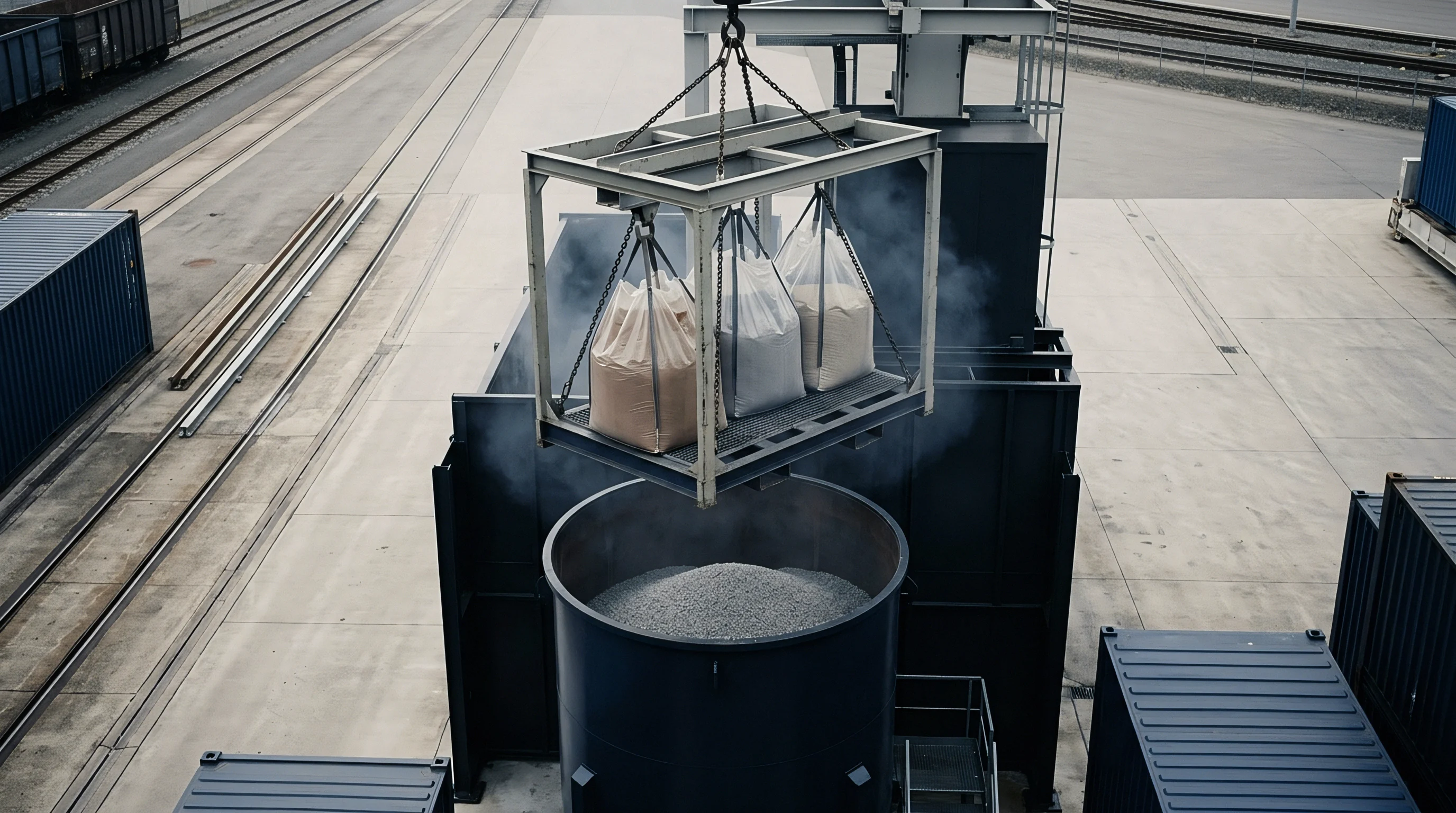
Retain Sample Archiving and Analytical Fingerprinting
Receiving verification protocols must establish a physical retain sample library. Quality technicians must pull representative retain samples from every incoming batch, label them with production lot numbers and receiving dates, and store them in controlled dark ambient conditions for twenty-four to thirty-six months. These retain samples serve as physical evidence if downstream consumer complaints or regulatory enforcement actions occur months after the packaging was filled and distributed.
Rapid analytical screening tools allow dock inspectors to fingerprint incoming materials before offloading containers. Attenuated Total Reflectance Fourier-Transform Infrared (ATR-FTIR) spectroscopy enables instant material identification. A dock technician presses an incoming plastic sample against the ATR crystal and records an infrared absorption spectrum within thirty seconds.
Comparing the sample spectrum against the reference spectrum from the pre-production test sample reveals instant material deviations.
Decision protocols for incoming dock verification must enforce precise, sequential gates to authorize lot release into active factory stock.
- Document Audit Gate Quarantine the shipment immediately if the Certificate of Analysis (CoA) lacks lot-specific tracing numbers or fails to cross-reference the baseline pre-production qualification record.
- Physical Container Gate Conduct visual and dimensional checks on units sampled according to ISO 2859-1 Level II, looking for stress whitening, surface contamination, or warpage.
- Spectroscopic Identity Gate Run ATR-FTIR verification on three randomly selected units, verifying that absorption peak ratios for base polymer and additive groups match the qualification benchmark within a five percent spectral tolerance window.
- Thermal Profile Gate Execute Differential Scanning Calorimetry (DSC) on suspect lots to measure melting peak temperatures and oxidation induction times, identifying undisclosed polymer grade changes or regrind content.
- Analytical Quarantine Release Authorize dock clearance and warehouse entry only when all gates pass, uploading verified CoA metadata into the central Enterprise Resource Planning system.
Spectroscopic fingerprinting catches common gross substitutions, such as swapping polypropylene random copolymer for homopolymer resin to reduce raw material costs. Homopolymers display distinct methyl group deformation bands at 1376 cm⁻¹ and 1456 cm⁻¹ without the ethylene comonomer absorption peaks seen in random copolymers. If the incoming spectrum deviates from the pre-production reference fingerprint beyond a five percent match threshold, the lot is locked in quarantine pending laboratory confirmation.
Detaining, re-sampling, and re-testing four shipping containers of high-density polyethylene drums at a seaport cost forty-two thousand dollars after spectral data showed unannounced masterbatch carrier changes. The molder substituted a low-density polyethylene carrier resin for the specified high-density carrier to improve color dispersion. That substitution dropped the environmental stress crack resistance (ESCR) of the drum bases by thirty-five percent, creating a leak risk during stacking and transport.
Catching the change at the dock prevented a field failure that would have cost tenfold more in product loss and regulatory liability.


Discipline
Documentary discipline bridges analytical chemistry and legal compliance. A Declaration of Conformity (DoC) is the primary legal instrument that permits a plastic packaging material to be placed on the European market under Regulation EC 1935/2004 and Regulation EU 10/2011. In the United States, compliance rests on FDA Food Contact Notifications (FCN) or direct compliance with 21 CFR parts 174 through 178.
A DoC is not a static certificate. It is an active legal document backed by a comprehensive compliance dossier that traces every chemical constituent from raw monomer synthesis to finished package convertor.
Many commercial packaging DoCs fail standard regulatory audits because they contain broken traceability chains, generic compliance statements, or expired laboratory references. Sourcing practices must audit the documentation stream behind every bulk packaging delivery with the same rigor applied to physical parts. A complete compliance dossier must link the finished package part number to specific component declarations for base resins, masterbatches, slip additives, internal lubricants, adhesives, and printing inks.

Declaration of Conformity Scope and Downstream Chain Traceability
Annex IV of Regulation EU 10/2011 mandates nine distinct structural elements for a valid packaging Declaration of Conformity. Generic statements such as “This material complies with EU food contact standards” carry no legal weight during an enforcement audit. The DoC must detail the identity of the issuer, the date of issuance, the commercial identity of the plastic material, and explicit confirmation that the material meets the requirements of Regulation EC 1935/2004 Articles 3, 11, and 17, alongside Regulation EU 10/2011 as amended.
The document must declare dual-use additives—substances authorized as food contact packaging additives that are also approved as direct food additives or flavorings under Regulation EC 1333/2008 or Regulation EC 1334/2008. Dual-use additives include common industrial materials like calcium carbonate (E 170), titanium dioxide (E 171), silicon dioxide (E 551), alpha-tocopherol (E 307), and fatty acid salts (E 470a). Downstream food fillers require this data to ensure that additive migration from the packaging does not push total food additive levels beyond legal limits for their food products.
The checklist below outlines the nine essential documentary components required in a compliant packaging Declaration of Conformity file.
- Identity of Issuing Business Provide the legal name, physical address, and contact details of the manufacturing corporate entity issuing the compliance declaration.
- Identity of Finished Article Specify the exact commercial trade names, internal part numbers, and batch codes covered by the compliance document.
- Date of Legal Execution Record the specific issue date, ensuring the document is signed by an authorized regulatory officer and renewed whenever material formulations or laws change.
- Polymer Substrate Confirmation Confirm that the plastic layers, coatings, or monomers comply with the Union List of Authorized Substances in Annex I of Regulation EU 10/2011.
- Traceability Chain Reference Link the declaration directly to manufacturing batch records in compliance with Regulation EC 1935/2004 Article 17 traceability requirements.
- Dual-Use Additive Disclosure List all dual-use substances present in the material, providing chemical names and European food additive numbers for downstream recipe calculations.
- Specific Migration Limit Declarations Identify all substances subject to Specific Migration Limits (SML) or quantitative restrictions, confirming that empirical testing or mathematical modeling demonstrates compliance.
- Functional Barrier Specifications Declare the presence and performance metrics of any functional barrier layer when non-authorized substances are used behind a sealed structural layer.
- End-Use Boundary Conditions Define the explicit operational boundaries, including allowed food categories, contact ratios, maximum heating profiles, and storage shelf-life limits.
Verification protocols must trace the DoC chain back through every raw material tier. The converting molder relies on declarations provided by resin suppliers, masterbatch compounders, and ink manufacturers. If the masterbatch compounder provides a DoC that omits specific migration limits for primary aromatic amines present in their red pigment, the converting molder’s DoC becomes legally flawed.
The buyer must demand that the molder holds complete supporting declarations from all upstream chemical suppliers within their compliance dossier.

Non Intentionally Added Substances and Mass Spectrometry Verification
Non-Intentionally Added Substances (NIAS) present a severe compliance risk in bulk packaging verification. Article 3 of Regulation EC 1935/2004 dictates that materials must not transfer constituents to food in quantities that endanger human health. While Intentionally Added Substances (IAS) are listed in Annex I of Regulation EU 10/2011 and carry established safety profiles, NIAS consist of reaction byproducts, degradation species, raw material impurities, and recycled contaminants that do not appear on authorized substance lists.
Evaluating NIAS requires advanced mass spectrometry techniques. Gas Chromatography coupled with Mass Spectrometry (GC-MS) screens for volatile and semi-volatile NIAS, such as residual solvents, polymer breakdown fragments, and photoinitiator residues from curing inks. Liquid Chromatography coupled with High-Resolution Mass Spectrometry (LC-QTOF-MS) screens for non-volatile NIAS, including oligomeric species, antioxidant degradation complexes, and slip agent breakdown products.
Pre-production screening must establish a baseline NIAS profile, setting a threshold of ten parts per billion (0.01 mg/kg) above which any unknown migrant must undergo toxicological evaluation under EFSA guidelines.
Regulation EC 10/2011 Annex IV binds the downstream importer to verify specific migration limits for primary aromatic amines whenever colorant formulations change.
A DoC remains valid only as long as the underlying manufacturing process remains unchanged. Standard commercial supply agreements must include a mandatory engineering change notification clause: “The molder agrees to provide written notice ninety days prior to executing any changes in raw resin grade, additive supplier, masterbatch formulation, tool cavitation, machine barrel profile, or manufacturing location, and further agrees that any such change invalidates existing Declarations of Conformity pending full analytical re-qualification.”


Remedy
Commercial remedies convert compliance verification into financial protection. When an incoming shipment of bulk packaging fails verification testing at the receiving dock or fails specific migration screening at an independent laboratory, the sourcing practice requires clear contractual mechanics to recover costs, reject defective inventory, and secure replacement goods without disrupting factory operations. Relying on standard purchase order boilerplate leaves buyers vulnerable to indirect costs, including customs demurrage, line downtime, testing fees, and hazardous waste disposal charges.
Supply contracts must establish specific non-conformance procedures that activate as soon as a verification failure occurs. The agreement must define mandatory response timelines, allocation of re-testing costs, joint sampling protocols, and commercial dispute resolution pathways. Without explicit remedies in the core supply contract, molders frequently attribute failures to sample handling errors or dispute the validity of third-party laboratory results, dragging out resolution while defective stock occupies warehouse space.

Contractual Safeguards and Commercial Recourse Mechanisms
Effective recourse mechanisms rest on unambiguous contract language that links product acceptance directly to verification protocol outcomes. Contracts must state that pre-production test certificates serve as an initial benchmark, but final acceptance depends on incoming bulk shipment verification against agreed specifications. The contract must stipulate that any lot failing dock screening, spectroscopic matching, or analytical migration testing will be rejected at the supplier’s expense.
The contract must outline an explicit arbitration process for disputed analytical results. When the buyer’s verification laboratory reports a non-conformance and the supplier’s internal quality control lab disputes the finding, a pre-designated independent, accredited laboratory must evaluate retained joint samples. The contract must state that the referee laboratory’s analytical findings are legally binding on both parties, and the losing party pays all referee testing fees, sample transit costs, and administrative expenses.
The landed-cost recovery framework below itemizes direct and indirect financial liabilities that contracts must reassign to the supplier upon a verified bulk packaging failure.
| Cost Element | Standard Purchase Order Outcome | Enforceable Verification Clause Outcome | Commercial Risk Impact |
|---|---|---|---|
| Direct Material Cost | Refund or Credit Memo | Full Immediate Wire Refund plus Interest | Eliminates tied-up working capital. |
| Inbound Freight and Duty | Absorbed by Buyer | Reimbursed 100% by Supplier | Recovers non-refundable customs import duties. |
| Port Demurrage and Storage | Absorbed by Buyer | Paid Directly by Supplier within 14 Days | Protects against daily container detention penalties. |
| Analytical Re-Testing Fees | Absorbed by Buyer | Billed to Supplier on Referee Failure | Covers GC-MS and ICP-MS testing expenses. |
| Production Line Downtime | Unrecoverable Consequential Loss | Pre-agreed Liquidated Damages per Hour | Compensates for lost manufacturing output. |
| Disposal or Return Freight | Absorbed by Buyer | Supplier Organizes and Funds Removal | Prevents localized hazardous disposal liability. |
Liquidated damages clauses provide essential leverage when packaging failures stop filling lines. Consequential damages are excluded under standard commercial law unless specifically included by written contract. Including a pre-agreed liquidated damage rate—such as five thousand dollars per day of downtime caused by non-compliant packaging deliveries—ensures that the molder bears the true financial cost of quality failures, encouraging strict quality control at their facility.

Customs Detention Economics and Landed Cost Reconciliations
Customs authorities actively inspect incoming plastic packaging shipments for compliance with food contact rules, REACH chemical restrictions, and heavy metal limits under regional packaging waste directives. When customs officials flag a bulk packaging shipment for non-compliance, the containers are moved to a bonded inspection facility. Storage fees, container chassis demurrage, and port handling charges accumulate daily while the shipment undergoes government verification.
Demurrage charges at major container ports range from one hundred and fifty to four hundred dollars per container per day, escalating after the first five days of detention. If a border inspection requires analytical sampling and laboratory testing, the turnaround time takes two to four weeks. Storage fees accrued during a three-week customs hold can exceed the total material value of the plastic packaging inside the container.
Contracts must assign all port detention and customs inspection expenses to the supplier if the hold results from non-compliant packaging, incomplete DoCs, or invalid pre-production paperwork.
When border authorities issue a formal rejection notification due to chemical non-compliance, such as heavy metals exceeding one hundred parts per million under packaging waste rules, the shipment cannot enter the country. The importer must choose between re-exporting the cargo to the origin port or destroying it at a licensed local disposal facility under customs supervision. Local high-temperature incineration for non-compliant plastic scrap costs between two hundred and five hundred dollars per metric ton, plus hazardous waste transport fees.
The supply agreement must state that the molder assumes full responsibility for organizing and paying for re-export or destruction within fifteen days of a final rejection notice.
Landed-cost calculations must incorporate the statistical risk of verification failure into the total cost of ownership model. Sourcing packaging from low-cost overseas suppliers often appears economical on a simple piece-price basis. However, when factoring in the costs of independent laboratory testing, dock acceptance sampling, retain sample storage, container detention exposure, and delayed recourse, the true landed cost per unit rises significantly.
A rigorous verification protocol enforces accountability across every tier of the supply chain, converting paper test certificates into measurable quality assurance.